
Technology
Cloud Computing Explained — AWS, Azure, GCP
What cloud computing actually is, the IaaS/PaaS/SaaS service models, and how AWS, Azure, and GCP compare on services, pricing, and strengths.
Breaking tech news: smartphones, software, cybersecurity, startups, and the biggest technology company developments explained.
What cloud computing actually is, the IaaS/PaaS/SaaS service models, and how AWS, Azure, and GCP compare on services, pricing, and strengths.
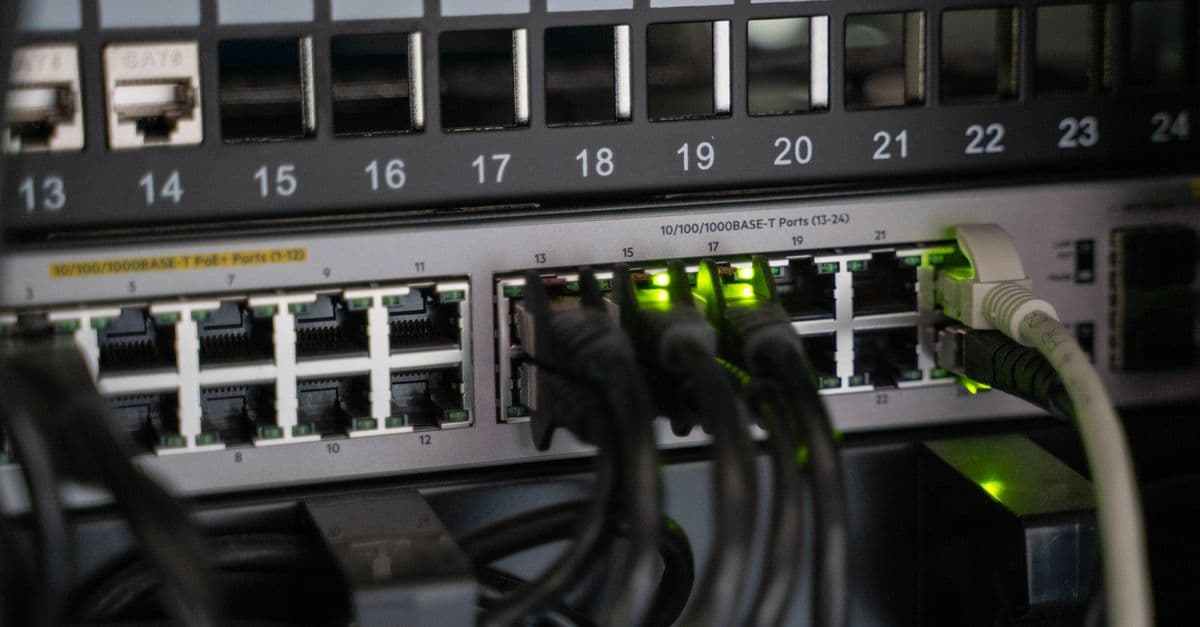
WiFi explained from 802.11 standards to OFDMA, channels, WPA3 security, and WiFi 7 — how data rides radio waves. Discover how it works, why it matters,...
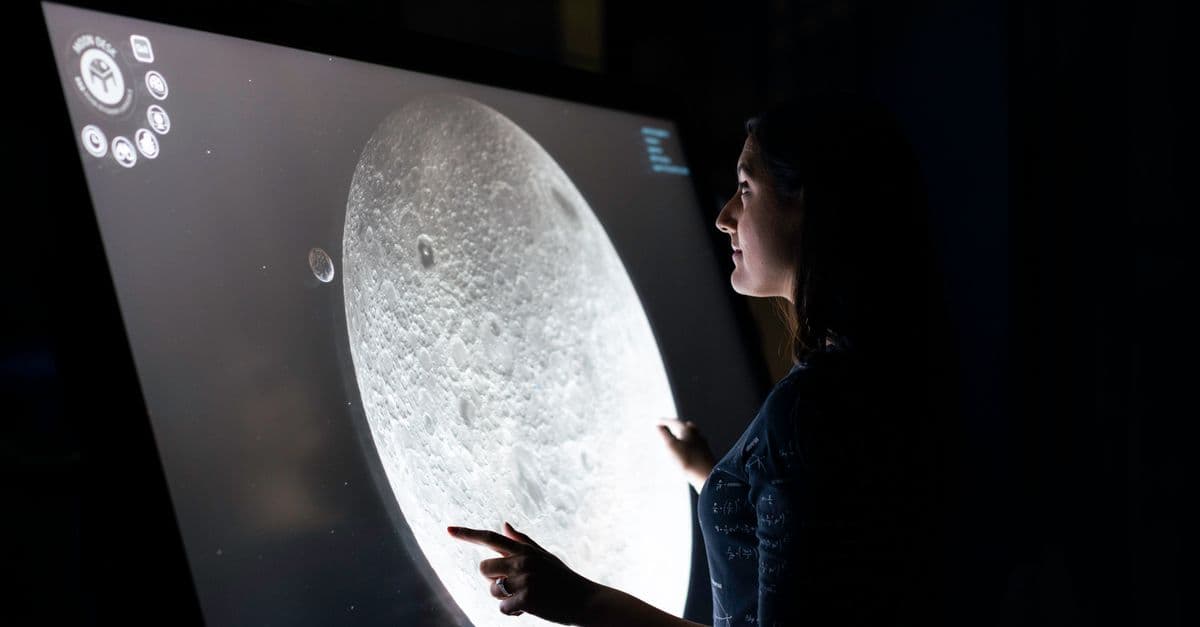
The physics behind resistive, capacitive, infrared, and acoustic touchscreens — plus stylus tech, force touch, and foldable displays.

How GPUs run thousands of threads at once, what tensor cores and HBM memory do, and why neural network training maps so well onto GPU architecture.

How a CPU works: the fetch-decode-execute cycle, pipelines, cache, cores, x86 vs ARM vs RISC-V, Moore's Law, and why Apple Silicon changed laptops.

How blockchains actually work, consensus mechanisms compared, smart contracts, what blockchain is good for, and what it isn't — balanced view for 2026.

How encryption works: AES and RSA, key exchange, the TLS 1.3 handshake, digital signatures, end-to-end messaging and NIST's 2024 post-quantum standards.
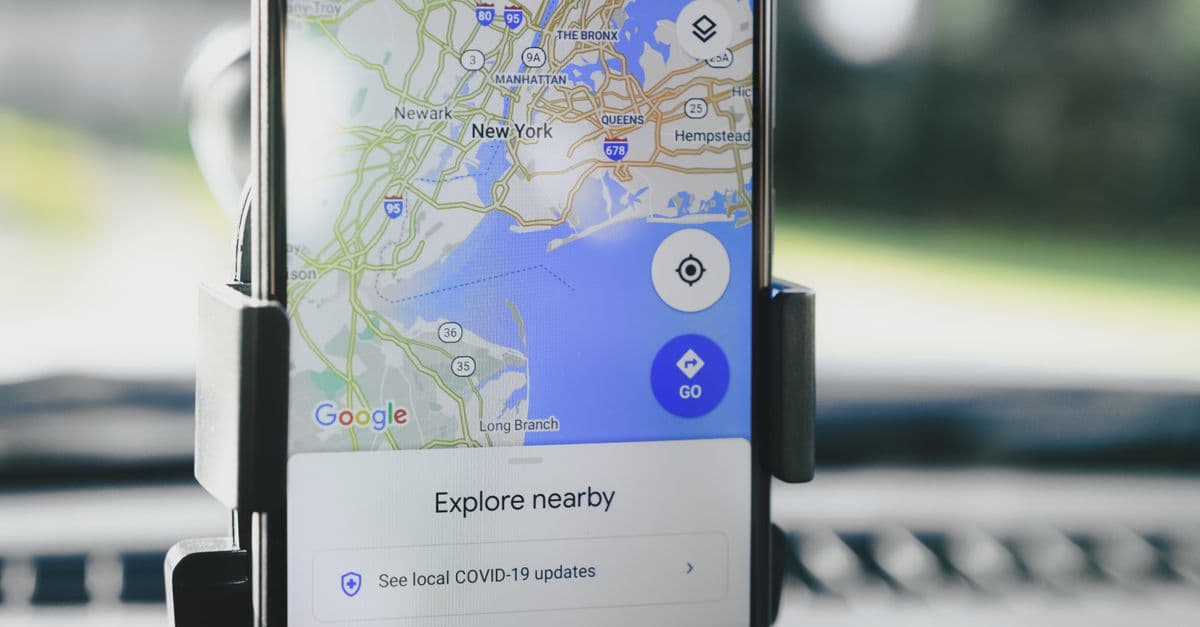
How GPS works: 31 satellites, trilateration, atomic clocks, and the relativity correction that keeps fixes accurate to a few meters on a phone.

China has 1.09 billion internet users — the largest national online population on Earth. India is close behind at 920 million, with the fastest growth. The US (315M), Indonesia (220M), and Brazil (190M) round out the top 5. By 2026, 5.5 billion people — 67% of humanity — are online. Here's the full ranking and what it means.

The United States hosts more data centers than any other country by every count, but the totals vary from about 3,800 to 5,400 depending on the database. Here is the ranking, why facility counts and megawatts tell different stories, and what the IEA says about data centre electricity.

On December 17, 1903, Orville Wright flew 120 feet in 12 seconds. In 2024, airlines carried about 4.7 billion passengers. Here is how the engineering got from one to the other.

Robots now learn walking, balancing, and some manipulation by trial and error, mostly in simulation. Here is how the training works, what has reached real hardware, and what still breaks.