Biology & Health
Horizontal Gene Transfer: How Microbes Swap DNA
Horizontal gene transfer lets microbes pass genes sideways through transformation, conjugation, and transduction, and it blurs the tree of life.
Biology and health news: genetics, cancer research, brain science, new treatments, and medical breakthroughs explained clearly.
Horizontal gene transfer lets microbes pass genes sideways through transformation, conjugation, and transduction, and it blurs the tree of life.
Apoptosis is programmed cell death. Learn how caspases, mitochondria, and Bcl-2 proteins carry it out, and what goes wrong in cancer and autoimmunity.
Prions are misfolded proteins that spread by converting normal ones, with no DNA or RNA. How scrapie, kuru, and mad cow disease revealed the mechanism.
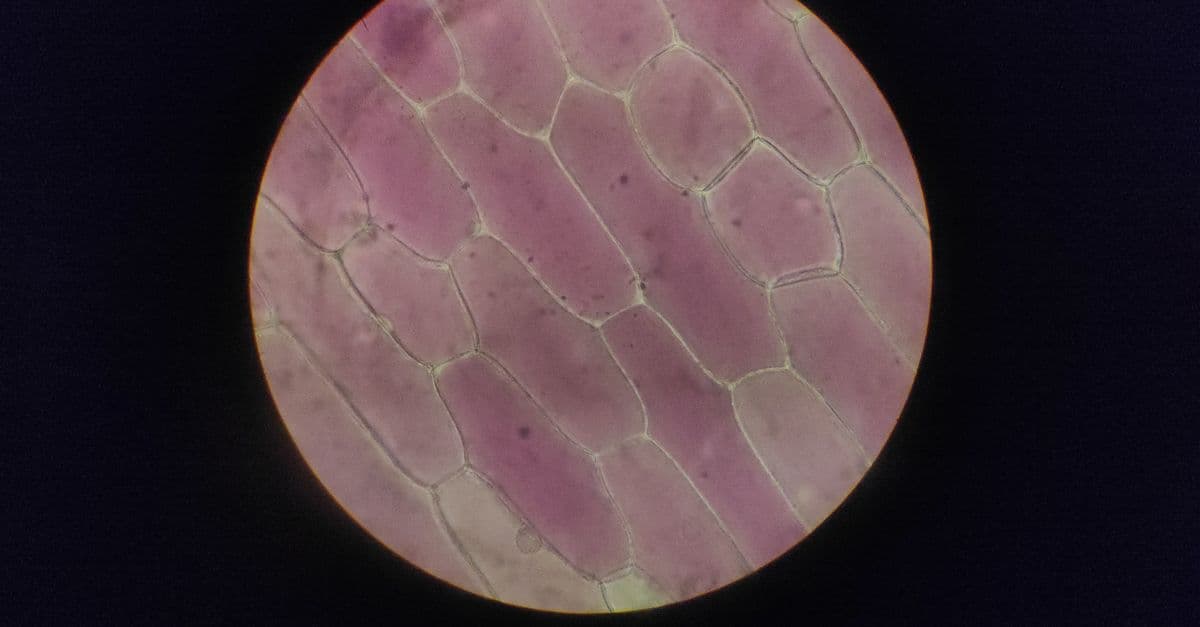
Telomeres are repeat-DNA caps on chromosome ends that shorten with each cell division. See how telomerase works and what telomere length does not prove.
The Cambrian explosion was a burst of animal diversification about 539 million years ago. Here is the fossil evidence, the timing, and the main explanations.
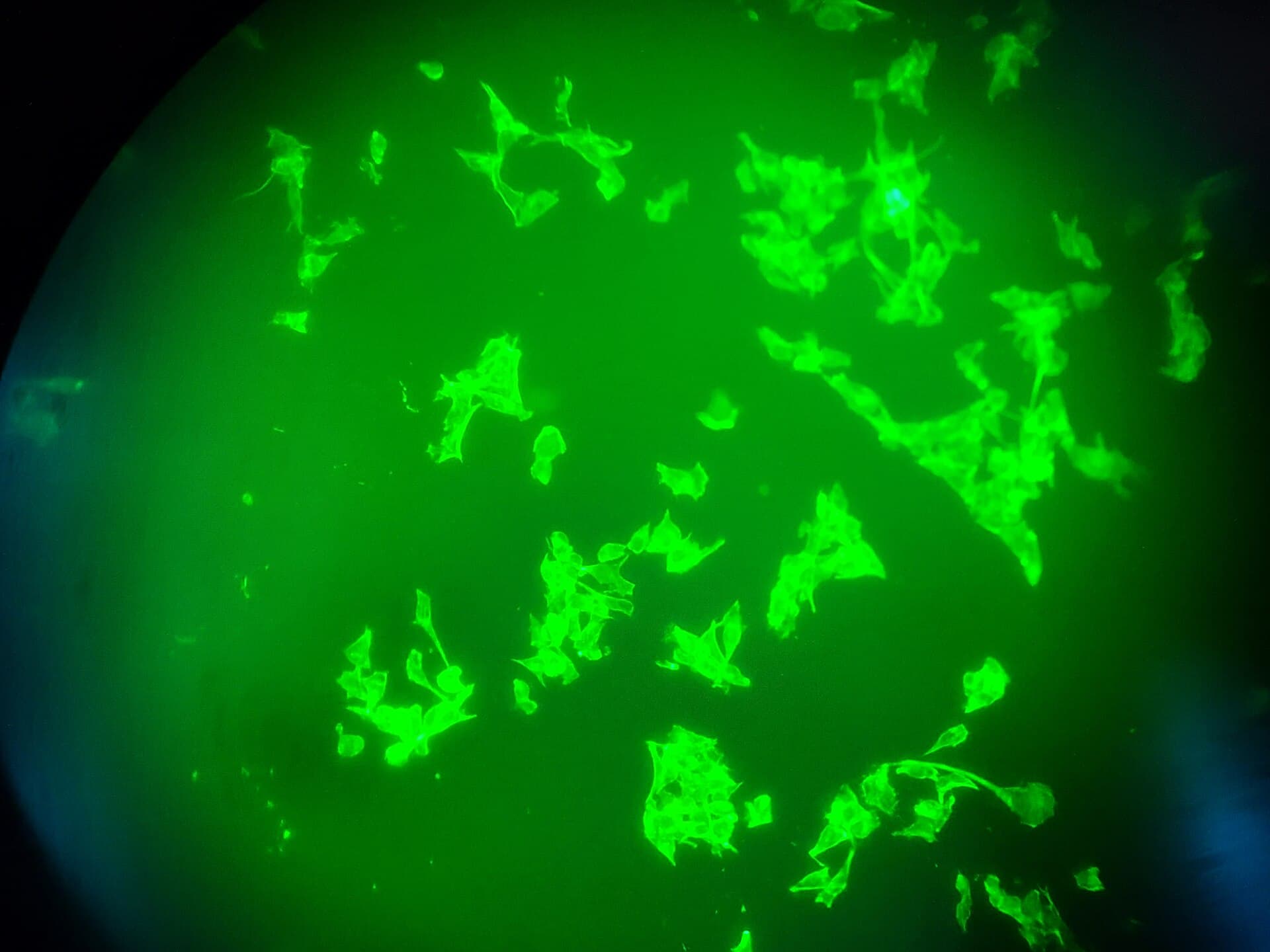
The complete guide to biology in 2026: cells and genetics, evolution, the human body, neuroscience, disease, immune systems, and the future of genetic engineering.
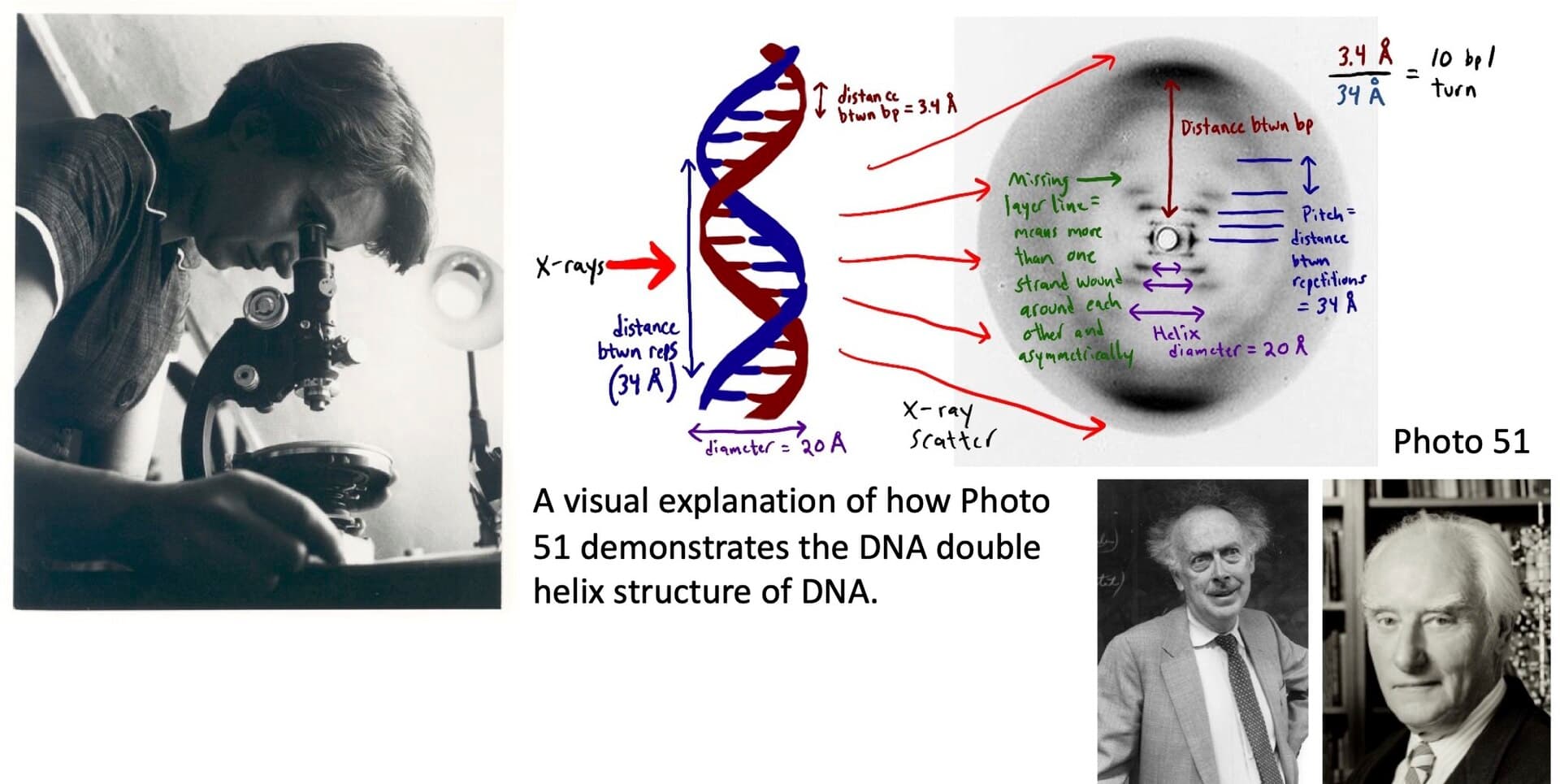
Epigenetic clocks estimate aging from DNA methylation. See how Horvath, PhenoAge, GrimAge and DunedinPACE differ, and why a clock score is not a diagnosis.
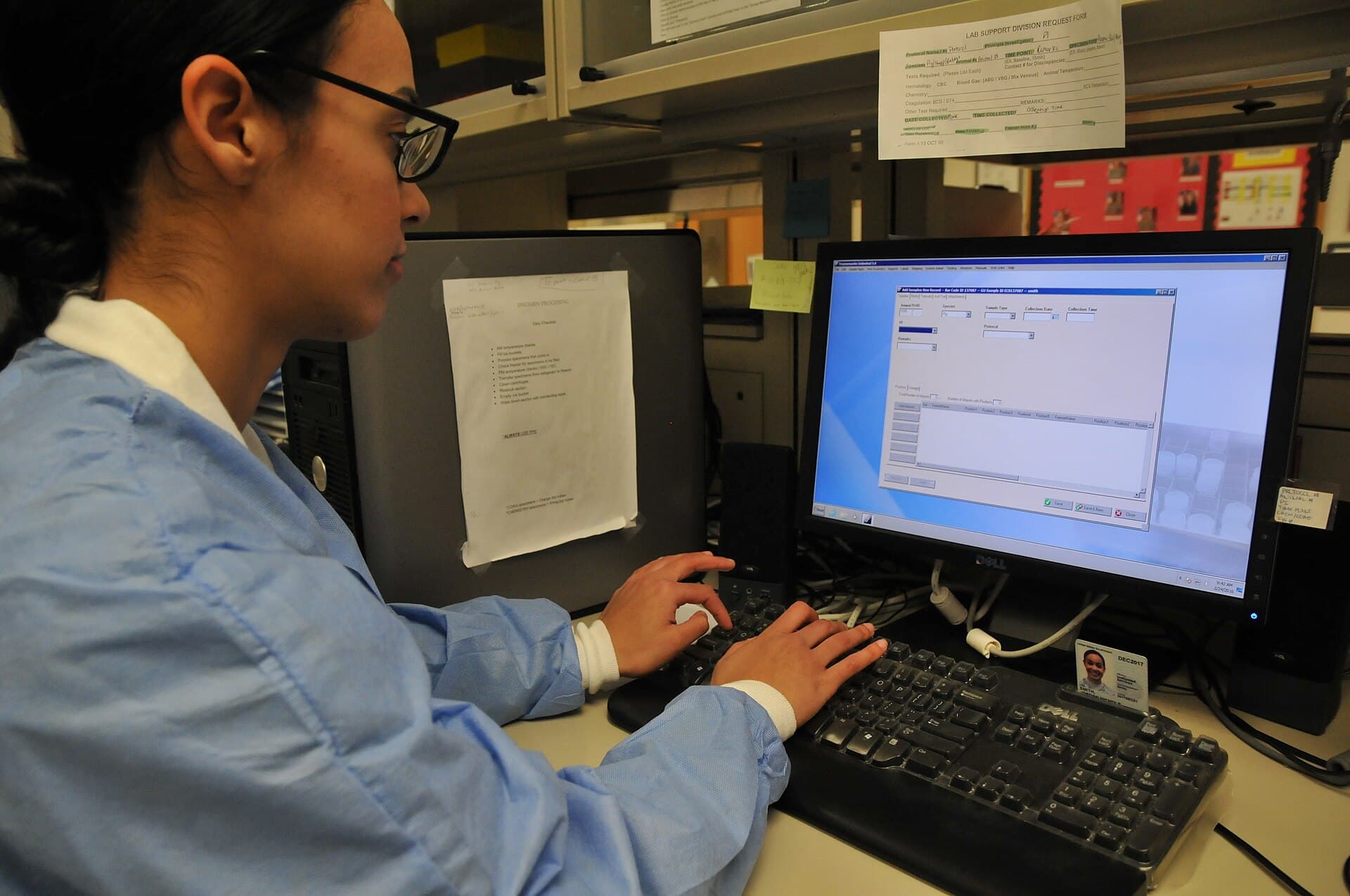
Liquid biopsy reads tumor DNA, cells and vesicles in blood. See what ctDNA can show, where evidence is strong, and why it does not replace tissue biopsy.
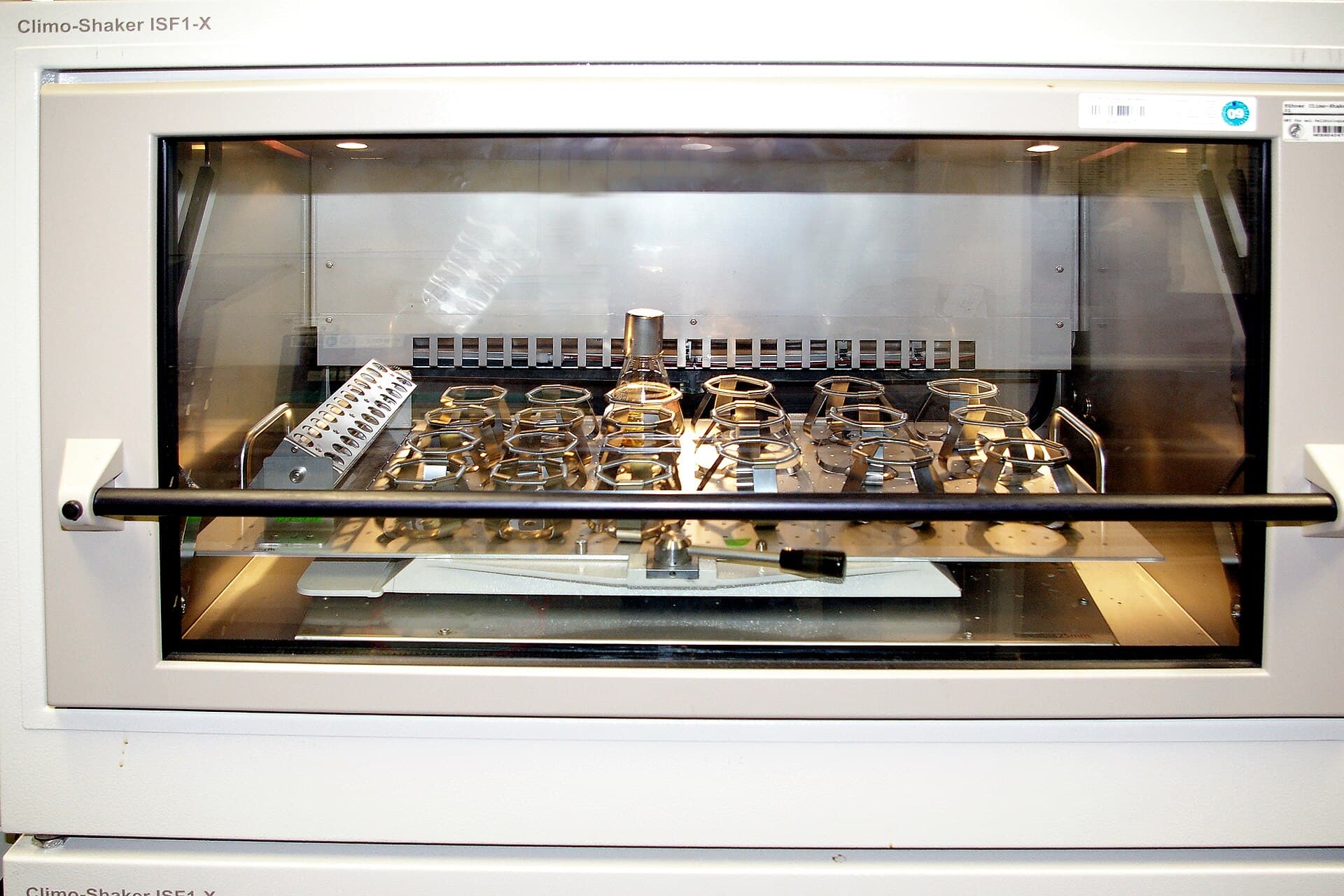
Organoids are 3D cell cultures that self-organize into organ-like structures. See how they are grown, what they have taught us, and why they are not tiny organs.
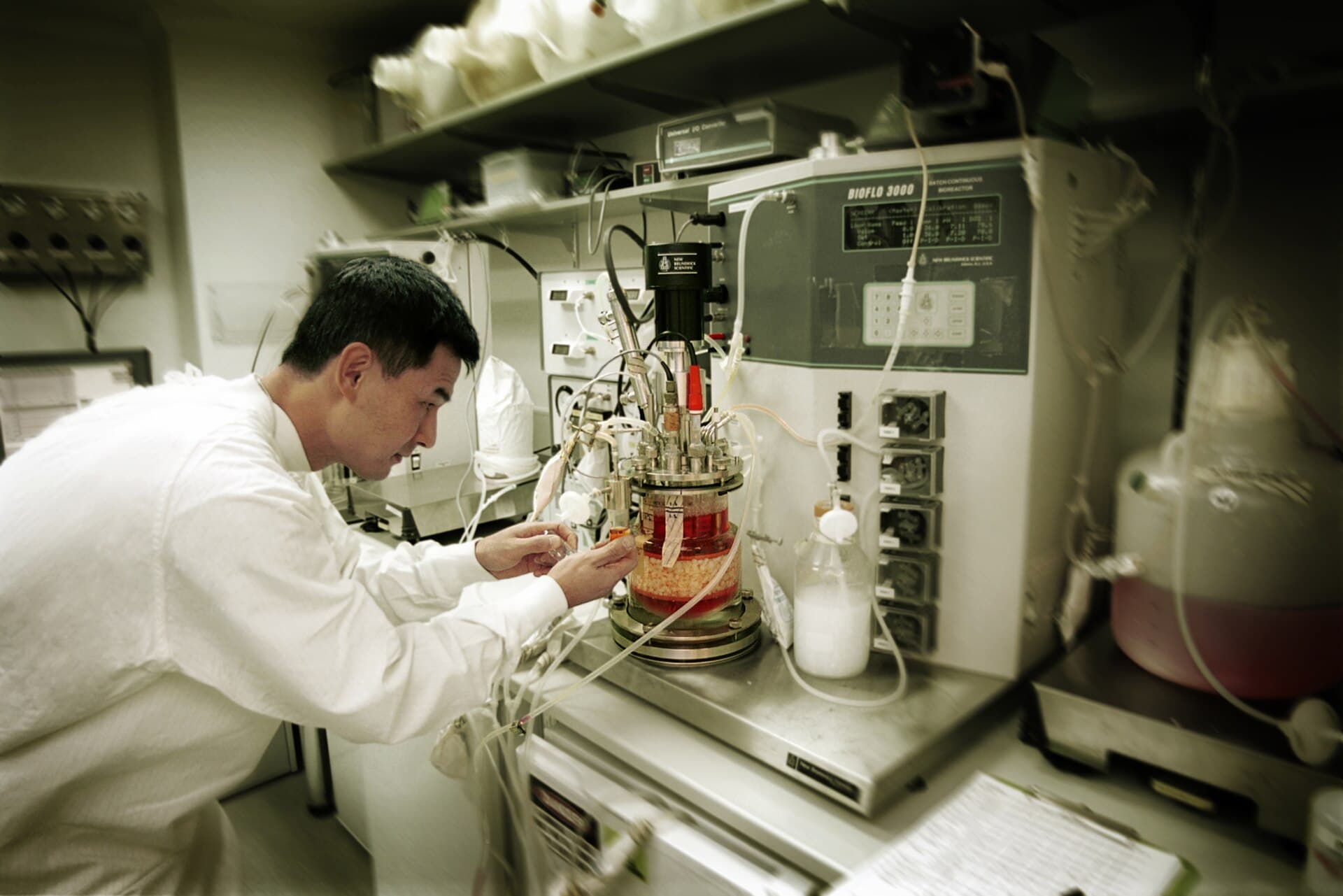
Personalized cancer vaccines are experimental immunotherapies built from a patient's tumor sequence. See how neoantigens are chosen and what trials show.
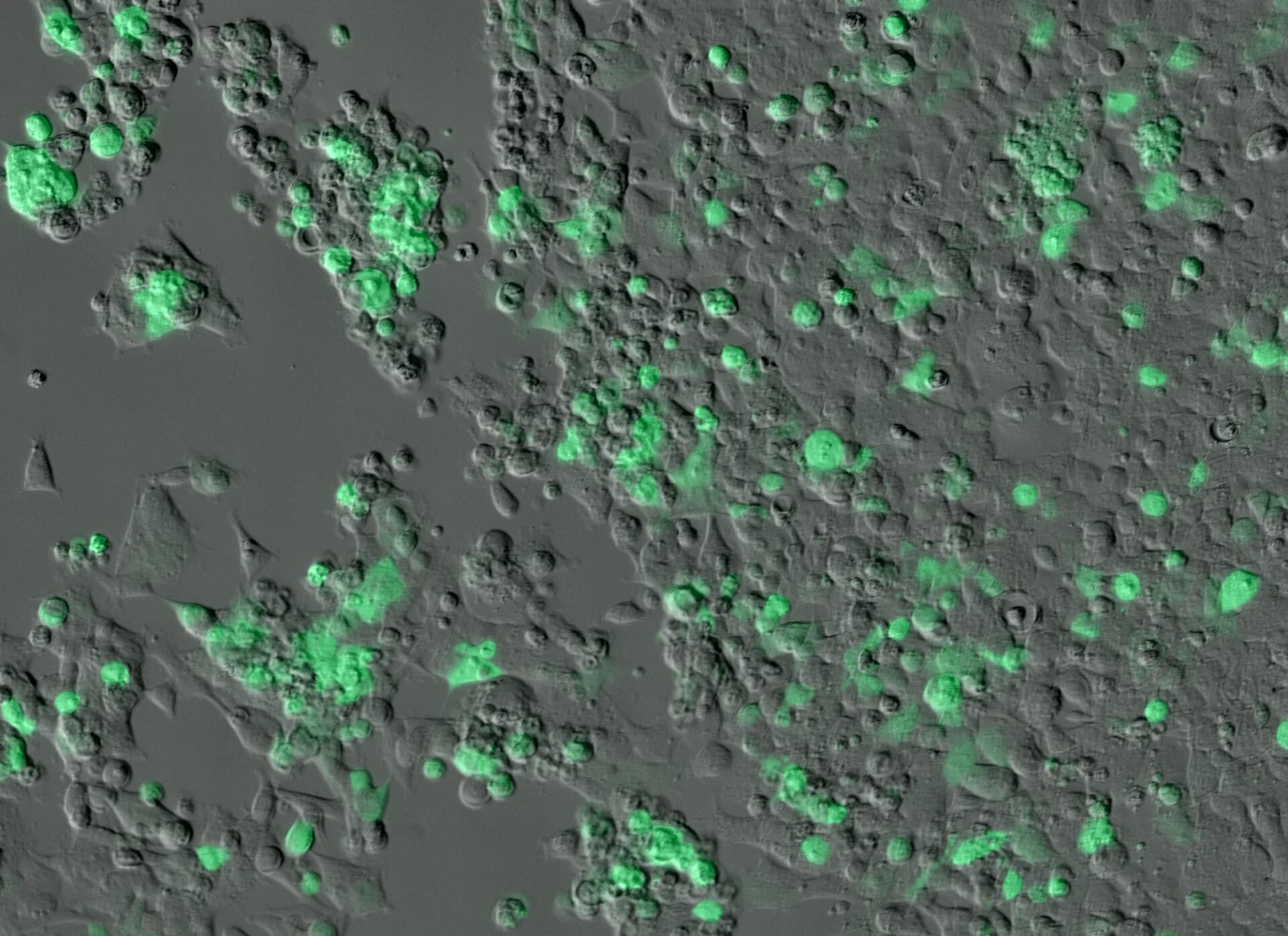
Single-cell RNA sequencing measures gene activity in individual cells instead of averaging a tissue. See how the workflow runs, what it finds, and where it misleads.