
Experiments
The First Gravitational Wave Detection
LIGO's first gravitational-wave detection confirmed a century-old prediction of general relativity and opened a new way to observe the universe.
Famous scientific experiments explained: the setup, the results, the controversies, the lasting impact — from Milgram to Schrödinger's cat to the double-slit.
LIGO's first gravitational-wave detection confirmed a century-old prediction of general relativity and opened a new way to observe the universe.
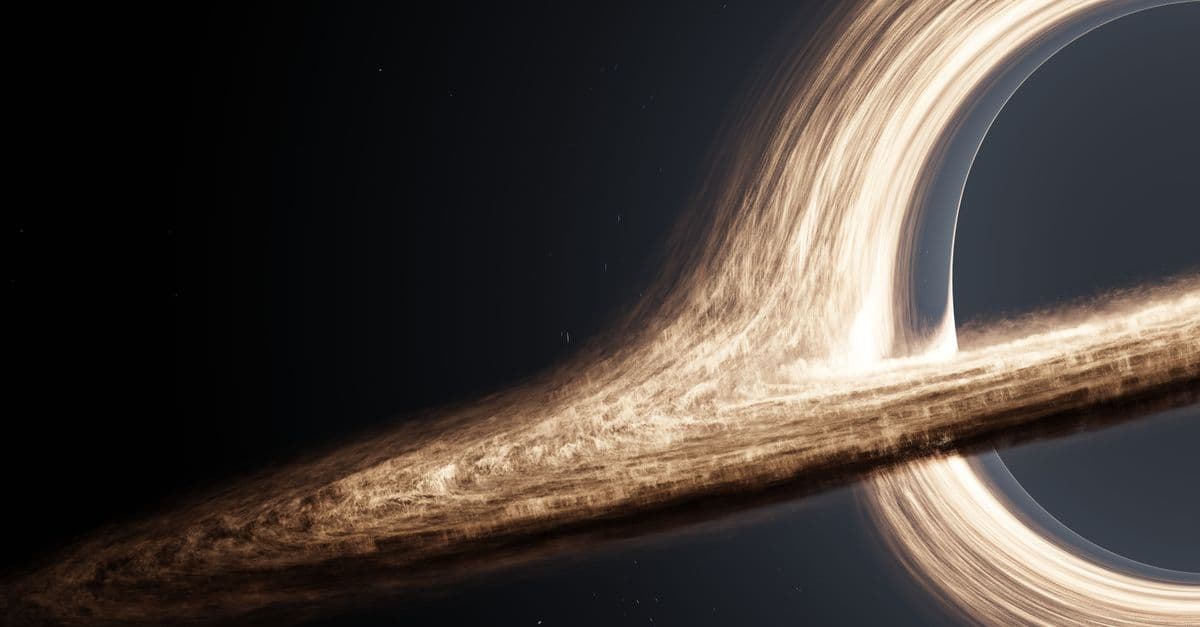
The Event Horizon Telescope created the first black hole image by linking radio telescopes across Earth. Here is how the experiment worked.

Chicago Pile-1 achieved the first controlled nuclear chain reaction. This guide explains the graphite, uranium, control rods, and risk.

The Human Genome Project sequenced all 3 billion base pairs of human DNA for $2.7 billion. Here is how the 13-year effort worked and why it still matters.

The Manhattan Project combined nuclear physics, engineering, secrecy, and wartime urgency. This article explains the science without glorifying the weapon.
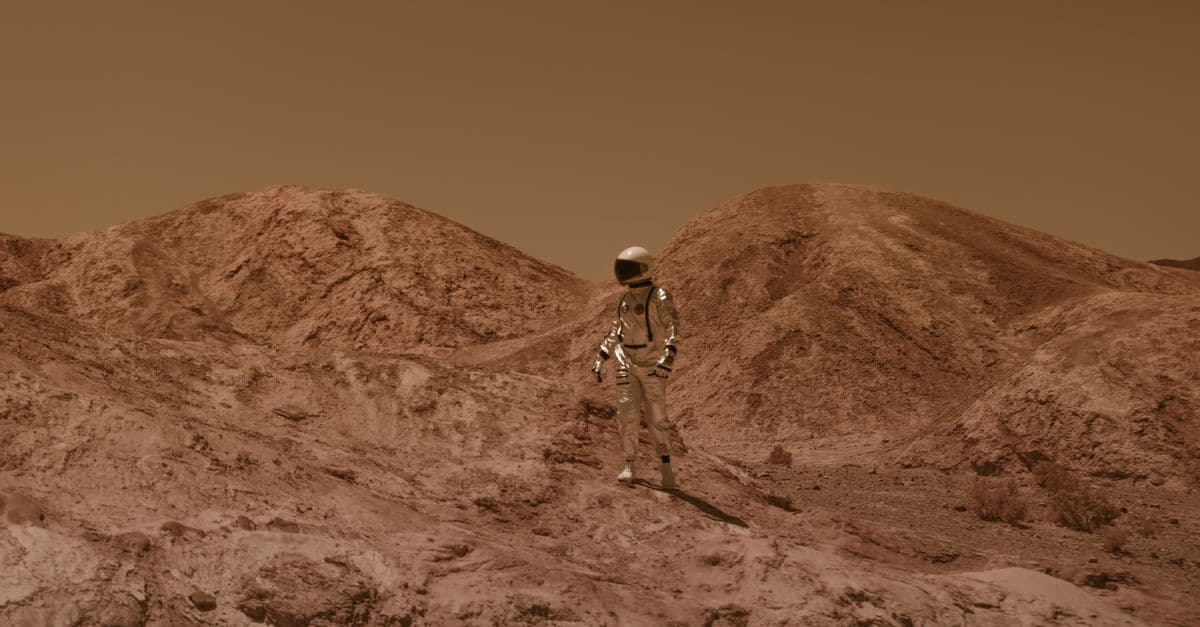
NASA's Viking landers ran the first direct biology tests on Mars. The results were provocative, disputed, and still important.
Voyager used rare planetary alignment, gravity assists, and durable engineering to transform knowledge of the outer Solar System.
Particles can penetrate energy barriers that classical physics says they cannot cross. This quantum phenomenon, first observed in radioactive decay, powers nuclear fusion in stars and modern electronics.
In 1932, Carl Anderson photographed a positron in a cloud chamber — the first antiparticle ever detected, confirming Dirac's 1928 relativistic quantum theory and opening the field of antimatter physics.
In 1941, Beadle and Tatum X-rayed bread mold and proved that each gene controls one enzyme. The experiment that bridged genetics and biochemistry — and won a Nobel Prize.
In 1967, graduate student Jocelyn Bell Burnell detected CP 1919 — the first pulsar. The discovery confirmed neutron stars exist and sparked the most debated Nobel Prize omission in physics history.
Jean Perrin's 1908–1909 experiments on Brownian motion confirmed Einstein's 1905 atomic theory and measured Avogadro's number to 1% accuracy — ending 2,400 years of debate about whether atoms exist.