Space
What Are the Van Allen Belts? Earth's Trapped Radiation
The Van Allen belts are zones where Earth's magnetic field traps radiation. How Explorer 1 found them, how they work, and how Apollo and Artemis crossed them.
13 articles tagged with #apollo
The Van Allen belts are zones where Earth's magnetic field traps radiation. How Explorer 1 found them, how they work, and how Apollo and Artemis crossed them.

At 11:53 UTC on December 24, 2024, the Parker Solar Probe reached 692,000 km/h — fast enough to travel from Earth to the Moon in 33 minutes. That is the fastest any object built by humans has ever moved. But speed records in spaceflight tell a deeper story about orbital mechanics, gravity assists, and the hard physics that governs how fast anything can actually go. This article traces the full hierarchy of speed, from the first satellites to the probe that briefly outran the solar wind itself.
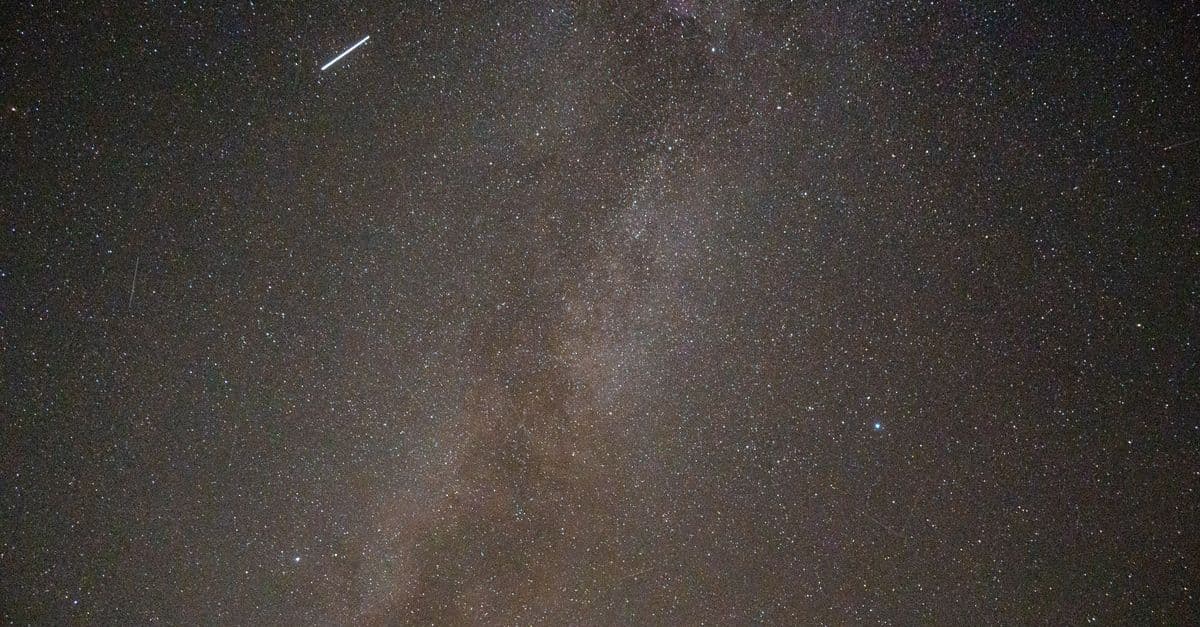
Six Apollo landings returned 842 pounds of lunar material to Earth — 2,196 samples collected from six different sites across the nearside. Fifty-five years later, those rocks are still generating new discoveries, the laser retroreflectors are still in use, and the fundamental questions they raised about the Moon's violent origin have only deepened.

Sales automation tools in 2026: how data, sequencing, CRM, and call-analysis software fit together, with verified pricing, email rules, and a stack-sizing model.

AI sales tools in 2026 compared: Apollo, Clay, Smartlead, Instantly, Lavender, Gong, Fathom. What each does for outbound, deliverability, and call analysis.
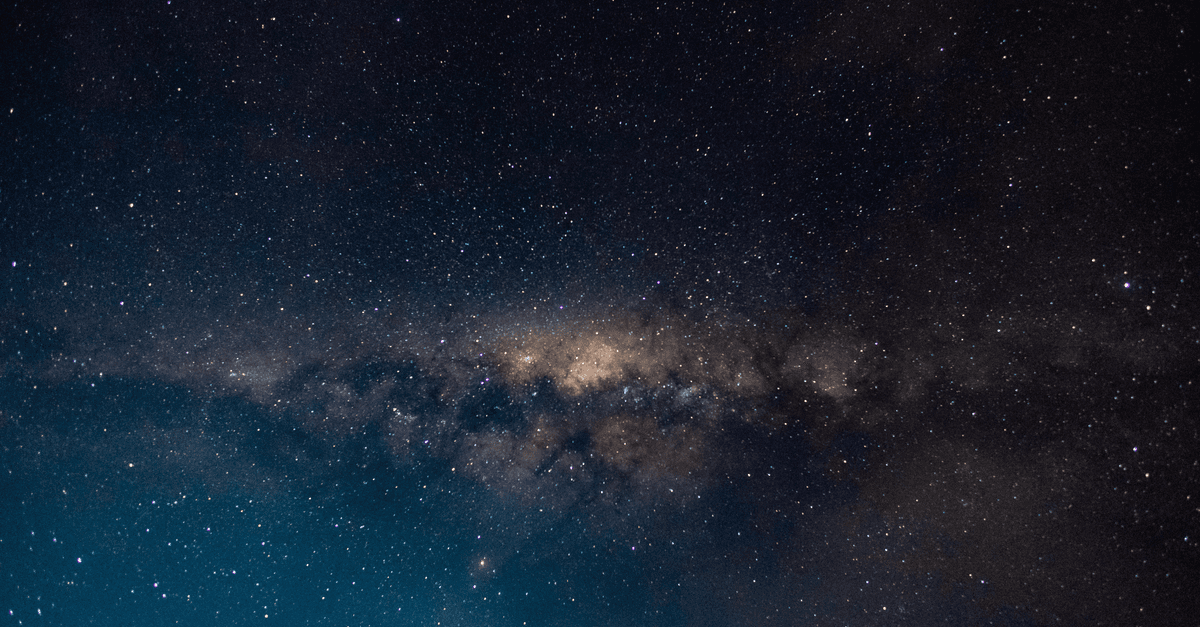
The space race was a Cold War battle for supremacy, fought with rockets instead of bombs. It ended with humanity's greatest adventure.
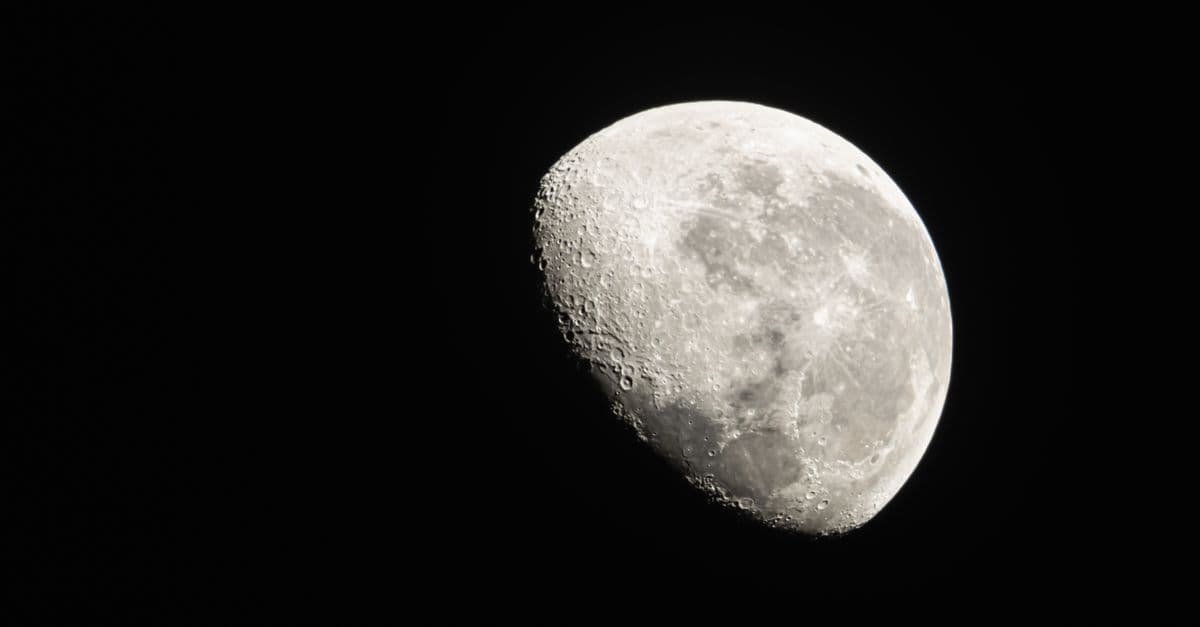
Apollo astronauts left reflectors on the Moon allowing scientists to measure Earth-Moon distance with millimeter precision—revealing the Moon's orbital evolution.
Apollo magnetometers revealed anomalous magnetic fields on the Moon surface, proving the Moon once possessed a magnetic field—a surprising discovery about our satellite's geological history.
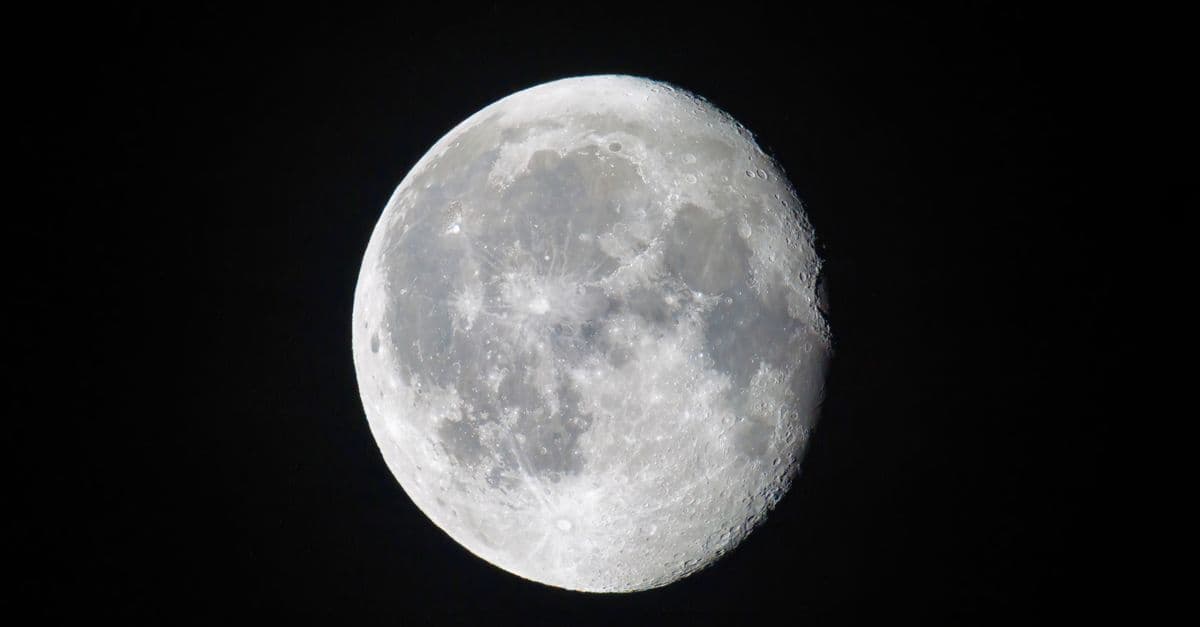
Apollo seismometers left on the Moon revealed extensive seismic activity, proving the Moon is geologically dynamic with thousands of moonquakes annually—surprising findings about our satellite.
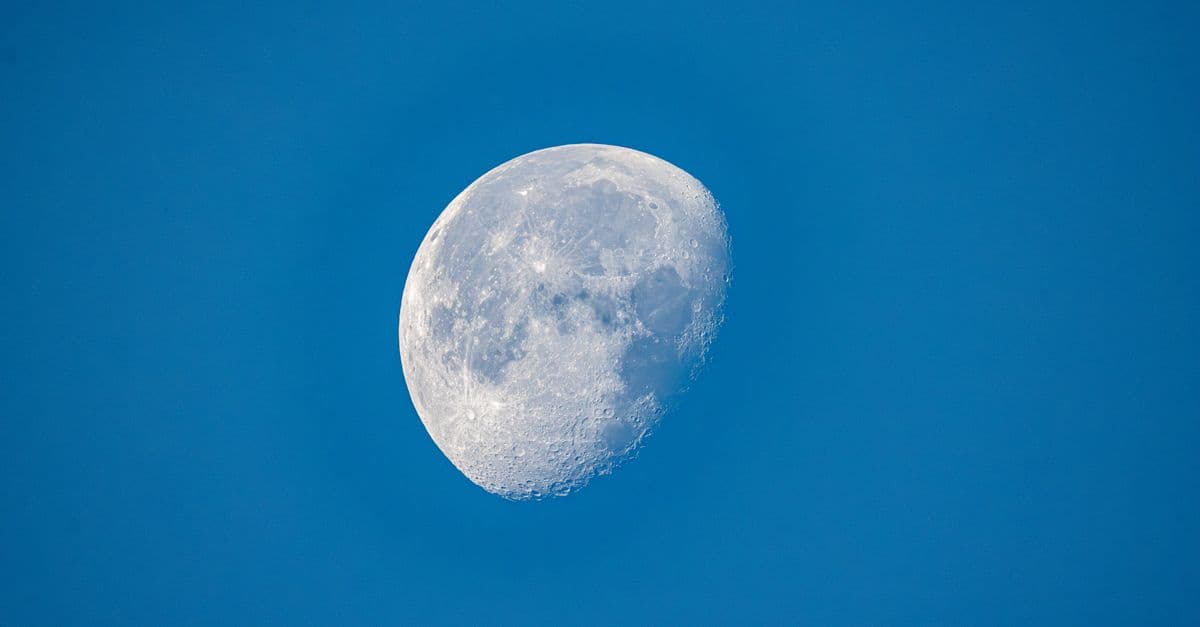
Apollo lunar soil samples revealed the Moon's weathering processes, mineral composition, and the effects of cosmic rays—knowledge essential for future lunar settlement.
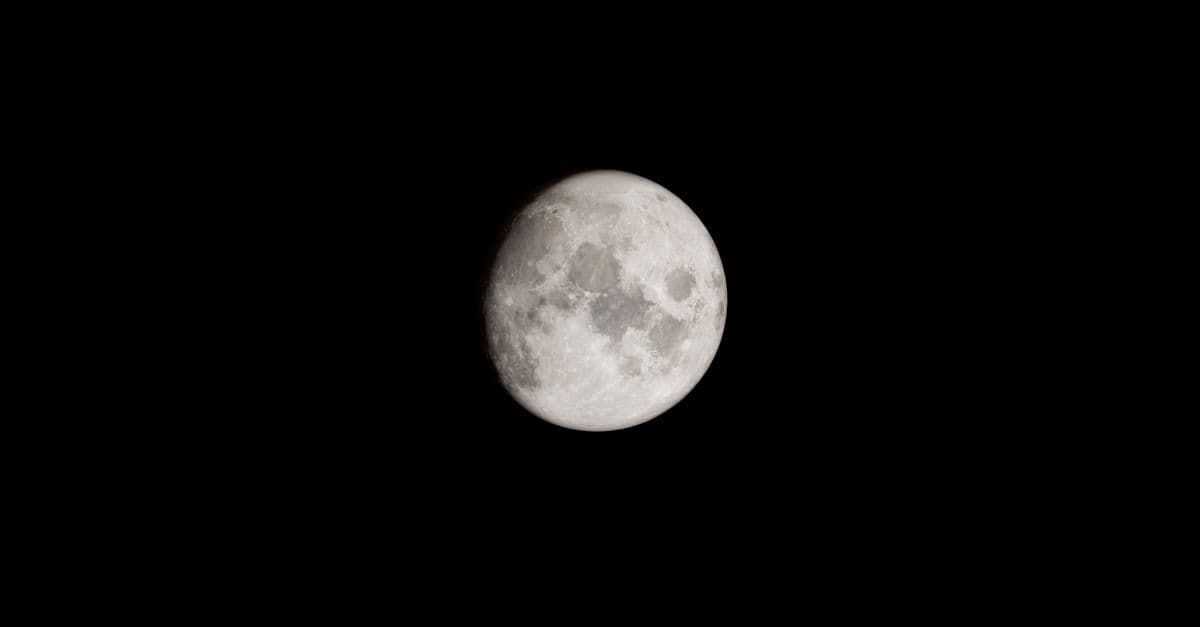
Apollo moon rocks are among Earth's most valuable scientific specimens, revealing planetary formation, solar system history, and the nature of celestial bodies.
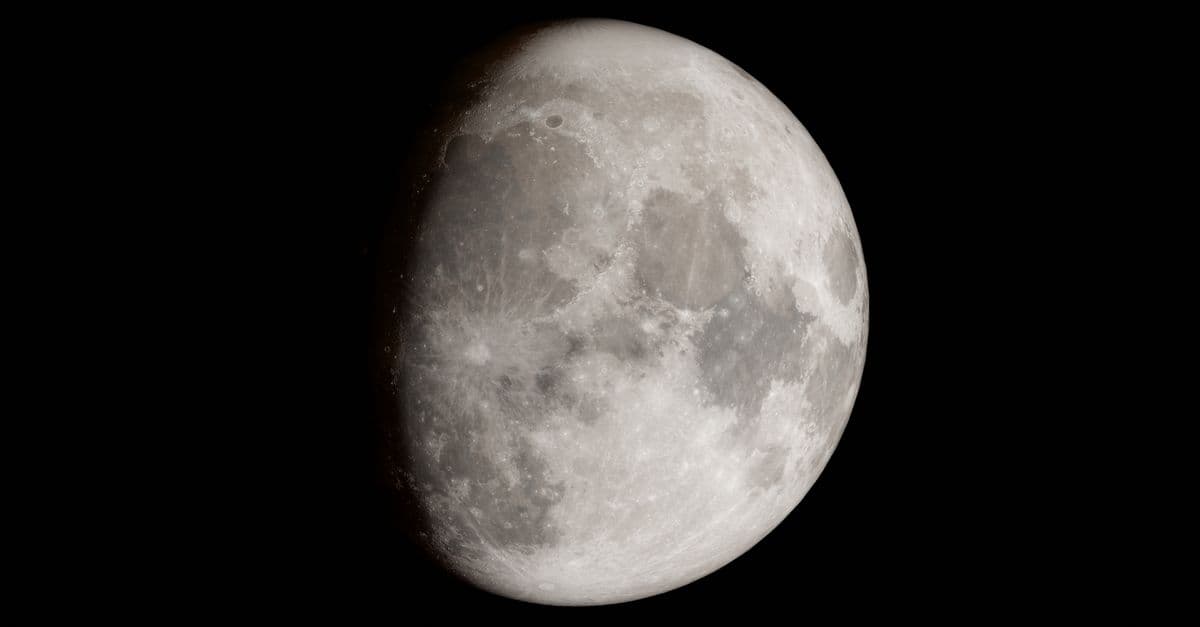
Apollo solar wind collectors captured particles directly from the Sun's wind, analyzing isotope ratios that revealed solar composition and isotopic variations over time.