Space
What Are the Van Allen Belts? Earth's Trapped Radiation
The Van Allen belts are zones where Earth's magnetic field traps radiation. How Explorer 1 found them, how they work, and how Apollo and Artemis crossed them.
12 articles tagged with #artemis
The Van Allen belts are zones where Earth's magnetic field traps radiation. How Explorer 1 found them, how they work, and how Apollo and Artemis crossed them.
From JWST and Artemis to asteroid samples and planetary defense, these missions are changing what humanity knows and can do in space.
SpaceX Starship is the largest rocket ever built — 121m tall, fully reusable, designed for Mars. How Raptor engines, orbital refueling, and Flight 13 work.
SpaceX in 2026: Starship's V3 flights, Falcon 9 reuse, Starlink growth, a reshaped Artemis plan, and how China and rival rockets compete in the new space race.
July 20, 1969: Neil Armstrong and Buzz Aldrin landed on the Moon, returning 21.5 kg of lunar samples that revealed the Moon's geological history and transformed planetary science.
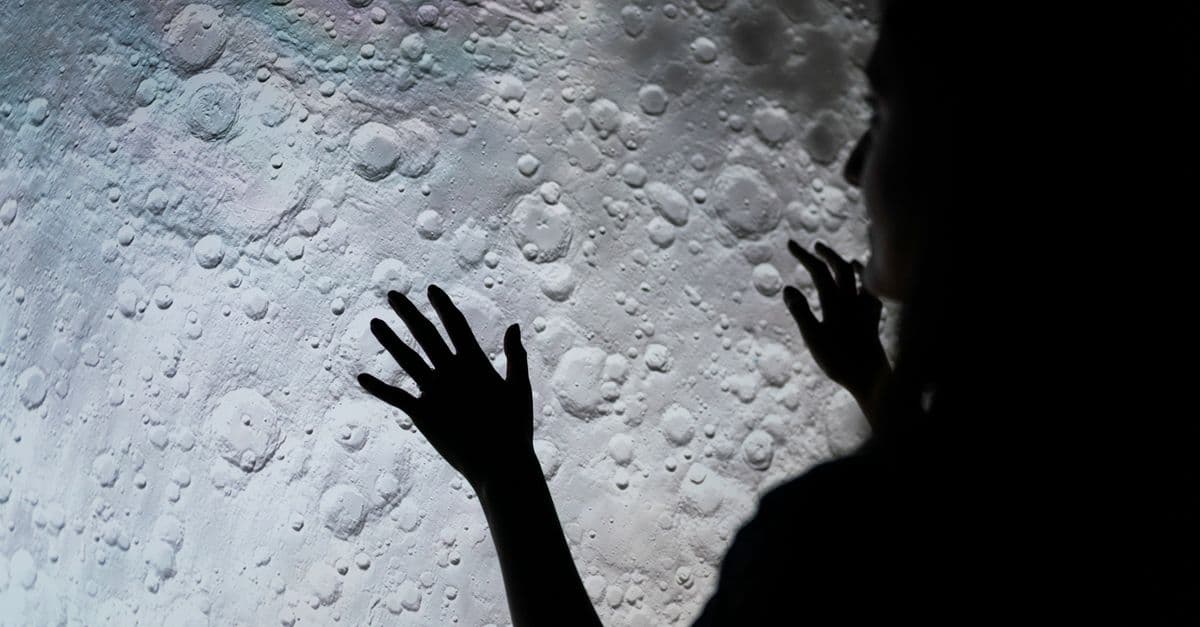
Remote sensing and direct exploration revealed water ice at the Moon's poles—a discovery changing lunar science and enabling future settlement through resource utilization.
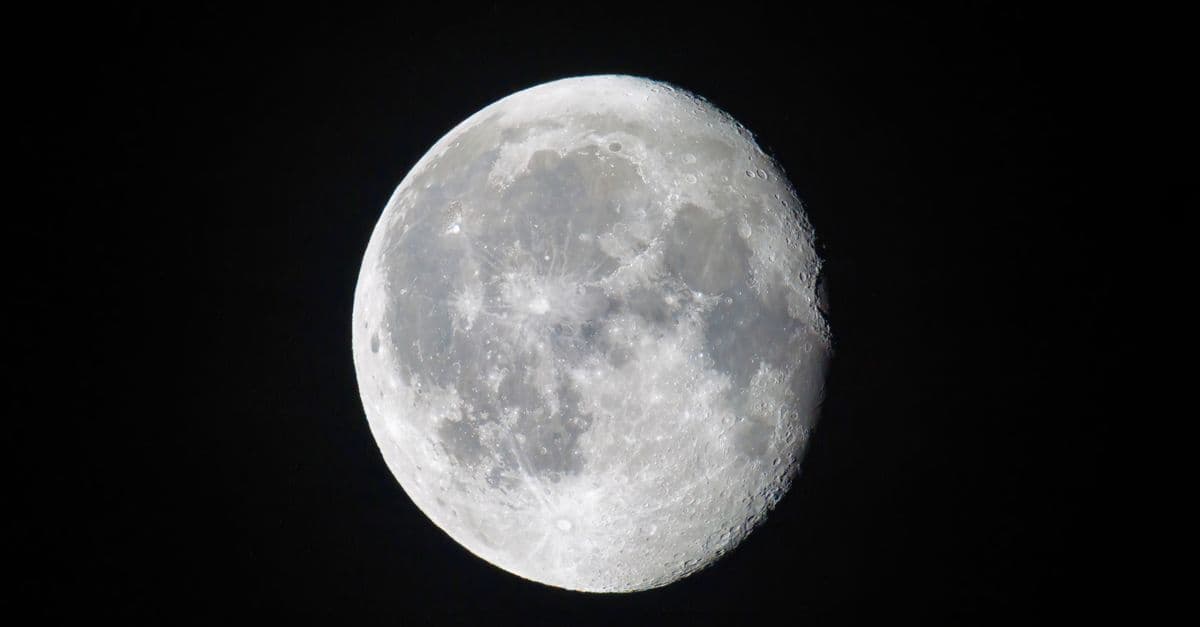
Apollo seismometers left on the Moon revealed extensive seismic activity, proving the Moon is geologically dynamic with thousands of moonquakes annually—surprising findings about our satellite.
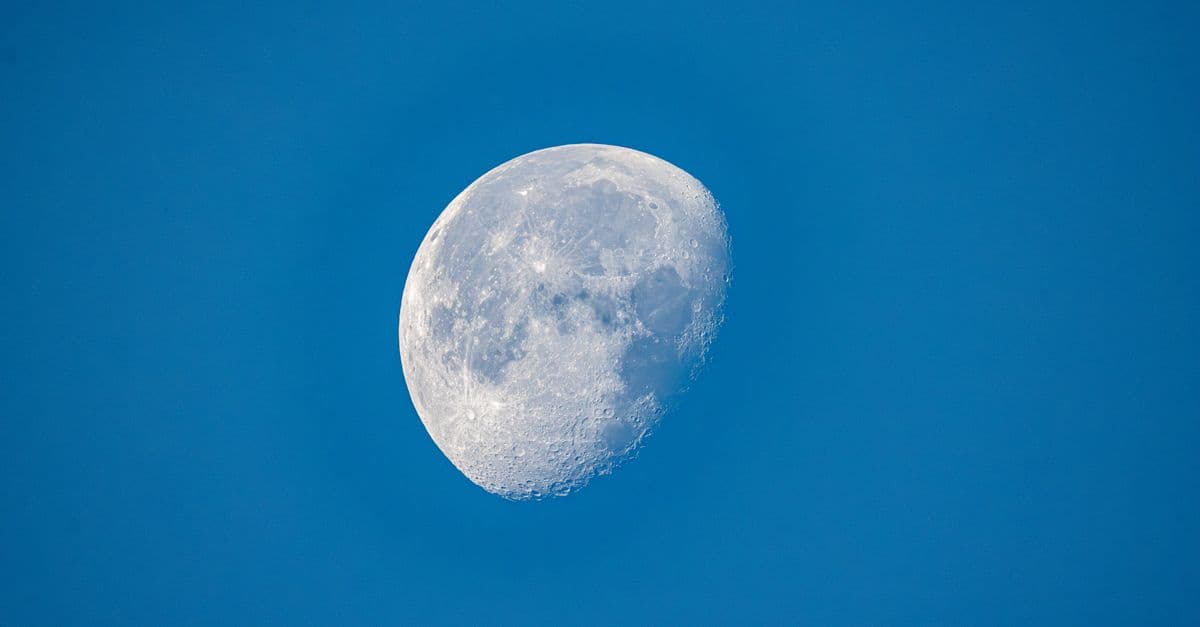
Apollo lunar soil samples revealed the Moon's weathering processes, mineral composition, and the effects of cosmic rays—knowledge essential for future lunar settlement.
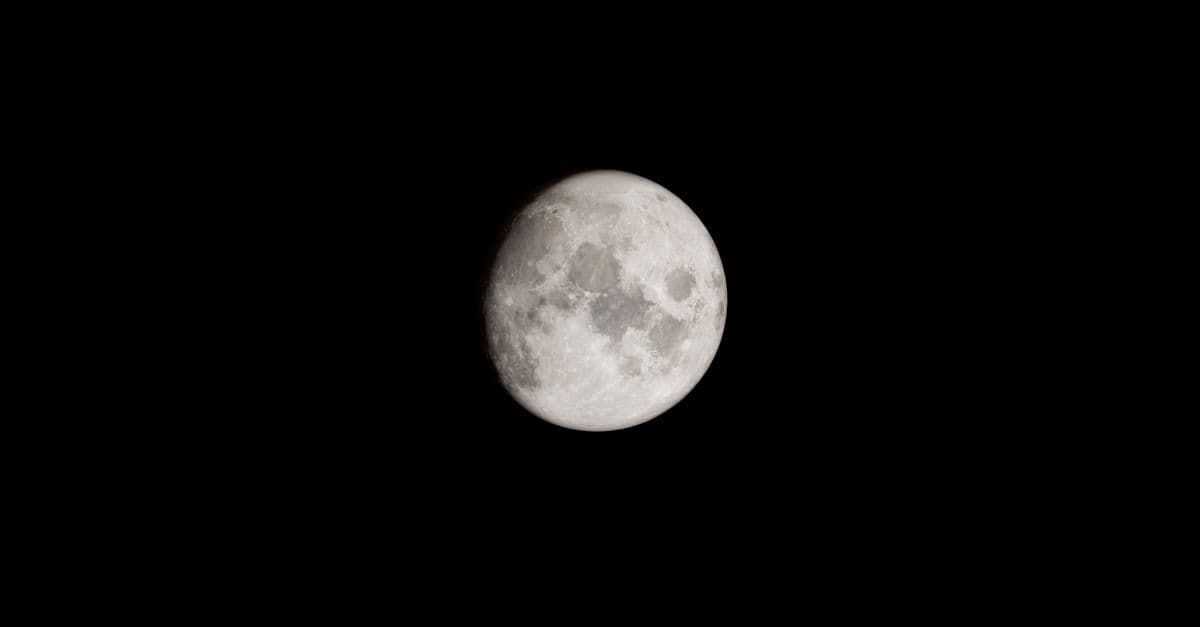
Apollo moon rocks are among Earth's most valuable scientific specimens, revealing planetary formation, solar system history, and the nature of celestial bodies.
Space exploration began on October 4, 1957, when the Soviet Union launched Sputnik 1. In the decades since, humans have walked on the Moon, robots have visited every planet, a space station has been continuously crewed since 2000, and Artemis II sent four astronauts around the Moon in April 2026.
The Moon holds oxygen-rich soil, polar water ice, and a trace of helium-3. Here is what has actually been measured, what is still speculation, and why the rules for using it remain unsettled.
Artemis is NASA's plan to return humans to the Moon — for the first time in over 50 years — and use it as a stepping stone to Mars. Here's how the program works and what's next.