Space
Hawking Radiation Explained — Black Holes Die
Black holes aren't black. Hawking radiation makes them slowly evaporate — and the resulting information paradox is rewriting modern physics.
33 articles tagged with #black holes
Black holes aren't black. Hawking radiation makes them slowly evaporate — and the resulting information paradox is rewriting modern physics.

Einstein's special and general relativity explained simply: time dilation, E=mc², curved spacetime, gravitational waves, and tests that confirm them.

Supermassive black holes anchor galaxies, power quasars, and shape cosmic evolution. From Sgr A* to M87*, here's what we know — and what we don't.
Two perspectives, one terrifying destination. From spaghettification to the firewall paradox — the real physics of falling into a black hole.

What is a black hole, really? Event horizons, Hawking radiation, spaghettification, the nearest known black holes, and the first images of M87* and Sgr A*.

Hawking wasn't just a symbol of perseverance — he made fundamental discoveries about black holes that physicists are still trying to resolve today.
LIGO's gravitational wave detectors produce a constant roar of noise. Machine learning is the ear that hears the cosmos whispering beneath it.
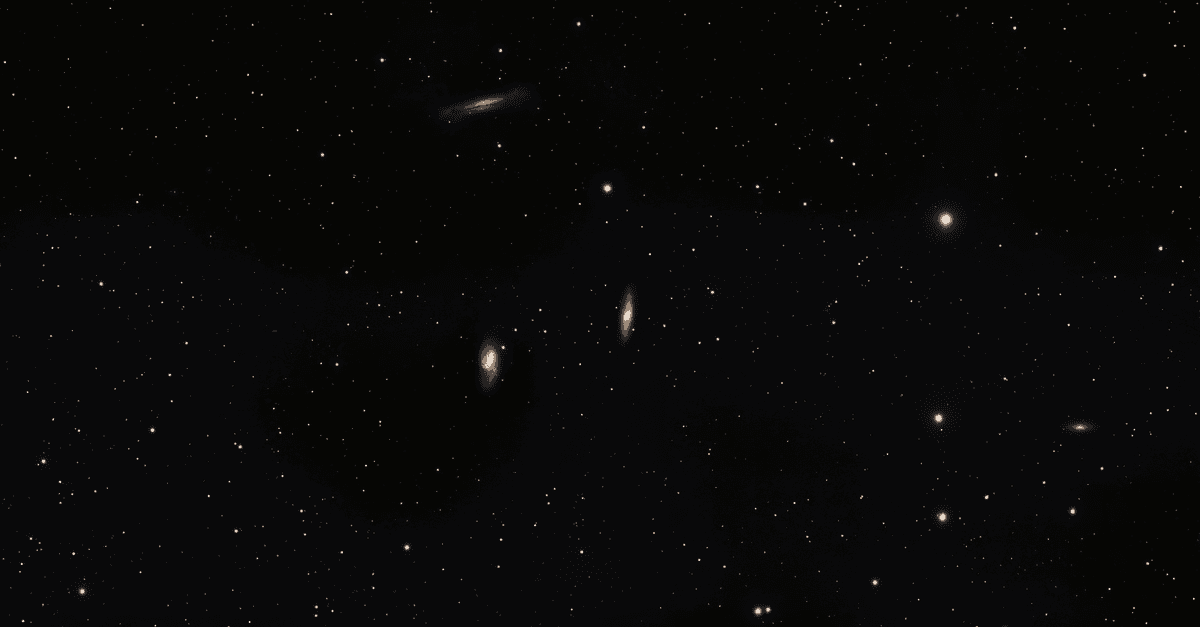
Since 1999, Chandra has mapped X-rays from black holes, neutron stars, and galaxy clusters, transforming understanding of the universe's most violent phenomena.
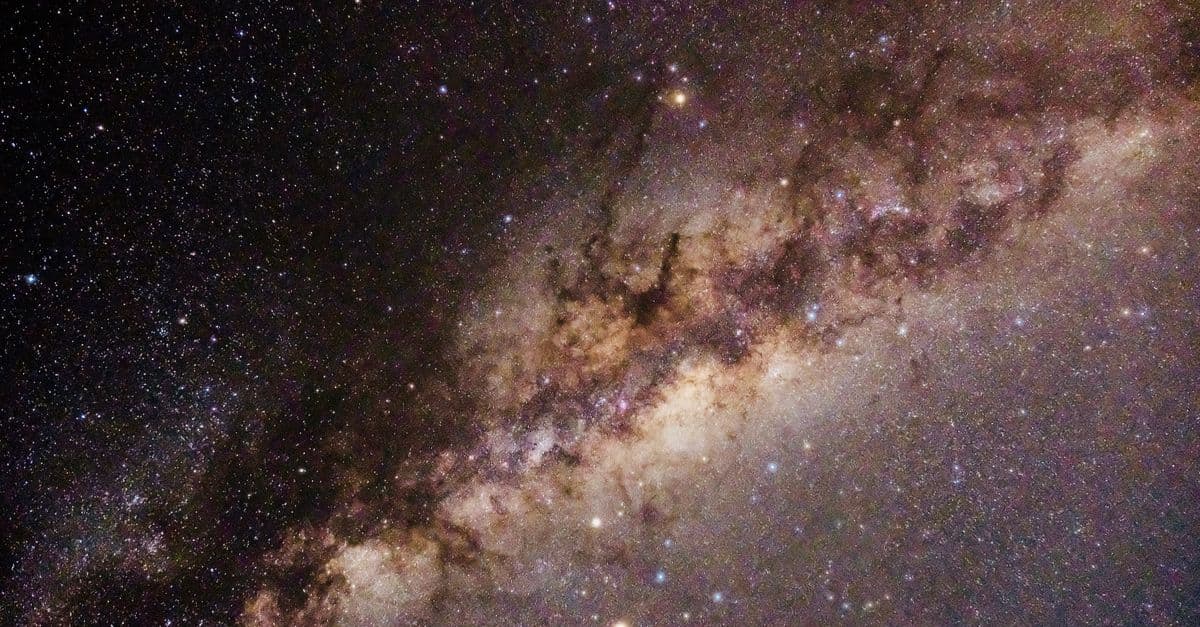
NASA's Fermi telescope mapped the gamma-ray universe, revealing pulsars, black holes, and mysterious transient events at highest photon energies.
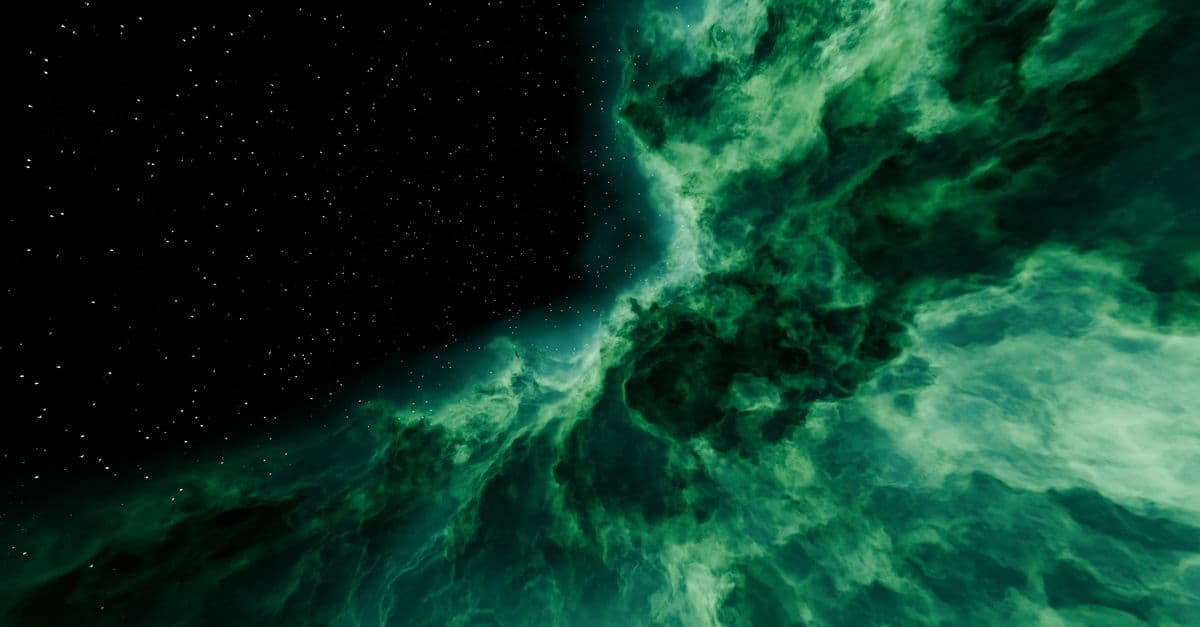
A wormhole — a shortcut through spacetime connecting two distant points — would revolutionize physics, transportation, and our place in the universe. But the physics suggests it would also be unstable, possibly lethal, and almost certainly a one-way trip.
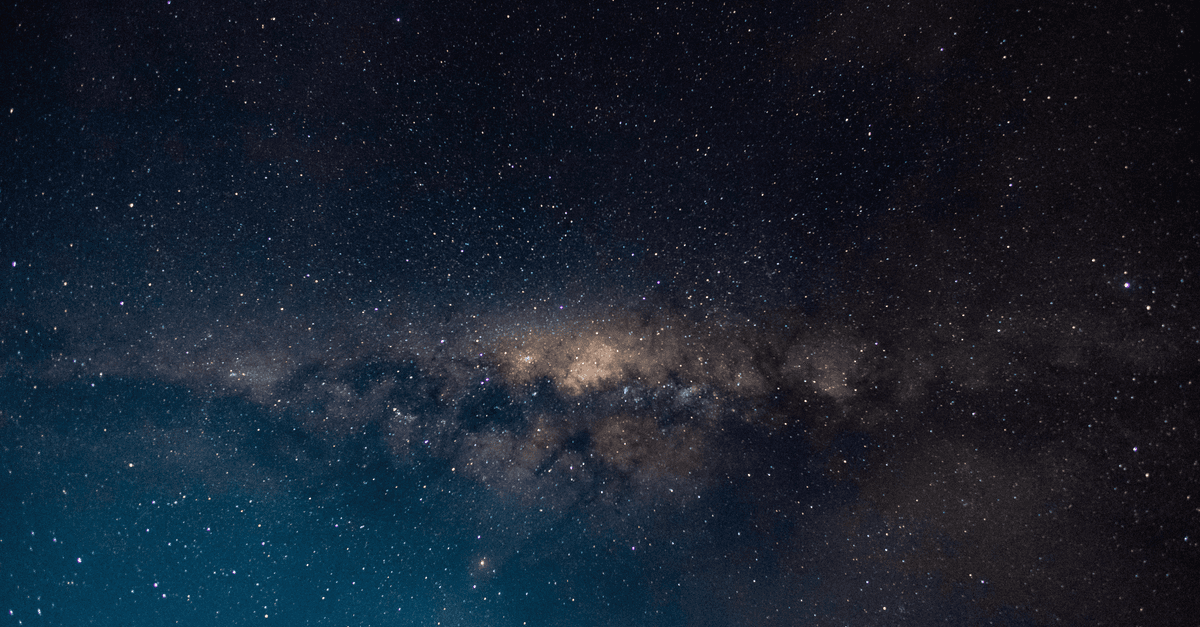
Black holes form through several distinct pathways: massive stars collapsing after fusion ends, neutron star mergers that exceed the mass limit, direct collapse of gas clouds in the early universe, and possibly primordial black holes from density fluctuations just after the Big Bang. Supermassive black holes remain partly mysterious in origin, but likely grew through a mix of heavy seeds, mergers, and accretion.
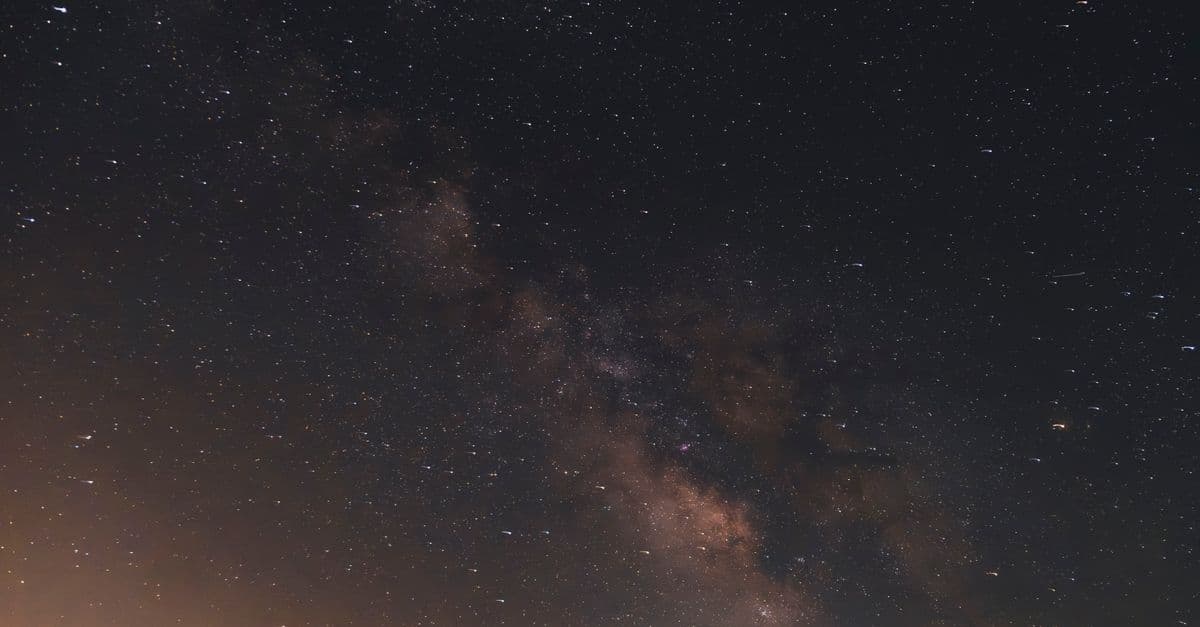
X-ray binaries are binary star systems where a neutron star or black hole pulls gas from a companion star, converting gravitational energy into X-rays with an efficiency that dwarfs nuclear fusion. They are among the brightest X-ray sources in the sky and natural laboratories for extreme physics.