Sustainability
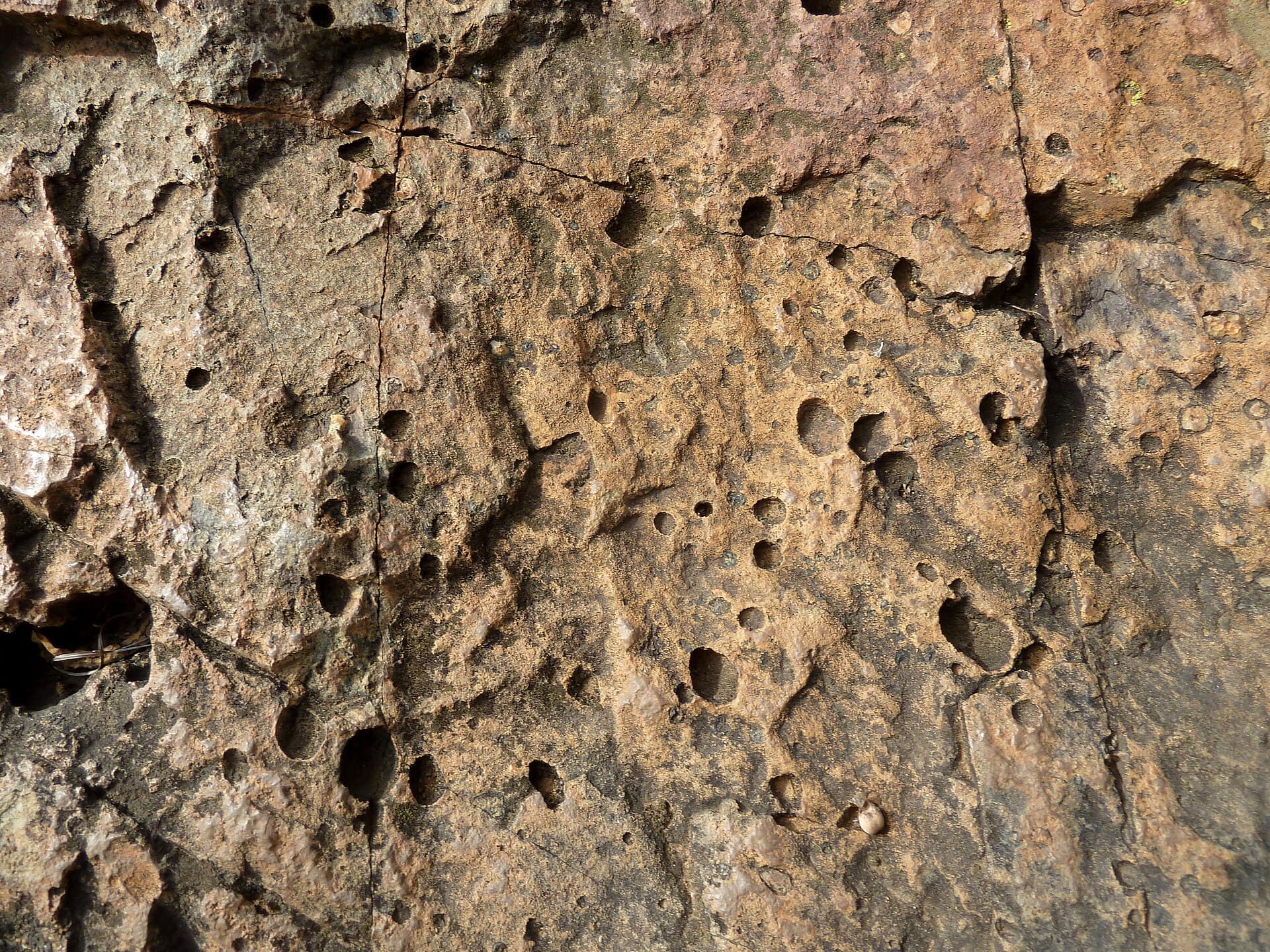
Carbon Mineralization Explained: Turning CO2 Into Stable Carbonate Minerals
Carbon mineralization turns CO2 into solid carbonate rock. How it works, what Iceland's CarbFix showed, and why energy, rate, and MRV decide net removal.
48 articles tagged with #climate
Carbon mineralization turns CO2 into solid carbonate rock. How it works, what Iceland's CarbFix showed, and why energy, rate, and MRV decide net removal.
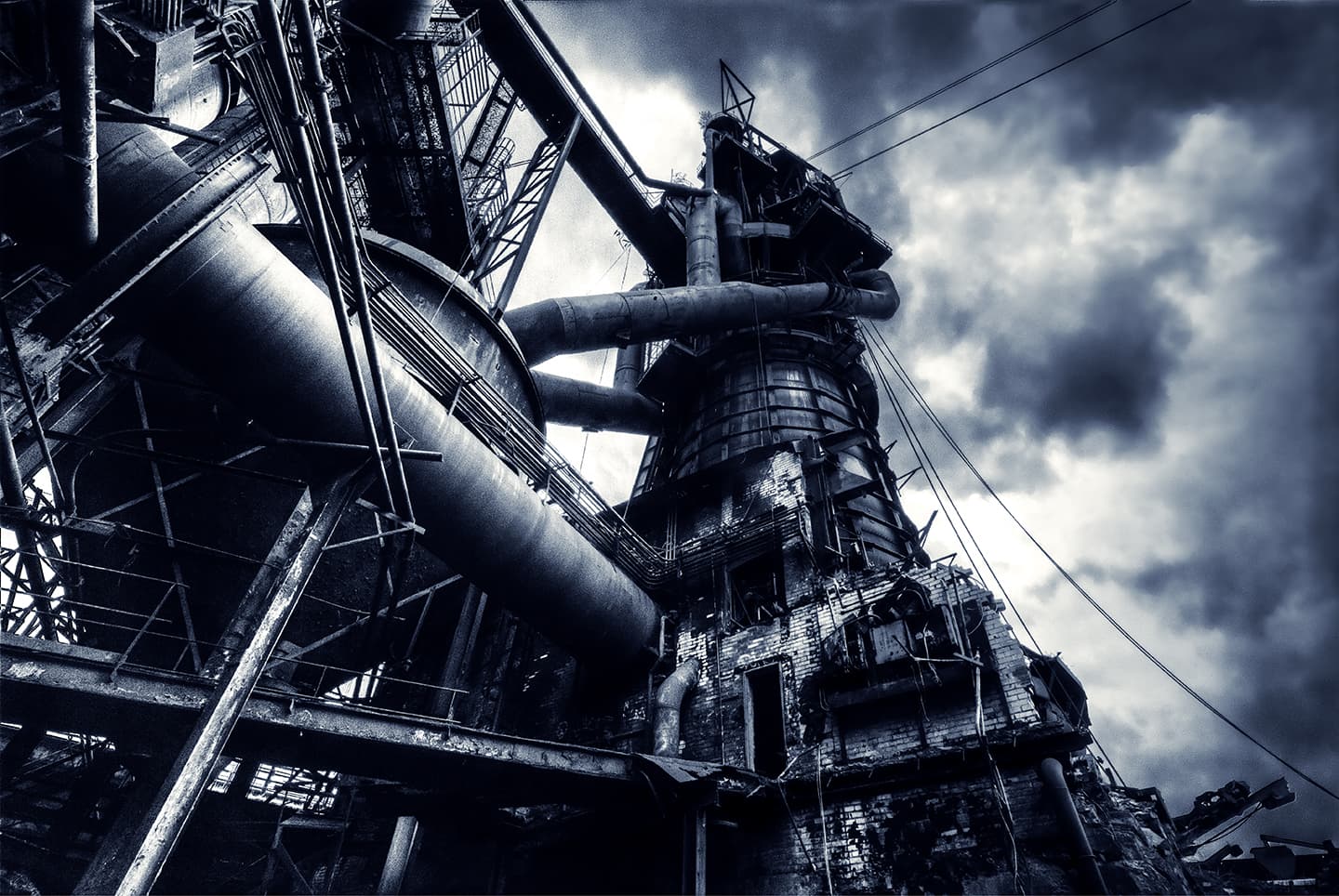
Green steel is made with far less CO2 than blast-furnace steel. How hydrogen direct reduction, scrap and electric arc furnaces work, and what limits them.


Earth's 23.5-degree axial tilt, not its elliptical orbit, is why we have seasons. The tilt means each hemisphere receives more direct sunlight and longer daylight hours for part of the year (summer), then less direct light and shorter days for another part (winter). The two hemispheres always experience opposite seasons simultaneously. Solstices and equinoxes mark the extremes and midpoints of this tilt cycle.

Ask most people to name the world's largest desert and they'll say the Sahara. They're wrong — and the reason why reveals what a desert actually is. A desert is defined by how little water falls from the sky, not by sand or heat. By that definition the single largest desert on Earth is Antarctica: a 14-million-square-kilometre sheet of ice that receives less precipitation than parts of the Sahara. The biggest deserts on Earth are frozen.
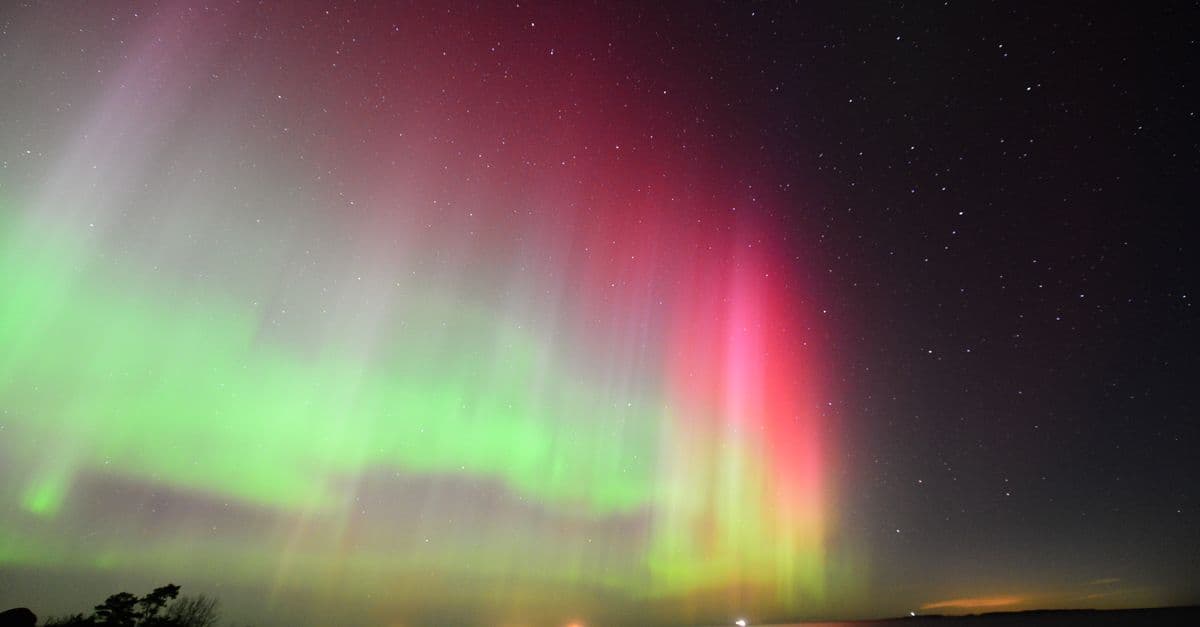
Earth's magnetic field has weakened by about 15 percent in 150 years, according to ESA. What would actually happen if it failed outright, and what is exaggerated?
The strongest surface wind gust ever officially recorded was 408 km/h on Barrow Island, Australia, during Tropical Cyclone Olivia in 1996. But the answer changes if you mean one-minute sustained tropical cyclone winds, tornado winds, jet stream winds, or winds measured away from Earth's surface. This guide explains the real records, why they differ, and how meteorologists verify wind extremes.

A typical text prompt to a current AI chatbot uses a fraction of a watt-hour, but billions of prompts, plus training runs and data center cooling, add up to a real slice of global electricity. This article sorts measured figures from folklore: energy per query, training costs, water, emissions, and how AI compares with other everyday loads.

Direct air capture (DAC) machines pull carbon dioxide out of ambient air with chemical sorbents or solvents, then release it as a pure stream for storage or use. The technology works. The constraint is energy and cost: reported prices run from about $600 to more than $1,000 per tonne, and operating capacity is a tiny fraction of annual emissions.
The average person in a high-income country produces 16 metric tons of CO2-equivalent emissions annually. Half of this comes from four categories: transportation (27 percent), energy (home heating/cooling and electricity, 25 percent), food (14 percent), and consumption (goods and packaging, 14 percent). Reducing your carbon footprint requires action in these four areas. However, the impact varies dramatically. Flying four times per year generates 2 metric tons (12 percent of your footprint); driving 10,000 miles generates 2 metric tons; eating meat 5 times weekly for a year generates 0.5 metric tons. A household reducing driving 50 percent saves 1.5 metric tons per year; switching to a renewable-energy grid saves 2–4 metric tons annually; adopting a plant-dominant diet saves 0.3–1 metric ton per year. This guide ranks reduction actions by real-world impact (based on life-cycle assessment studies and carbon accounting data), separates high-impact actions from feel-good gestures, and addresses the systemic limitations of individual action. The highest-impact step is also the most difficult: reduce air travel. The second-highest is home energy efficiency. The third is dietary shift. Together, these three actions can reduce emissions by 40–60 percent; the remaining 20 actions add incremental improvements.
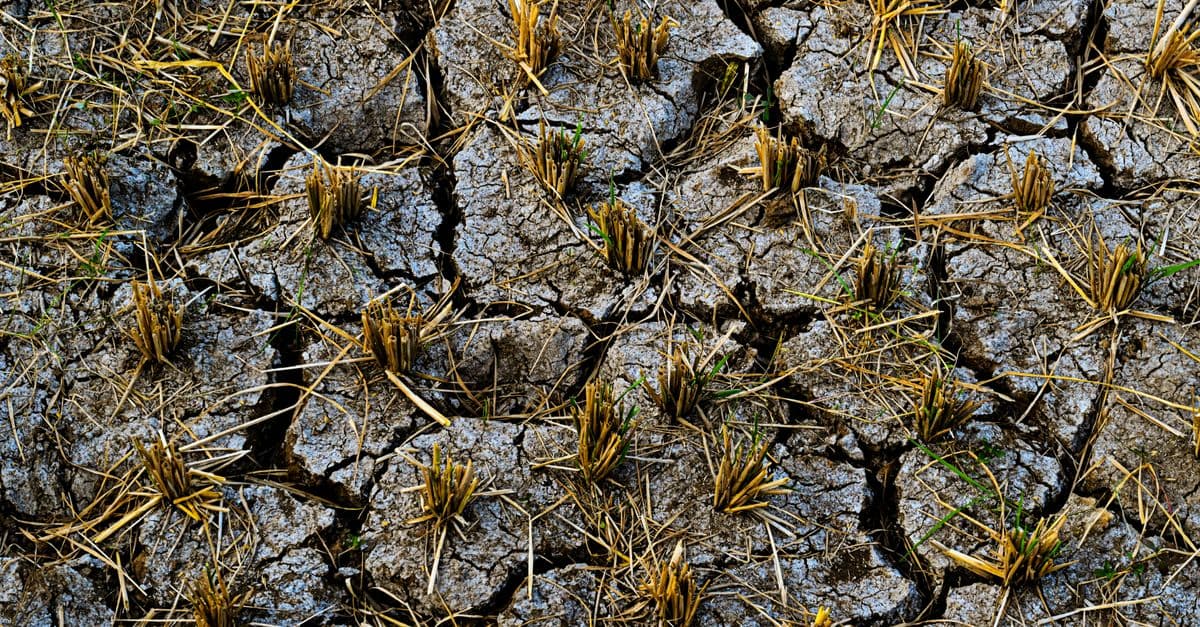
Agriculture uses approximately 70 percent of the world's freshwater. Groundwater aquifers that took thousands of years to fill are being depleted faster than rainfall can refill them. Cape Town came within weeks of running out of municipal water in 2018. The United Nations University declared in 2023 that the world has entered an 'era of global water bankruptcy.' And 2 billion people already live in countries experiencing high water stress. This is not a future problem. It is a present one, with known causes, measurable trends, and available but underdeployed solutions.
Some corners of the Atacama Desert have received no measurable rainfall since weather records began. Others, 400 meters above sea level in northeast India, average nearly 12,000 mm of rain every year — enough to submerge a four-story building. The gap between Earth's driest and wettest places is not just meteorological curiosity. It is a product of ocean currents, mountain geometry, and atmospheric circulation that shapes everything from agriculture to geology to the evolution of life itself.