Skip to content
ISSUE 10.29.26/24 CATEGORIES

earth

21 articles tagged with #earth

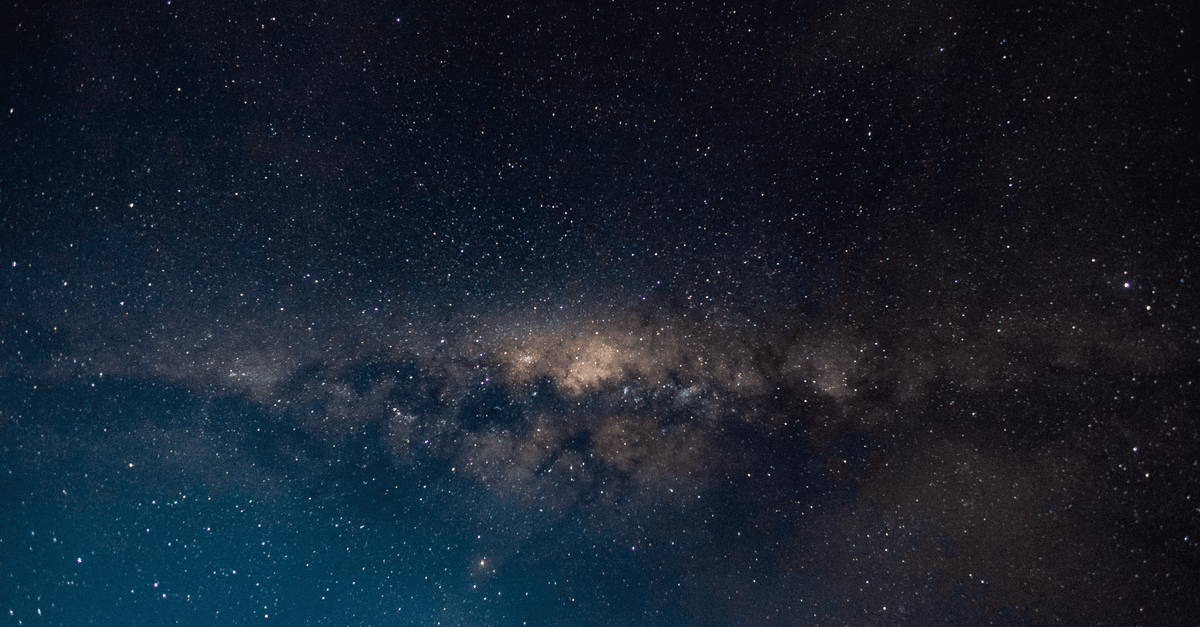
A breathtaking view of the Milky Way galaxy captured from Ephangweni, showcasing a clear, star-filled night sky.
Space

Why Do We Have Seasons? The Science of Earth's Tilt

Earth's 23.5-degree axial tilt, not its elliptical orbit, is why we have seasons. The tilt means each hemisphere receives more direct sunlight and longer daylight hours for part of the year (summer), then less direct light and shorter days for another part (winter). The two hemispheres always experience opposite seasons simultaneously. Solstices and equinoxes mark the extremes and midpoints of this tilt cycle.
Editorial Team·June 26, 2026·16 min
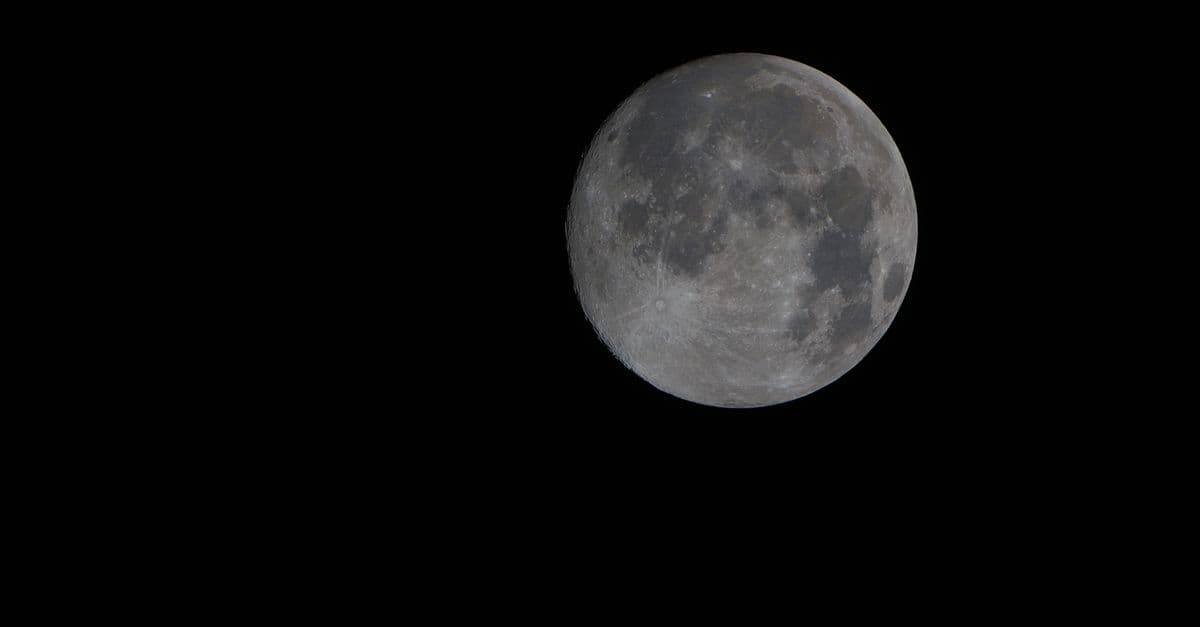
Captivating image of the full moon set against a deep black night sky.
Space

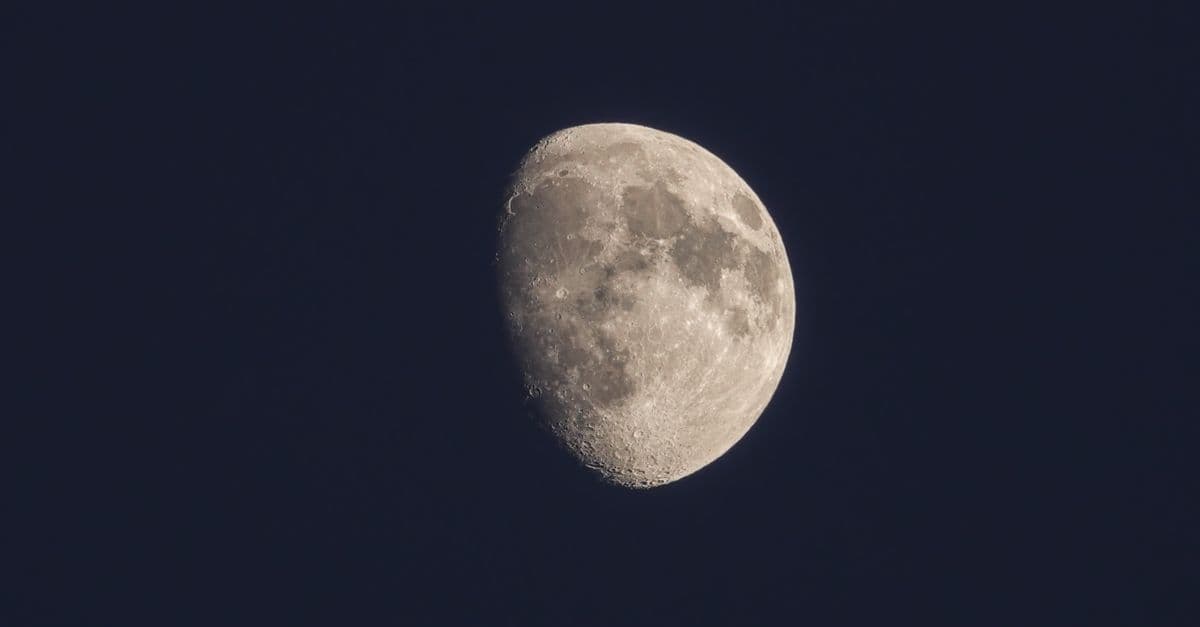
Why Does the Moon Have Phases? The Science Explained

Half the Moon is always sunlit; phases are how much of that lit half we see as the Moon orbits Earth. The synodic month lasts 29.5 days, moving through new, crescent, quarter, gibbous, and full phases. Phases are NOT Earth's shadow—that's an eclipse. The Moon always shows us the same near side due to tidal locking, a gravitational dance between Earth and Moon.

Editorial Team·June 26, 2026·18 min
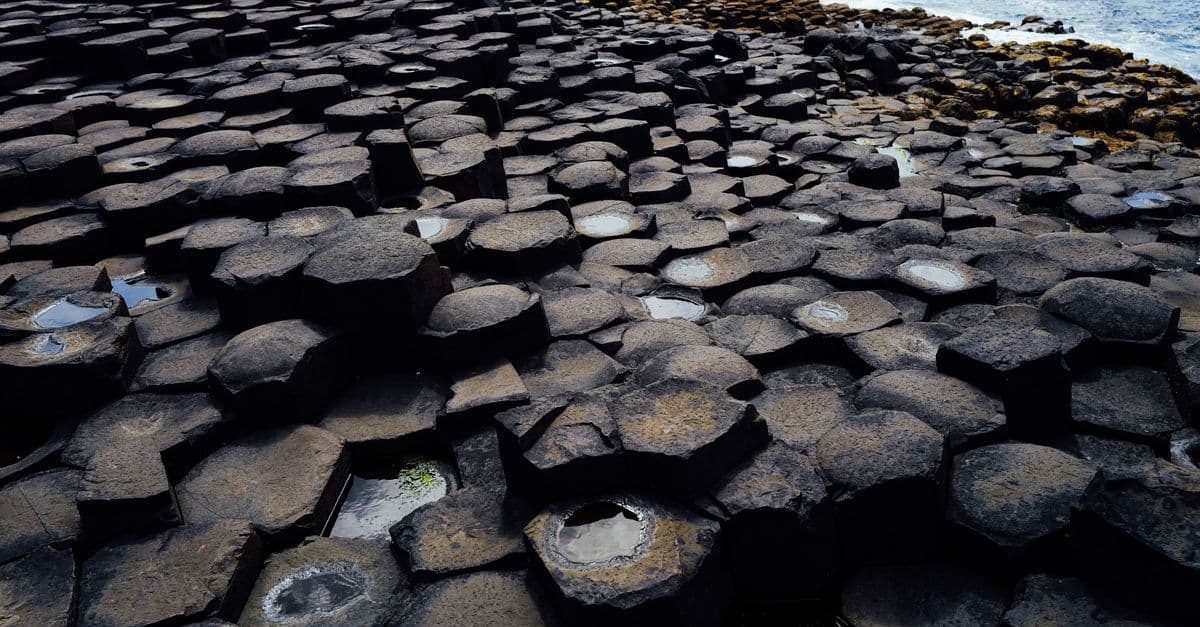
Explore the unique interlocking basalt columns of the Giant's Causeway by the rugged coastline.
World Records

The Oldest Things on Earth: Minerals, Rocks, Trees, and Fossils

A grain of zircon mineral extracted from sandstone in the Jack Hills of Western Australia is 4.404 billion years old — older than most of Earth's crust, older than the oceans, nearly as old as the planet itself. Scientists identified its age by measuring the decay of uranium into lead trapped inside the crystal lattice. That single mineral grain, small enough to balance on a fingertip, is the oldest thing of terrestrial origin ever dated. Earth's age records span minerals, rocks, organisms, fossils, and ice — each type preserved by a different mechanism, each telling a different part of Earth's history.

Editorial Team·June 2, 2026·17 min
A stunning aerial view of rugged cliffs and the ocean with waves crashing against rocks.
What If

What If the Pacific Ocean Disappeared?

The Pacific Ocean covers nearly a third of Earth's surface and holds about half the planet's water. This thought experiment walks through what physics, climate science, and geology say would happen if it vanished — and why the planet has no substitute for it.

Editorial Team·May 7, 2026·20 min
Page 1 of 2Next →