
Science
How Radiometric Dating Works
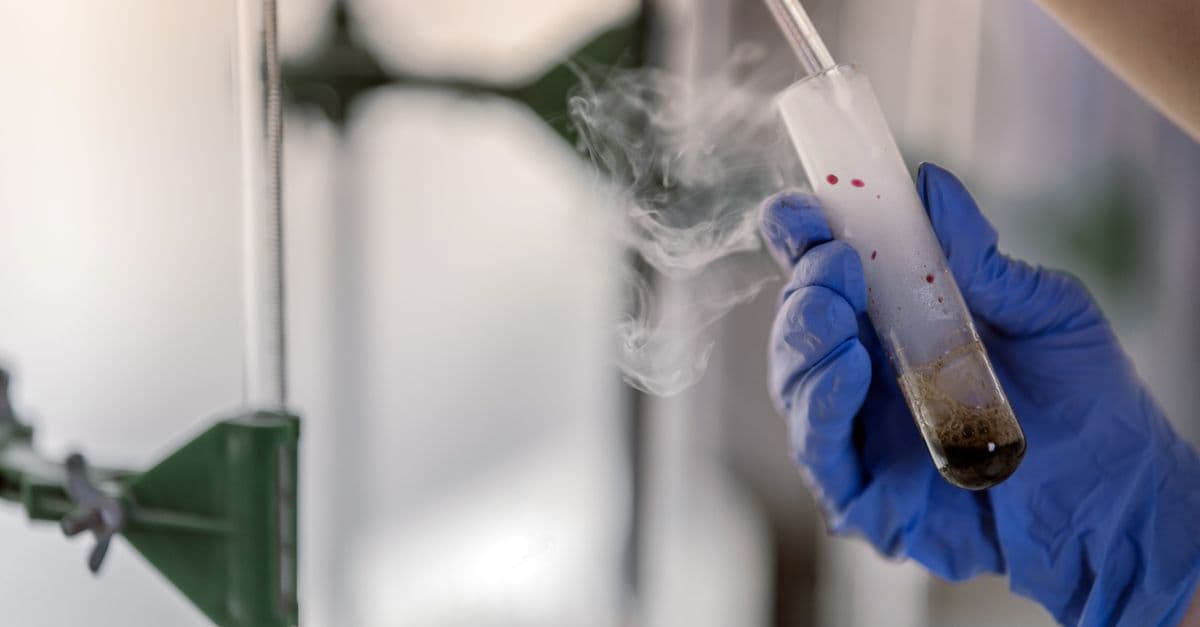
Radiometric dating compares a radioactive parent isotope with its stable daughter, using fixed half-lives to date rocks, fossils, and Earth itself.
18 articles tagged with #earth-science
Radiometric dating compares a radioactive parent isotope with its stable daughter, using fixed half-lives to date rocks, fossils, and Earth itself.
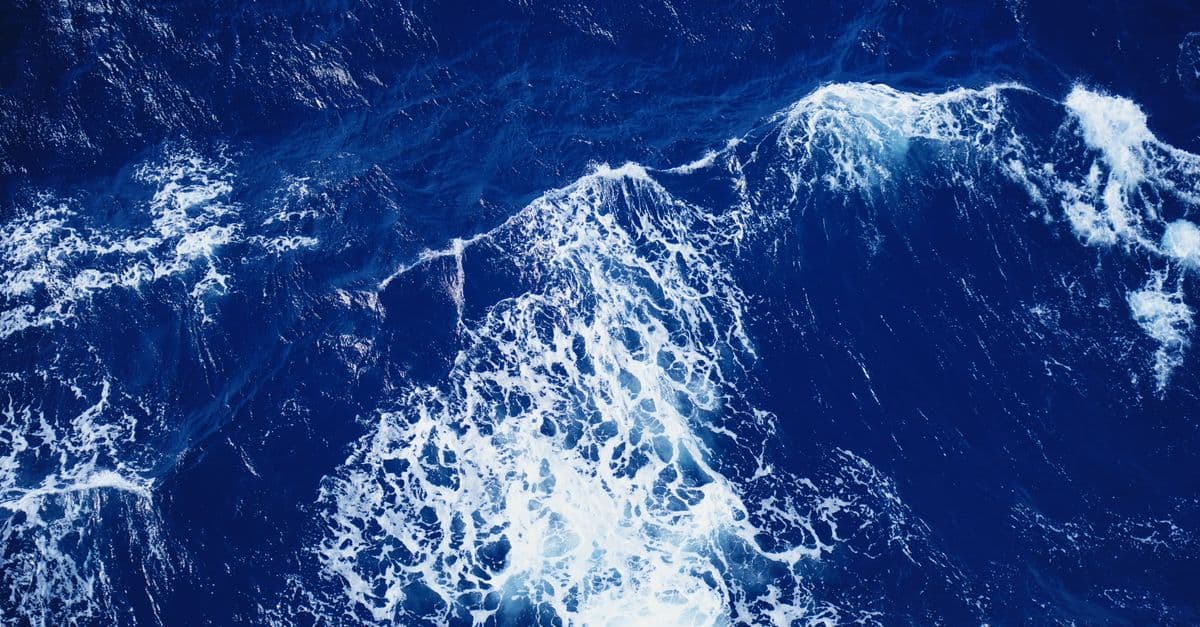
Ocean water is salty primarily because rain and rivers slowly weather rocks on land, dissolving ions like sodium and chloride and carrying them to the sea. When seawater evaporates, water leaves but salts remain and accumulate over geological time. Hydrothermal vents and volcanic activity add dissolved minerals. The ocean sits near steady state, with salt being removed about as fast as it arrives.
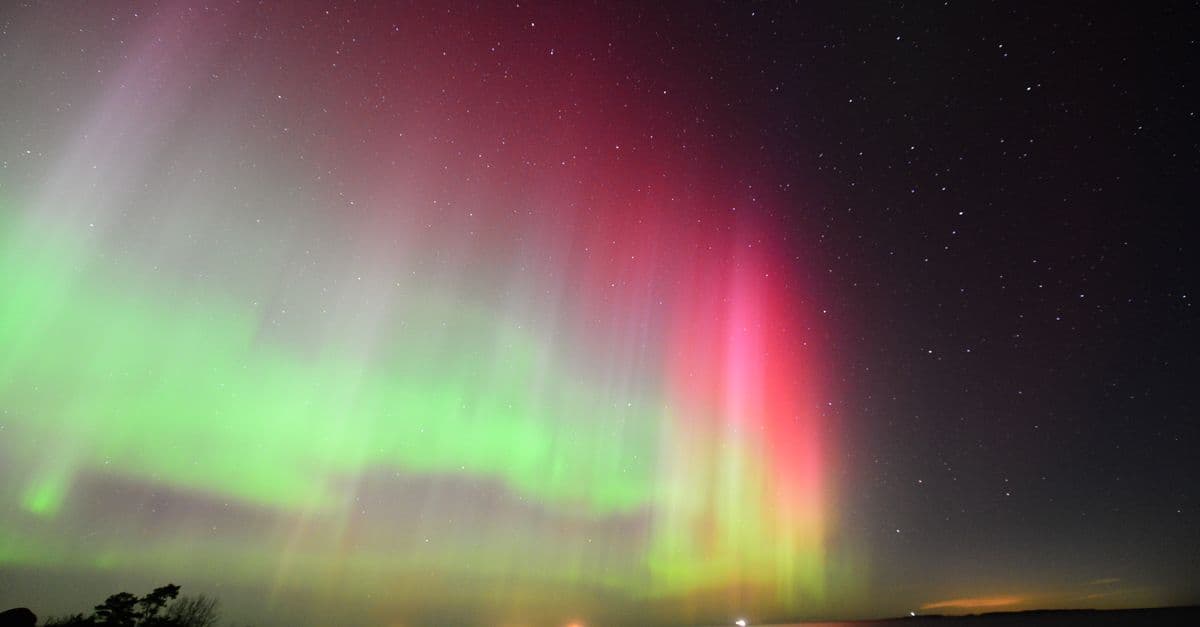
Earth's magnetic field has weakened by about 15 percent in 150 years, according to ESA. What would actually happen if it failed outright, and what is exaggerated?
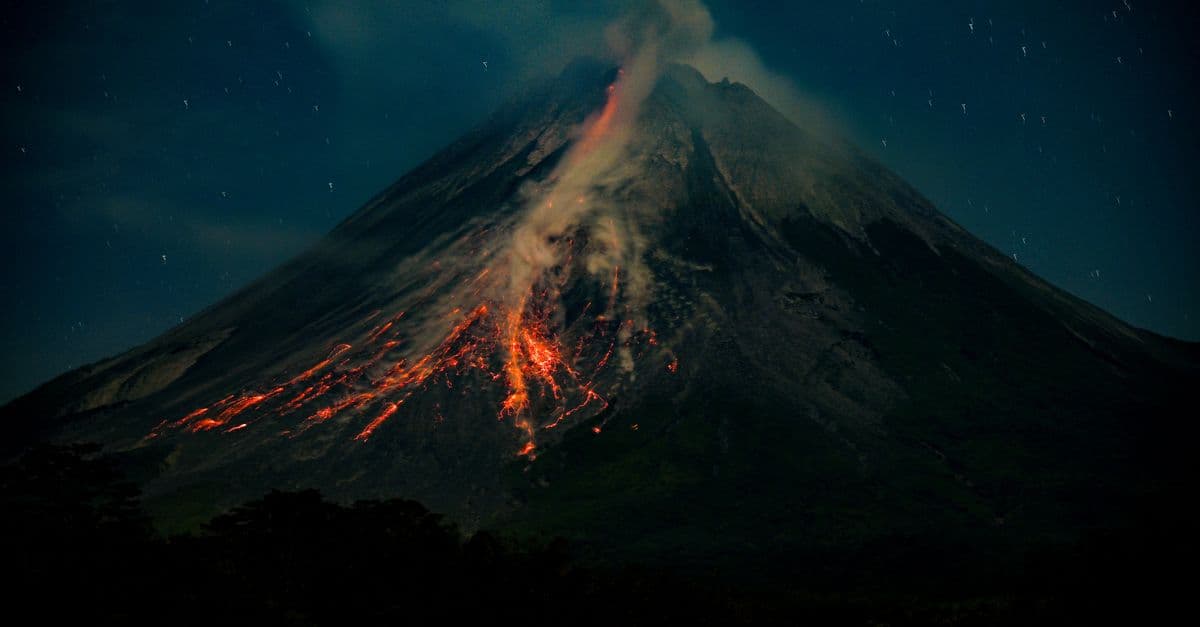
Plate tectonics explained: how Earth's rigid plates move, what drives them, what happens at their boundaries, and the evidence that settled the debate.
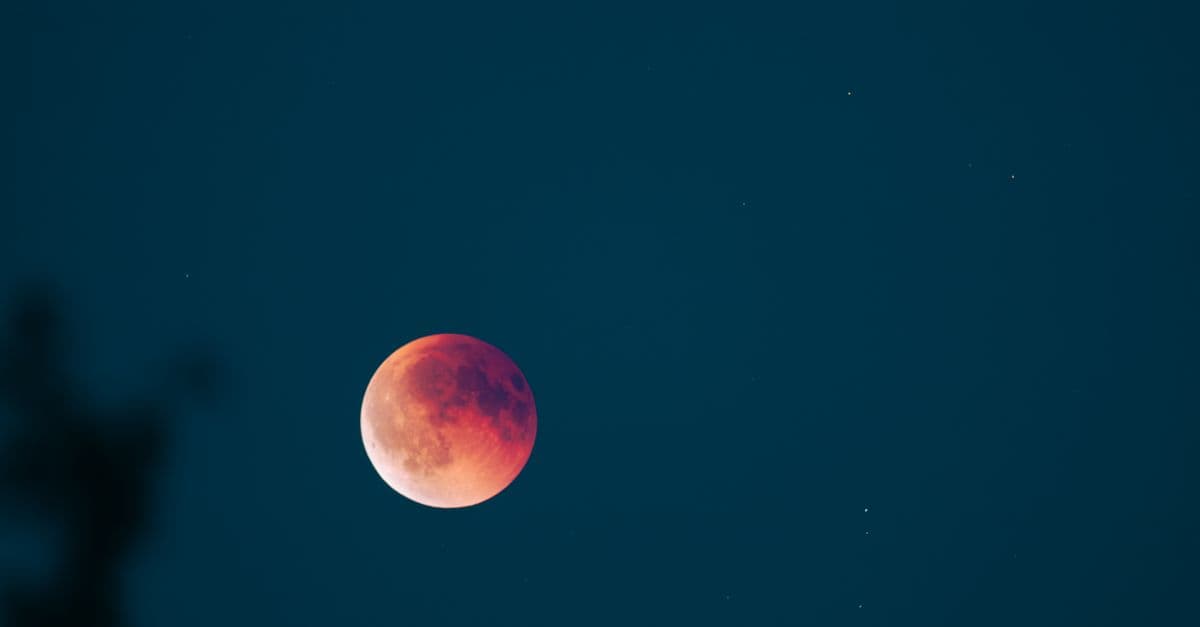
If the Moon vanished overnight, Earth's tides, axial tilt, and life itself would change forever. Here's the science of what happens next.
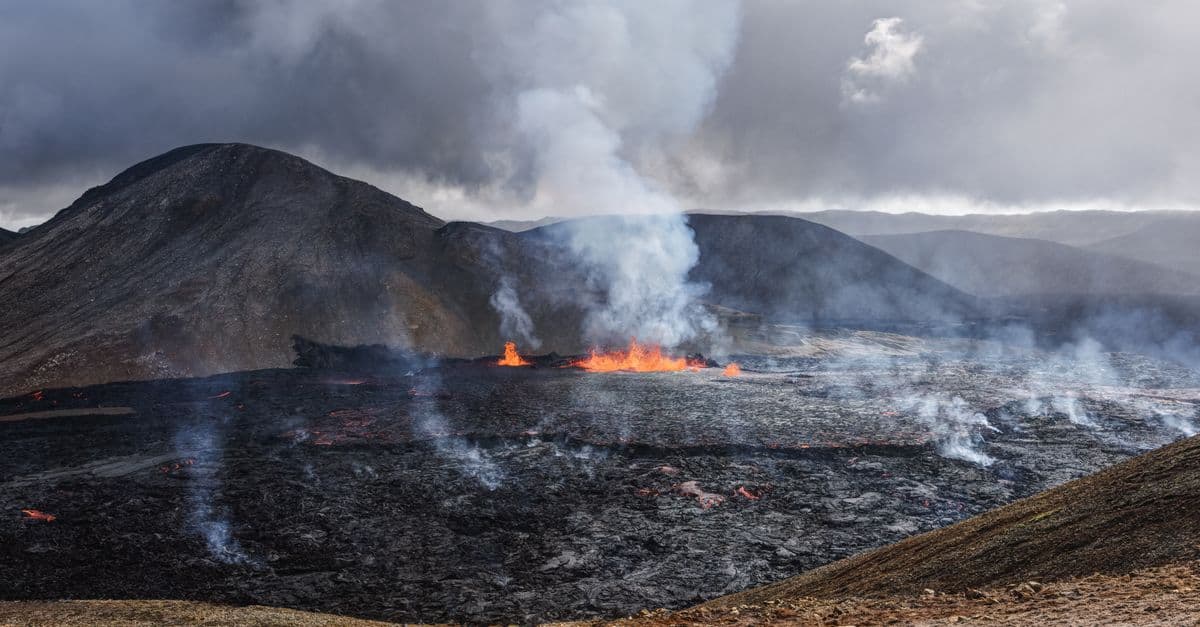
Where magma comes from, why volcanoes form at plate boundaries and hotspots, eruption types, the VEI scale, and how scientists monitor them.
How shifting tectonic plates cause earthquakes, why we measure them with moment magnitude, and why prediction is still impossible.
Glaciers cover about 10% of Earth's land surface and store roughly 69% of all the world's freshwater. They also hold one of the clearest records of Earth's climate history — and they are disappearing at rates that were considered worst-case scenarios just 20 years ago.
A teaspoon of productive soil can hold hundreds of millions of bacteria. Soil is not dirt: it is a living ecosystem that takes a very long time to build and can be lost within a generation of poor management.
Forests cover about 31% of Earth's land and shelter more than half of its land animal and plant species. But a forest is not just trees: it is a layered, networked system that took millennia to assemble.
The same water molecules that fell as rain on ancient Rome may be in your glass today. The water cycle has run continuously for billions of years — but humans are now reshaping it in measurable ways.