jupiter
9 articles tagged with #jupiter
Experiments
The Voyager Grand Tour Explained
Voyager used rare planetary alignment, gravity assists, and durable engineering to transform knowledge of the outer Solar System.
Space
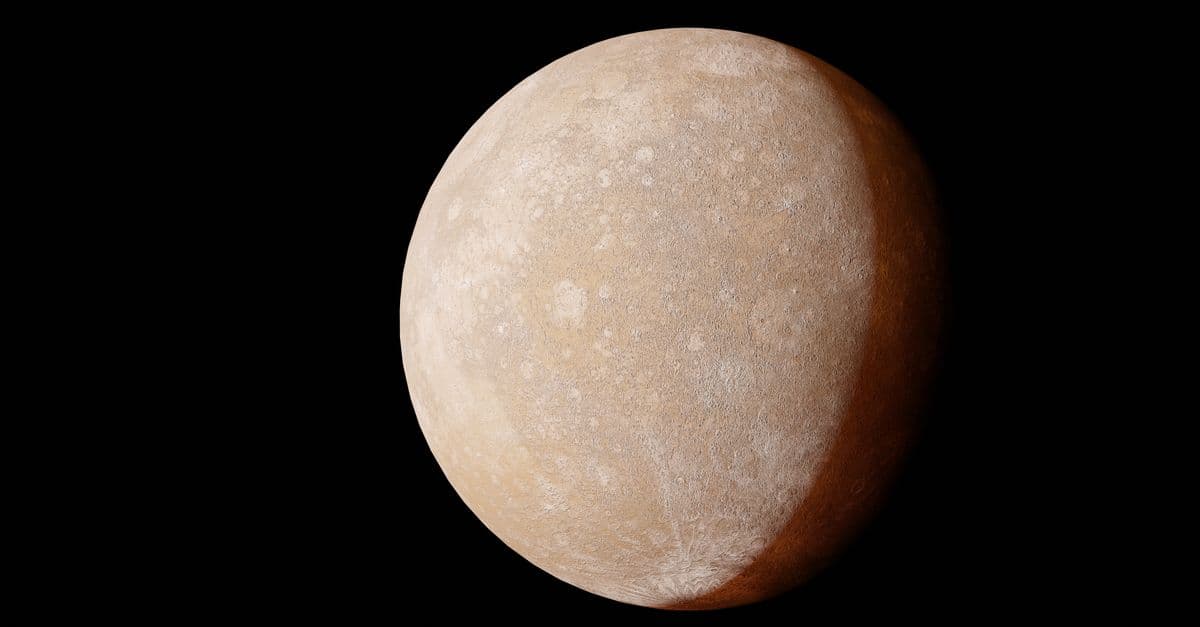
Ganymede: The Largest Moon Is Also an Ocean World
Ganymede is bigger than Mercury, has its own magnetic field, and hides a saltwater ocean containing more water than all of Earth's surface oceans combined. It took a Hubble telescope observation of auroral lights rocking back and forth to prove it.
Space
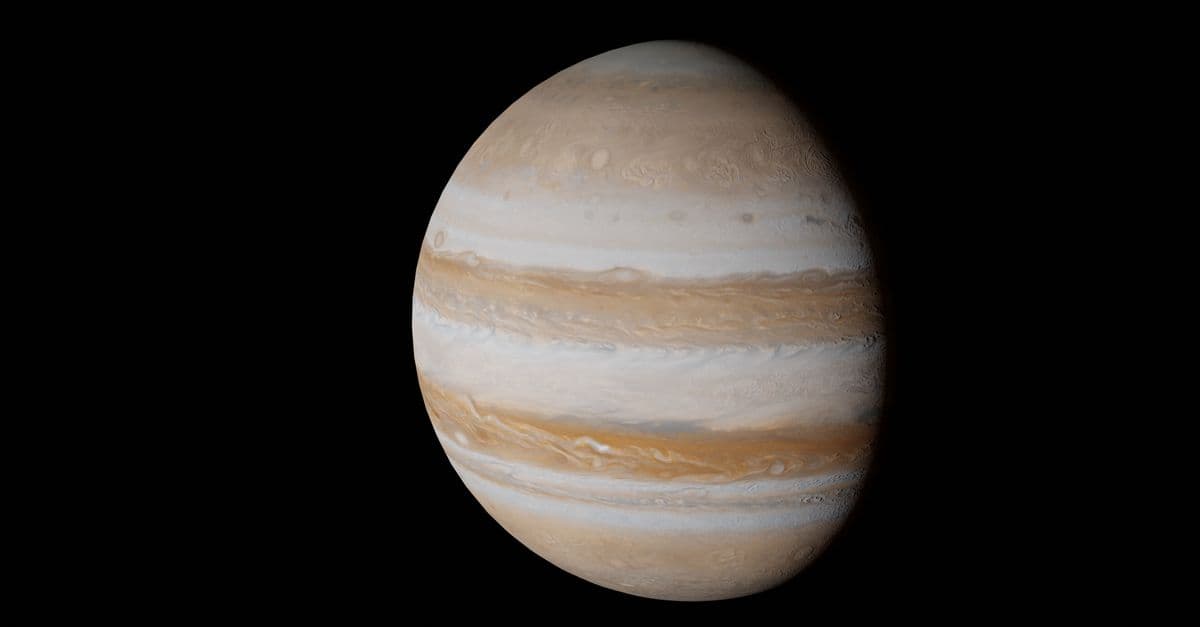
Jupiter's Auroras: The Most Powerful Light Show in the Solar System
Jupiter's auroras are not scaled-up versions of Earth's. They run mostly on plasma from the volcanic moon Io and on the planet's own rapid spin, and they glow in ultraviolet, infrared, and X-rays whether or not the Sun is active.
Space
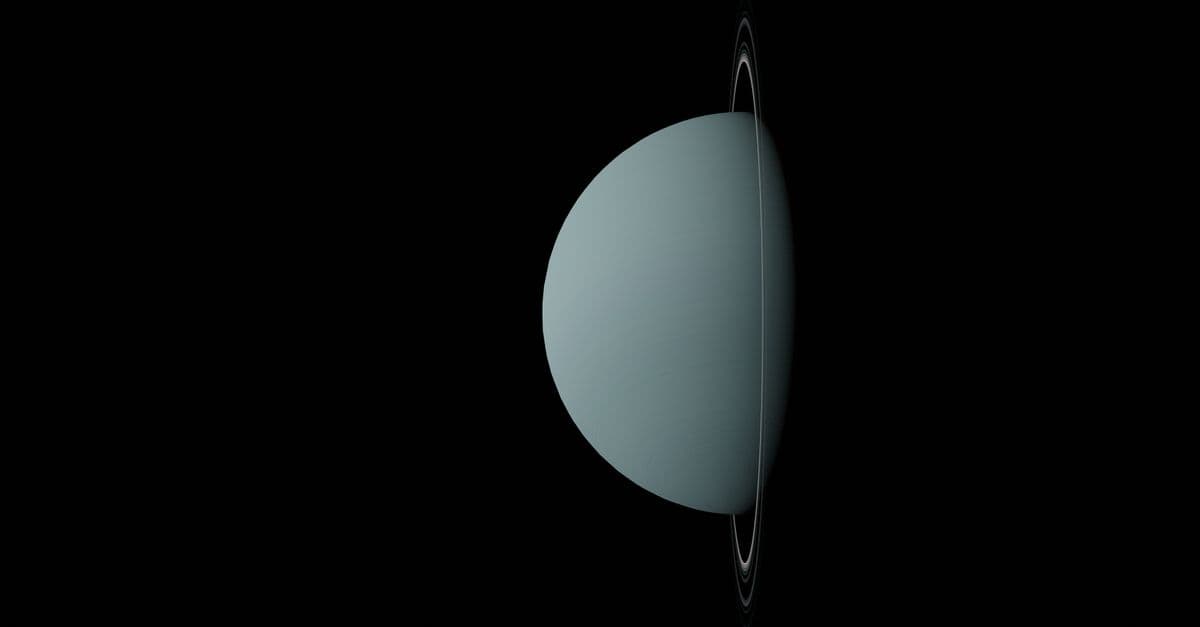
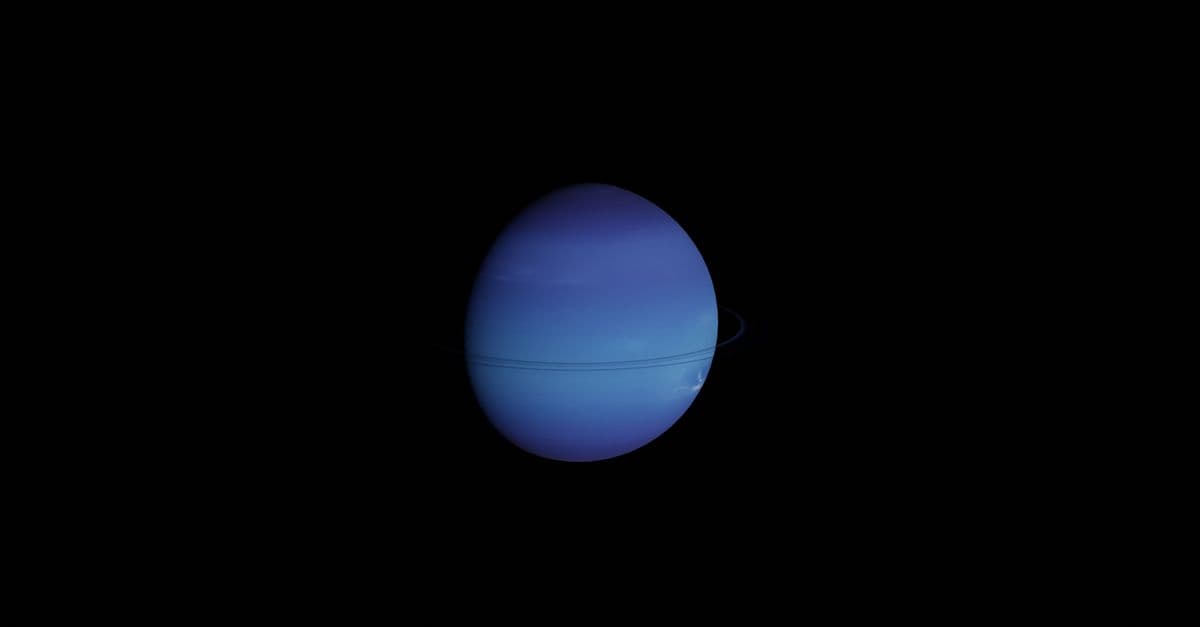
Planetary Rings Explained: Not Just Saturn
Saturn's rings are the solar system's most famous structure, but they are far from unique. Uranus has 13 dark, narrow rings discovered by accident in 1977. Neptune has incomplete arcs instead of full circles. Jupiter has a faint ring made of dust blasted off its innermost moons by meteorite impacts. All four giant planets have rings — and they all work differently. Saturn's may be geologically young, which raises a question nobody has fully answered: where did they come from?
Space
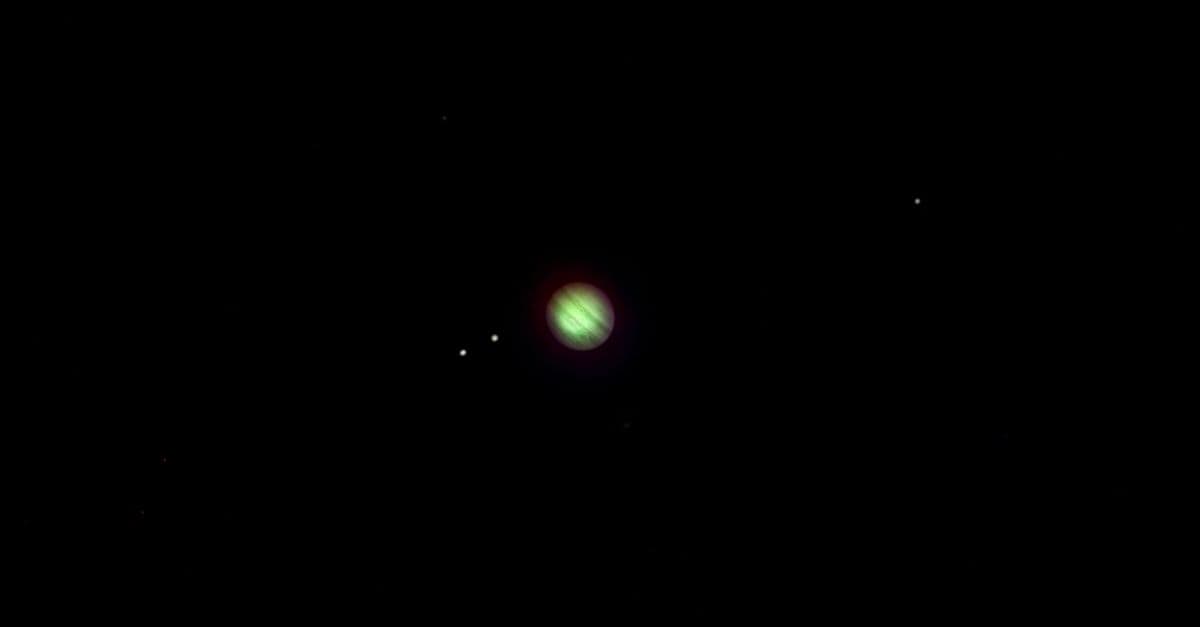
The Great Red Spot: Science Behind Jupiter's 350-Year Storm
Jupiter's Great Red Spot has been spinning continuously for at least 350 years — longer than the United States has existed. It reaches 500 km deep, its color comes from chemistry that scientists still argue about, and it has been shrinking for a century. But it is not dying. Here is what we actually know.
What If
What If Jupiter Became a Star?
Jupiter is sometimes called a 'failed star' — but it would need to be 80 times more massive to ignite hydrogen fusion. If we somehow gave it enough mass, our solar system would gain a faint red dwarf companion, and Earth would barely notice.
Space
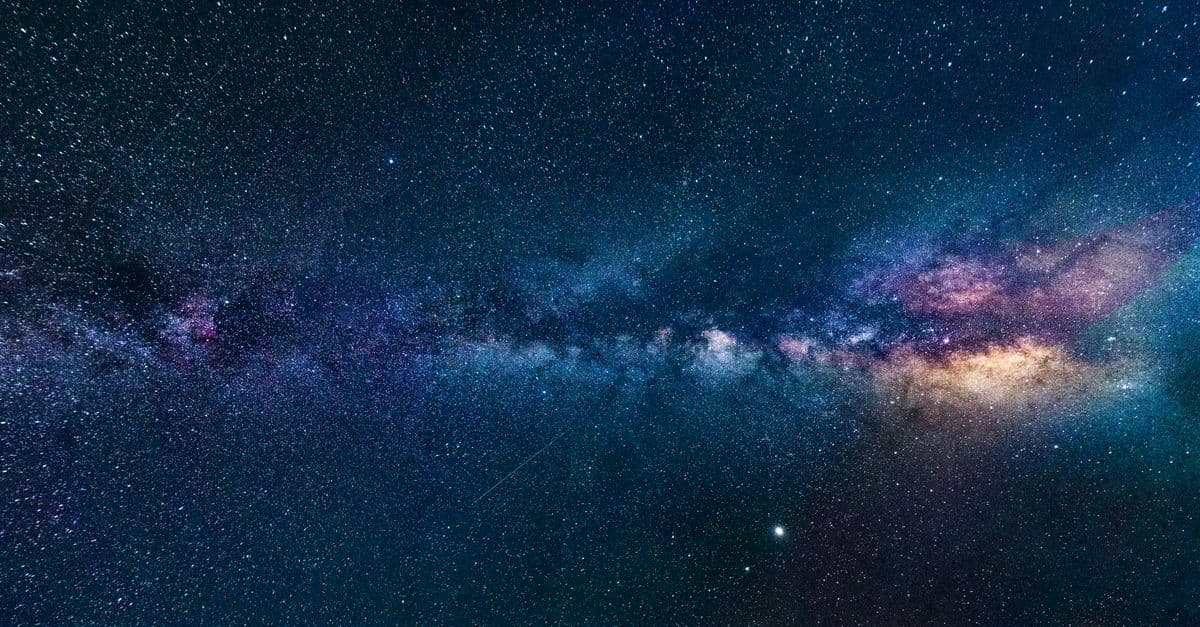
Voyager 1 and 2 — The Most Distant Human-Made Objects in Space
Launched in 1977, the two Voyagers are still flying. Voyager 1 is now over 25 billion km from Earth, both have entered interstellar space, and they carry a golden record meant for any aliens who might find them.
Space
The Search for Life on Europa and Enceladus — The Ocean Moons
Beneath the icy crusts of Europa and Enceladus lie liquid water oceans that have existed for billions of years. They might be the best places to find alien life in our Solar System.