jwst
21 articles tagged with #jwst
Space
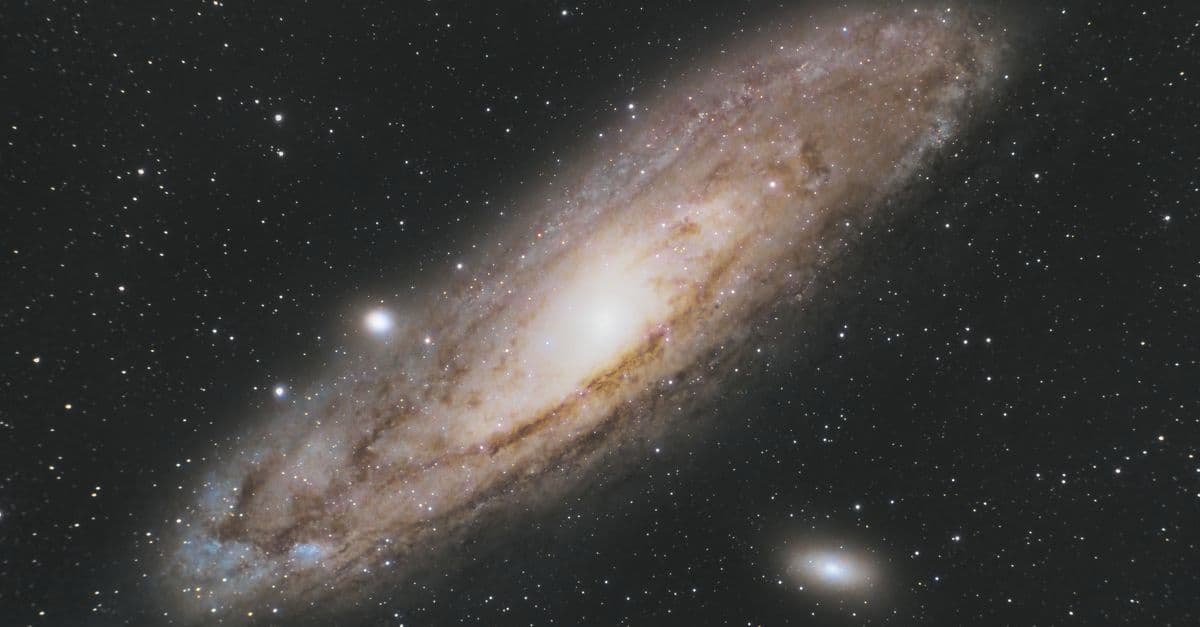
How Space Telescopes See the Early Universe
Space telescopes do not look back in time by magic. They collect ancient light stretched by cosmic expansion. Here is how redshift reveals the early universe.
Space
Most Important Space Missions of the 2020s
From JWST and Artemis to asteroid samples and planetary defense, these missions are changing what humanity knows and can do in space.
Space
Nearest Exoplanets That Could Host Life
A guide to the nearest potentially habitable exoplanets, from Proxima b to TRAPPIST-1e, what JWST has found, and why 'habitable' rarely means confirmed.
Space
JWST's WASP-39b: First Clear CO₂ in an Exoplanet Atmosphere
In 2022, the James Webb Space Telescope returned the first clear, detailed evidence of carbon dioxide in a planet outside the solar system. The same planet later gave up sulfur dioxide made by starlight chemistry, water, carbon monoxide, sodium, and potassium, and showed that its morning and evening edges differ.
Space
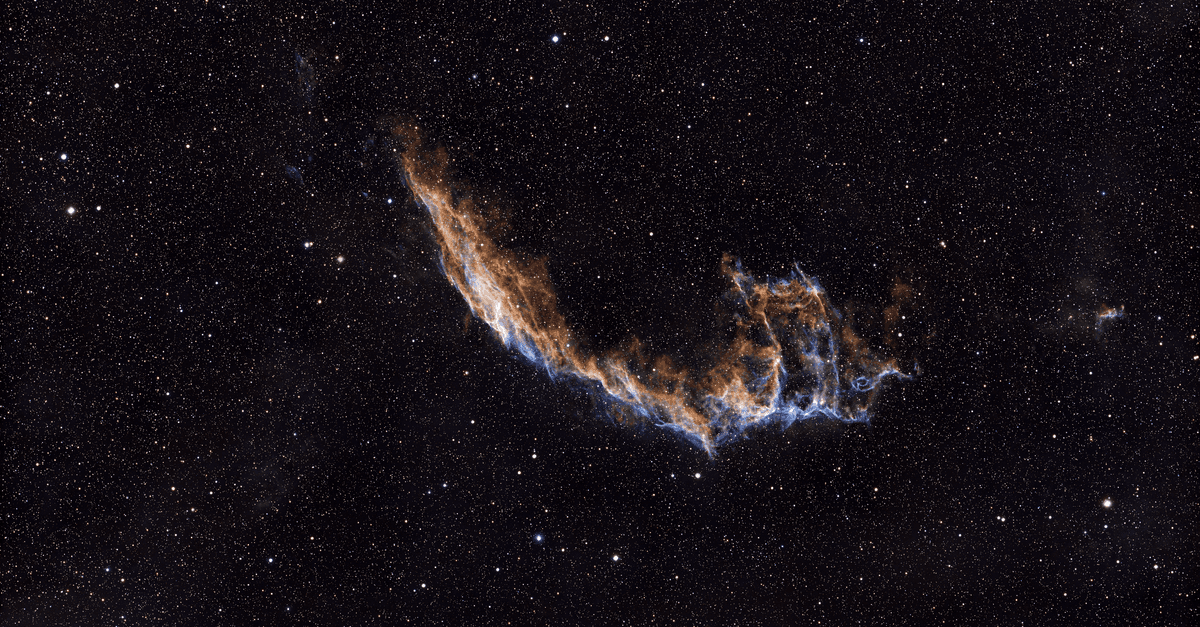
Stellar Nurseries: How Stars Are Born in the Dark
The Pillars of Creation are not killing stars — they are building them. Inside those towering columns of cold gas, dense knots called Bok globules are collapsing under their own weight, heating up toward nuclear ignition. The James Webb Space Telescope, in 2022, showed us the newborn stars Hubble never could.
Space
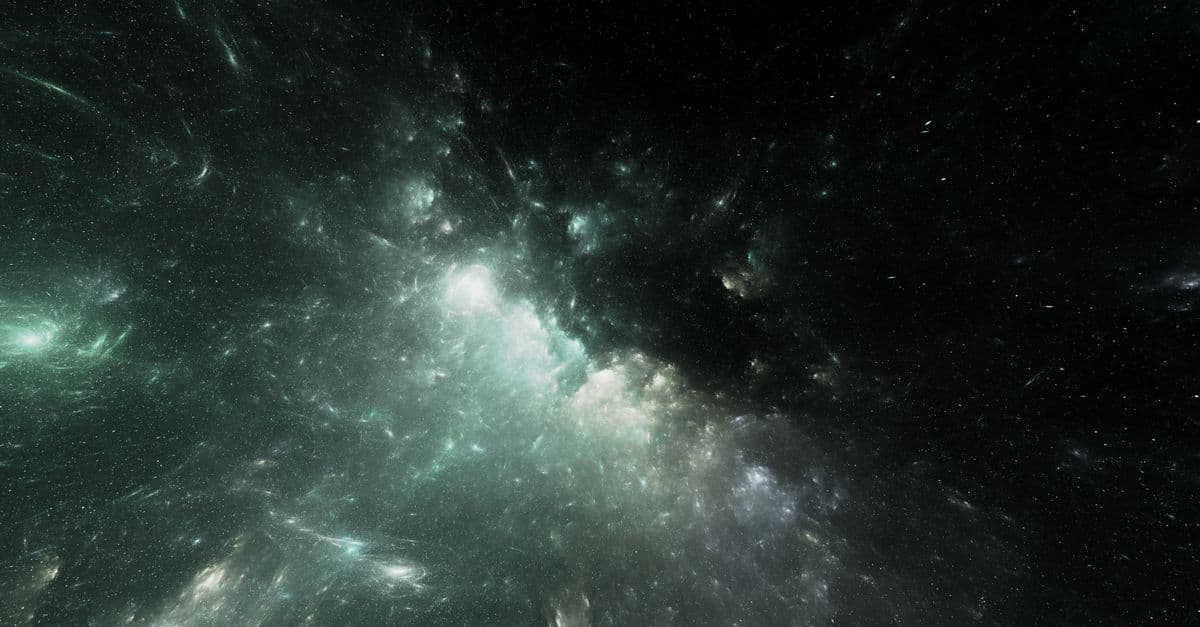
Cassiopeia A: The Youngest Supernova Remnant in the Milky Way
Cassiopeia A is the expanding debris field of a star that exploded around 1680 CE — yet almost no one on Earth recorded it. Today, X-ray and infrared telescopes reveal a forensic masterpiece: shock waves, newly minted heavy elements still glowing from the blast, and a neutron star cooling at the center. Cas A is not just a beautiful object. It is the best laboratory we have for understanding what supernovae actually do to the universe.
Space
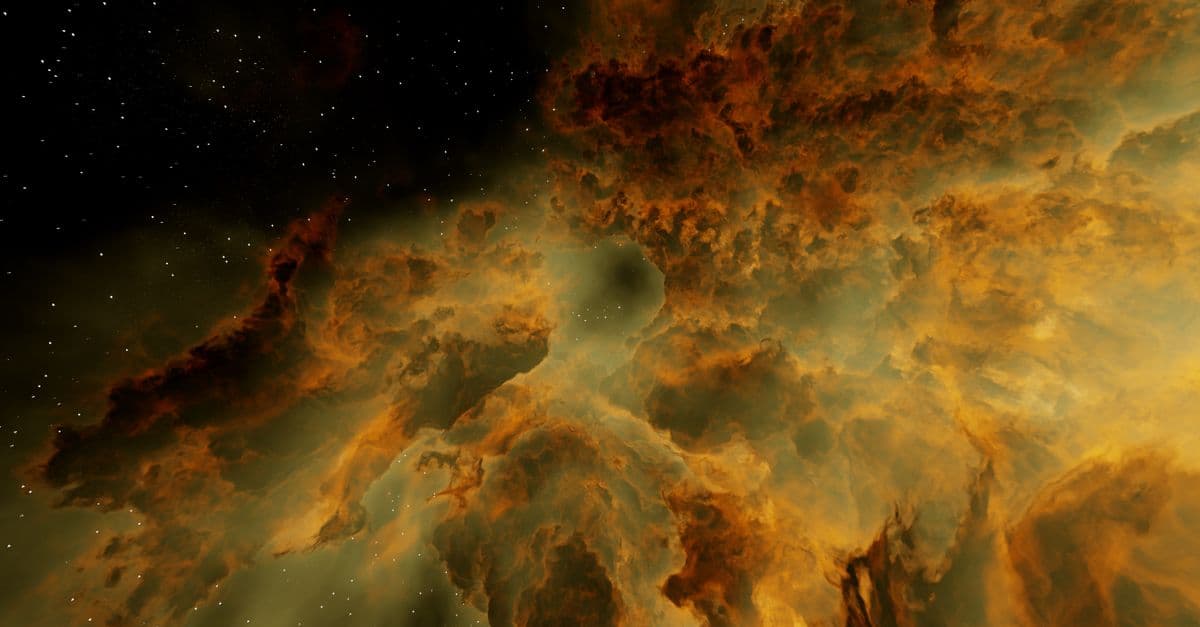
The Exoplanet Atmosphere Revolution: What JWST Has Found So Far
For most of the history of exoplanet science, astronomers could detect planets but not smell them. They could measure orbital periods, estimate masses, and infer temperatures — but the chemical composition of another world's atmosphere was almost entirely out of reach. JWST changed that. In its first two years, it detected carbon dioxide on a gas giant 700 light-years away, found evidence of methane and CO₂ on a possible ocean world 120 light-years out, and ruled out thick atmospheres on the rocky TRAPPIST-1 planets — all using a technique called transmission spectroscopy that is as elegant as it is precise.
Space
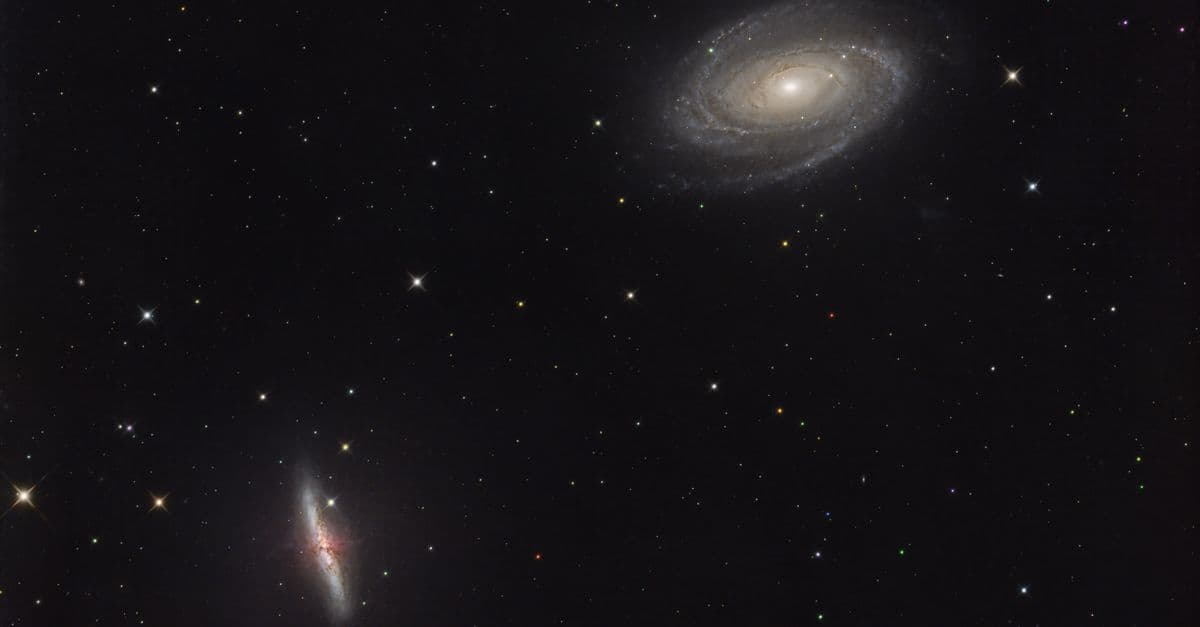
The Orion Molecular Cloud: Our Closest Star Factory
At 1,300 light-years away, the Orion Molecular Cloud complex is the nearest site of massive star formation to Earth — a sprawling 240-light-year structure that contains everything from freshly ignited hot young stars to protoplanetary disks still assembling into planets. JWST has turned it into the best-resolved stellar nursery in the observable universe.
Space
What James Webb Telescope Has Actually Found (2022–2026) — The Discoveries That Rewrote Astronomy
JWST's confirmed discoveries from 2022 to 2026: ancient galaxies too massive for theory, exoplanet biosignature debates, star formation in infrared, and solar system science.
Page 1 of 2Next →