Space
James Webb Space Telescope: First Images Transform Our Universe View
July 2022: JWST's first images revealed galaxies 13.6 billion light-years distant, formed just 100 million years after the Big Bang, reshaping cosmology.
21 articles tagged with #jwst
July 2022: JWST's first images revealed galaxies 13.6 billion light-years distant, formed just 100 million years after the Big Bang, reshaping cosmology.
Telescopes can read the chemical fingerprints of atmospheres on planets hundreds of light-years away using transmission spectroscopy — splitting light into a spectrum that reveals which molecules are present. Finding oxygen, ozone, or methane in the right combination could indicate life, but interpreting these signals without false positives is enormously complex.
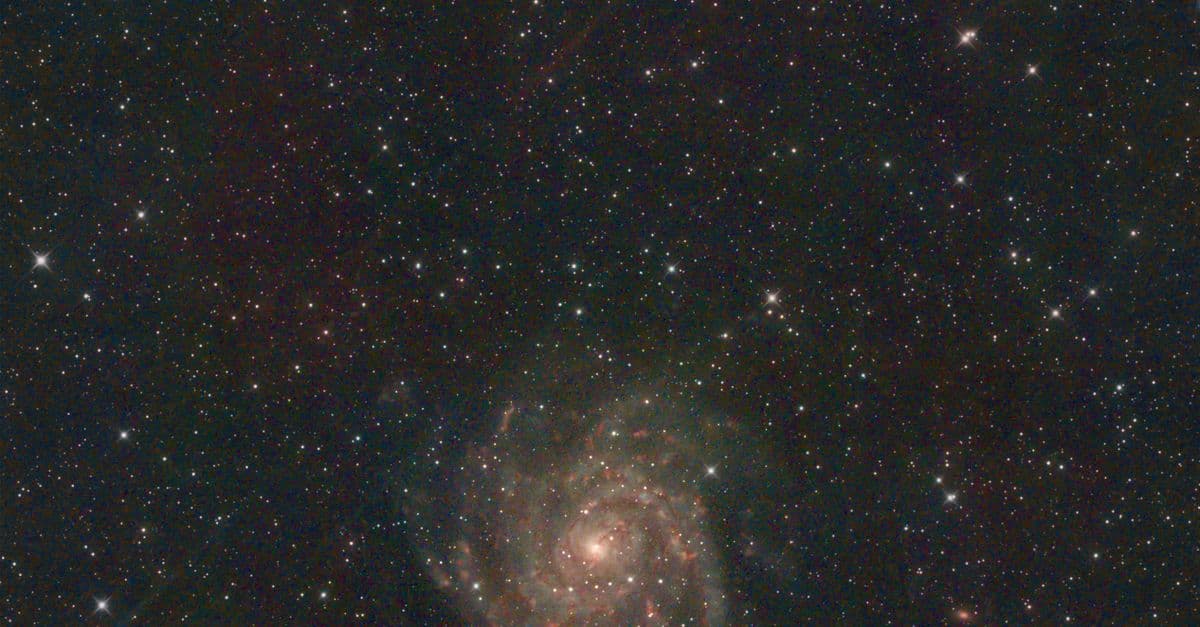
Galaxies are not static objects. They grow, merge, transform, and eventually fall quiet. Over 13.8 billion years the universe has gone from small, chaotic protogalaxies to the spirals and giant ellipticals we see today, and tracing that transformation is one of astronomy's deepest challenges.
After the Big Bang's fireball faded, the universe entered a dark age lasting hundreds of millions of years — no stars, no galaxies, just a sea of neutral hydrogen. Then the first stars ignited, and their ultraviolet radiation gradually reionized the cosmos in one of the most dramatic phase transitions in cosmic history.
Astronomers have found thousands of exoplanets. An Earth-sized planet in a habitable zone isn't exotic anymore. But a true Earth twin — similar size, similar temperature, liquid water, an oxygen atmosphere — would be something else entirely. Here's what would happen if we found one.
There are five special spots in every two-body gravitational system where a smaller object can park itself and stay put. Here is the math, the missions, and the cosmic hitchhikers that have been using these parking spots for billions of years.
NASA's archive now lists more than 6,000 planets around other stars, almost all found without seeing them directly. Here's the physics that lets astronomers detect tiny worlds across thousands of light-years.
The observable universe is 93 billion light-years across. The full universe is bigger — possibly infinitely so. Here's what we can measure, what we can't, and why.
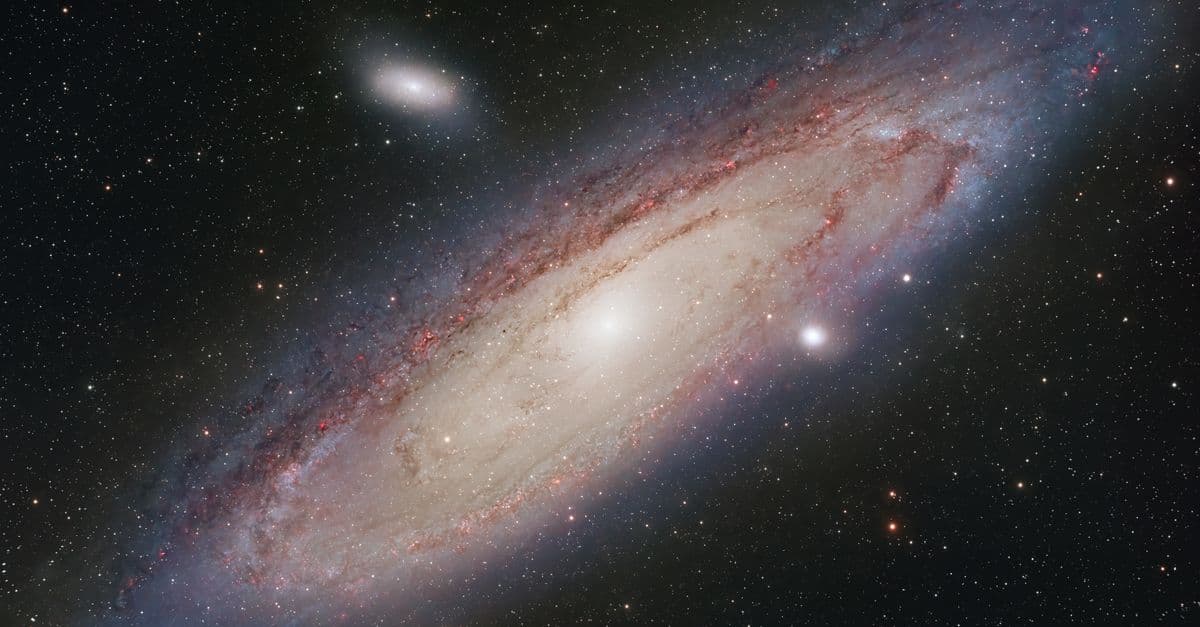
JWST sits 1.5 million kilometers from Earth, sees light from galaxies 280 million years after the Big Bang, and is actively rewriting cosmology. Here's how the most ambitious telescope ever built actually works, and what it has found through 2026.