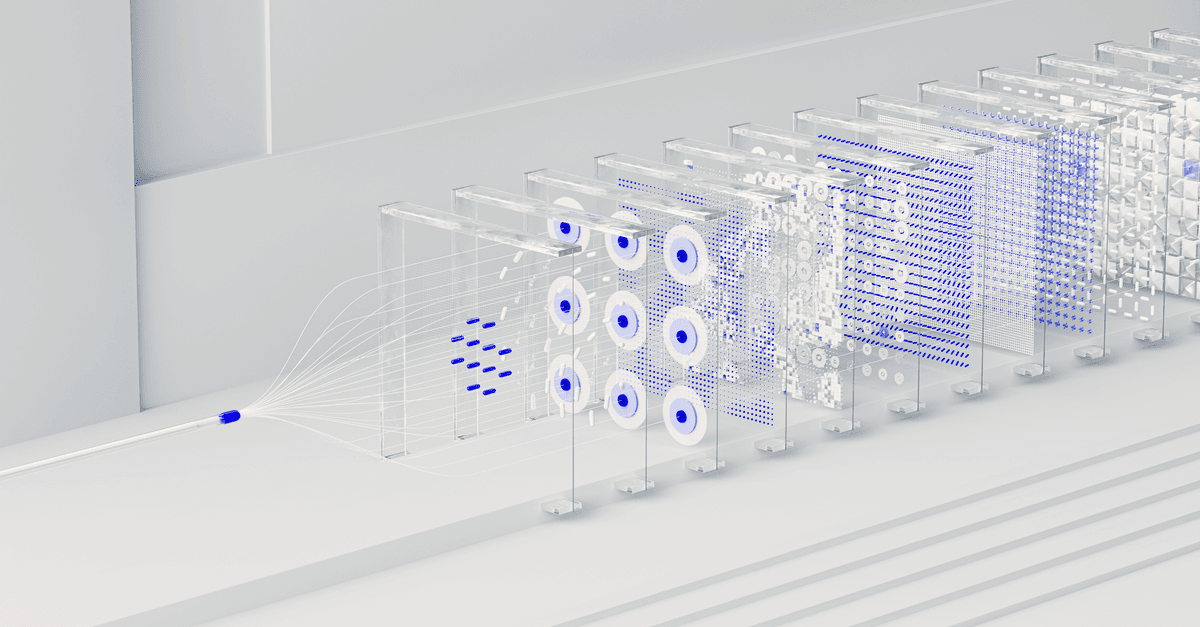
Neural Networks and Solar Storm Prediction: AI Watches the Sun to Protect Earth
A powerful solar storm could knock out global power grids and satellites. Neural networks are our early warning system against the Sun's most destructive outbursts.
35 articles tagged with #NASA

A powerful solar storm could knock out global power grids and satellites. Neural networks are our early warning system against the Sun's most destructive outbursts.

Sleeping in a sleeping bag on a wall, recycling urine into drinking water, and exercising to save your bones. This is life in space.

Launched in 1977, Voyager 1 and 2 are now in interstellar space — and still phoning home after nearly five decades.

Mars rovers like Perseverance use onboard AI to navigate treacherous terrain, select science targets, and survive a 20-minute communication delay from Earth.

Hubble launched with a flawed mirror and came back from the brink to become humanity's greatest eye on the cosmos.

Machine learning is transforming the search for alien worlds, helping scientists find thousands of exoplanets hidden in Kepler's vast data.

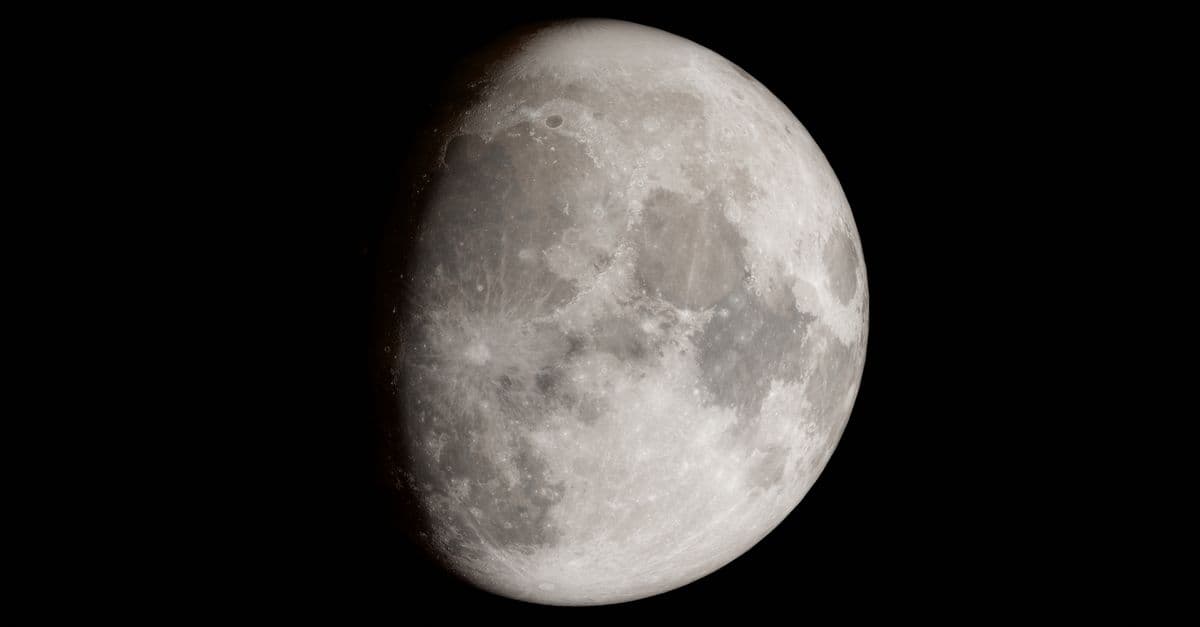
July 20, 1969: Neil Armstrong and Buzz Aldrin landed on the Moon, returning 21.5 kg of lunar samples that revealed the Moon's geological history and transformed planetary science.

December 1972: Apollo 17 landed at Taurus-Littrow, returning 110.5 kg of samples and conducting 22 hours of moonwalking—the most scientifically productive lunar mission.

Deep space navigation is mostly done from the ground: NASA's Deep Space Network measures a spacecraft's range, velocity, and angular position from radio signals, then models its path. Gravity assists and onboard autonomy handle the rest.

The United States still leads the world's space programs by budget, launch cadence, and crewed lunar flight, but China has built a station, returned samples from the Moon's far side, and set a 2030 crewed landing goal. Europe, India, Japan, and Russia each hold a narrower set of strengths.

Orbit demands about 7.8 km/s of sideways speed, the Moon is 384,000 km away, and Mars is at least 55 million km. Here is the physics of getting to space, the history of exploration, and where Artemis, Starship, and Mars stand as of October 2026.

In September 2022, NASA's DART spacecraft deliberately hit a small asteroid and shortened its orbit by about 33 minutes. It was the first real test of planetary defense. Here is how humanity finds, tracks, and might one day redirect a dangerous asteroid.