Space
Mercury Explained: Iron Core, Polar Ice, Odd Orbit
Mercury has an oversized iron core, ice at its poles, and a day longer than its year. What MESSENGER found and what BepiColombo is due to do in November 2026.
21 articles tagged with #solar-system
Mercury has an oversized iron core, ice at its poles, and a day longer than its year. What MESSENGER found and what BepiColombo is due to do in November 2026.
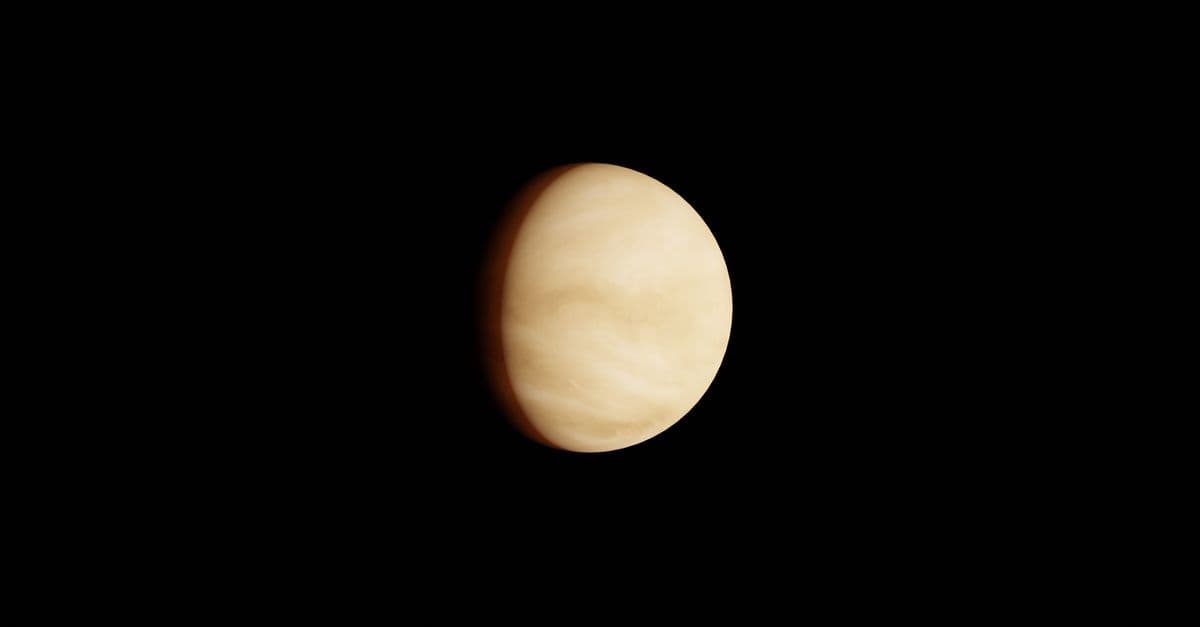
Venus rotates in the opposite direction of every other planet in the solar system, and it does so so slowly that a single Venusian day lasts 243 Earth days — longer than its year of 225 days. If you stood on Venus, the Sun would rise in the west and set in the east, and by the time it crossed the sky, you would have already lapped the planet in its orbit. Two competing theories — a primordial giant impact and the slow grind of atmospheric tides — argue over how a world ended up this strange, and neither has yet won.
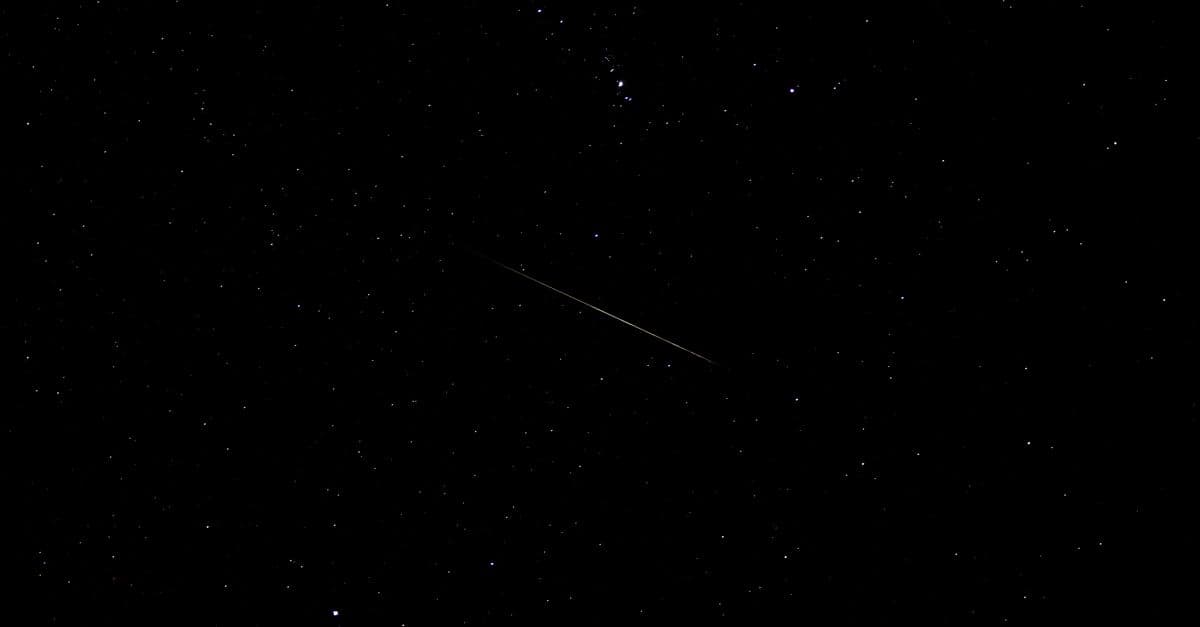
Comet Hale-Bopp, which dominated the 1997 night sky, had not been seen by any human being before. Its previous perihelion passage was in approximately 2215 BCE, before writing systems existed in most of the world. It had spent the intervening 4,200 years falling inward from the outer solar system at speeds so slow that a bicycle could have overtaken it. When it finally arrived, its pristine composition — unchanged since the solar system formed 4.5 billion years ago — gave scientists a direct sample of the raw material from which planets were built. Long-period comets are the oldest, least-altered objects available for study. They are time capsules from the beginning.
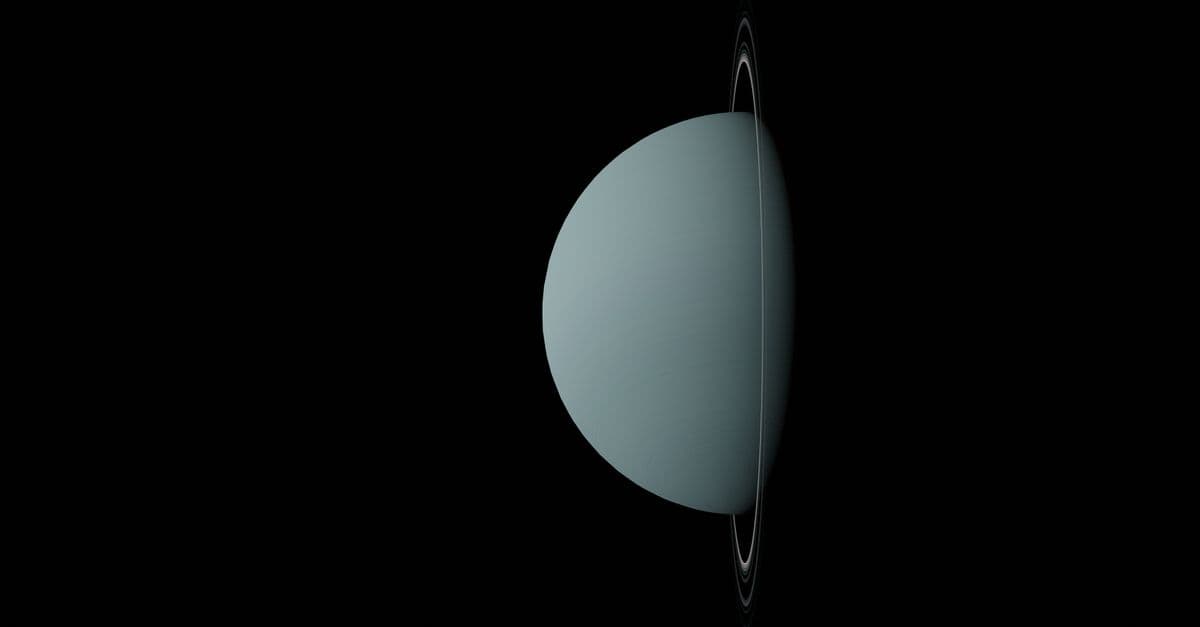
Saturn's rings are the solar system's most famous structure, but they are far from unique. Uranus has 13 dark, narrow rings discovered by accident in 1977. Neptune has incomplete arcs instead of full circles. Jupiter has a faint ring made of dust blasted off its innermost moons by meteorite impacts. All four giant planets have rings — and they all work differently. Saturn's may be geologically young, which raises a question nobody has fully answered: where did they come from?
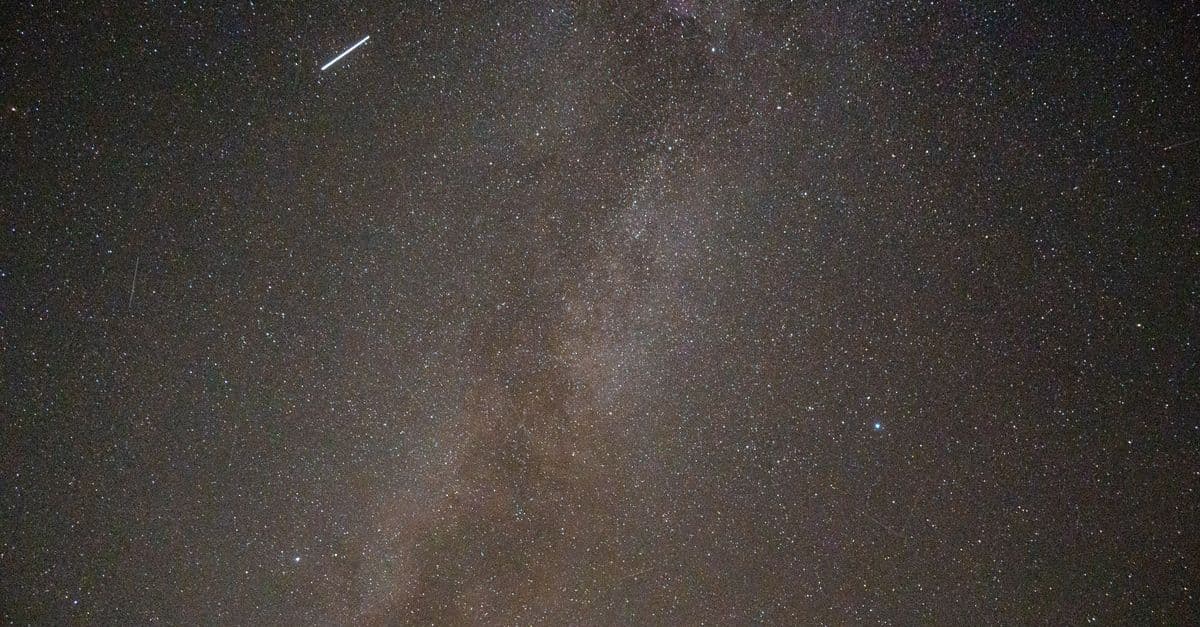
Before dawn in a dark-sky location, a ghostly pyramid of light rises from the eastern horizon along the path of the zodiac. Ancient observers thought it was a meteorological phenomenon — moisture in the upper atmosphere catching the sun. It is not. It is sunlight scattered off trillions of interplanetary dust particles spread across the entire inner solar system, the ground-down debris of comets and asteroids, and it is far stranger than it looks. In 2021, a camera on NASA's Parker Solar Probe detected that this dust does not extend all the way to the Sun.
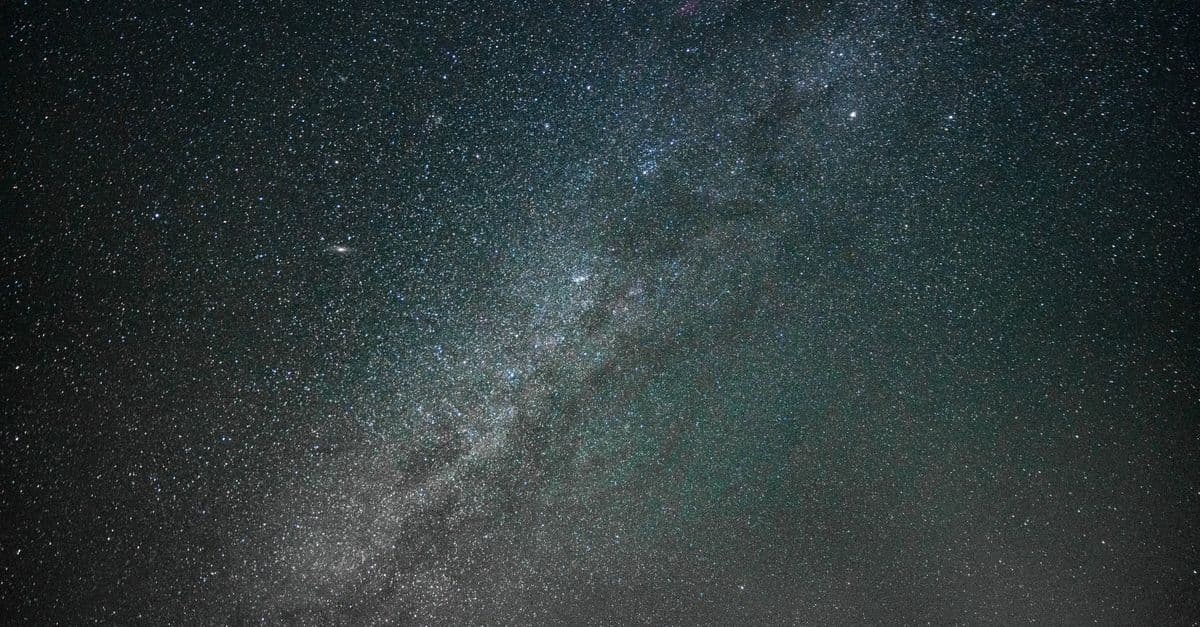
On October 19, 2017, astronomers found the first object confirmed to have come from outside our solar system. It tumbled, looked extremely elongated or flat, showed no gas or dust, and still sped up slightly as it left the Sun. Scientists have proposed a hydrogen iceberg, a nitrogen shard, and an alien lightsail. Here is what the evidence supports.
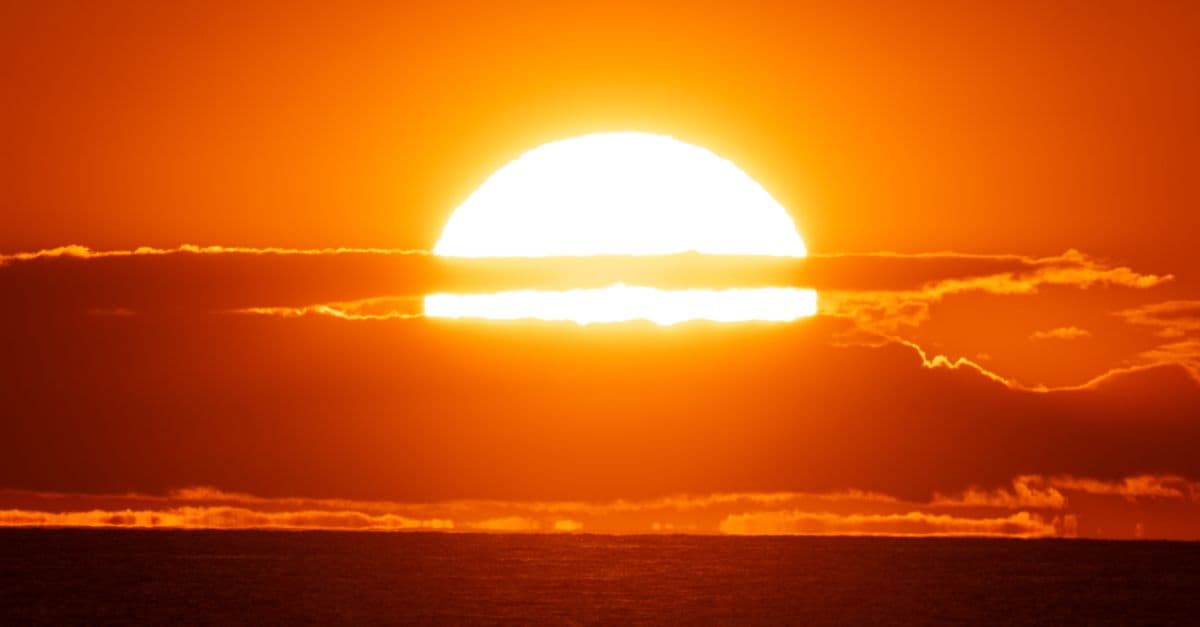
How the Sun works: proton-proton fusion in the core, layers from radiative zone to corona, solar wind, sunspots, and the Sun's far future.
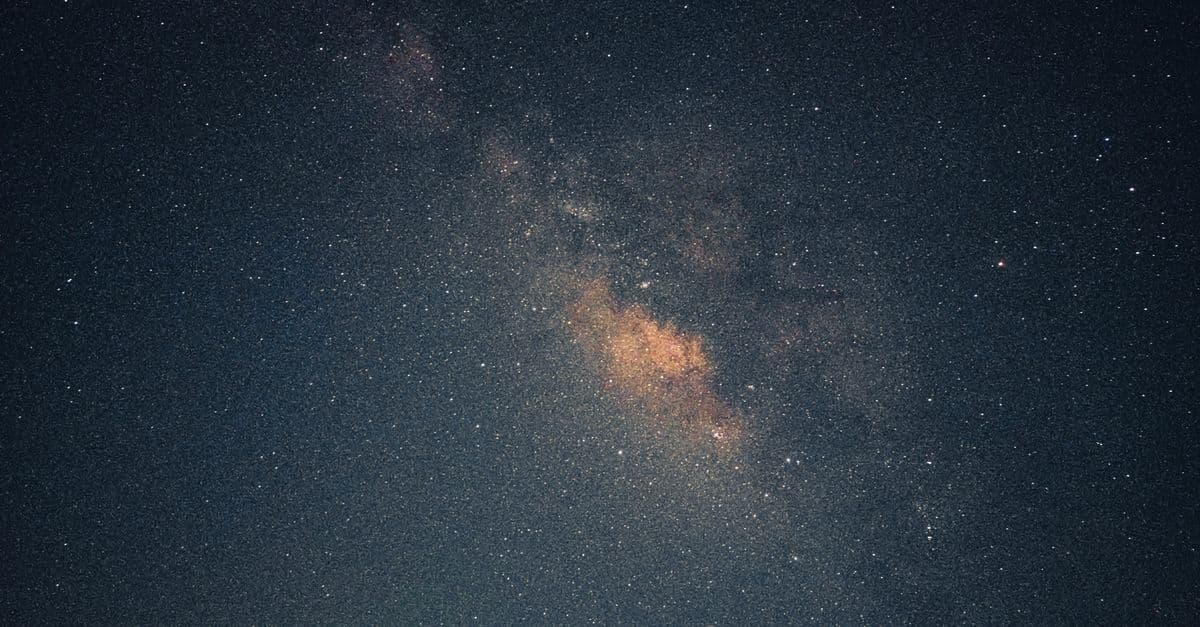
Why Pluto was demoted in 2006: the IAU's three-part planet definition, the discovery of Eris, New Horizons data, and the ongoing scientific debate.
Oort Cloud vs Kuiper Belt: two icy reservoirs at the edge of the solar system. Sources of comets, Planet Nine, interstellar visitors, and Voyager.
How Saturn got its rings, why they're disappearing, and why they're paper-thin — the full story from Galileo to Cassini's grand finale.
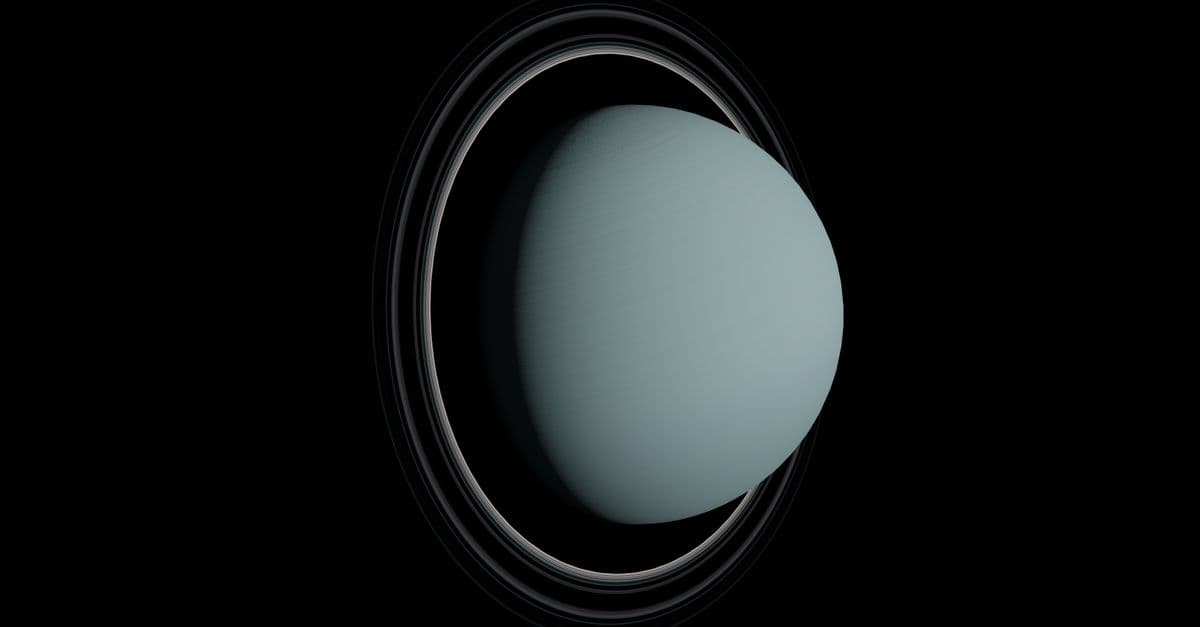
All 8 planets and 5 dwarf planets explained — sizes, atmospheres, moons, missions, and what makes each world unique in our solar system.