star-formation
9 articles tagged with #star-formation
Space
Stellar Nurseries: How Stars Are Born in the Dark
The Pillars of Creation are not killing stars — they are building them. Inside those towering columns of cold gas, dense knots called Bok globules are collapsing under their own weight, heating up toward nuclear ignition. The James Webb Space Telescope, in 2022, showed us the newborn stars Hubble never could.
Space
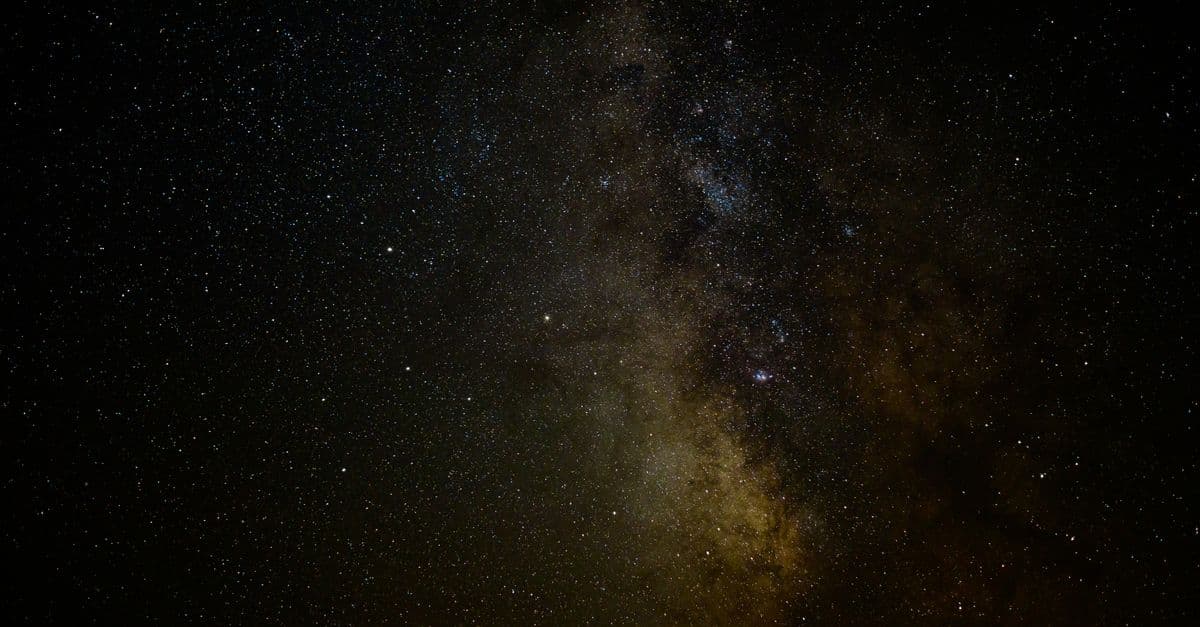
The Central Molecular Zone: The Milky Way's Turbulent Heart
Within 500 parsecs of the Milky Way's center lies a region unlike anything else in the galaxy — the Central Molecular Zone. It contains roughly 10% of the entire galaxy's molecular gas compressed into less than 0.1% of its volume. Star formation there should be rampant, but it is strangely quiet. Giant molecular clouds orbit at velocities that defy simple physics. A cloud called the Brick should have already collapsed into thousands of stars, yet it has not. Understanding the CMZ means understanding what keeps the center of our galaxy from exploding with new stars — and what occasionally makes it erupt instead.
Space
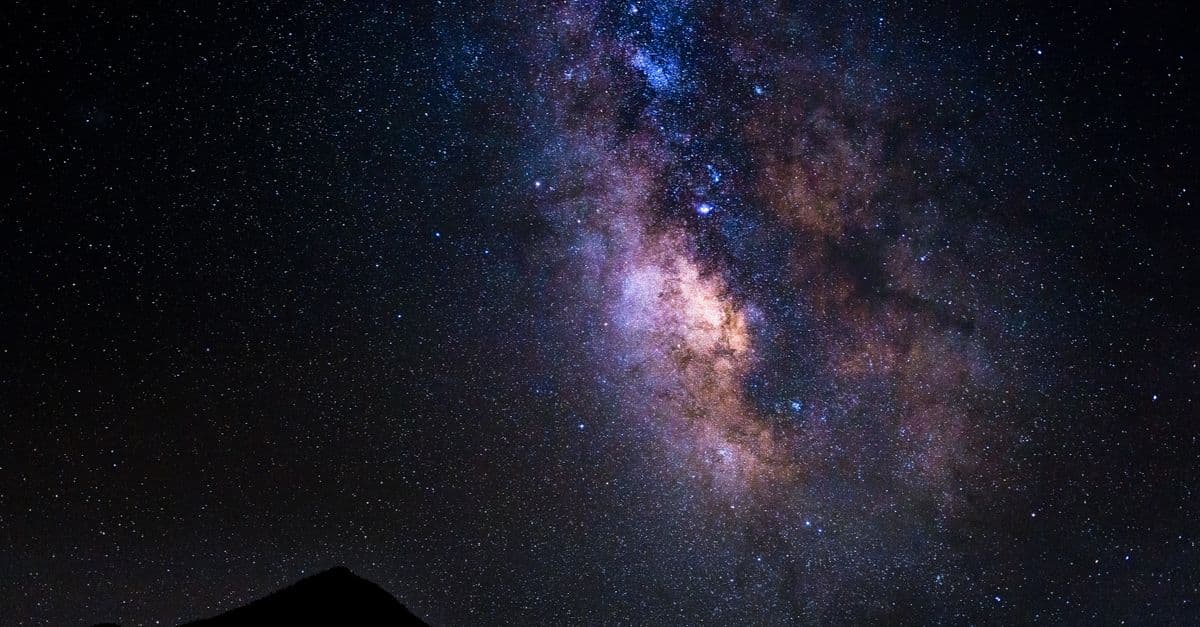
The Orion Molecular Cloud: Our Closest Star Factory
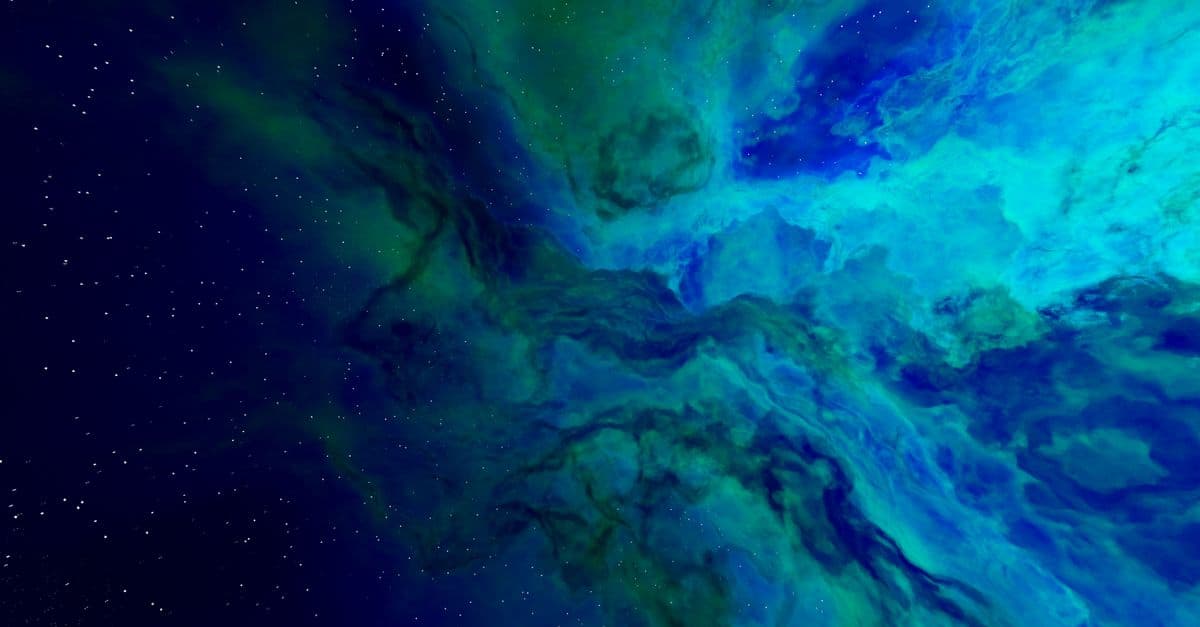
At 1,300 light-years away, the Orion Molecular Cloud complex is the nearest site of massive star formation to Earth — a sprawling 240-light-year structure that contains everything from freshly ignited hot young stars to protoplanetary disks still assembling into planets. JWST has turned it into the best-resolved stellar nursery in the observable universe.
Space
What Is the Interstellar Medium? The Space Between Stars
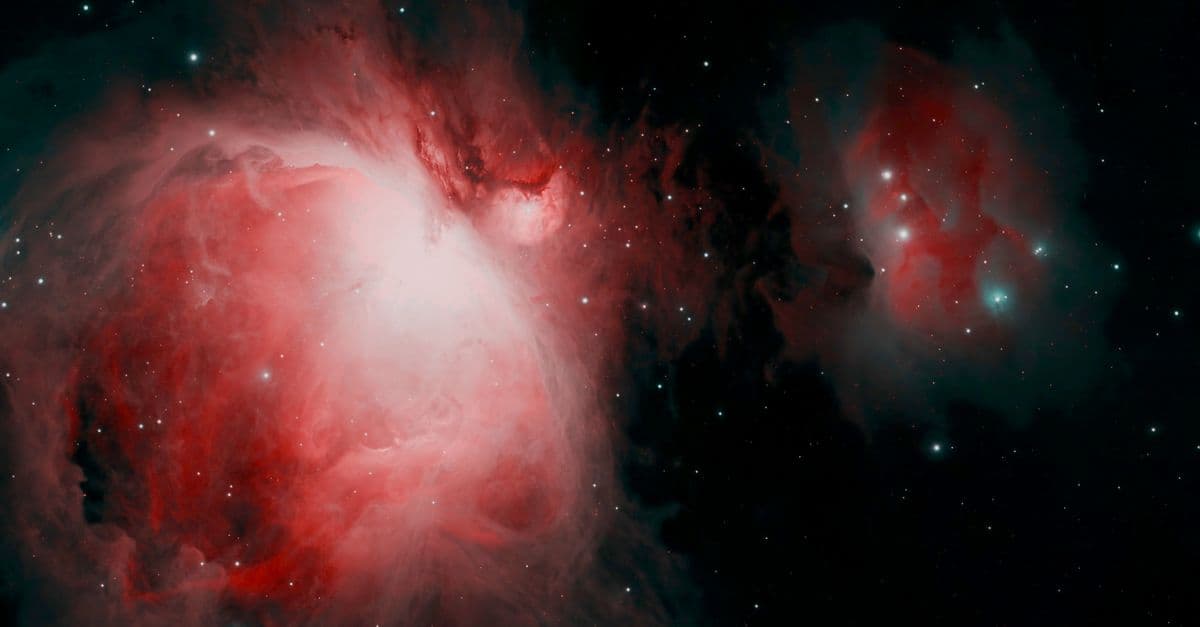
The interstellar medium (ISM), the gas and dust filling the space between stars, is not empty. It is a multiphase medium ranging from 10 K molecular clouds where stars form to million-kelvin plasma heated by supernovae. Dust hides the centre of our galaxy from visible light, and the ISM is both the raw material for new stars and the place where dying stars deposit their products.
Space
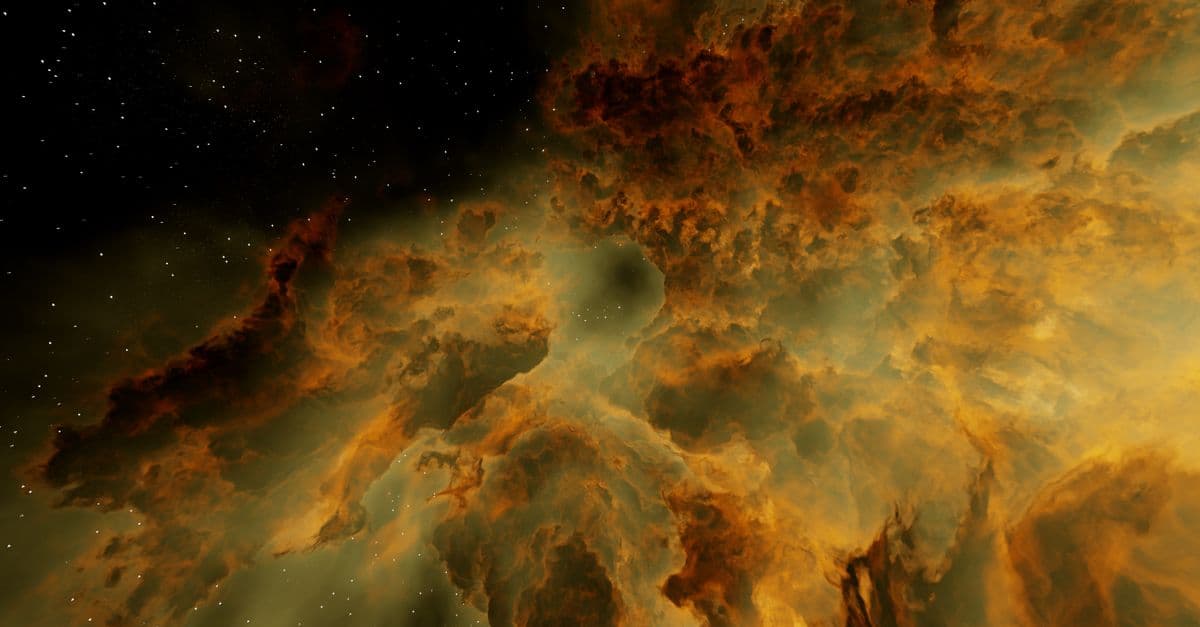
What Is a Nebula? The Gas Clouds That Build and Destroy Stars
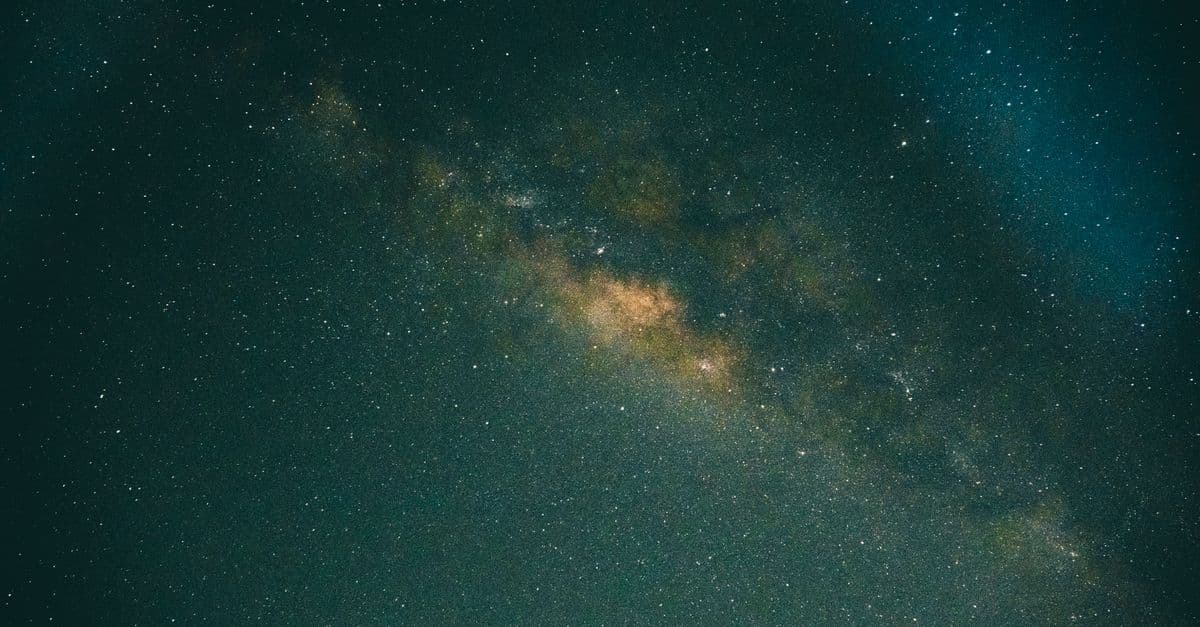
Nebulae are vast clouds of gas and dust between stars. Some are stellar nurseries where new stars form, some are shells shed by dying stars, and some are the debris of supernova explosions. The Orion Nebula is a nursery visible to the naked eye; the Crab Nebula is the expanding wreckage of a star that exploded in 1054.
Space
What Are Globular Clusters? Ancient Cities of Stars
Globular clusters are the oldest and densest stellar systems in the universe — spherical swarms of hundreds of thousands of stars bound together for billions of years. Here's how they form, what they reveal about galactic history, and why they remain one of astronomy's most productive laboratories.
Space
What Is a Protoplanetary Disk and How Do Planets Form?
Every planet in our solar system grew from a thin disk of gas and dust that surrounded the young Sun 4.6 billion years ago. Modern telescopes now image these disks around other stars in stunning detail, revealing a process far more violent, chaotic, and fast than scientists once imagined.
Space
What Is Stellar Feedback? How Stars Reshape the Galaxies They're Born In
Stars do not sit quietly inside galaxies. Their radiation, winds, and supernovae heat, push, and enrich the gas around them. This stellar feedback is why star formation is slow, why dwarf galaxies are faint, and where much of a galaxy's heavy elements end up.