telecommunications
9 articles tagged with #telecommunications
Technology
Countries with the Fastest Internet Speeds (Fixed Broadband Ranked)
The United Arab Emirates leads the world with a median fixed broadband download speed of 413.2 Mbps — more than four times the global average of roughly 90 Mbps. High urbanization rates, state-backed fiber rollout programs, and competitive telecoms markets are the common threads running through every country at the top of the Ookla Speedtest Global Index 2024.

Inventions
The Fiber Optic Cable: How Glass Replaced Copper
Charles Kao's 1966 paper proved pure glass could carry light across continents. Corning proved it in 1970. Today 1.5 million km of fiber carries 95% of global internet traffic.
Inventions
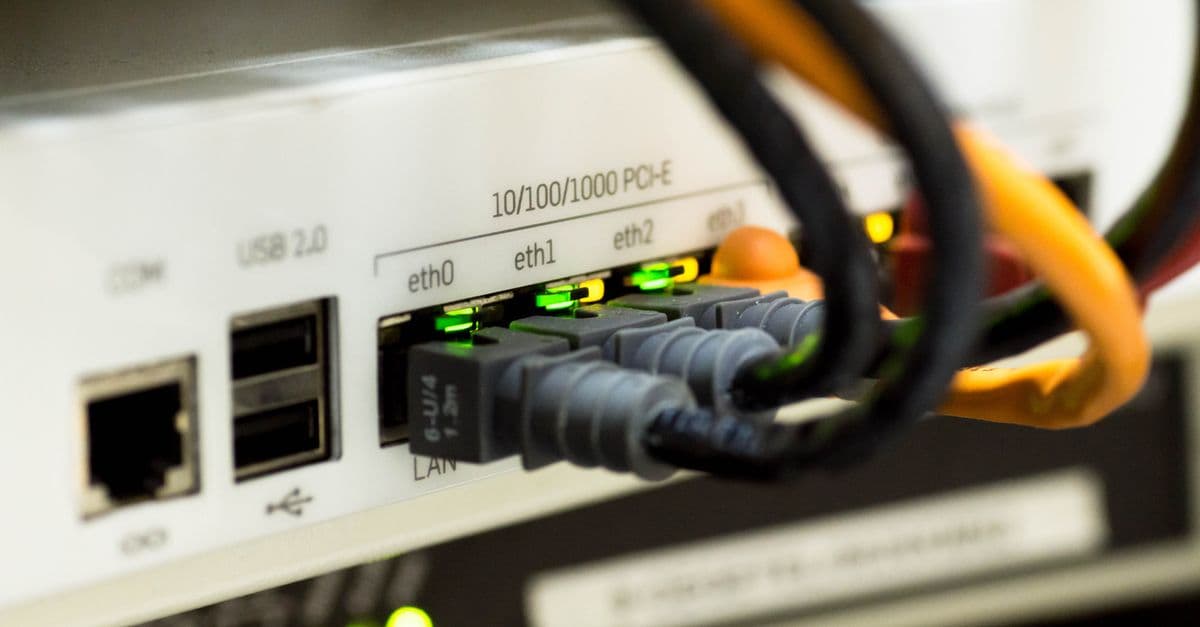
The Modem: From SAGE Air Defense to the 56K Era
The modem began in 1958 as SAGE air-defense hardware. See how it became the Hayes Smartmodem, the 56K V.90 standard, and the DSL and cable links of today.
Technology
How 5G Networks Actually Get Built — and Secured
5G cellular networks explained through the deployment fight: fiber costs, small cell permitting, Open RAN, and the security risks of virtualized cores.

Technology
Neural Networks in Network Routing: How AI Optimizes 5G and Beyond
AI-driven network routing is replacing static algorithms in 5G—reducing latency, balancing load, and adapting to traffic in real time.
Technology
Countries With the Most Satellites in Orbit (2026 Data)
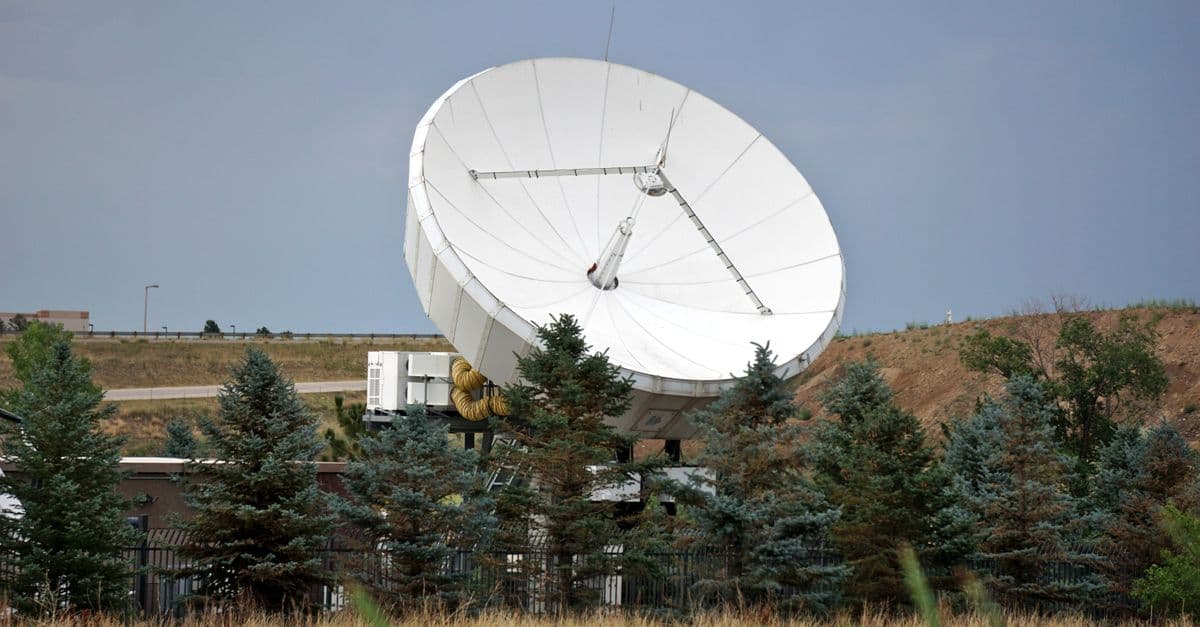
The United States leads every satellite count, largely because of Starlink: 11,114 of the 16,988 active satellites tallied on October 12, 2026. Here is how the major counts differ, who is next, and what the rankings leave out.
Technology
Countries With the Best 5G Coverage (2025)
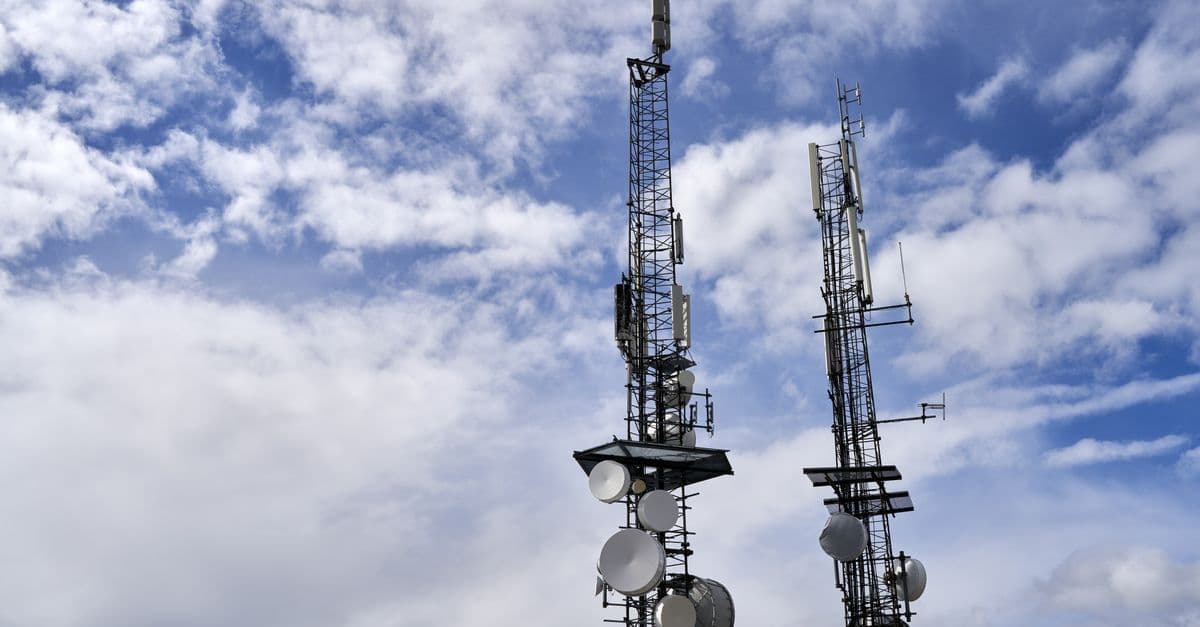
5G reached about 55% of the world's population in 2025, per the ITU, but coverage, availability and speed are three different measurements. Germany reports 99.1% coverage while its 5G usage lags; South Korea's networks top speed tests. Here is what each ranking actually measures.
Technology
What Is 5G — and How Is It Really Different from 4G?
5G is faster, lower-latency, and more efficient than 4G. It also enables connected cars, remote surgery, and smart factories. Here's how it actually works and what's hype.