volcanoes
13 articles tagged with #volcanoes
Science
How Scientists Predict Volcanic Eruptions
Volcano prediction uses earthquakes, gas, ground deformation, heat, and history. This guide explains what scientists can forecast and what remains uncertain.
World Records
The Largest Volcanoes in the World: The Mountain That's Mostly Underwater
Mauna Loa in Hawaii rises 4,170 metres above the sea — but that's only the tip. Measured from its true base on the ocean floor, it stands roughly 17 kilometres tall, more than twice Everest's height above sea level, and is so heavy it has pushed the seabed downward beneath it. It may not even be the largest volcano on Earth by volume. And lurking beneath Yellowstone is something that isn't a mountain at all: a supervolcano whose eruptions are measured not in metres but in continents.
World Records
The Largest Volcanic Eruptions in History
Toba, Yellowstone, Tambora, Krakatau, and Pinatubo compared by volume, climate effect, and death toll, with a plain explanation of the VEI scale and why the biggest eruption is rarely the deadliest.
World Records
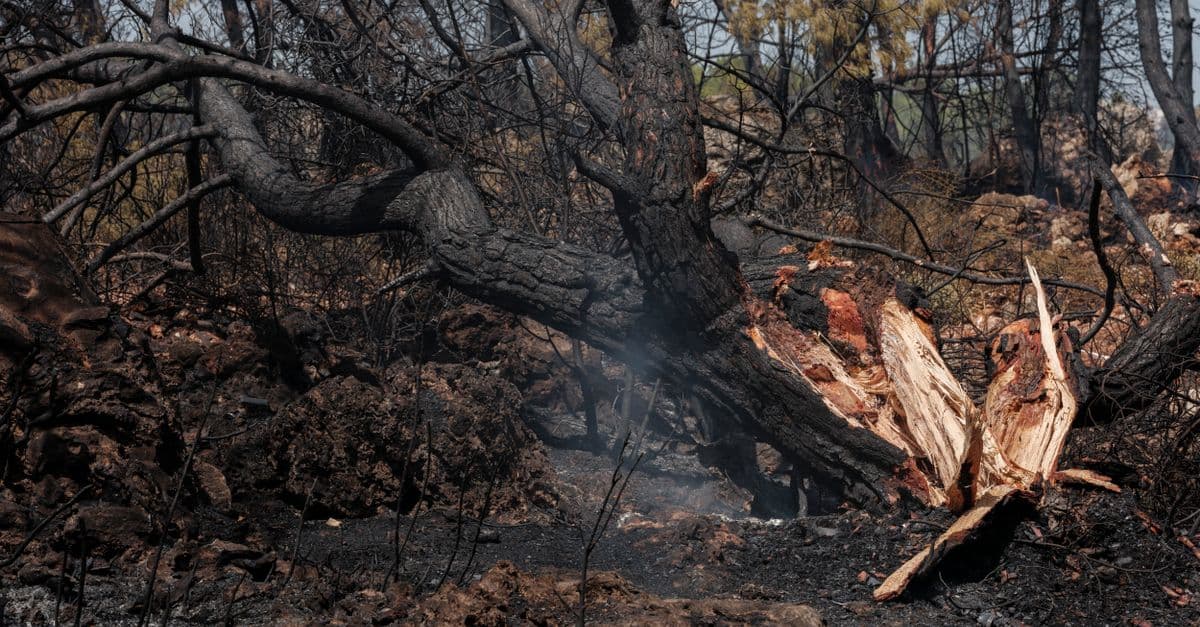
The Deadliest Natural Disasters in History: Death Tolls, Causes, and the Science Behind the Catastrophes
The 1931 China floods killed an estimated 1 to 4 million people — the single most lethal natural disaster in recorded human history. The 1815 eruption of Mount Tambora cooled the entire planet and triggered crop failures across three continents, adding tens of thousands of deaths to the 71,000 who died directly from the volcano. The 2004 Indian Ocean tsunami killed 227,898 people in 14 countries within hours. These events share a common thread: the science of how Earth releases stored energy intersects with human vulnerability in ways that transform geological processes into humanitarian catastrophes.

World Records
The Loudest Sounds Ever Recorded: Krakatoa, Tonga, Sperm Whales, and the Physics of Decibels
On August 27, 1883, the island of Krakatoa in Indonesia exploded with a sound estimated at 310 decibels at source — the loudest sound ever produced on Earth's surface by any event in the historical record. The pressure wave circled the globe four times. It ruptured eardrums of sailors 64 kilometers away, was heard in Rodrigues Island near Mauritius 4,800 kilometers distant, and registered on barometers across the world. On January 15, 2022, the eruption of Hunga Tonga-Hunga Ha'apai produced the loudest infrasound event of the modern era, with pressure waves detectable globally. These events reveal something surprising: there is a hard physical ceiling on how loud a sound in air can ever be — 194 decibels — and Krakatoa probably exceeded it.

Space
Venus's Volcanoes: The Planet That Erased Its Own History
Venus has almost no impact craters. That fact alone reveals something extraordinary about its past — and a 2023 re-analysis of 30-year-old radar images just caught its volcanoes in the act.
Science
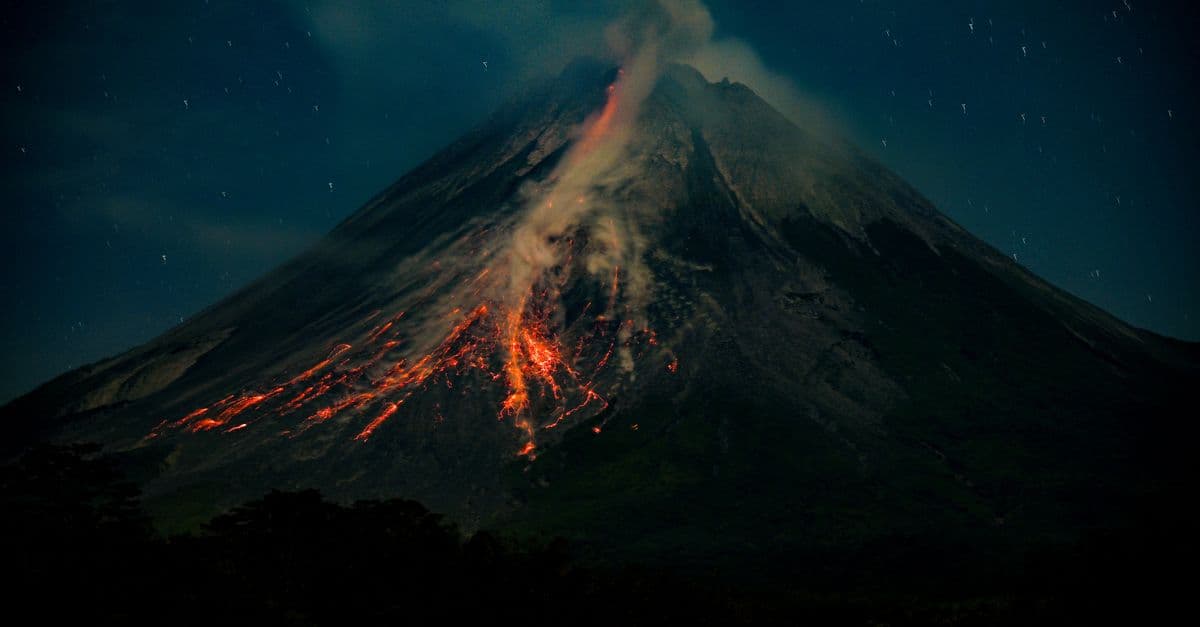
Plate Tectonics Explained — How and Why Earth's Crust Moves
Plate tectonics explained: how Earth's rigid plates move, what drives them, what happens at their boundaries, and the evidence that settled the debate.
Space
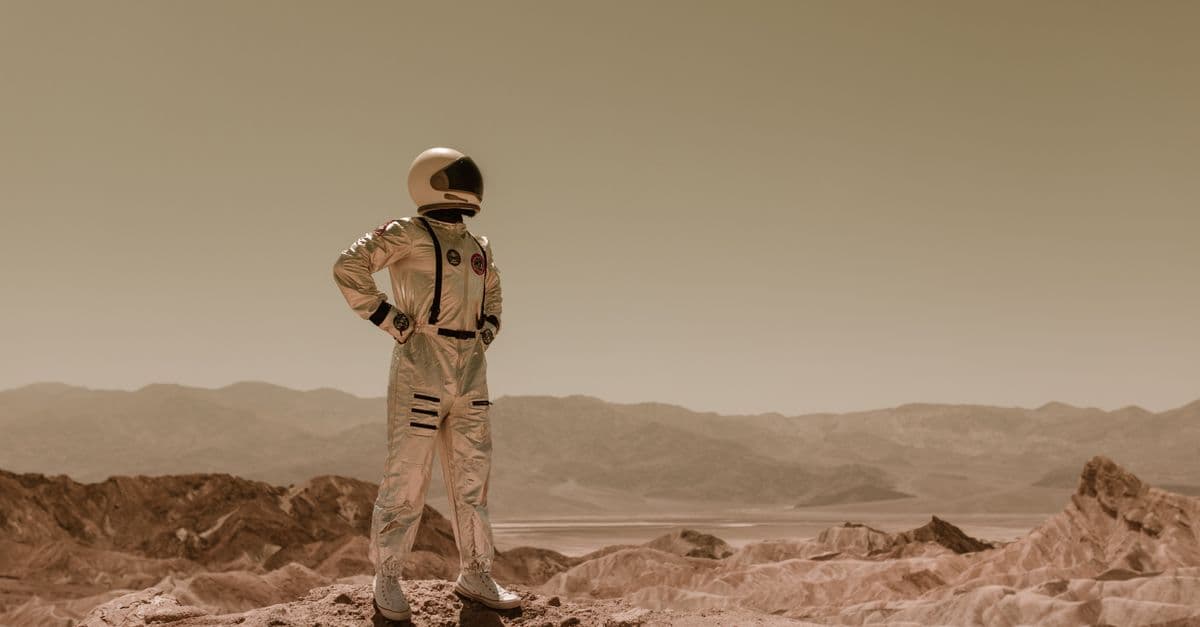
Olympus Mons — Solar System's Biggest Volcano
Olympus Mons on Mars: 21.9 km tall, 600 km base diameter, fed by a stationary hotspot for 4 billion years. Why Mars's gravity and lack of plate tectonics enable giants.
Science
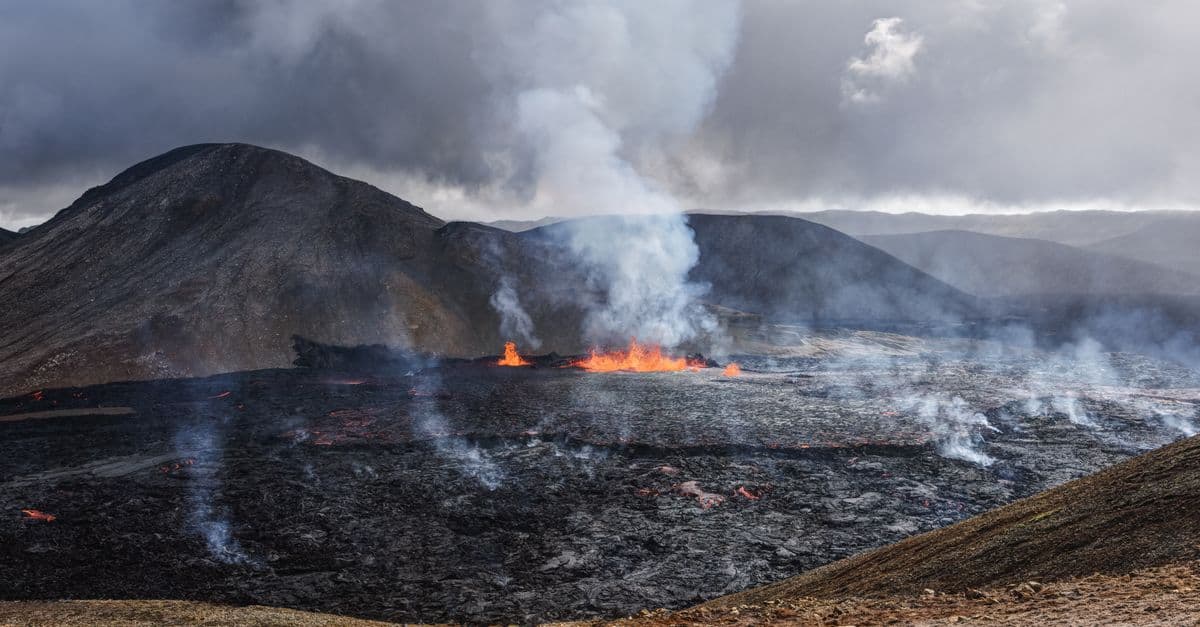
How Volcanoes Work — Magma to Eruption
Where magma comes from, why volcanoes form at plate boundaries and hotspots, eruption types, the VEI scale, and how scientists monitor them.
Sustainability
How Volcanoes Work: The Science of Earth's Most Powerful Force
A single eruption can cool the entire planet for years. Here's the science behind what makes volcanoes tick — from deep magma to explosive blasts.
What If
What If Yellowstone Erupted Tomorrow?
The Yellowstone supervolcano produces a major eruption roughly every 600,000–800,000 years. The last was 631,000 years ago. If it erupted today, parts of the western United States would be buried in ash, global temperatures would drop, and agriculture would collapse for years.
Page 1 of 2Next →