Esports in 2026: The Rise of Competitive Gaming, Prize Pools, and Professional Careers
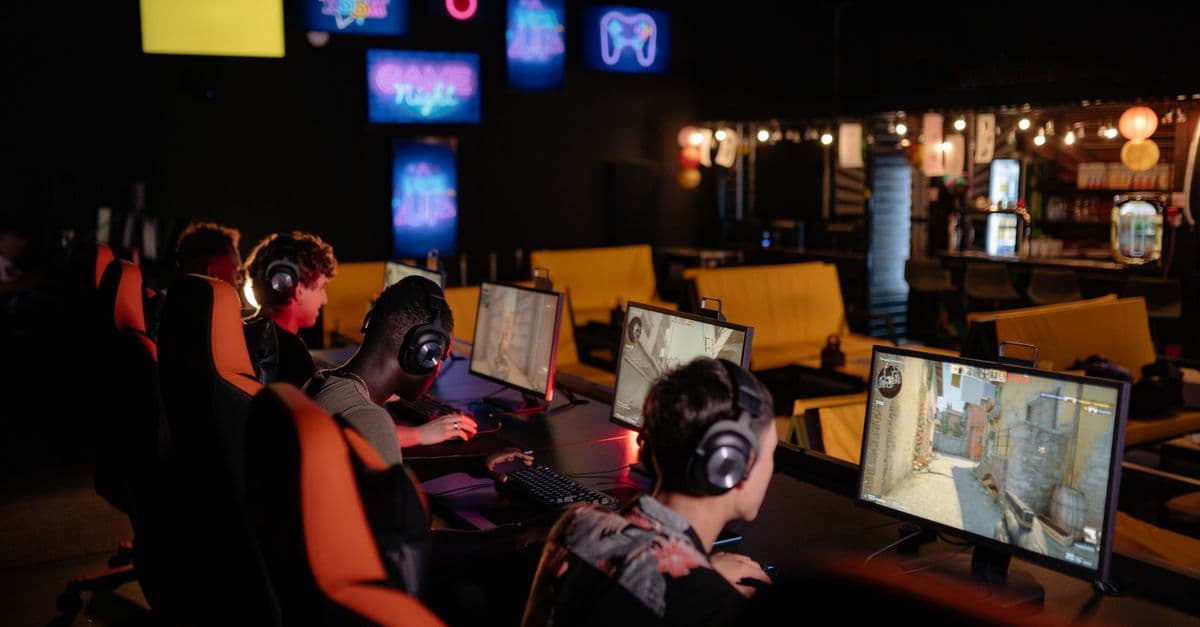
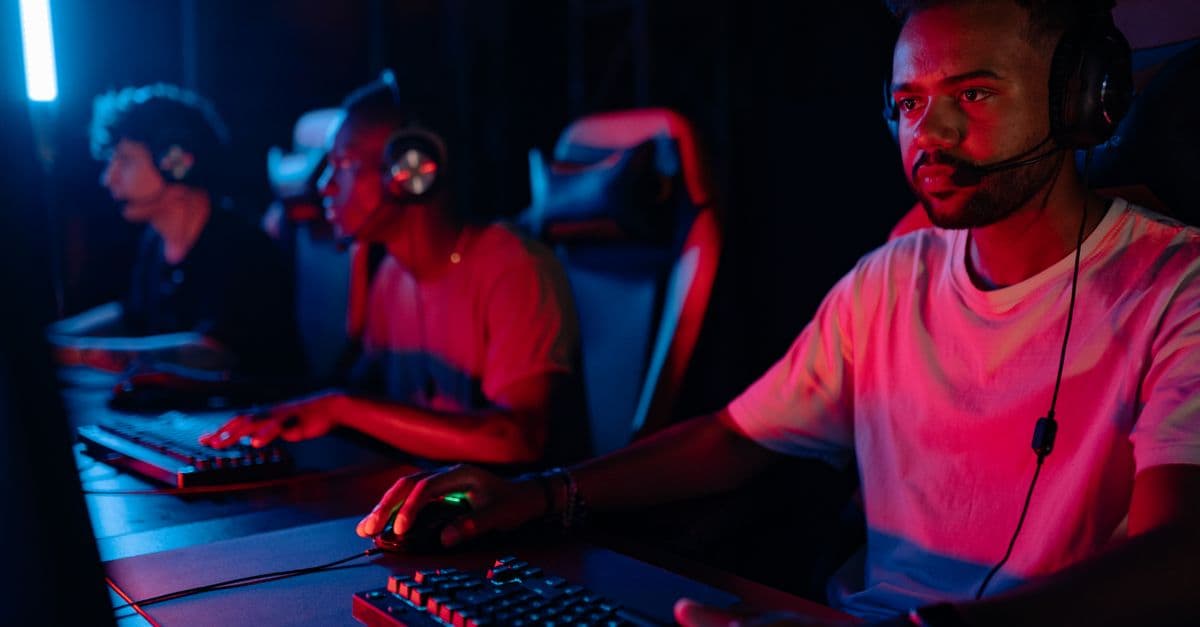
Photo: Yan Krukau / Pexels
In November 2025, the League of Legends World Championship final was watched by an estimated 240 million viewers globally across Twitch, YouTube, regional broadcasts, and in-venue spectators. The prize pool was 2.2 million dollars, distributed among 24 teams from 12 regions, with the champion receiving 800,000 dollars. That single event generated more engagement than the entire 2010 esports ecosystem. Rewind to 2010, and the idea of professional gaming as a legitimate career was confined to Korea (where StarCraft pros had been competing since 1998) and small communities of enthusiasts in China and Eastern Europe. Today, esports is owned by media conglomerates (Activision-Blizzard, Riot Games [owned by Tencent], Valve), broadcast by ESPN and traditional television networks, and generating revenue comparable to established professional sports. The transformation happened in a decade, and the momentum continues to accelerate. This article walks through the scale of esports in 2026, the structure of professional leagues, the economics, and the career landscape for aspiring professionals.
The Scale of Esports: Viewership and Prize Pools
Esports viewership in 2026 is measured in hundreds of millions monthly and billions annually. The three largest esports events — League of Legends World Championship, The International (Dota 2), and the Counter-Strike 2 Pro League Finals — each attract 100+ million viewers when aggregated across all platforms. Major regional leagues (LEC, LCS, LCK, LMSC for League of Legends; ESL Pro League, BLAST Premier, IEM for Counter-Strike) run continuously during their seasons, with weekly matches generating 5–20 million concurrent viewers at peak times.
Concurrent viewers refers to the number of people watching simultaneously at a single moment. A 10-million concurrent viewer event, spread across Twitch, YouTube, in-venue, and regional broadcasts over a 4-hour match, likely represents 40–50 million total unique viewers throughout the event duration.
Total esports industry revenue in 2025 was 1.38 billion USD, split across sponsorships (550 million), media rights (280 million), merchandise (200 million), ticket sales (150 million), and game publisher investment (220 million). The market is forecast to reach 1.88 billion by 2027. By comparison, the global video game market is 200 billion USD; esports represents the competitive-entertainment overlay atop gaming.
| Metric | 2020 | 2023 | 2025 | 2027 Projection |
|---|---|---|---|---|
| Global Esports Revenue | $950M | $1.25B | $1.38B | $1.88B |
| Peak Concurrent Viewers (Largest Event) | 45M | 80M | 100M+ | 150M+ |
| Estimated Annual Prize Pool Distribution | $150M | $350M | $500M+ | $750M+ |
| Average Pro Player Salary (Top 200) | $80K | $120K | $180K | $250K |
| Sponsorship Deals (Top 10 Teams) | $2M–$8M | $5M–$20M | $8M–$50M | $15M–$75M |
Source: Newzoo / Esports Insider (2026), Global Esports Market Report 2026, comprehensive industry analysis covering sponsorship spending, media rights, viewership metrics, and revenue forecasts across tier-1 esports titles and regions.
The Dominant Titles: League of Legends, Counter-Strike 2, Dota 2, and Beyond
Five titles dominate the professional esports landscape in 2026, each with distinct regional strengths and audience demographics.
League of Legends (Riot Games) is the largest esports title by revenue and viewership. It supports 12 regional leagues (LEC in Europe, LCS in North America, LCK in Korea, LPL in China, PCS in Southeast Asia, CBLOL in Brazil, and others), each with 8–12 franchised teams. The League of Legends Worlds tournament (held annually in October) involves the top team from each region competing in a single-elimination bracket. Viewership for Worlds 2025 exceeded 240 million globally.
Counter-Strike 2 (Valve) replaced CS:GO as the competitive standard in 2023 and is the fastest-growing esports title. It has a decentralized league structure: ESL Pro League, BLAST Premier, IEM Katowice, and PGL Major are the four tier-1 international tournaments, each with 16–24 teams. CS2 appeals to a Western (particularly European) audience; regional teams dominate the top 20.
Dota 2 (Valve) has one dominant international event: The International, held annually in August, with a prize pool crowd-funded by cosmetic in-game item sales. The 2024 International had a 21-million-dollar prize pool (largest in esports history), split among 18 teams. Regional leagues are less developed than League of Legends, so Dota 2 stars are clustered in specific regions (Eastern Europe, China, Southeast Asia).
Valorant (Riot Games) launched in 2020 and rapidly became the second-largest tactical shooter esports title. Unlike CS2, Valorant has a heavily franchised structure with regional leagues: VCT Tier 1 (top international teams), VCT Tier 2 (regional), and VCT Tier 3 (amateur). Prize pools are distributed across regional playoffs and international events, totaling over 100 million annually.
StarCraft 2 (Blizzard) remains a tier-2 title in esports but is the longest-running professional esports game (competitive since 1998). The Korean pro league (GSL) is the most stable esports league globally, with a consistent season structure and top 8 players earning 50,000 to 200,000 annually.
Source: The Esports Observer (2026), League of Legends, Counter-Strike, and Dota 2 Revenue Analysis, detailed breakdowns of sponsorship, media rights, and prize pool distribution across top esports titles in 2026.
How Professional Leagues Work: Structure, Teams, and Franchising
Professional esports leagues in 2026 use one of two models: franchised (most common in Riot-published games) or open-qualifying (more common in Valve titles).
Franchised leagues (League of Legends LEC, Valorant VCT Tier 1, OVERWATCH League) operate like traditional sports leagues. Teams pay a franchise fee (5–50 million USD) to acquire a slot, and they retain that slot indefinitely. Franchised leagues have stable schedules, guaranteed media rights payouts, and salary controls. A typical franchised league runs 20–40 matches per season (spring and summer splits), with teams playing 2–3 matches per week. The LEC (European League of Legends) has 10 franchised teams, each with a 5-year commitment and significant financial obligations. Teams earn media rights payouts (guaranteed minimum revenue), sponsorship deals, and performance bonuses.
Open-qualifying leagues (Counter-Strike 2 ESL Pro League, Dota 2 regional qualifiers) allow any team to participate, with the top teams qualifying for international events. Open-qualifying events offer massive prize pools but no salary guarantees; a team that fails to qualify earns nothing. This model favors established organizations with player contracts and sponsorship cushions.
A professional esports team in 2026 typically has:
- 5 starting players (the "roster")
- 1–2 substitute players
- 1 head coach
- 1 assistant coach or analyst
- 1 sports psychologist
- 1 team manager
- Administrative staff (marketing, social media, esports director)
A tier-1 team's annual budget (salary + facilities + coaching) ranges from 2 million (base case) to 15 million (top teams). Sponsorships and media revenue typically exceed team payroll, allowing organizations to operate profitably. The largest teams (FaZe Clan, Team Liquid, T1) operate multiple esports divisions across different games, with separate rosters, coaching staffs, and facilities. These conglomerate structures have total annual operating budgets exceeding 100 million dollars, rivaling the budgets of traditional professional sports teams.
Source: Esports Careers (2026), Professional Esports Team Structure and Salary Report, data on team compositions, coaching staff roles, and annual payroll across tier-1 leagues in 2026.
The Economics: Prize Pools, Sponsorships, and Team Valuations
Professional esports careers are shaped by three revenue streams: salaries (from teams and sponsorships), prize winnings (from tournaments), and personal brand revenue (streaming, content creation, merchandise).
Prize pools in tier-1 esports events are substantial but unevenly distributed. A typical major tournament (League of Legends Worlds, The International, CS2 Major) distributes 2–21 million dollars among teams, but the top 3 teams receive 40–60 percent of total prize money. A team that qualifies but finishes 13th might earn 50,000 dollars for 2 months of preparation; the champion team splits 800,000 to 5 million among its five players, resulting in 160,000 to 1,000,000 per player from that single event.
Sponsorships are the largest revenue stream for successful organizations. A tier-1 team sponsorship deal with a global brand (energy drinks, hardware manufacturers, cryptocurrency platforms) ranges from 500,000 to 10 million annually. The top 10 teams each have 5–15 sponsorship deals, generating 10–50 million in annual sponsorship revenue. These deals are shared between the organization and players (typically 50/50 split).
Salaries vary widely by tier. A tier-1 player under contract earns 100,000 to 2 million USD annually; a tier-2 player earns 30,000 to 200,000 annually; an amateur (tier-3) player earns 0 to 50,000 (most rely on streaming). The median professional player (across all tiers) earns 40,000 annually; the top 100 players earn 200,000 to 5 million.
Personal brand revenue (streaming, YouTube, merchandise, sponsorships) can exceed team salary for popular players. A streamer with 10,000 concurrent viewers generates 30,000 to 50,000 monthly in ad revenue, sponsorship, and donations, totaling 360,000 to 600,000 annually. This incentivizes players to build personal brands alongside team success.
Team valuations have skyrocketed. In 2020, the top esports team valuations were 50–100 million. By 2026, the top 10 teams are valued at 300 million to 1 billion USD, with Team Liquid, FaZe Clan, and T1 (formerly SK Telecom T1) leading at 500 million to 1 billion. These valuations reflect venture capital investment, sponsorship deals, media rights, and franchise valuations similar to professional sports.
Source: Forbes Esports Valuations (2026), Top 20 Esports Team Valuations and Annual Revenue, comprehensive financial analysis of tier-1 esports organizations including sponsorship, media rights, and franchise valuations.
Professional Careers Beyond Competitive Play
Only the top 1 percent of aspiring esports professionals become full-time competitive players. The remaining 99 percent can still build careers in the esports ecosystem: coaching, analysis, sports science, management, content creation, and equipment design.
Coaching is the fastest-growing esports career path. A tier-1 head coach earns 150,000 to 500,000 annually; a tier-2 coach earns 40,000 to 150,000. Coaches typically have 5–10 years of competitive experience and transitions to coaching after burnout or declining skill. The role requires game knowledge, leadership, decision-making analysis, and team psychology. Esports coaches often have background in traditional sports coaching (basketball, esports: they transfer tactical and motivational frameworks).
Analysis — breaking down opponent strategies, patch (game update) implications, and team meta — is another major career. A tier-1 analyst earns 80,000 to 200,000 annually and works alongside coaches. Analysts use custom software to track opponent patterns, predict draft strategies, and calculate win probabilities. This role is growing as teams professionalize.
Sports psychology and performance coaching is increasingly common in tier-1 teams. A team sports psychologist earns 100,000 to 250,000 annually and works on stress management, focus, sleep, and mental resilience. This role was rare in 2015 but is now standard in top organizations.
Content creation and streaming generates the most income for players with personal brand. A popular streamer (100,000+ followers) earning from donations, sponsorships, and ad revenue can exceed 500,000 annually without team salary. This has created the "content creator" career path: some esports stars prioritize streaming income over competitive titles.
Equipment and esports venue design has spawned specialized careers. Manufacturers of gaming mice, keyboards, and monitors employ esports engineers and designers. Esports arenas and training facilities employ architects, facility managers, and tech support staff.
Source: G2 Esports (2026), Esports Career Guide: Coaching, Analysis, and Support Roles, detailed reference on non-competitive esports career paths and salary ranges across tier-1 organizations.
Esports Venues and the Live Broadcast Experience
Professional esports in 2026 is increasingly a venue-based experience. Unlike esports in 2015 (broadcast-only or small LAN centers), tier-1 tournaments now occur in dedicated esports arenas with 5,000–20,000 seats, broadcast production comparable to traditional sports, and in-venue spectator experiences designed to rival live football or basketball.
The League of Legends World Championship 2024 was played in the Mercedes-Benz Stadium in Atlanta (70,000 capacity for traditional sports; 20,000 configured for esports). The Counter-Strike 2 Major 2025 was held in Copenhagen's Royal Arena (23,000 capacity). Esports is no longer played in niche venues; it is played in world-class stadiums.
Venue design for esports is specialized. Unlike traditional sports, esports audiences are watching screens, not the players. A good esports venue has:
- Large central display screens (20+ meters wide) showing game footage in 4K 120 Hz or higher, reducing input lag between player input and spectator view (high input lag creates viewer confusion and reduces engagement).
- Player booths with acoustic isolation (reducing crowd noise to players) and climate control (cooling for player comfort and thermal stability).
- Production equipment: multiple camera angles, motion-capture tracking of player reactions, slow-motion replays, and real-time data visualization (minimap display, cooldown timers, player stats).
- Audio design: directional sound systems so spectators can hear crowd reactions, play-by-play commentary, and team communication (sanitized for spectator audience).
In-venue spectator experience is critical to attendance. Teams with home-base stadiums (like LEC in Berlin, LCS in Los Angeles) draw 3,000–8,000 spectators per match during regular season; major tournaments draw 10,000–20,000. Spectators pay $20–$100 per ticket, generating significant revenue for teams and venues.
Broadcast production has reached parity with traditional sports. A tier-1 esports event employs 50+ production staff: camera operators, replay editors, commentators (play-by-play and analyst), data analysts, and directors. The production budget for a major tournament exceeds 5 million dollars. Media rights deals (selling broadcast rights to regional television and streaming platforms) are negotiated like traditional sports; some rights deals are worth 50–500 million dollars over multi-year periods.
The result is that professional esports spectating (watching live) is now a legitimate entertainment format. A person attending League of Legends Worlds in person experiences a theatrical production: arena lighting, crowd energy, commentary, and slow-motion replays of pivotal moments. The experience compares favorably to attending live soccer or basketball.
This shift from bedroom-stream to stadium-production is fundamental. It professionalized esports, attracted investment capital, and created career paths (venue management, broadcast production, marketing) outside competitive play.
Source: Newzoo (2026), Esports Venues and Live Events: Revenue, Attendance, and Production Scale, industry report on esports arena development, media rights deals, and in-venue spectator spending across tier-1 tournaments.
The Science of Pro Gaming: Reaction Time, Decision-Making, and Mental Resilience
Professional esports players are elite athletes in the cognitive domain. Top League of Legends players have visual reaction times of 120–160 milliseconds (compared to untrained average of 200–250 ms). Top Counter-Strike players react to audio cues in 80–120 ms. These reflexes are developed through deliberate practice, not innate talent.
Reaction time is the lag between perception and motor response. In competitive esports, reaction time is measured in milliseconds and is a primary determinant of performance. A 30-millisecond advantage (150 ms vs 180 ms) is measurable and game-winning.
However, raw reaction time accounts for only 20–30 percent of pro performance. Decision-making under pressure (choosing which opponent to target, which ability to use) accounts for 40–50 percent; mechanical consistency (executing the same move 10,000 times identically) accounts for 30–40 percent. A player with 180-millisecond reaction time but excellent decision-making outperforms a player with 140-millisecond reaction time but poor judgment.
Professional players train 10–14 hours daily: 4–6 hours of competitive scrimmages against other pro teams, 2–3 hours of ranked matchmaking (grinding against skilled opponents), 1–2 hours of vod (video of demo) review and analysis, and 1–2 hours of physical exercise (cardio, stretching, strength training). This training regimen mimics traditional sports periodization: teams have "bootcamps" (intensive 2-week practice blocks) before major tournaments. The intensity of training mirrors professional athletics: a pro esports team's training schedule is as demanding as a professional soccer or basketball team's, with the only difference being that the output is frame-rate performance and decision-making rather than physical movement.
Stress hormones (cortisol, adrenaline) and sleep are monitored in top teams. Players wear heart-rate monitors and sleep trackers; a tier-1 team sports scientist analyzes this data and adjusts training load to prevent burnout. Players who sleep under 7 hours show measurable reaction-time degradation and are benched from scrimmages. A team competing at the highest level treats sleep as a performance input, not a luxury, comparable to how traditional athletes treat recovery and conditioning.
Source: Paik, S., et al. (2024), Reaction Time and Decision-Making in Competitive Gaming, Journal of Esports Research, Vol. 5 — empirical study of reaction-time distribution across professional and amateur players and the relationship to tournament performance.
Source: Pereira, R., et al. (2023), Sleep Deprivation and Cognitive Performance in Esports Athletes, International Journal of Performance Analysis in Sport — data on the measurable cognitive degradation from insufficient sleep in professional gaming.
Esports Academies and Player Development Pipelines
Tier-1 esports organizations now run academy programs parallel to their main teams, mirroring traditional sports franchises. An esports academy is a developmental team (Tier 2 or Tier 3) owned by a major organization, designed to cultivate young talent and feed promising players to the main roster.
A typical esports academy structure includes:
- 8–12 academy players (average age 16–22)
- Academy-only coaching staff (head coach, assistant, analyst)
- Housing provided (many academies provide shared housing in major esports hubs like Los Angeles, Berlin, Seoul)
- Salary: 10,000–40,000 annually (lower than tier-1, but includes housing)
- Play time in regional or secondary tournaments to develop skill
The academy player's path: start at amateur level (tier 3) or through ranked matchmaking, get recruited to an academy, compete for 1–3 years, and either graduate to the main tier-1 roster or sign with another tier-1 team. This pipeline is identical to traditional sports (youth academies in soccer, minor leagues in baseball).
Esports academies are a career funnel. A 17-year-old with high ranked skill who cannot afford to compete full-time can join an academy, earn a small salary, live with the organization, and develop. The organization gets 1–3 years to evaluate the player before promoting or releasing them. This model has democratized esports careers: geographic location and family wealth are less of a barrier than in 2015, when most professionals were self-funded.
However, academy life is grueling. A typical academy player practices 10–12 hours daily, attends mandatory fitness sessions, participates in team meetings and coaching sessions, and lives in dorms with other players (sometimes with limited privacy). Burnout is common; 30–40 percent of academy players exit within the first year due to mental health stress, homesickness, or perceived lack of progression.
The economic model is also unstable for borderline players. An academy player earning 20,000 annually is making below-minimum wage in most high-income countries (effective wage is often 5–8 dollars per hour given 70-hour practice weeks). This is sustainable only if the player believes graduation to tier-1 is likely within 2–3 years.
Source: Player One Academy (2026), Esports Academy Player Development: Mental Health, Burnout, and Career Outcomes, study tracking academy player retention and career progression across 500+ players in tier-1 organizations.
Frequently Asked Questions
Q: How much do professional esports players earn annually?
A: Top-100 players earn 200,000 to 5 million USD annually from salary, prize money, and sponsorships combined. Median tier-1 players earn 150,000 to 400,000. Tier-2 players earn 30,000 to 150,000. Below tier-2, most players earn under 50,000 and rely on streaming or part-time work. Income is highly concentrated: the top 1 percent of players earn 80 percent of esports prize money.
Q: What is the typical esports career lifespan?
A: Professional esports careers typically span 4–8 years of competition. The average retire age is 25–28. Cognitive decline (slower reaction time, focus fatigue) makes competition harder with age. Many players transition to coaching, analysis, or streaming after competitive play.
Q: How do esports teams acquire players?
A: Teams scout players through ranked matchmaking, amateur tournaments, and esports academies. Tier-1 teams have scouting departments that track tier-2 and tier-3 players. A player who reaches the top 100 in ranked matchmaking and performs well in amateur tournaments is likely to be recruited. Transfers between tier-1 teams happen during "free agency" periods (typically off-season), with teams offering contracts.
Q: Can esports players compete internationally?
A: Yes, tier-1 international tournaments (League of Legends Worlds, The International, CS2 Majors) bring teams from multiple regions together. However, regional representation is weighted toward larger markets (China, Korea, North America, Europe). A top team in a smaller region may struggle to qualify for international events. Some players earn international visas specifically for esports competition.
Q: What education do esports professionals need?
A: Competitive players typically begin around age 12–16 and pursue esports full-time by 18–20. Formal education is not required to compete. However, non-competitive esports careers (coaching, analysis, management) benefit from degrees in sports science, psychology, business, or computer science. Many universities now offer esports scholarships; esports is recognized as a valid athletic pursuit.
Q: How is esports regulated and governed?
A: Each major esports title has governance: Riot Games publishes League of Legends rules and enforces them across all regions. Valve manages Counter-Strike and Dota 2 esports ecosystems but allows third-party tournaments. There is no global esports governing body (unlike traditional sports' IOC or FIA). Individual leagues have anti-doping policies, contract arbitration, and disciplinary processes. Professional esports is moving toward greater regulation as revenue and athlete welfare concerns increase.
Read Next
Follow new articles
Add SciHub101 to your feed reader to see new science and technology stories.
About the Author
SciHub101 is an independent science and technology publication founded and edited by Buğra Sözeri, a software engineer and app developer based in Türkiye. AI tools assist with drafting and research. Source documentation in the existing archive is uneven, and articles are being reviewed and corrected. The Editorial Team byline identifies editorial responsibility; it does not certify specialist or independent human review. Where we compare products, anything built by our own team is labelled as such — see the editorial guidelines and About page for how corrections and disclosures work.
Related Articles

How to Build a Gaming PC on a Budget in 2026: Component Guide and $600–$1,200 Configurations
Building a gaming PC for under $1,000 in 2026 is not only possible—it's the most cost-effective path to 1080p gaming at 60+ fps. A mid-range $900 build using a Ryzen 5 7500F and RTX 4060 outperforms equivalent prebuilts by 15 to 20 percent per dollar spent. The difference between a $600 entry-level machine and a $1,200 high-refresh setup reveals where to allocate budget for real performance gains, which components to buy used, and which to avoid. Building your own PC saves $150 to $300 on labor and bloatware, gives you full control over component quality, and teaches you maintenance skills that extend your machine's lifespan by years.
How Video Game Physics Engines Work: Simulating Motion
A physics engine running a single frame makes thousands of calculations to move objects, detect collisions, and keep the simulation stable. Understanding how this works reveals why games feel the way they do — and why physics bugs happen.
Dota 2: The Complex MOBA With Esports Largest Prize Pools
Dota 2 built esports' richest prize pool era through crowdfunding, then watched it collapse when Valve killed the Battle Pass model. Here's how the mechanics, the money, and the meta actually work.
League of Legends: The Esport That Became Mainstream
League of Legends became the world's most-watched esport, with Worlds 2024 peaking at 6.94 million viewers. Here's how a 2009 MOBA built that infrastructure.

What Are the Best Free-to-Play Games in 2026?
Free-to-play gaming in 2026 encompasses genres from competitive esports titles to narrative-driven adventures, with monetization ranging from cosmetic-only (respecting player progression integrity) to aggressive gacha mechanics that gate progression behind randomized paywalls. This article examines the best free-to-play games across genres, explaining the free-to-play economic model, how to identify monetization strategies, and which titles offer genuine value without requiring money spent. Featured games span competitive shooters, action RPGs, card games, and story-driven experiences, with emphasis on games where spending is optional for enjoying core content.
Apex Legends: Battle Royale With Hero Abilities and Squad Mechanics
Apex Legends proved battle royales could emphasize teamwork and hero abilities. Squad-based gameplay with legend abilities created unique BR experience.