Complete Gaming Guide 2026 — Technology, Design, Esports, and Psychology
The complete guide to gaming in 2026: how game engines work, gaming hardware, esports, game design psychology, industry trends, and what makes games engaging and addictive.
18 articles tagged with #esports

The complete guide to gaming in 2026: how game engines work, gaming hardware, esports, game design psychology, industry trends, and what makes games engaging and addictive.


Esports revenue reached 1.38 billion USD globally in 2025 and is projected to 1.88 billion by 2027. Global peak concurrent viewership for major events (League of Legends Worlds, The International) routinely exceeds 100 million across all platforms, with esports tournaments distributing over 500 million dollars in prizes annually. The top 100 professional players earn 200,000 to 5 million USD annually, yet median esports player income remains 40,000 USD due to the sport's winner-take-most distribution. The esports industry now encompasses team ownership, sponsorships, media rights, coaching, sports science, equipment manufacturing, and esports venues. Professional gaming is no longer a niche pursuit; it is a legitimate career path, governed by contracts, physical training regimens, and psychological coaching. Understanding the scale, structure, and economics of esports reveals not a fad but a permanent entertainment medium comparable in revenue scale to professional tennis and growing faster than traditional sports.

Free-to-play gaming in 2026 encompasses genres from competitive esports titles to narrative-driven adventures, with monetization ranging from cosmetic-only (respecting player progression integrity) to aggressive gacha mechanics that gate progression behind randomized paywalls. This article examines the best free-to-play games across genres, explaining the free-to-play economic model, how to identify monetization strategies, and which titles offer genuine value without requiring money spent. Featured games span competitive shooters, action RPGs, card games, and story-driven experiences, with emphasis on games where spending is optional for enjoying core content.

Apex Legends proved battle royales could emphasize teamwork and hero abilities. Squad-based gameplay with legend abilities created unique BR experience.

Valorant combines Counter-Strike's tactical depth with hero abilities. Perfect accuracy required but abilities provide strategic alternatives to pure mechanical skill.

Overwatch revolutionized team shooters by emphasizing team composition over individual skill. Hero abilities enabled diverse playstyles and accessible gameplay.

Dota 2 built esports' richest prize pool era through crowdfunding, then watched it collapse when Valve killed the Battle Pass model. Here's how the mechanics, the money, and the meta actually work.

League of Legends became the world's most-watched esport, with Worlds 2024 peaking at 6.94 million viewers. Here's how a 2009 MOBA built that infrastructure.

StarCraft became Korea's national esport, broadcast on TV, played professionally for decades. Perfect balance between three factions created the template for competitive RTS.

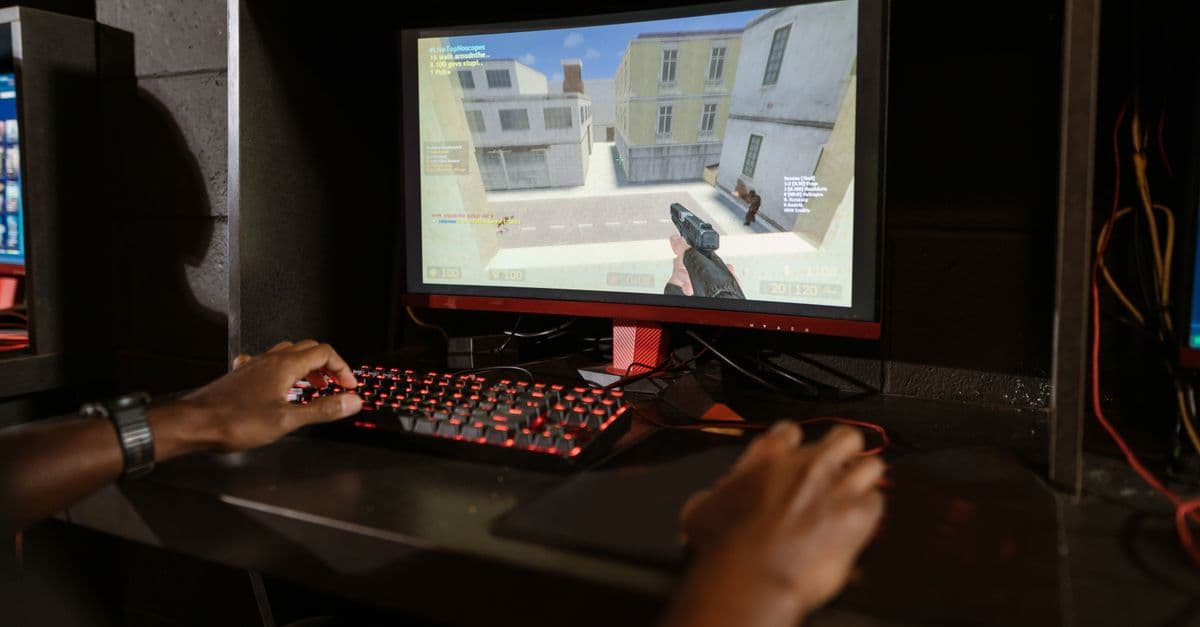
Counter-Strike evolved from a free Half-Life mod into esports' longest-running competitive shooter. Here's how a bomb-defusal game outlasted every rival for 25 years.

Professional esports players react faster, process visual information more efficiently, and maintain strategic decision-making under pressure that most people cannot sustain for minutes, let alone hours of competition. Science is beginning to understand what separates them from the rest.

When you shoot someone in an online game and they die half a second later, that's not a bug — it's the result of intricate engineering to make a fundamentally broken medium feel responsive. Netcode is the invisible science that makes multiplayer gaming possible.