Complete Gaming Guide 2026 — Technology, Design, Esports, and Psychology
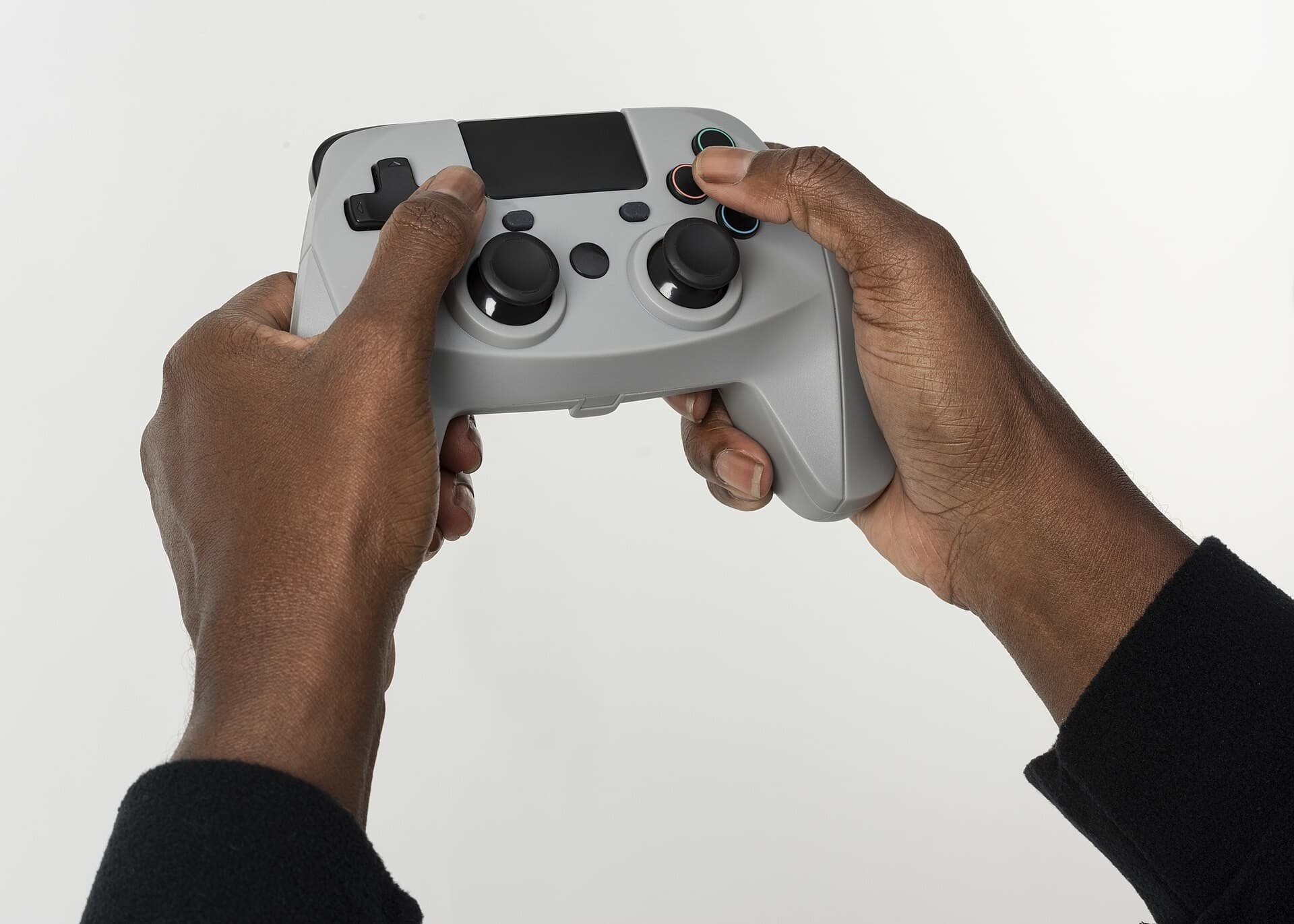
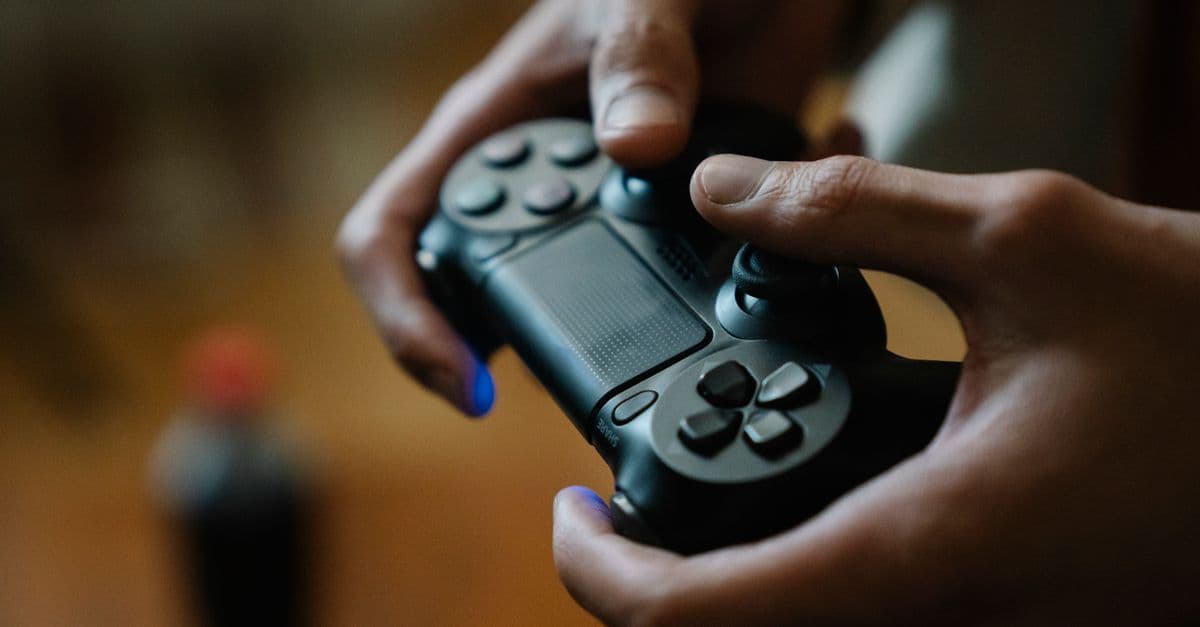
Photo: Vu Hoang (CC BY 2.0) / Wikimedia Commons / CC BY 2.0
Gaming is no longer a niche hobby — it's the largest entertainment medium by revenue, outpacing film and music combined. By 2026, over 3 billion people play games regularly; the global games market exceeds $200 billion; and esports has become a legitimate career path with million-dollar prizes and mainstream sponsorship. Yet most people don't understand what's actually happening under the hood: how game engines render 3D worlds in real time, why certain game designs are addictive, how competitive games balance fairness, or why professional gamers are genuinely athletically talented. This guide explains the science and technology behind modern gaming.
What Modern Gaming Actually Is
Gaming spans platforms (consoles, PC, mobile, cloud), genres (action, strategy, RPG, puzzle, simulation), and business models (full price, free-to-play, subscription). In 2026, the diversity is massive, but certain technical and psychological principles unify the field.
Video game — an interactive digital experience where player inputs control a virtual character or system, with feedback (visual, audio, haptic) and goals that create engagement.
That simple definition hides complexity. A game engine must:
- Render 3D graphics at 60+ frames per second
- Simulate physics (gravity, collisions, movement)
- Manage artificial intelligence for non-player characters
- Network millions of simultaneous players (for online games)
- Balance systems (difficulty, progression, economy) to keep players engaged
All while maintaining a consistent frame rate. If it dips below 60 FPS, players feel input lag. Below 30 FPS, the game feels sluggish. The illusion of real-time control is the foundation of game feel.
How Game Engines Work: From Code to Render
The modern game engine (Unity, Unreal Engine 5, Godot) is one of humanity's most complex software systems. Here's the pipeline:
Scene representation: The game world is stored as a scene graph — a hierarchical structure of objects (player, enemies, terrain, buildings). Each object has properties: position, rotation, scale, material, collision properties.
Physics simulation: Gravity, friction, collision detection run every frame (60 times per second). Physics engines (PhysX, Havok) calculate movement, detect when objects touch, and resolve collisions. This is computationally expensive — major bottleneck in large open-world games. Read how physics works.
Rendering: The engine transforms 3D object data into 2D pixels on your screen:
- Culling: Remove objects not visible to camera (faster)
- Lighting: Calculate shadows, reflections, and how surfaces respond to light
- Rasterization vs. Ray Tracing: Rasterization (traditional) is fast but produces flat, unrealistic reflections. Ray tracing simulates real light physics, bouncing rays until they escape to the "sky," producing photorealistic results but is slower. Modern GPUs handle hybrid approaches — ray tracing for key reflections, rasterization for the rest. Graphics rendering explained.
Game loop: Input → Physics → AI → Rendering → Output. This loop repeats 60+ times per second. Latency (time between input and screen response) must stay under 100 ms, ideally under 50 ms. How online multiplayer works.
| Engine Component | Function | Complexity Level |
|---|---|---|
| Rendering | Transform 3D to 2D pixels | Very High |
| Physics | Gravity, collisions, movement | Very High |
| AI (pathfinding) | NPC movement and decisions | High |
| Audio | Sound generation and spatialization | High |
| Networking | Synchronize multiplayer state | Very High |
| UI/UX | Menus, HUD, dialogs | Medium |
| Animation | Character and object movement | High |
Modern engines automate most of this; developers focus on content (art, levels, gameplay).
Game Design Psychology: Why Games Hook Us
Games aren't accidentally addictive — they're engineered to engage the dopamine reward system.
Flow state (Csikszentmihalyi, 1990) — optimal engagement occurs when challenge slightly exceeds current skill. Too easy = boredom. Too hard = anxiety. The game constantly adapts difficulty to keep you in the flow channel. Game difficulty and flow.
Reward loops provide frequent, varied feedback:
- Immediate: Sound, visual feedback on every action (shooting produces a satisfying "plink")
- Short-term: Loot drops, level ups, progress bars (tangible advancement)
- Long-term: Story progression, cosmetics, ranking systems (persistent motivation)
Variable ratio schedules (Skinner, 1938) — when rewards are unpredictable, engagement is strongest. Loot boxes drop random items; slot machines pay off randomly. This is more addictive than predictable rewards. Loot boxes and gambling psychology.
Social proof and status: Leaderboards, cosmetics (showing off skins), and guilds tap into status-seeking. Seeing your name at the top of a leaderboard activates the same brain regions as financial reward.
Sunk cost fallacy: Hours invested in a game make you reluctant to abandon it. Progression systems are designed so that quitting feels like waste — your character, cosmetics, and rank are gone.
These aren't manipulative tricks specific to games — they're the same psychological principles that drive social media, fitness apps, and shopping. Understanding them makes you a more conscious consumer. Why games are designed to be addictive.
Esports: The Professional Gaming Industry
Esports — competitive video gaming played at professional levels — has grown from underground LAN tournaments to global industry. By 2026, esports generates over $20 billion annually from sponsorships, media rights, and tournament prize pools.
Why some games become esports and others don't:
- Skill cap: The gap between amateur and professional play must be huge. StarCraft requires years to master; casual games plateau quickly.
- Fairness: Random elements (rng) must be minimal or absent. Players want to know the outcome depends on skill, not luck.
- Spectator-friendliness: Casual viewers must understand the excitement without deep knowledge. League of Legends teamfights are visually compelling; strategy game turns are less so.
- Economic viability: Sponsorships, media rights, and fans must sustain tournament prize pools. Games popular with wealthy demographics (teens in developed countries) attract sponsorship.
Professional gamers are genuinely athletic — reaction times average 200-300 ms (elite, top 5%) vs. average person (250-350 ms). Hand-eye coordination rivals professional athletes. Brain activity during competitive play mirrors elite chess players. Esports science.
Esports revenue streams:
- Tournament prize pools ($10-30M for major events)
- Media rights (franchises worth $10-50M per slot)
- Sponsorships (team gear, energy drinks, betting sites)
- Streaming (Twitch, YouTube revenues)
Dominant esports titles (2026): League of Legends, Counter-Strike 2, Valorant, Dota 2, Starcraft II. Mobile games (PUBG Mobile, Honor of Kings) dominate player bases. Esports evolution and competitive legacy.
Hardware: Gaming PCs, Consoles, and Peripherals
Gaming hardware has converged on three platforms by 2026:
Gaming PCs ($1,000-3,000): Desktop computers with high-end GPUs (RTX 5090 series) and CPUs (Intel Core Ultra, AMD Ryzen 9) capable of 4K gaming at 100+ FPS. High cost but maximum performance, upgradeability, and exclusives (Steam, Epic Games Store, free-to-play). Building a gaming PC.
Consoles ($399-599): PlayStation 5, Xbox Series X/S. Fixed hardware, optimized for specific architectures, lower cost than equivalent PC. Exclusive games (God of War, Halo, Final Fantasy). Simplicity appeals to casual players.
Mobile ($0-1,500): Smartphones and tablets dominate by player count. Free-to-play dominates revenue (in-app purchases). Power has grown dramatically; flagship phones (iPhone 16 Pro, Samsung Galaxy S25 Ultra) rival last-gen consoles.
Emerging: Cloud gaming (Xbox Game Pass, PlayStation Plus Premium) streams games from servers, removing the need for local hardware. Latency is the limiting factor; under 50 ms makes response feel local, over 100 ms feels laggy.
Peripherals (keyboard, mouse, controller, headset) are increasingly specialized. Gaming mice have sub-1 ms latency, 8,000-36,000 Hz polling rates, and side buttons for macros. Pro players spend $200+ on mice and keyboards. Choose a gaming laptop.
Game Genres and Their Psychology
FPS (First-Person Shooter): Halo, Counter-Strike, Call of Duty, Valorant. Emphasize reflexes, map knowledge, team coordination. Psychological draw: achievement, dominance, social status on leaderboards. Half-Life's FPS innovations.
Strategy (RTS/Turn-based): StarCraft, Dota 2, Civilization. Emphasize planning, resource management, prediction. Psychological draw: intellectual challenge, long-term planning, emergent complexity. StarCraft mastery and esports.
RPG (Role-Playing Game): Final Fantasy, The Witcher 3, Elden Ring. Emphasize story, character progression, exploration. Psychological draw: narrative immersion, character identification, sense of agency. Soulslike design philosophy.
Open-world: Grand Theft Auto, Red Dead Redemption 2, Skyrim. Large explorable environments, multiple objectives, emergent stories from player interaction. Psychological draw: agency (multiple paths to goals), discovery. World design.
Puzzle/Indie: Portal, Tetris, Braid, Stardew Valley. Minimal story, focus on core mechanic mastery. Psychological draw: flow state, elegance of design, low stakes. Tetris as perfect design.
Social/Multiplayer: Roblox, Fortnite, Minecraft. Player interaction, user-generated content, social status via cosmetics. Psychological draw: belonging, self-expression, social connection. Roblox and user-generated worlds.
Game Balancing: The Math Behind Fairness
Competitive games require careful mathematical balancing. If one character has an 55% win rate and another 45%, the 45% character is objectively worse — players will complain it's unfair.
How balance works:
- Win rate tracking: Track every game outcome; if a character/class deviates from 50% over many games, adjust it
- Counter systems: Most games have rock-paper-scissors-style counters (A beats B, B beats C, C beats A) to prevent single dominant strategy
- Patch cycles: Updates monthly or quarterly tweak abilities, damage numbers, cooldowns to maintain balance
- Ranked play: Separate casual from competitive; casual has more luck/randomness; ranked requires pure skill
Matchmaking rating (MMR) — an invisible skill rating — pairs similar-skill players so games are competitive. If you're 1500 MMR and play a 2000 MMR player, you'll lose and gain MMR accordingly. How matchmaking ratings work.
Balance is an art, not a science — perfect balance would be boring (every character identical). The goal is perceived fairness and varied playstyles.
Procedural Generation and AI
Modern games use procedural generation to create infinite content:
Procedural level generation: Algorithms generate levels on the fly. Minecraft does this — the 30+ quintillion unique blocks ensure you'll never see the same world twice. Procedural generation and Minecraft's system.
Procedural audio: Algorithms generate sound waves in real-time. Wind rustling, rain, and gunfire can be procedurally generated, saving disk space and allowing variation.
NPC AI: Non-player character behavior uses pathfinding (finding the shortest route), state machines (patrol → alert → chase), and machine learning for sophisticated behavior. How pathfinding AI moves NPCs. Game AI behavior.
AI-driven testing: Machine learning now automatically tests games, finds balance issues, detects bugs, and generates novel strategies no human tester would find. AI in game testing.
Career Paths in Gaming: More Than Just Players
Gaming industry careers span far more than playing or streaming. By 2026, the industry employs hundreds of thousands globally, with salaries competitive to tech and film.
Game Development — Programming: Core gameplay, engine, graphics, networking engineers build the systems. Requires computer science or engineering degree plus portfolio. Salaries: $100,000-$180,000 for mid-level; $150,000-$250,000+ for senior/tech lead roles at major studios.
Game Design: Designers define mechanics, balance, progression systems, and narrative flow. Usually requires a portfolio of games (amateur or shipped titles) plus clear design philosophy. Salaries: $80,000-$160,000. Game design philosophy and balance systems matter more than credentials.
Art and 3D Modeling: Environment artists, character artists, animators create visual assets. Requires strong portfolio (tools: Blender, Maya, Unreal Engine). Salaries: $70,000-$150,000. High demand; growing use of AI for asset generation is changing the skill set.
Audio Engineering and Sound Design: Sound designers and composers create ambient audio, music, and effects that shape immersion. Sound design fundamentals are learnable; DAWs (Digital Audio Workstations) democratized production. Salaries: $60,000-$140,000.
QA and Testing: Quality assurance testers break games, find bugs, verify balance and performance. Entry-level role; often path to production or design. Salaries: $40,000-$70,000. AI now automates much QA; AI in game testing is changing this landscape.
Esports and Gaming Operations: Tournament organizers, team managers, esports analysts, coaches, and broadcasters run the competitive ecosystem. Salaries: $50,000-$200,000+ for established esports professionals. Esports science is a growing field.
Streaming and Content Creation: Twitch streamers, YouTube creators, and content producers. Revenue model: sponsorships, affiliate revenue, subscriptions. Top 0.1% of creators earn $100,000+/year; median successful streamer: $30,000-$80,000.
Game Production and Leadership: Producers manage timelines, teams, and resources; directors set creative vision. Requires 5-10 years industry experience. Salaries: $120,000-$300,000+.
Business and Marketing: Publishing requires business development, marketing, community management, and operations staff. Salaries: $70,000-$150,000.
The key insight: gaming careers value portfolio and shipped work over degrees. A strong portfolio (even amateur games made in Unreal or Unity) opens doors across studios. The barrier to entry is skill and persistence, not expensive credentials.
The Future of Gaming: AI, Procedural Content, and Immersion
Gaming technology is approaching inflection points across three dimensions: AI, content generation, and immersion hardware.
AI in Game Generation and Design: Large language models trained on game design documents, level layouts, and narrative structures can now generate game concepts, dialogue, and even partial levels. This accelerates prototyping and reduces artist burden. However, AI-generated content often lacks originality or emotional resonance — it's best used as a starting point, not final product. Games using AI for procedural level generation (already established in Minecraft, roguelikes) are increasingly common. The concern: will AI-generated games feel formulaic? Early evidence suggests human creativity + AI tools produces best results. AI in game asset creation is reshaping the art pipeline.
Procedural Narrative and Dynamic Storytelling: Games are moving beyond branching narratives (choose-your-own-adventure trees) to procedurally-driven narratives where AI systems generate dialogue, quests, and story outcomes. Procedural narrative generation preserves player agency while reducing hand-authored content burden.
Cloud Gaming and Latency Breakthroughs: Cloud gaming (Xbox Game Pass Cloud, PlayStation Plus Premium) streams games rather than running locally. The limiting factor is latency — perceptual lag under 50ms is crucial. By 2026, 5G and optimized encoding have improved cloud gaming viability, but it remains a complementary platform to local hardware rather than replacement. Advantage: access without expensive hardware. Disadvantage: latency, internet dependency, loss of ownership.
VR/AR Convergence: VR gaming remains niche (headset cost, motion sickness, limited installed base). However, AR (augmented reality) on phones is more accessible. The "metaverse" vision (persistent online 3D worlds) has cooled in hype but persists as a long-term direction. By 2026, VR is still primarily a premium niche; mobile gaming dominates casual play. VR and the brain explains why immersion is psychologically powerful but hardware constraints limit adoption.
Anti-Cheat via AI: Cheating (aim-bot, wall-hacking, exploits) has plagued competitive games for decades. AI-driven anti-cheat systems analyze player behavior in real-time, detecting statistical impossibilities (inhuman reaction times, wall-hacks). Deep learning and anti-cheat is becoming standard in major competitive titles, improving fairness.
Neural Interfaces (Speculative): Brain-computer interfaces (BCIs) that interpret intent signals are emerging in research. By 2026, commercial BCIs are still years away and remain research territory. Long-term potential: control games via neural signals without controllers. Challenges: latency, safety, accessibility, cost.
Game Industry Economics: The shift from $70 game sales to free-to-play + cosmetics continues. Live service games (continuous updates, seasonal content, monetization) dominate revenue. This changes design incentives — games are now platforms, not products. Sustainability of live service is uncertain; many games shut down after failing to retain players, erasing consumer purchases. This is reshaping consumer expectations and creating backlash against predatory monetization. Gaming industry economics explains this transition.
The macro trend: gaming is becoming increasingly sophisticated technologically, more AI-assisted in creation, more accessible via cloud and mobile, and more integrated with social/streaming platforms. The barrier between "playing" and "creating" is lowering — player-generated content (mods, user-created games in Roblox/Fortnite) blurs creator/consumer roles.
The Takeaway
Gaming in 2026 is a technically sophisticated, psychologically refined medium that engages billions of people. The technology is remarkable — rendering photorealistic worlds at 60+ frames per second, simulating physics, managing networks. The psychology is equally sophisticated — designers use reward loops, flow states, and social dynamics to create engagement. Esports has legitimized competitive gaming as a skill discipline. Career opportunities span engineering, art, design, production, esports, and content creation — all paths with strong demand and competitive compensation. AI is reshaping content creation and anti-cheat systems; cloud gaming is increasing accessibility; and the industry's shift to live service and player-generated content is transforming how games are made and monetized. Understanding how games work — both mechanically and psychologically — makes you a more conscious player and reveals why games are so compelling. The industry continues growing; the barrier to entry (tools, distribution) has fallen; and gaming increasingly becomes a primary form of entertainment, social connection, and career opportunity.
Frequently Asked Questions
Q: Are video games actually addictive, or is it just motivation?
A: Games are designed to be engaging; addiction is a distinct clinical condition requiring professional diagnosis. That said, games use variable reward schedules and dopamine-triggering mechanics that are psychologically powerful. Some people develop gaming disorder (diagnosed by WHO) characterized by loss of control, prioritizing gaming over health/relationships, and continued despite negative consequences. This affects ~2-3% of players. For most, engagement is healthy motivation, not addiction. Game addiction psychology.
Q: Why are video games good for mental health?
A: Games provide flow state (optimal engagement), social connection, and achievement. Studies show moderate gaming correlates with better problem-solving, reduced anxiety, and improved mood. However, excessive gaming (8+ hours daily) correlates with depression and poor sleep. The dose matters. Gaming and mental health.
Q: Can I become a pro gamer if I start now?
A: Yes, but it's rare. Pro gamers typically start by age 15-18 and practice 8-12 hours daily for 3-5 years to reach top 1% skill. If you're older, competition gaming or game design are more realistic paths. Esports as a career.
Q: Why do some games last 20+ years and others die?
A: Games with strong esports scenes (League of Legends, Counter-Strike) sustain themselves through competitive play and regular updates. Games with engaged creative communities (Minecraft, Roblox) stay alive through user-generated content. Single-player games often have 5-10 year lifespans once the story is completed and replayed value is exhausted.
Q: What's the difference between speedrunning and normal play?
A: Speedrunning exploits game mechanics and glitches to complete games as fast as possible. Runners memorize optimal routes, master movement mechanics, and find sequence breaks (skipping intended progression). Speedrunning science.
Q: Is gaming bad for your eyes/posture/health?
A: Extended screen time strains eyes (20-20-20 rule: every 20 minutes, look 20 feet away for 20 seconds helps). Poor posture can cause pain. Gaming itself isn't bad; excessive gaming without breaks is. Take regular breaks, maintain good posture, and adjust screen brightness.
Topics Covered in This Guide (Deep Dives)
Game Technology & Engineering
- How Game Engines Work: Unity, Unreal Explained
- How Graphics Cards Render 3D Games
- Physics Simulation & Neural Networks in Game Engines
- How Online Multiplayer Games Work: Netcode
- Why Lag Compensation is Controversial
- How Game Engines Render Lighting
- Procedural Generation: How Minecraft Worlds Work
- How Procedural Generation Creates Infinite Game Worlds
- Procedural Audio Creates Sound
- Procedural Level Generation & Machine Learning
Game Design & Psychology
- How Game Difficulty Works: The Science of Challenge and Flow
- Why Video Games are Designed to be Addictive: The Psychology Behind the Loop
- How Loot Boxes Work: Psychology of Gambling
- Game Difficulty Design: Rubber Banding Explained
- Why Save Systems Change Player Behavior
- Why Random Loot Feels Rewarding
- Why Frame Rate Changes Game Feel
- Game Sound Design: How Audio Creates Immersion
- How Hitboxes Work in Video Games
Game AI & Mechanics
- How Game Physics Engines Work
- How Pathfinding AI Moves NPCs
- Game AI: How NPC Behavior Works
- Neural Networks & NPC Behavior in Game AI
- AI Game Balancing: Dynamic Difficulty
- AI Game Asset Creation: Art Generation
- AI Game Testing: Quality Assurance
- Deep Learning & Anti-Cheat Systems in Gaming
- Reinforcement Learning & Strategy Games: AlphaGo
- How Matchmaking Ratings Work
Competitive Gaming & Esports
- Esports in 2026: The Rise of Competitive Gaming
- Esports Science: What Makes Pro Gamers Different
- Esports Analytics: Player Performance & AI
- League of Legends: Esports Dominance
- Counter-Strike: Esports Evolution
- StarCraft: RTS Mastery
- Dota 2: Competitive Legacy
Gaming Hardware & Performance
- How to Build a Gaming PC on a Budget in 2026
- How to Choose the Best Gaming Laptop in 2026
- What is the Best Gaming PC Build in 2026: Complete Buyer's Guide
Game History & Genres
- History of Video Games: From Pong to Open Worlds
- History of Graphics: From Pong to Photorealism
- The Most Anticipated Video Games of 2026
- What Are the Best Free-to-Play Games in 2026
Iconic Games & Game Design
- Tetris: Perfect Game Design
- Super Mario Bros: Reinvention of Gaming
- Half-Life: Narrative FPS Innovation
- Dark Souls: Difficulty Philosophy
- Soulslike: Influence of Elden Ring
- Halo: Combat Evolved FPS
- Doom: First-Person Shooter Origins
- Street Fighter: Fighting Games
- Metroidvania: Exploration Design
- Roguelike Games: Hades
- The Last of Us: Gaming Storytelling
- The Witcher 3: Open-World RPG
- Zelda: Ocarina of Time 3D Adventure
- Red Dead 2: World Design
- GTA: Open-World Design
- Minecraft: Sandbox Creativity
- World of Warcraft: MMORPG Legacy
- Overwatch: Team Shooter Design
- Valorant: Tactical Precision
- Apex Legends: Battle Royale Innovation
- Fortnite: Battle Royale
- Among Us: Asymmetric Multiplayer
- Roblox: User-Generated Metaverse
- Pokémon: The Gaming Phenomenon
- Indie Games: David vs. Goliath
- Game Modding: Community Creation
- Speedrunning: Pushing Limits
- Speedrunning Science: How Glitches Work
Gaming Culture & Impact
- Women in Gaming: Progress
- Gaming Mental Health: Wellness
- Game Accessibility: Inclusive Design
- Mobile Gaming Revolution
- Retro Gaming Revival
- VR Gaming: Immersion
- How VR Virtual Reality Tricks the Brain
- Rhythm Games: Beat Saber
- Psychology of Gaming: Why Games Are Addictive
- The Economics of the Gaming Industry: How Games Make Money
- The Ultimate Guide to Gaming in 2026
Read next:
Follow new articles
Add SciHub101 to your feed reader to see new science and technology stories.
About the Author
SciHub101 is an independent science and technology publication founded and edited by Buğra Sözeri, a software engineer and app developer based in Türkiye. AI tools assist with drafting and research. Source documentation in the existing archive is uneven, and articles are being reviewed and corrected. The Editorial Team byline identifies editorial responsibility; it does not certify specialist or independent human review. Where we compare products, anything built by our own team is labelled as such — see the editorial guidelines and About page for how corrections and disclosures work.
Related Articles
The Economics of the Gaming Industry: How Games Make Money
The gaming industry generates roughly $190–200 billion a year — more than film and music combined. Free-to-play, battle passes, live service, and subscriptions have replaced the simple box purchase. Here's how the economics actually work.

Game Sound Design: How Audio Creates Immersion
You hear a footstep above you in *Alien: Isolation* and your heart rate spikes before you consciously register what you heard. Game audio operates at the boundary of conscious and unconscious processing — and the science behind it is as sophisticated as anything in visual rendering.

History of Video Game Graphics: From Pong to Photorealism
Video game graphics have advanced further in 50 years than almost any other technology. The journey from two white rectangles bouncing a dot to real-time ray-traced worlds is a story of engineering leaps, creative constraints, and an endless push to make the virtual look real.
How Loot Boxes Work: The Psychology of Gambling Hidden in Your Video Games
Loot boxes generate billions in revenue by exploiting the same psychological mechanisms as slot machines. Here's the science behind why they're so effective — and why regulators worldwide are paying attention.
The Science of Speedrunning: How Glitches and Exploits Work
Completing a 50-hour game in 20 minutes sounds impossible, but speedrunners do it by exploiting the fundamental gap between what a game looks like and how it actually works in memory. Understanding how glitches work is essentially a course in low-level computer science.