Inventions
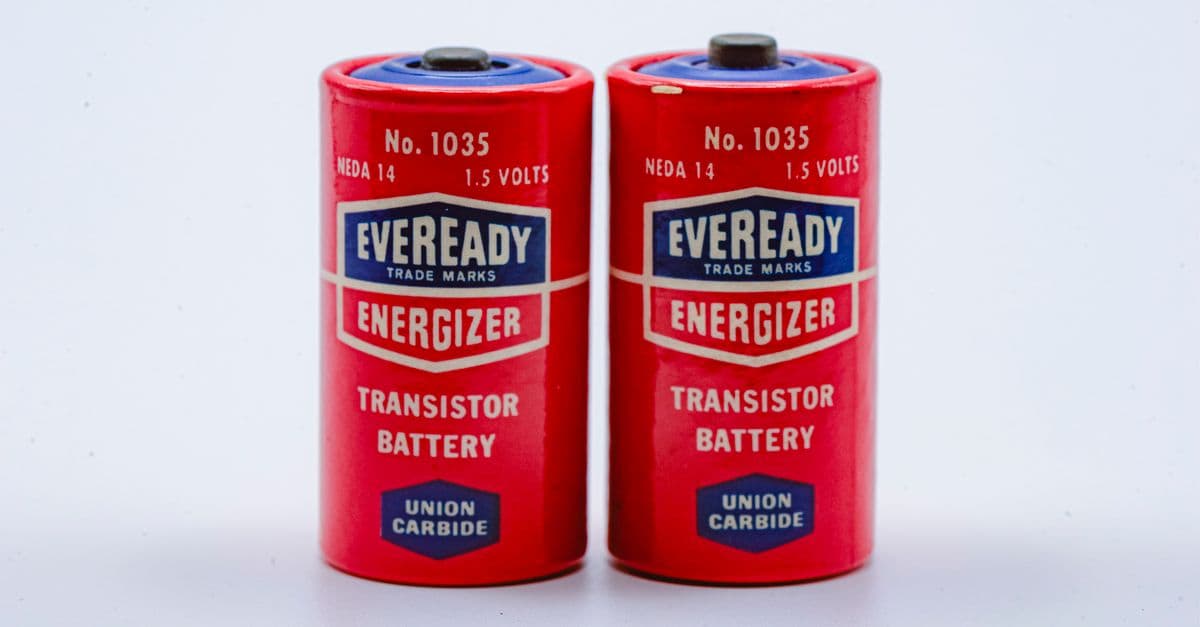
Battery Invention: From Volta Pile to Lithium-Ion
The battery begins with Volta's pile, but modern batteries evolved through chemistry, materials, portability, and rechargeable systems.
The stories behind world-changing inventions: who built them, what they actually do, the accidents and rivalries — penicillin, transistor, internet, CRISPR, and more.
The battery begins with Volta's pile, but modern batteries evolved through chemistry, materials, portability, and rechargeable systems.
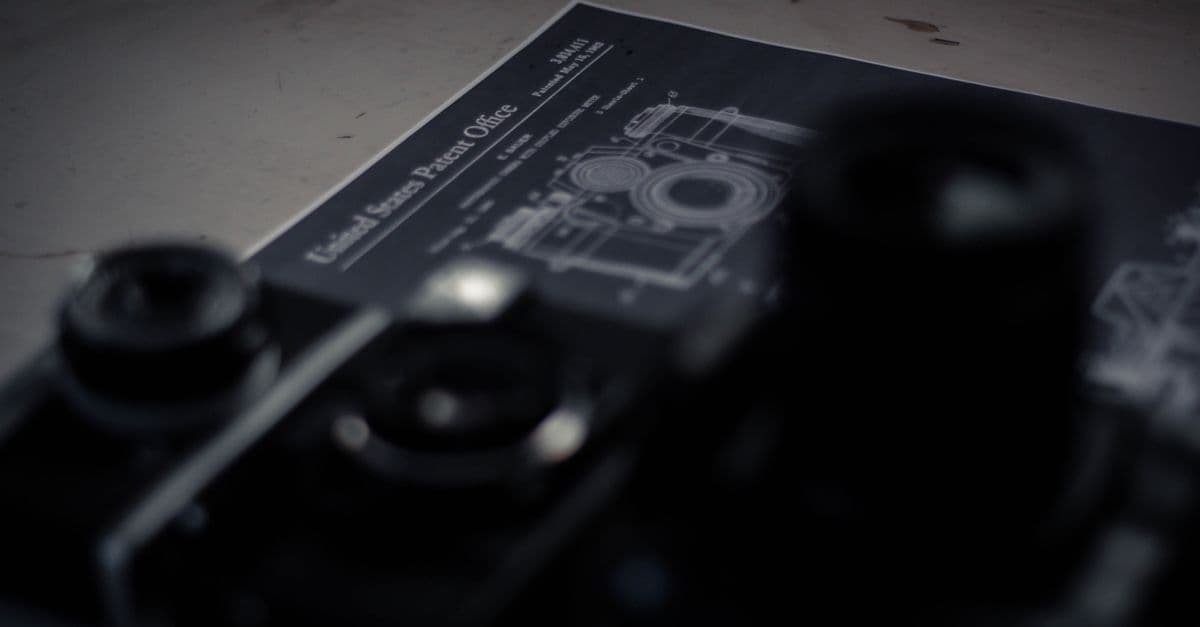
The camera evolved from the camera obscura to chemical photography and digital sensors. This guide explains the chain of inventions.
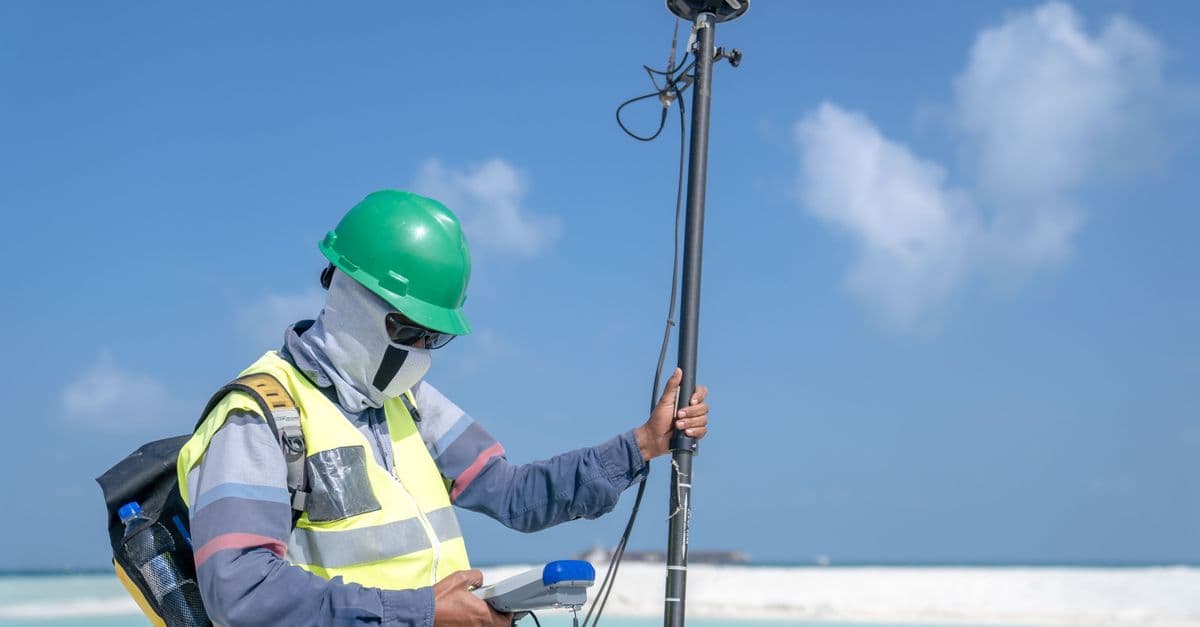
GPS was not one person's invention. It came from satellites, atomic clocks, relativity, military navigation, and decades of engineering.
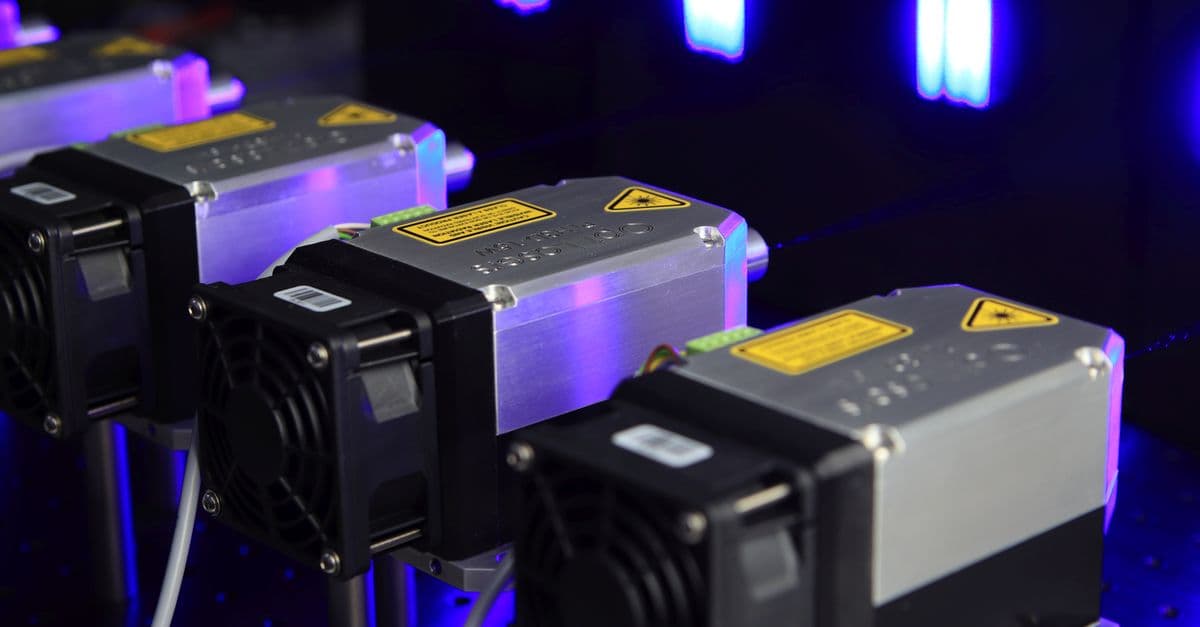
The laser grew from quantum theory, masers, optical engineering, and patent battles. This article explains how coherent light became a world-changing tool.
The microchip emerged from parallel breakthroughs by Jack Kilby and Robert Noyce. This guide explains the invention that made modern computing possible.
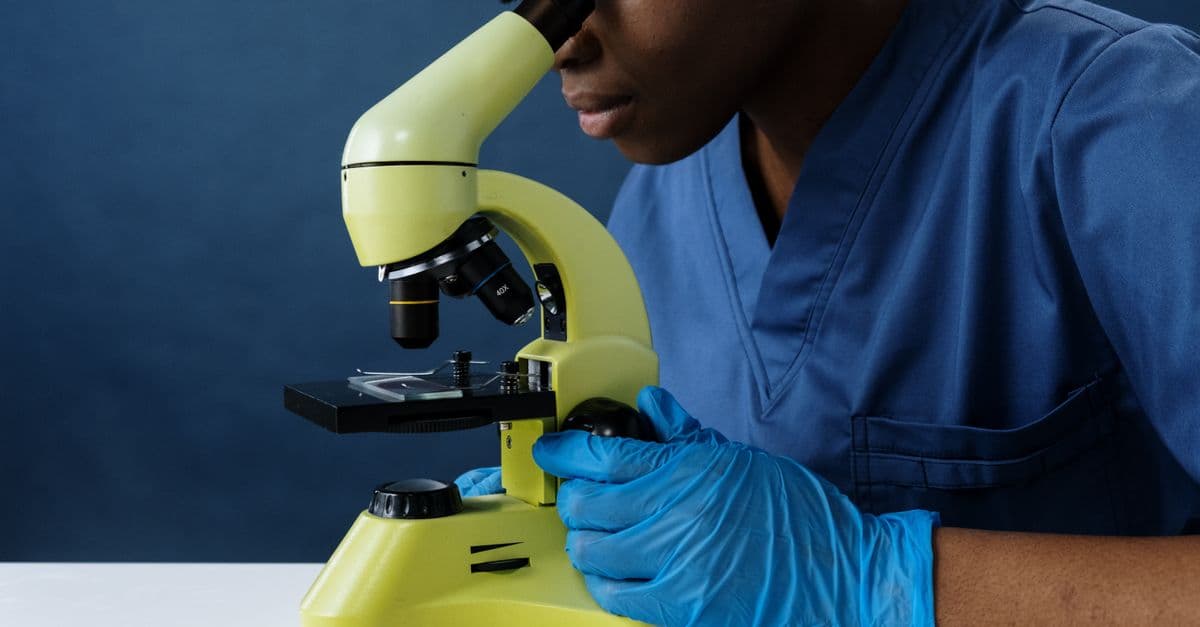
The microscope opened the hidden world of cells and microbes. This article explains lenses, early makers, Leeuwenhoek, Hooke, and modern microscopy.
The telephone's invention involved Alexander Graham Bell, Elisha Gray, Antonio Meucci, patents, and the race to transmit speech electrically.

Television emerged from mechanical scanning, cathode-ray tubes, electronic imaging, and broadcast infrastructure. This guide explains the real invention story.
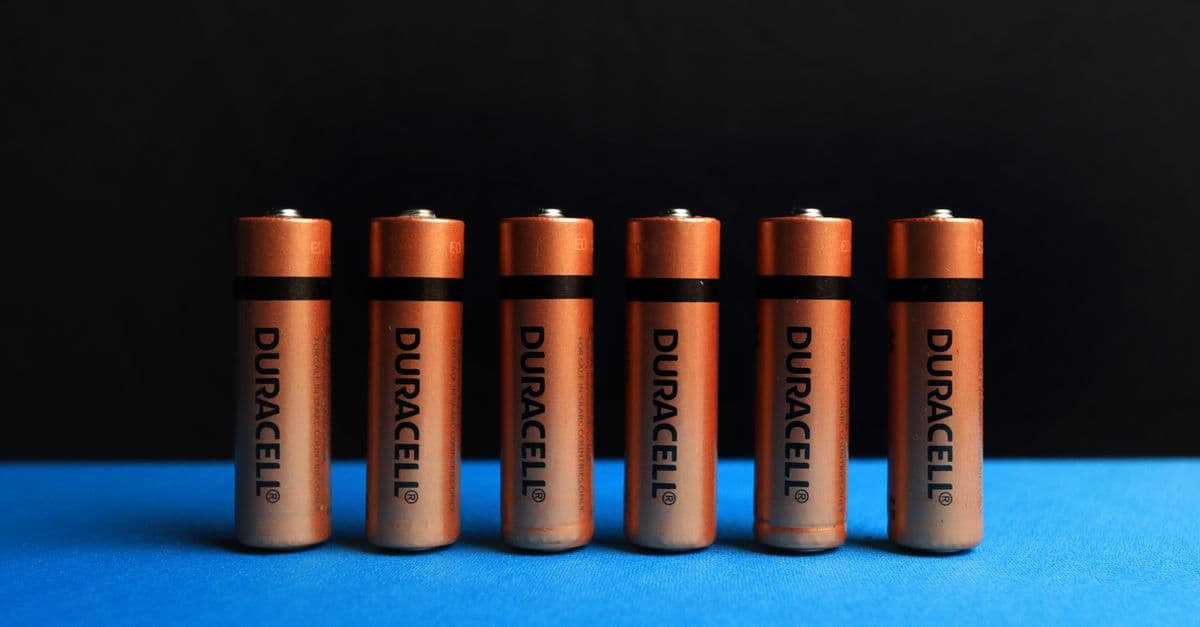
How a misnamed physics error became the world's fastest energy storage device, from Becker's 1957 accident to today's electric brakes.

Brain-computer interfaces convert neural signals into digital commands. From Vidal's 1973 coinage to Neuralink's 2024 human implant, here's how BCIs work and what they can and cannot do.
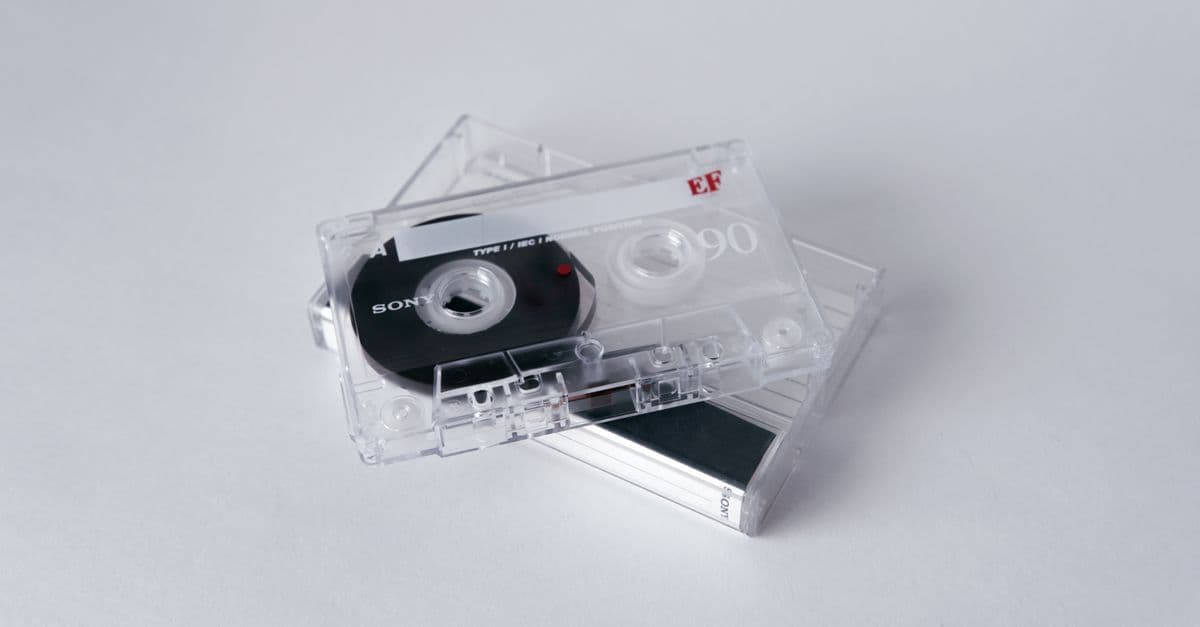
From Poulsen's 1898 telegraphone to the AEG Magnetophon to Ampex and the digital era, magnetic tape recording shaped music, broadcasting, computing, and data storage for a century.
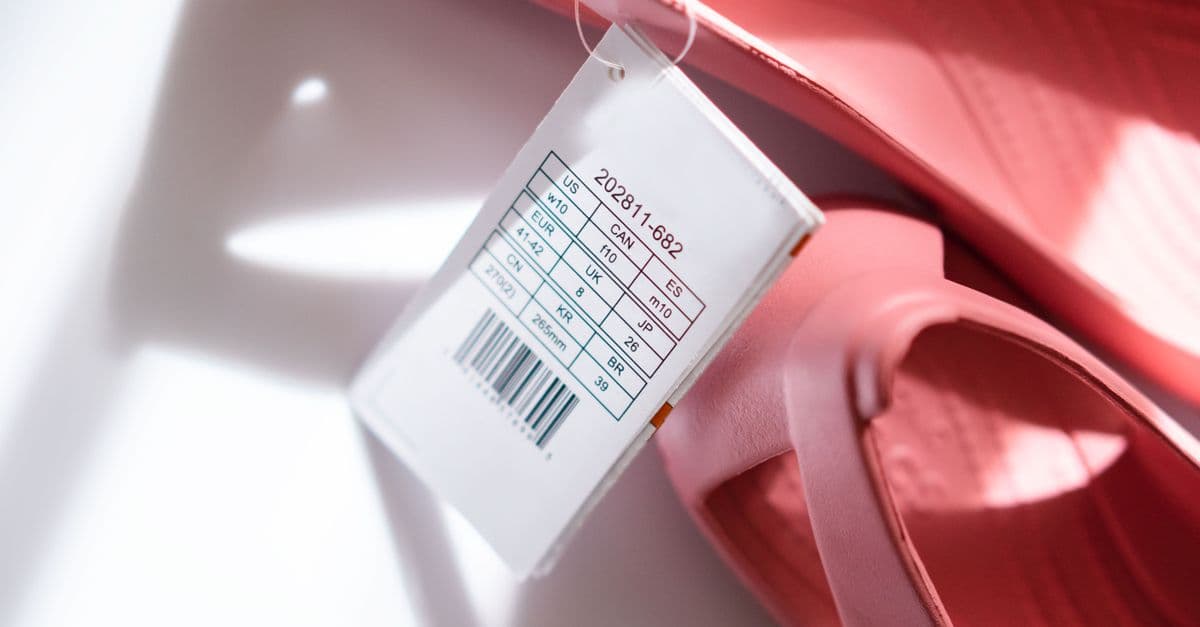
From Woodland's 1948 beach sketch to the first Wrigley gum scan in 1974, discover how the barcode rewired retail, logistics, and supply chains worldwide.