
Inventions
The Seatbelt: How Nils Bohlin's 1959 Design Saves a Million Lives
Nils Bohlin's three-point seatbelt, introduced by Volvo in 1959 and given free to the world, remains the single most effective automotive safety device ever made.
The stories behind world-changing inventions: who built them, what they actually do, the accidents and rivalries — penicillin, transistor, internet, CRISPR, and more.
Nils Bohlin's three-point seatbelt, introduced by Volvo in 1959 and given free to the world, remains the single most effective automotive safety device ever made.
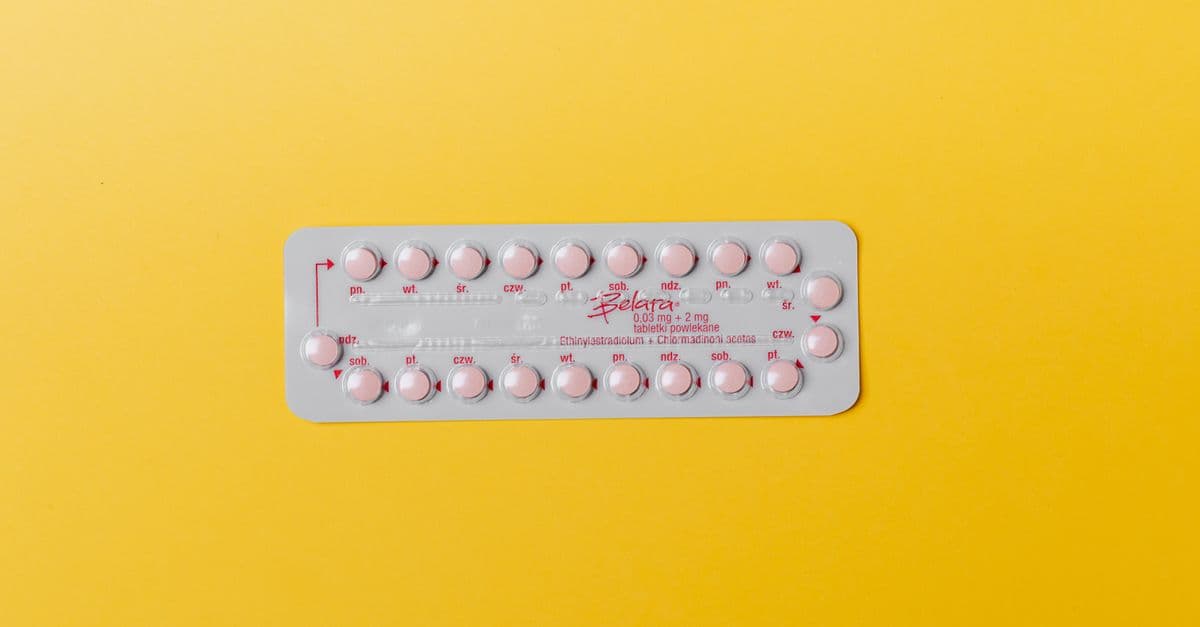
From Richard Richter's 1909 silkworm-gut ring to the Dalkon Shield disaster and Mirena's hormonal breakthrough, the IUD's story spans medicine, law, and reproductive rights.
How Doudna and Charpentier repurposed a bacterial immune system into a precise gene-editing tool, winning the 2020 Nobel and sparking a decade of scientific and ethical debate.
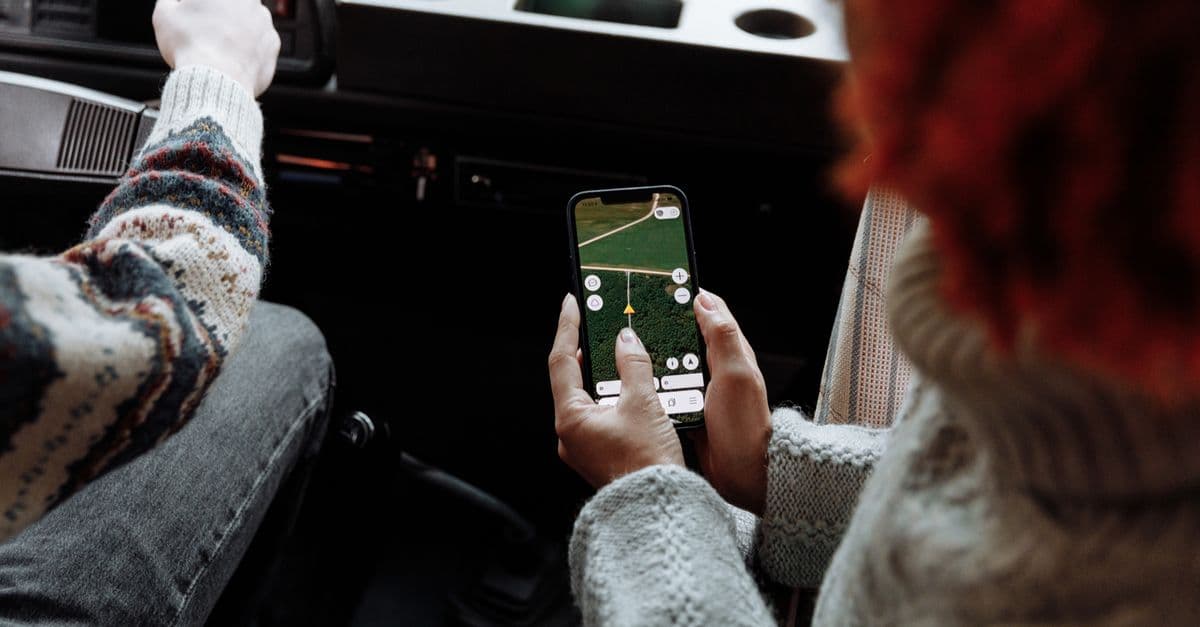
How Bradford Parkinson, Ivan Getting, and Roger Easton built a satellite navigation system for nuclear bombers that became the infrastructure of everyday life.
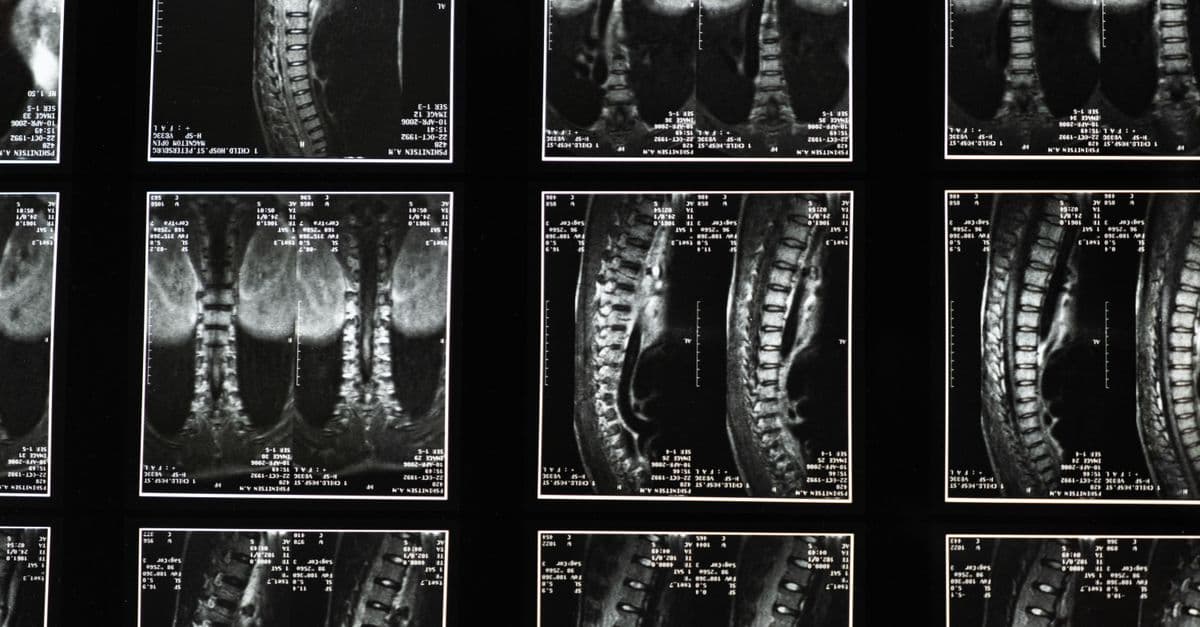
How Lauterbur's 1973 Nature paper and Mansfield's math turned nuclear magnetic resonance into the scanner that sees inside living tissue without radiation.
How Katalin Karikó and Drew Weissman solved the immune rejection problem with mRNA in 2005, spent 15 years ignored, then changed medicine during a pandemic.

How a contaminated petri dish in 1928 led to the world's first antibiotic, saving an estimated 200 million lives across eight decades of medicine.
How Bell Labs' 1954 silicon breakthrough, a 1958 satellite, and a 99.9% price collapse turned sunlight into the world's cheapest source of electricity.
How Chuck Hull's 1984 stereolithography patent grew into a technology that builds jet engine parts, human tissue, and entire houses layer by layer.
John Hetrick patented the airbag in 1952 after swerving to avoid a deer. It took 37 more years for a US mandate—and the Takata scandal nearly destroyed trust in the device that saves 50,000 lives a year.
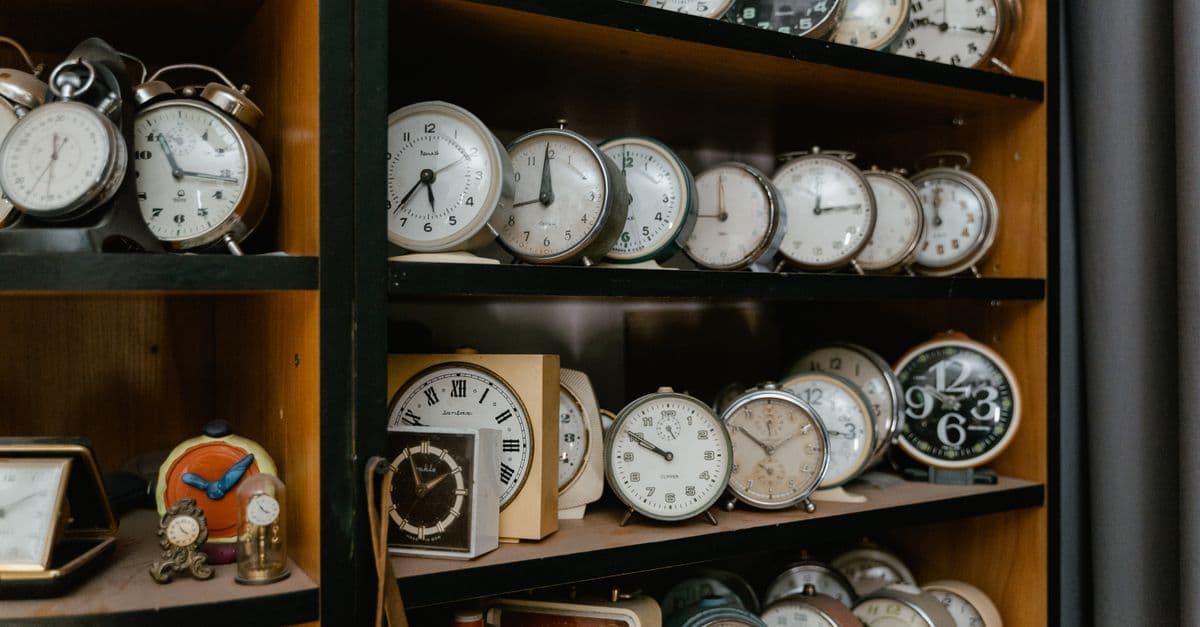
Louis Essen's 1955 cesium clock at NPL redefined the second and made GPS possible. Now optical clocks are 1,000 times more precise — and the second will be redefined again by 2030.
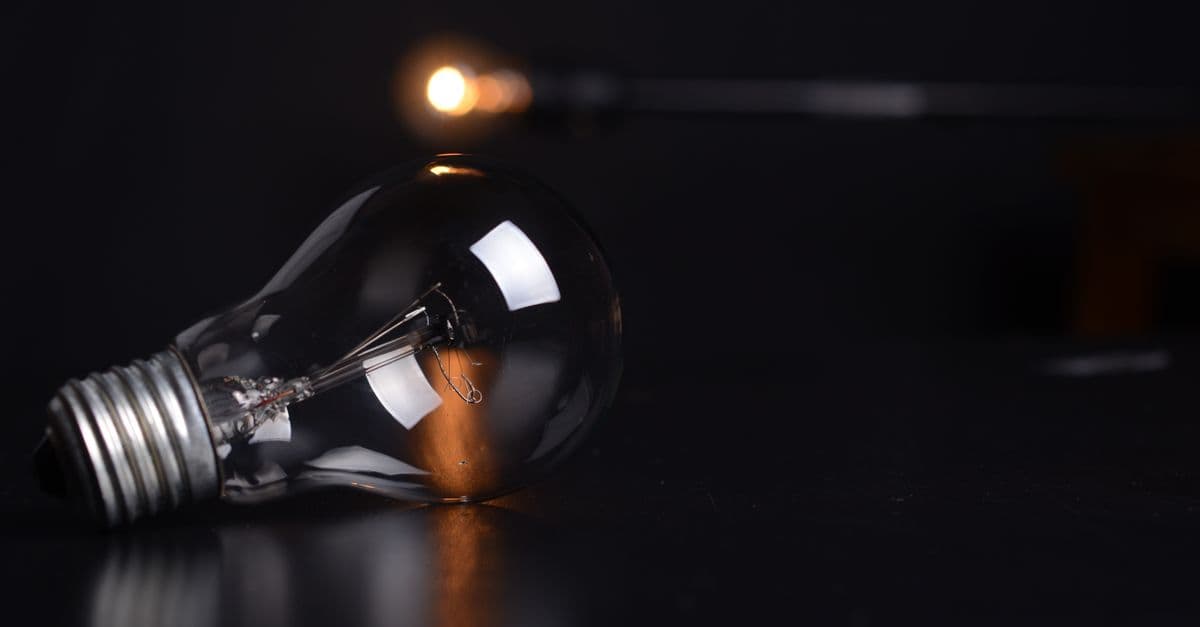
From Alessandro Volta's 1800 voltaic pile to the 2019 Nobel Prize for lithium-ion: how the battery became the defining technology of the portable power age.