Inventions
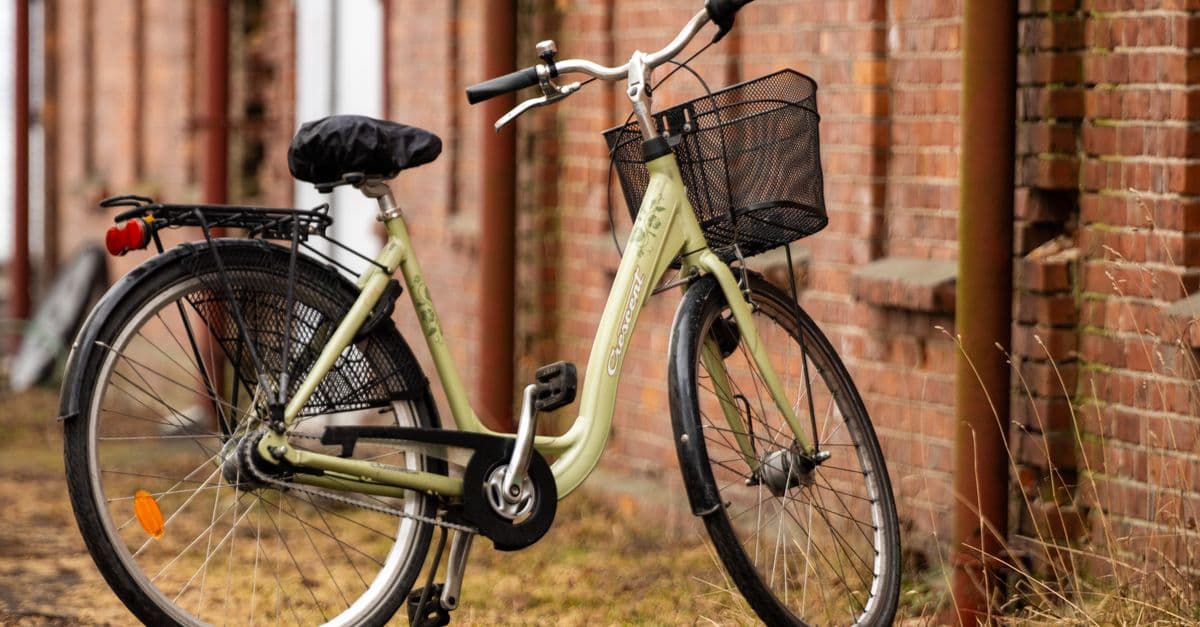
The Bicycle: From Running Machine to 1.6 Billion Wheels
Karl Drais built a steerable two-wheeler in 1817. It took 68 more years and four distinct designs to reach the bicycle you recognize today.
The stories behind world-changing inventions: who built them, what they actually do, the accidents and rivalries — penicillin, transistor, internet, CRISPR, and more.
Karl Drais built a steerable two-wheeler in 1817. It took 68 more years and four distinct designs to reach the bicycle you recognize today.
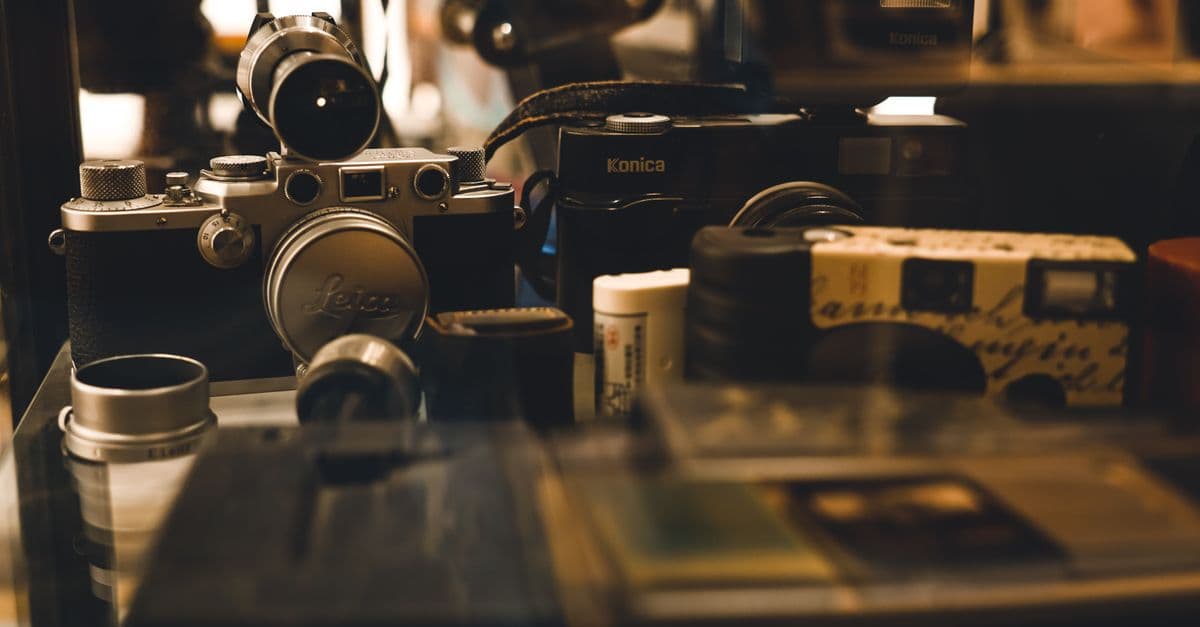
From Niépce's 1826 pewter plate to the CCD sensor that won the 2009 Nobel Prize — how photography evolved from a chemical curiosity into the most used technology on Earth.

How Diners Club's 1950 charge card, BankAmericard's revolving credit, the magnetic stripe, and the EMV chip built the network behind card payments.
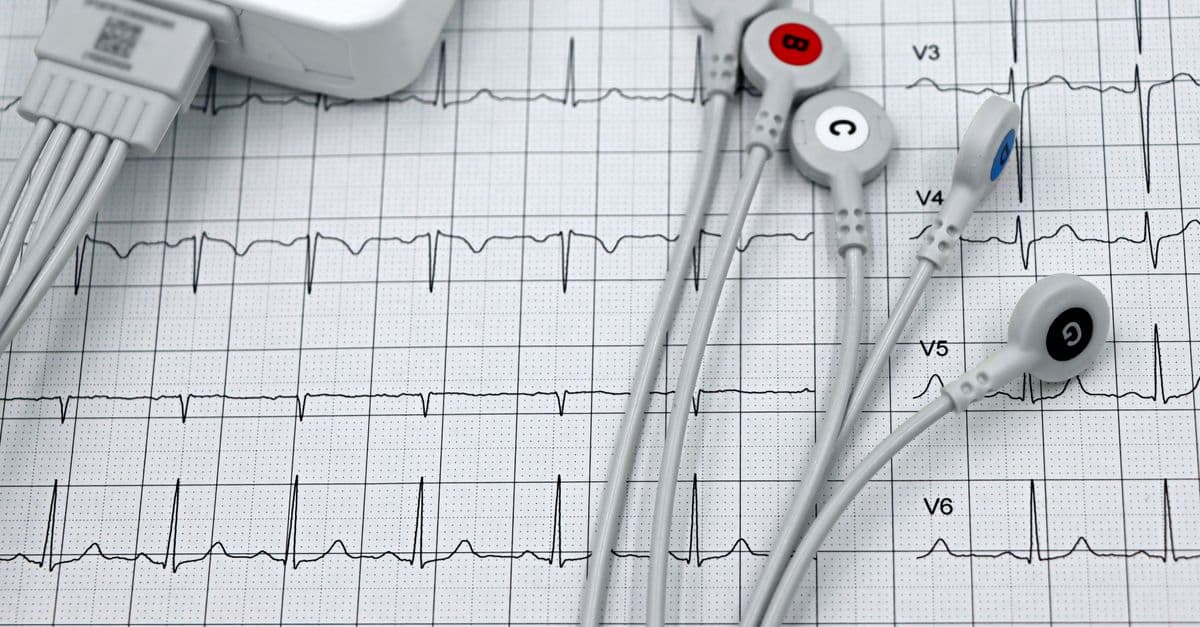
Claude Beck saved a life with open-chest paddles in 1947. Bernard Lown made it safe in 1962. Frank Pantridge put it in an ambulance in 1965. Today, a smartwatch can detect the arrhythmia that kills 350,000 Americans a year.

From Beauchamp's 1931 Frying Pan to Fender's Stratocaster, the electric guitar's invention reshaped jazz, rock, and every genre that followed. Here's the full story.
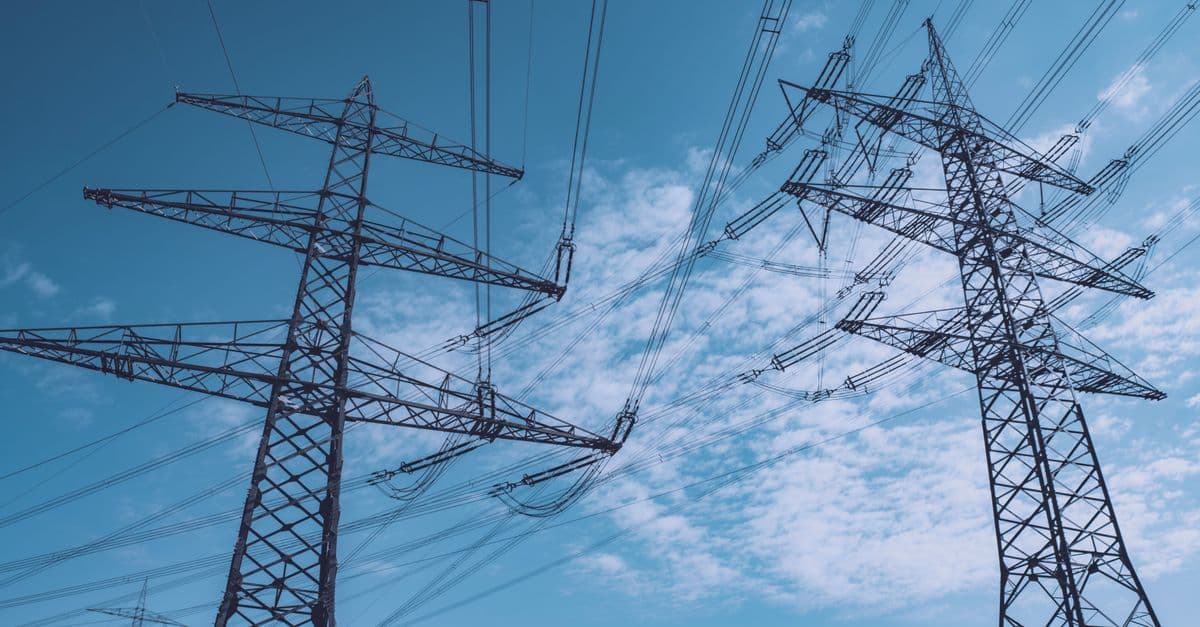
From Edison's Pearl Street DC station in 1882 to the AC war of currents, Insull's monopoly model, and today's smart grid, the electrical power grid shaped every hour of modern life.
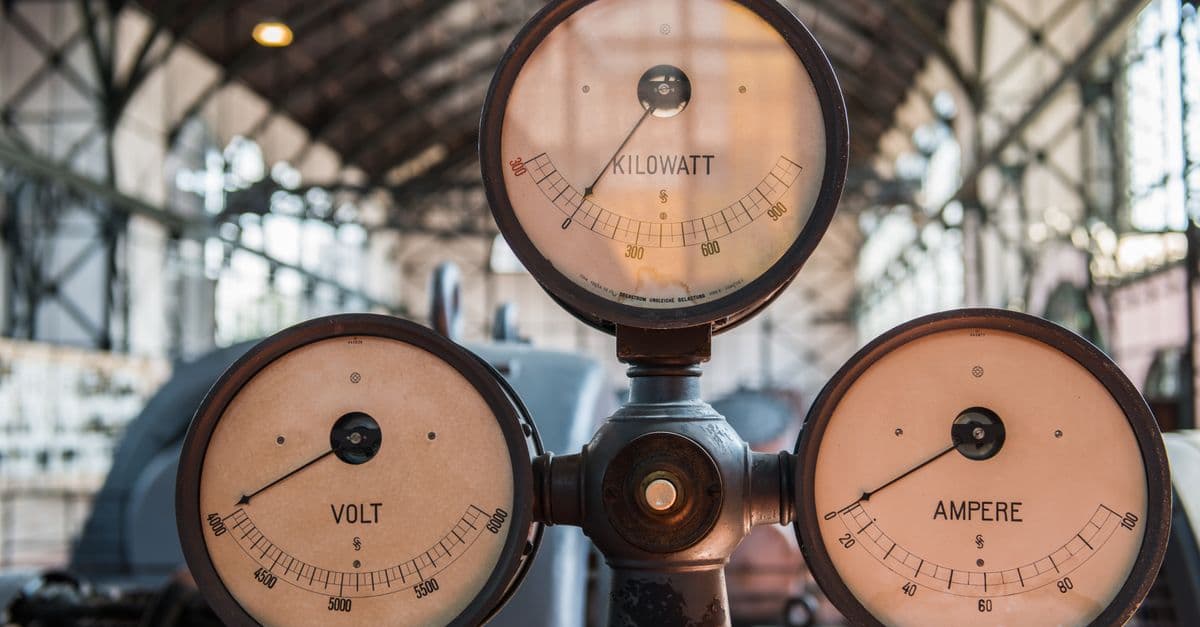
Michael Faraday's 1821 rotating wire became the device that now consumes 50% of the world's electricity. Here's how the electric motor works and why Tesla's AC design won.

How Philippe-Guy Woog's 1954 Broxodent, a glue-gun toy frog idea, and University of Washington research built the $4 billion electric toothbrush market — and what the evidence says it does.
How Hans Berger's secret obsession with telepathy in 1924 produced the EEG—and why those squiggly lines still diagnose epilepsy and decode sleep 100 years later.

Charles Kao's 1966 paper proved pure glass could carry light across continents. Corning proved it in 1970. Today 1.5 million km of fiber carries 95% of global internet traffic.
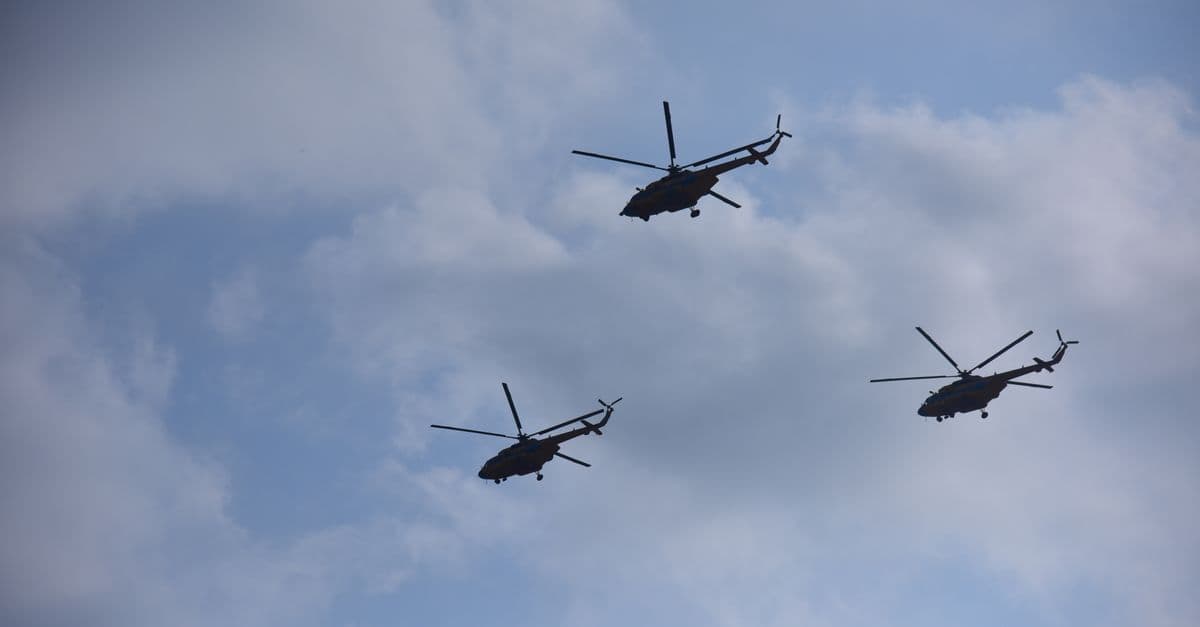
How Paul Cornu's 1907 hop, Focke's 1936 twin-rotor, and Sikorsky's 1939 VS-300 solved the problem of vertical controlled flight — and where it went next.
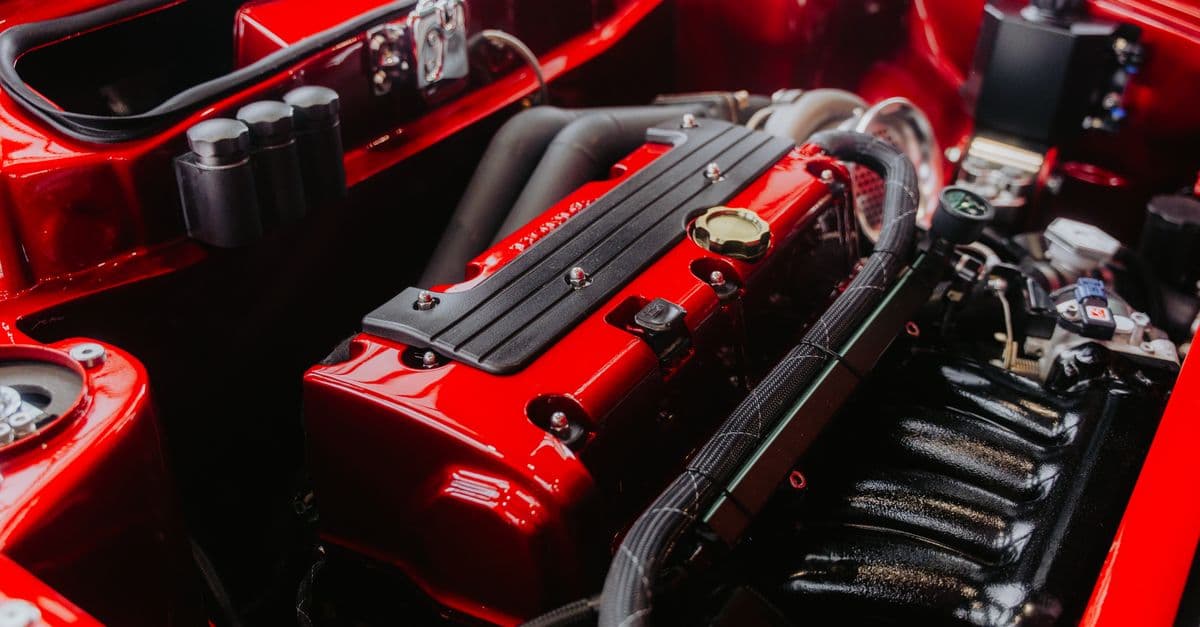
From Lenoir's 1860 coal-gas motor to Diesel's compression ignition, the internal combustion engine powered a billion vehicles. Here is how it works and where it is going.