Inventions
The Invention of the Internet
How ARPANET's 1969 first message, packet switching theory, and Cerf and Kahn's 1974 TCP/IP paper created a network connecting 5.5 billion people.
The stories behind world-changing inventions: who built them, what they actually do, the accidents and rivalries — penicillin, transistor, internet, CRISPR, and more.
How ARPANET's 1969 first message, packet switching theory, and Cerf and Kahn's 1974 TCP/IP paper created a network connecting 5.5 billion people.
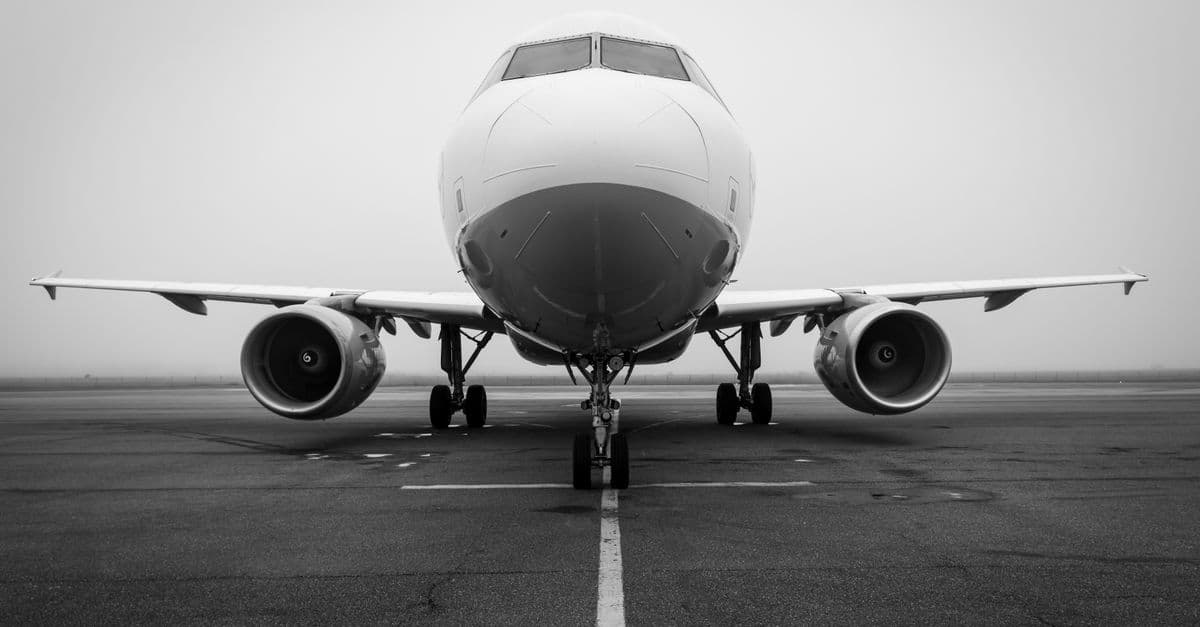
The de Havilland Comet launched the jet age in 1952, then killed 56 people through metal fatigue. How aviation rebuilt trust and shaped the modern world in its wake.
How Townes and Schawlow's 1958 paper, Maiman's 1960 ruby device, and a 30-year patent war produced the most versatile tool in modern science.
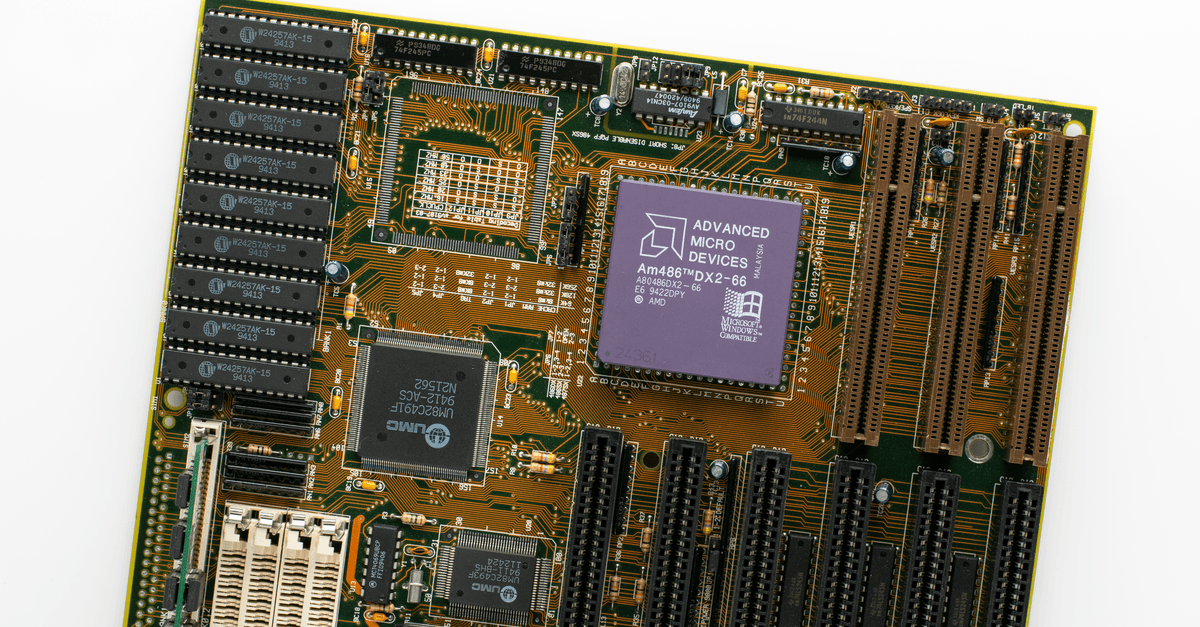
Jack Kilby and Robert Noyce independently invented the integrated circuit in 1958–59. Here's how a germanium sliver and a silicon wafer changed everything.
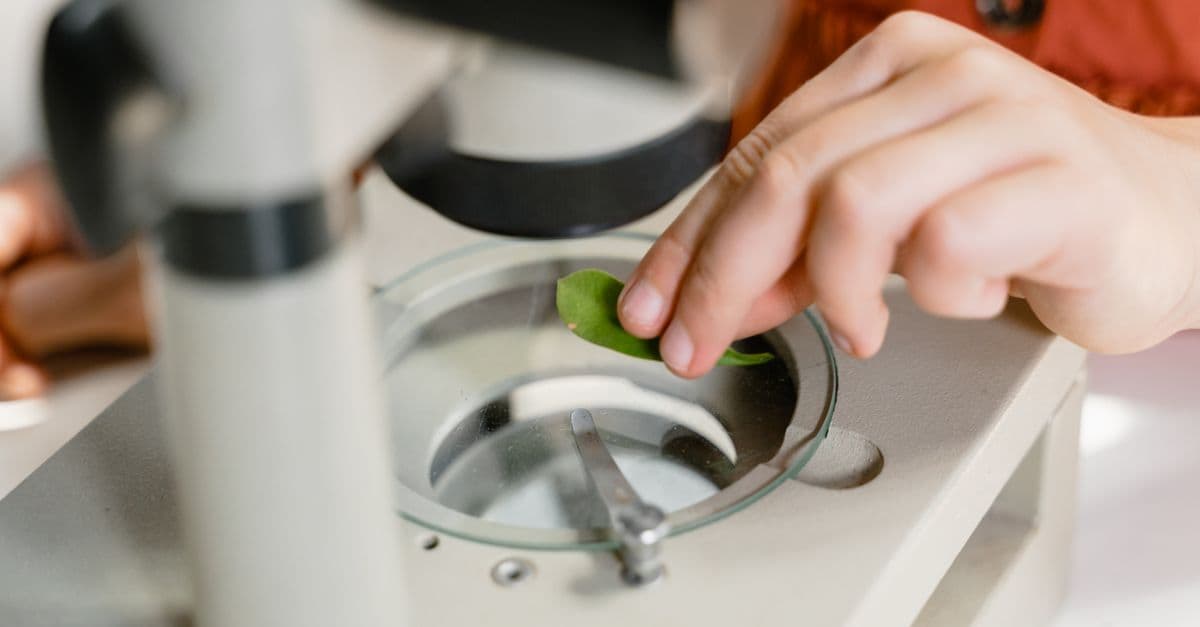
From Zacharias Janssen's first compound microscope around 1590 to Nobel-winning super-resolution techniques: how the microscope revealed the hidden universe of cells and microbes.
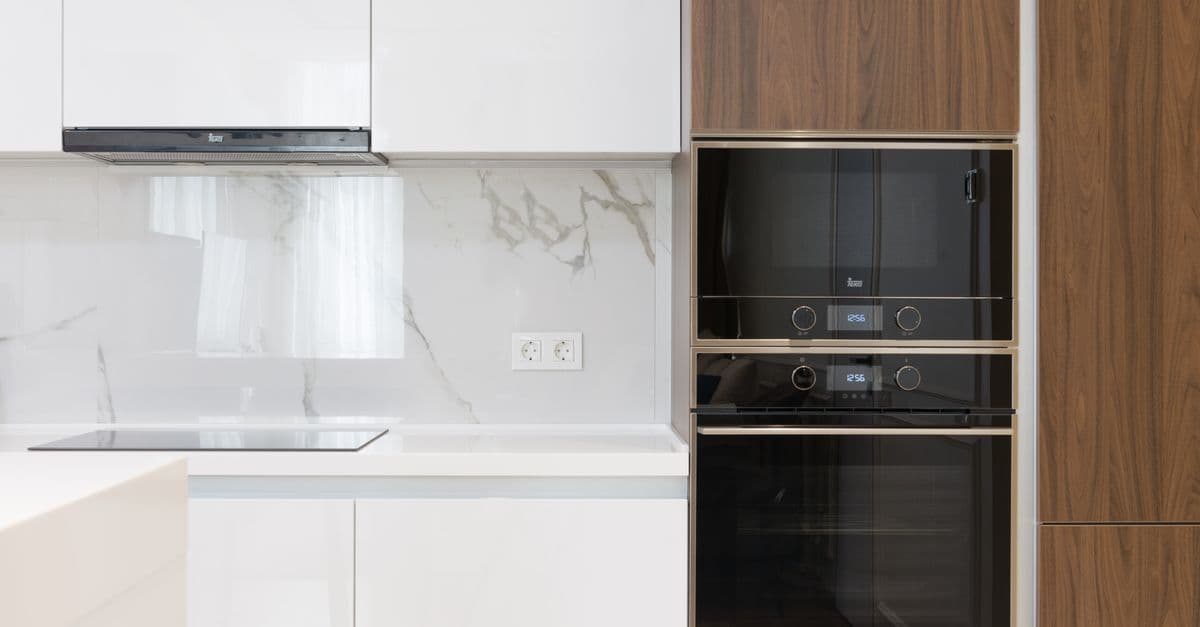
How Percy Spencer's 1945 accident near a Raytheon magnetron produced the Radarange — and eventually the appliance in 90% of US homes.
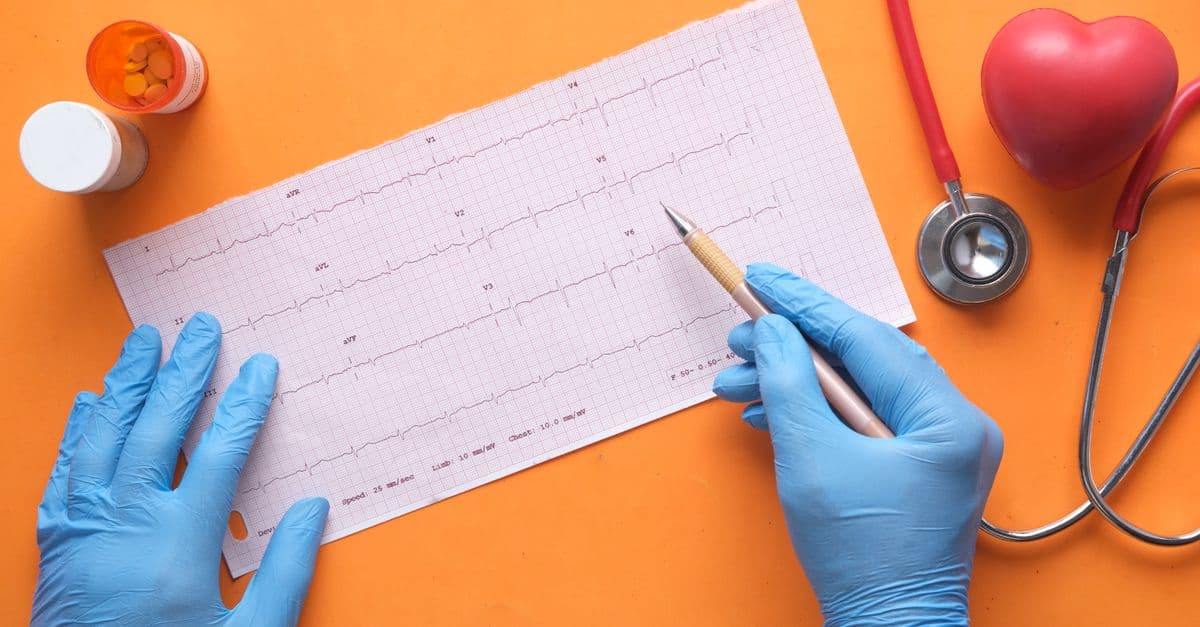
How a wrong resistor in 1958 led Wilson Greatbatch to invent the implantable pacemaker — and how Arne Larsson lived to 86 wearing 26 of them.
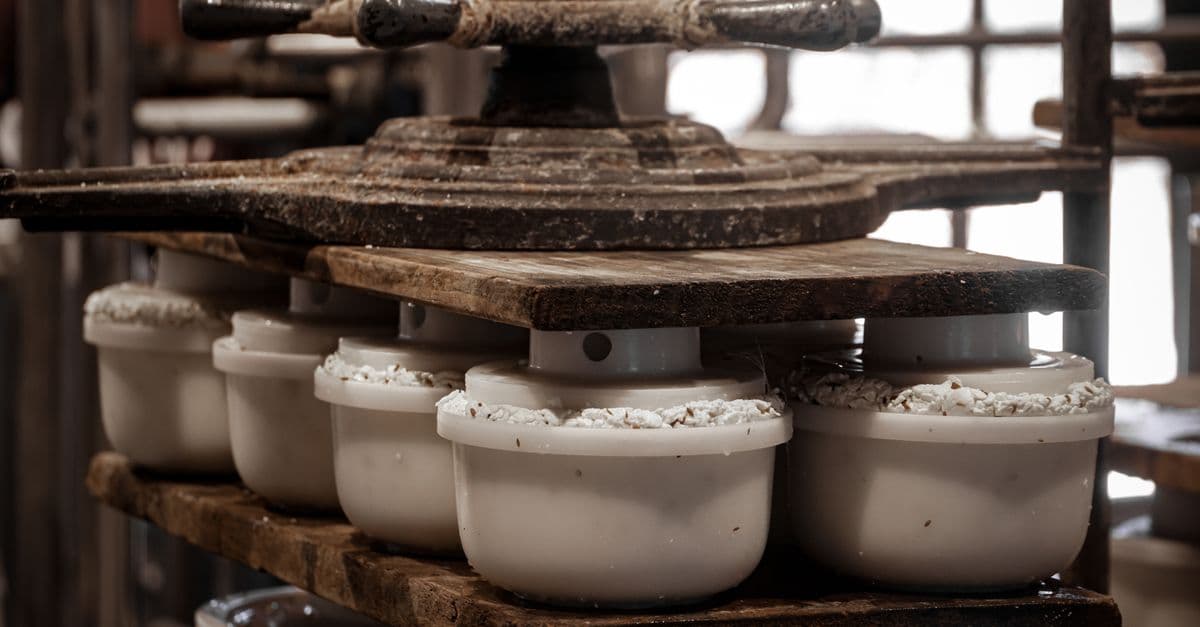
Louis Pasteur invented pasteurization in 1864 to save wine. It took another 50 years to reach milk—and the delay cost hundreds of thousands of children their lives.
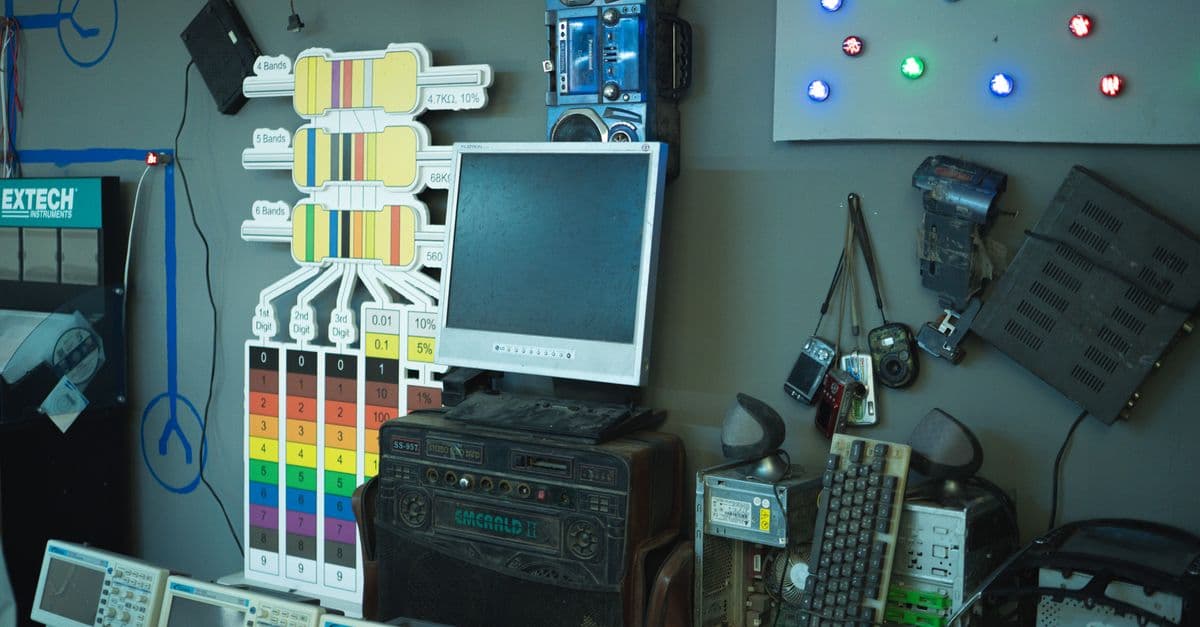
How the Altair 8800, Apple I, and IBM PC turned computing from an institution's tool into a personal one — and why IBM's open architecture was its biggest strategic blunder.
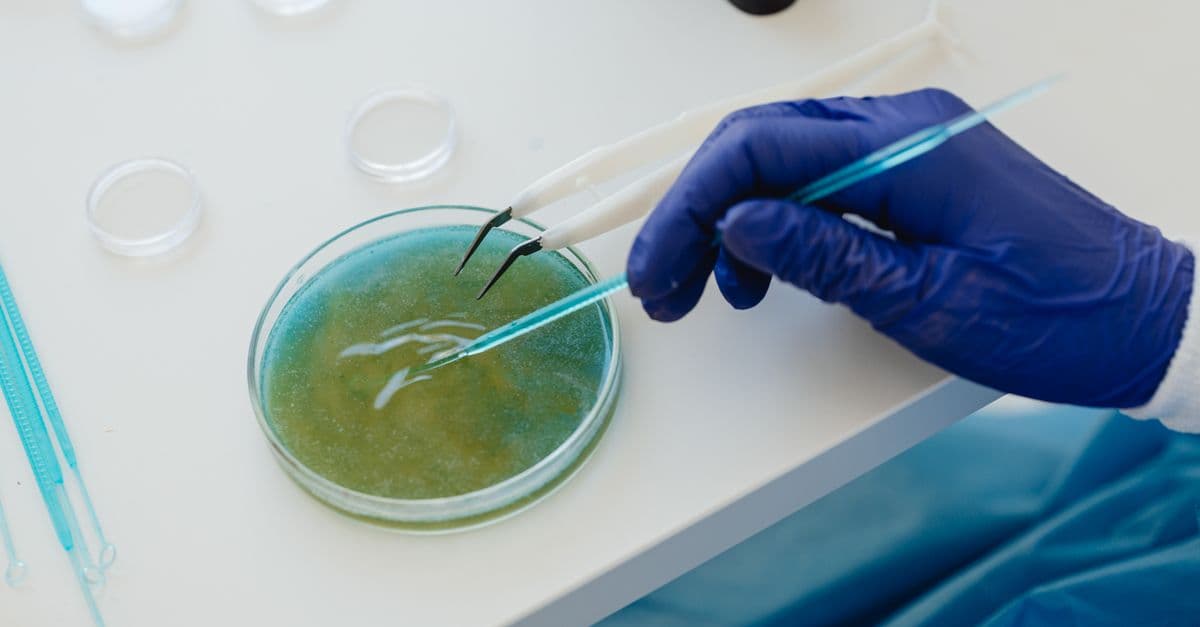
How Julius Richard Petri's shallow glass dish, Fanny Hesse's agar suggestion, and Robert Koch's lab protocols combined to create the tool behind every bacterial discovery since 1887.
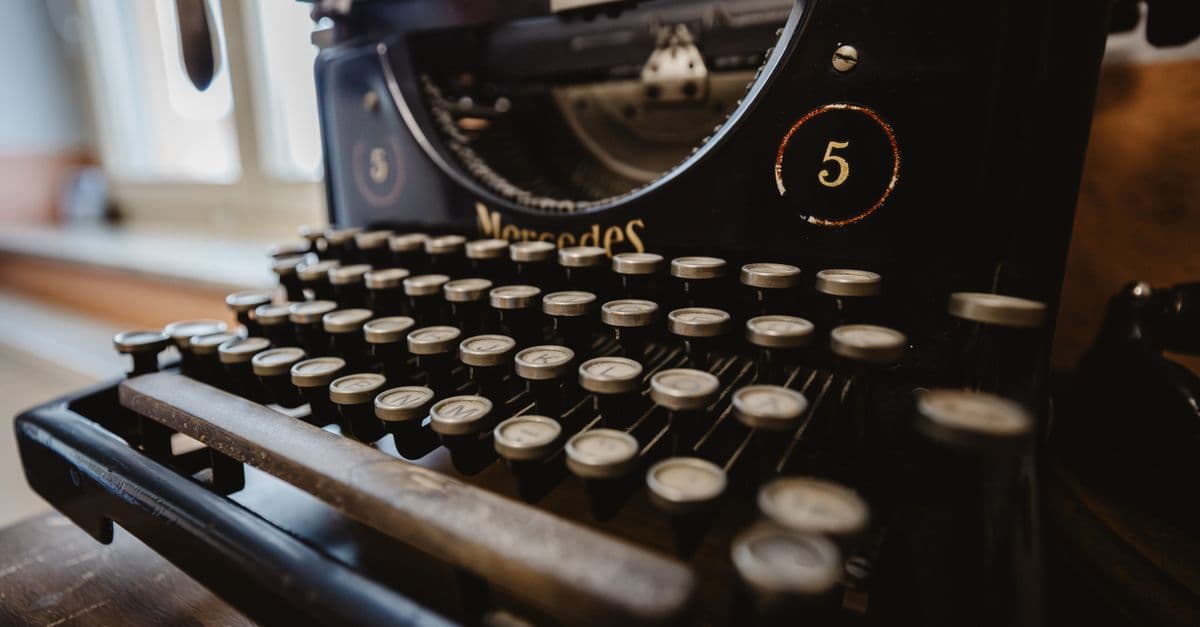
How Johannes Gutenberg's movable-type press around 1440–1455 transformed information, triggered the Reformation, and still shapes how knowledge spreads today.
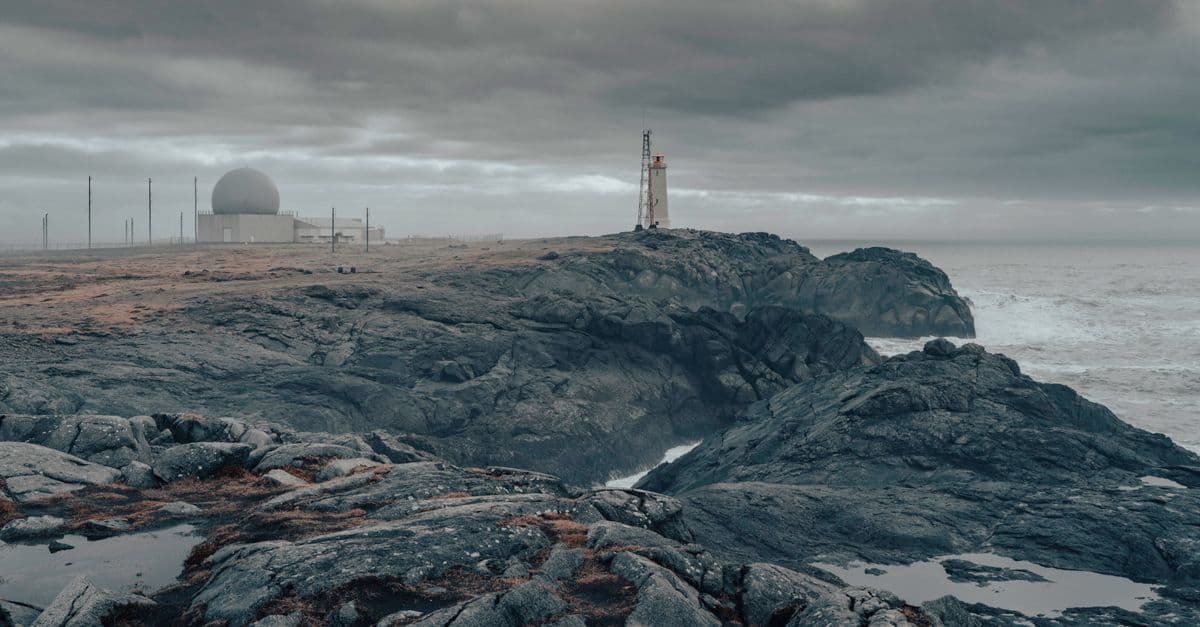
From Hülsmeyer's 1904 ship detector to Watson-Watt's Chain Home network, radar reshaped warfare, aviation safety, and meteorology in under a century.