Inventions
Airplane Invention: The Wright Brothers and Controlled Flight
The Wright brothers solved controlled powered flight, but gliders, engines, wind tunnels, and earlier aviation pioneers all mattered.
10 articles tagged with #aviation
The Wright brothers solved controlled powered flight, but gliders, engines, wind tunnels, and earlier aviation pioneers all mattered.
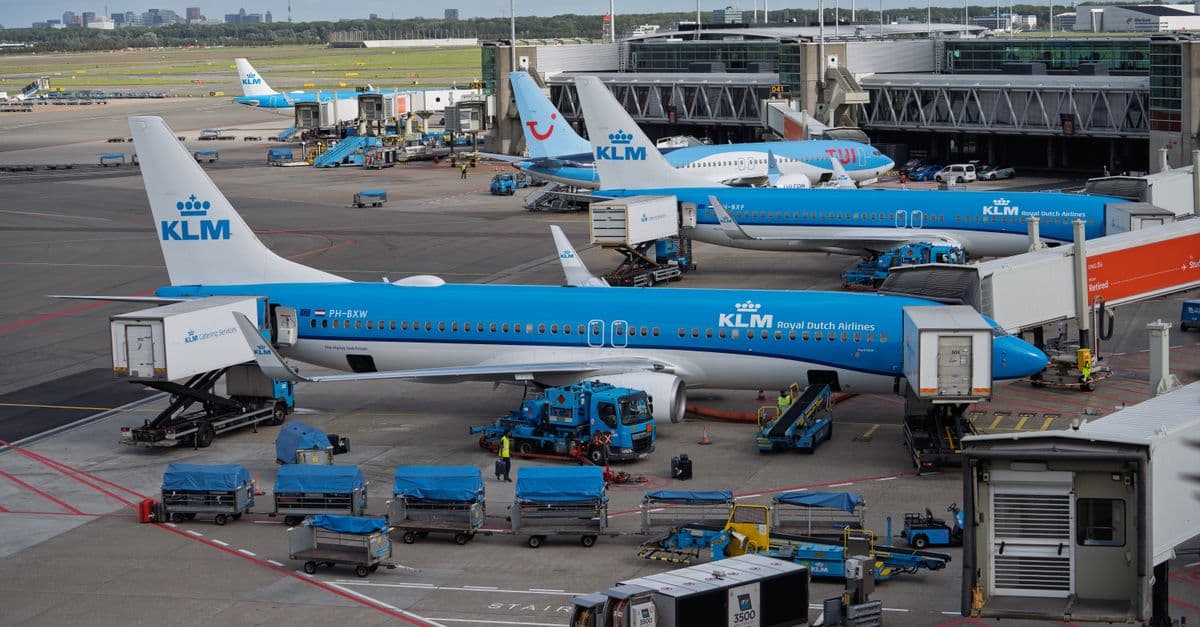
The largest airport can mean land area, terminal size, runways, or passengers. This guide ranks all four and explains why the answers never match.
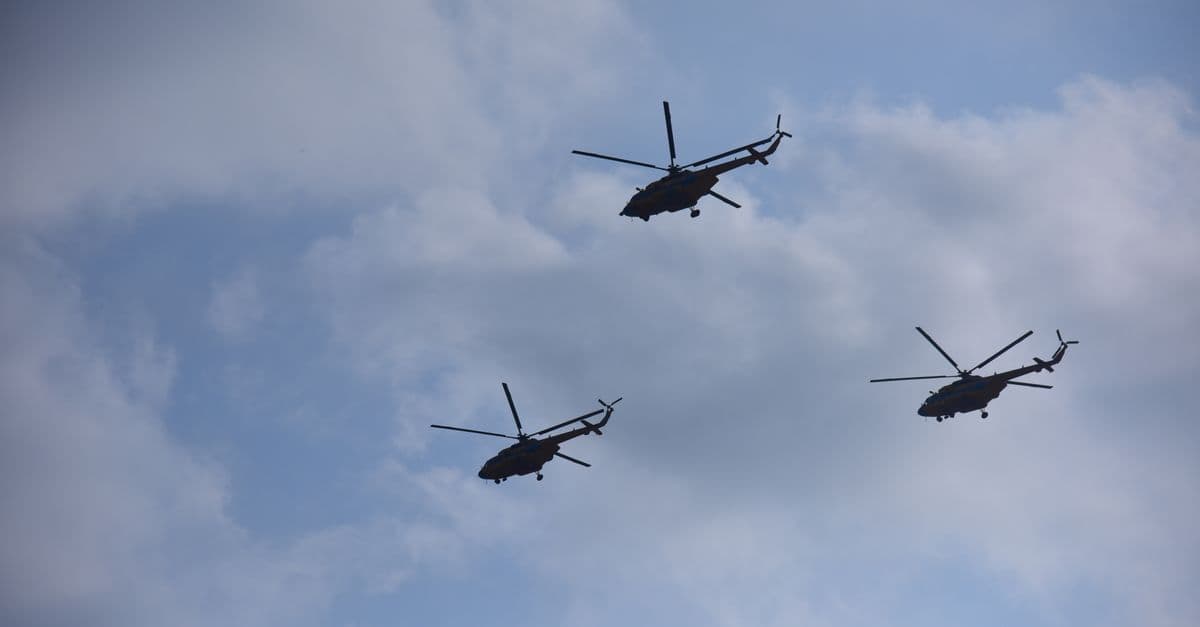
How Paul Cornu's 1907 hop, Focke's 1936 twin-rotor, and Sikorsky's 1939 VS-300 solved the problem of vertical controlled flight — and where it went next.
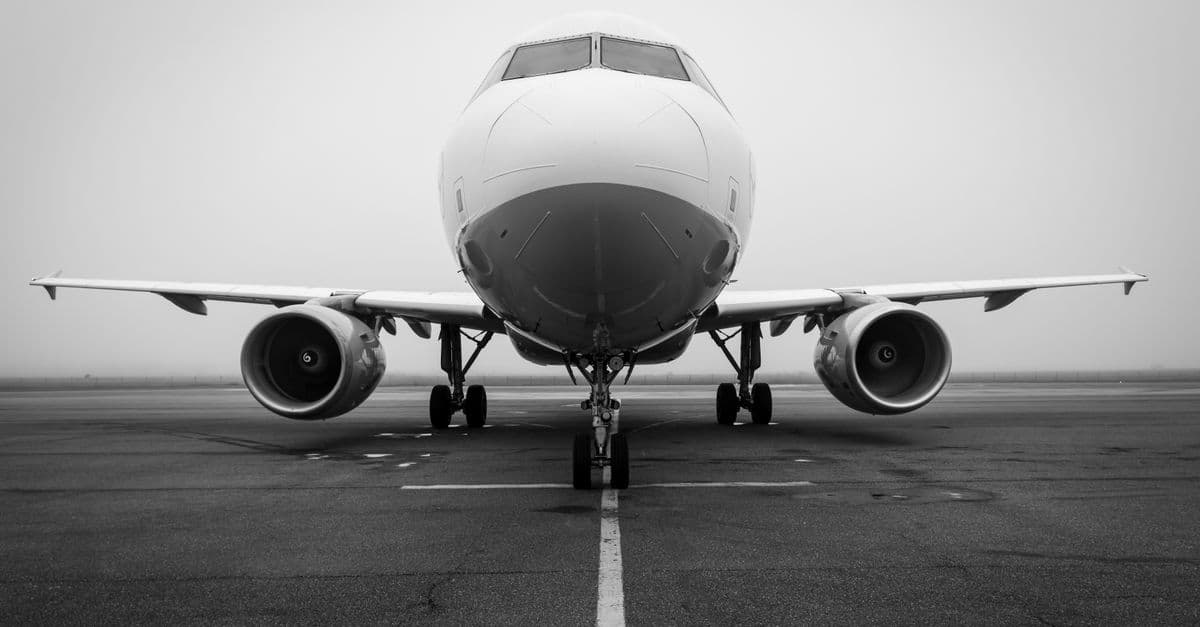
The de Havilland Comet launched the jet age in 1952, then killed 56 people through metal fatigue. How aviation rebuilt trust and shaped the modern world in its wake.

From Hülsmeyer's 1904 ship detector to Watson-Watt's Chain Home network, radar reshaped warfare, aviation safety, and meteorology in under a century.
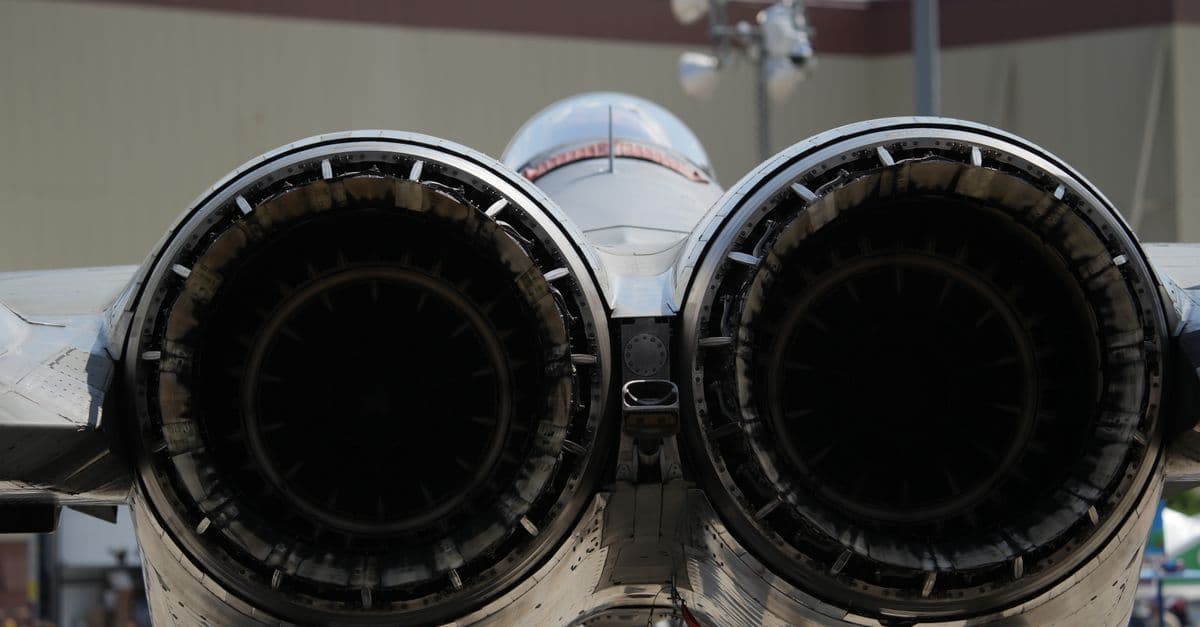
Frank Whittle patented the jet engine in 1930. Hans von Ohain flew one in 1939. Neither knew the other existed. Their parallel invention and eventual friendship is the story of modern aviation.
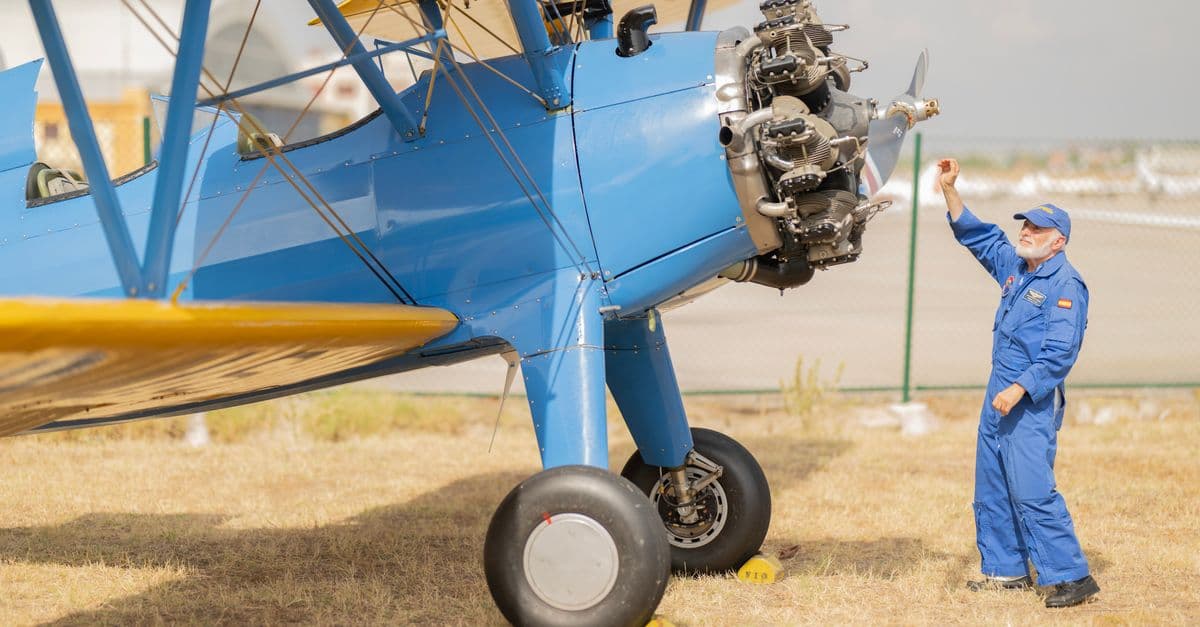
The real physics behind lift, thrust, and drag — what every textbook gets wrong and what actually keeps 400-ton jets in the sky.
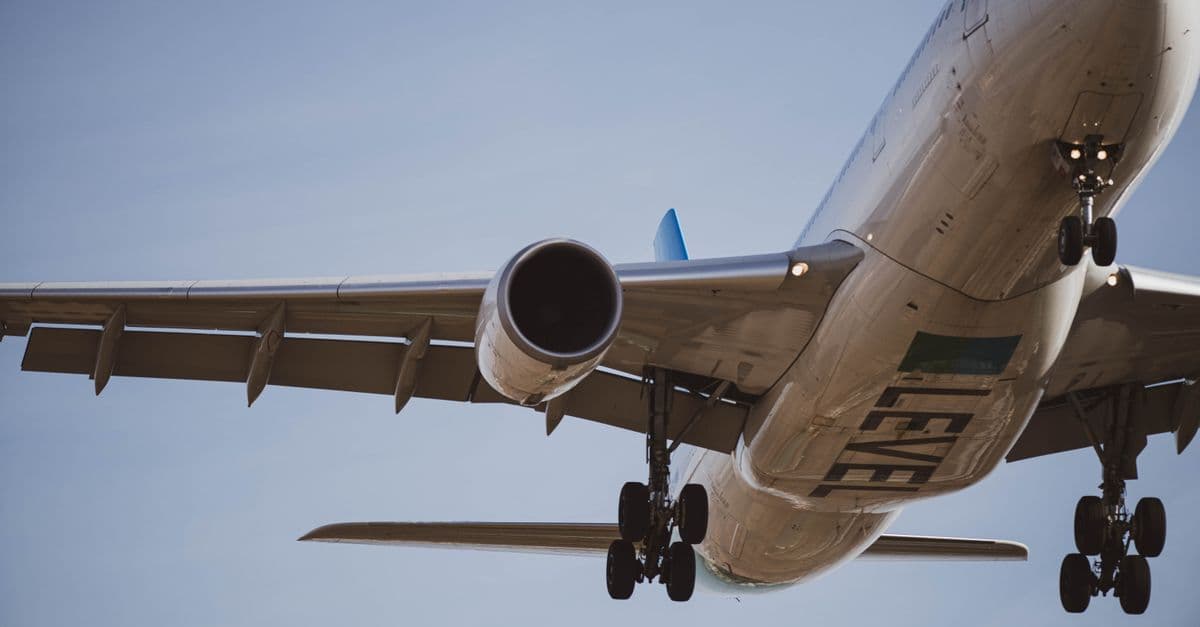
On December 17, 1903, Orville Wright flew 120 feet in 12 seconds. In 2024, airlines carried about 4.7 billion passengers. Here is how the engineering got from one to the other.
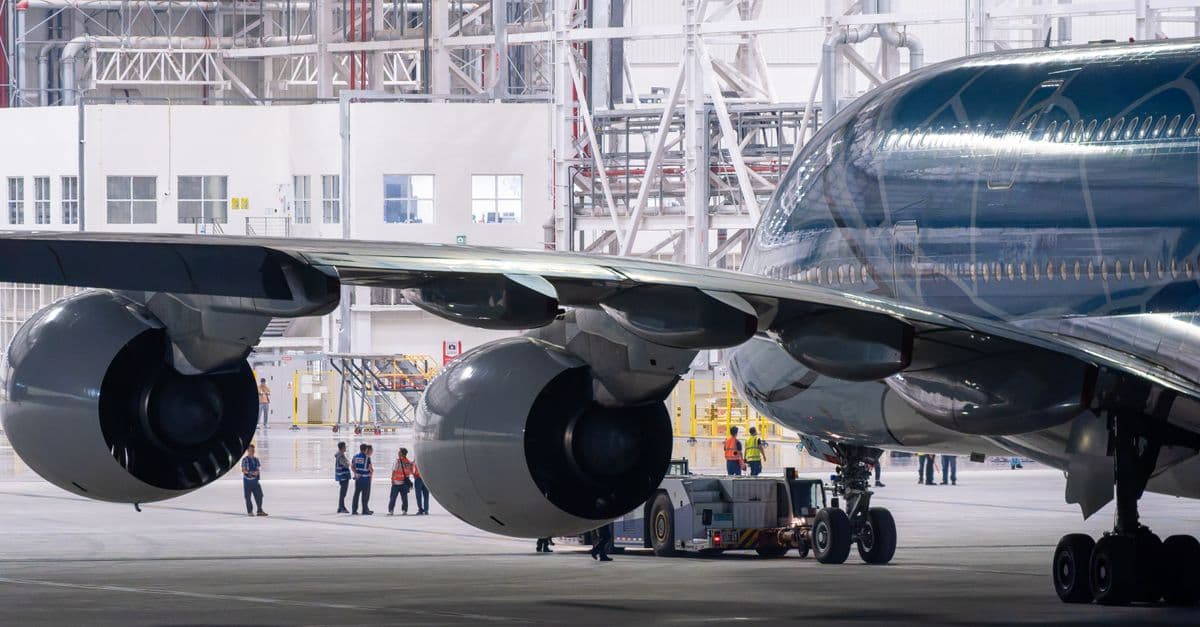
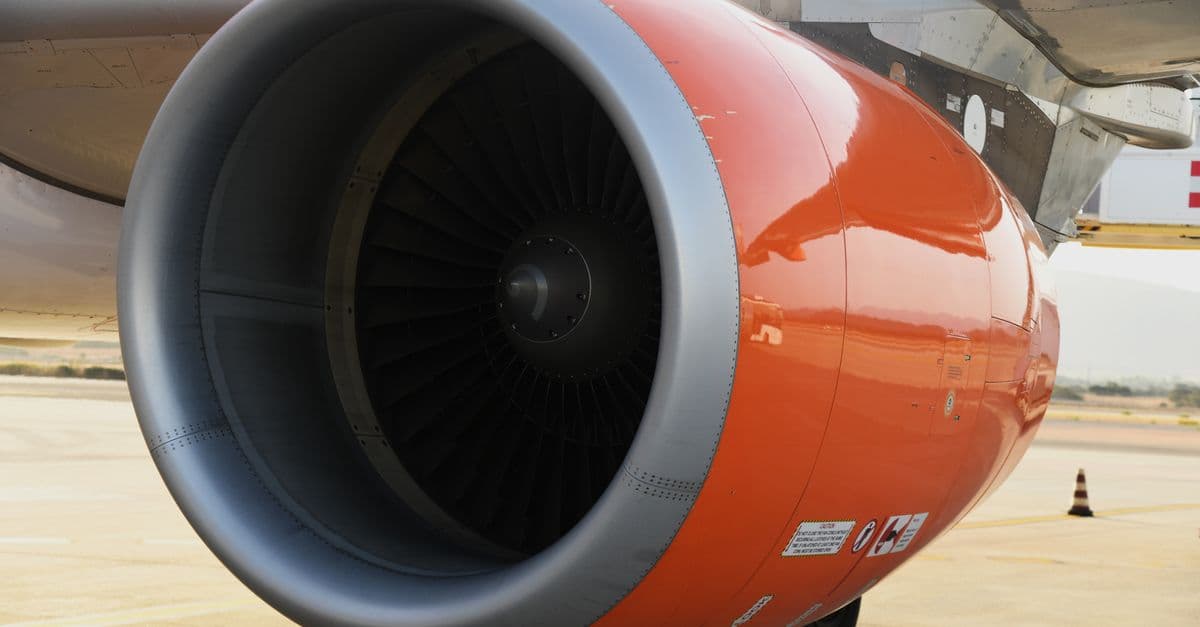
A single GE90-115B turbofan is rated at 115,300 pounds-force of thrust. The physics behind it is a short chain of ideas: squeeze air, burn fuel in it, and let the hot gas do work.
Hundreds of tonnes of metal lifting off the ground feels like it shouldn't work. The physics is simpler than people think — and the popular "Bernoulli only" explanation is mostly wrong.