Science
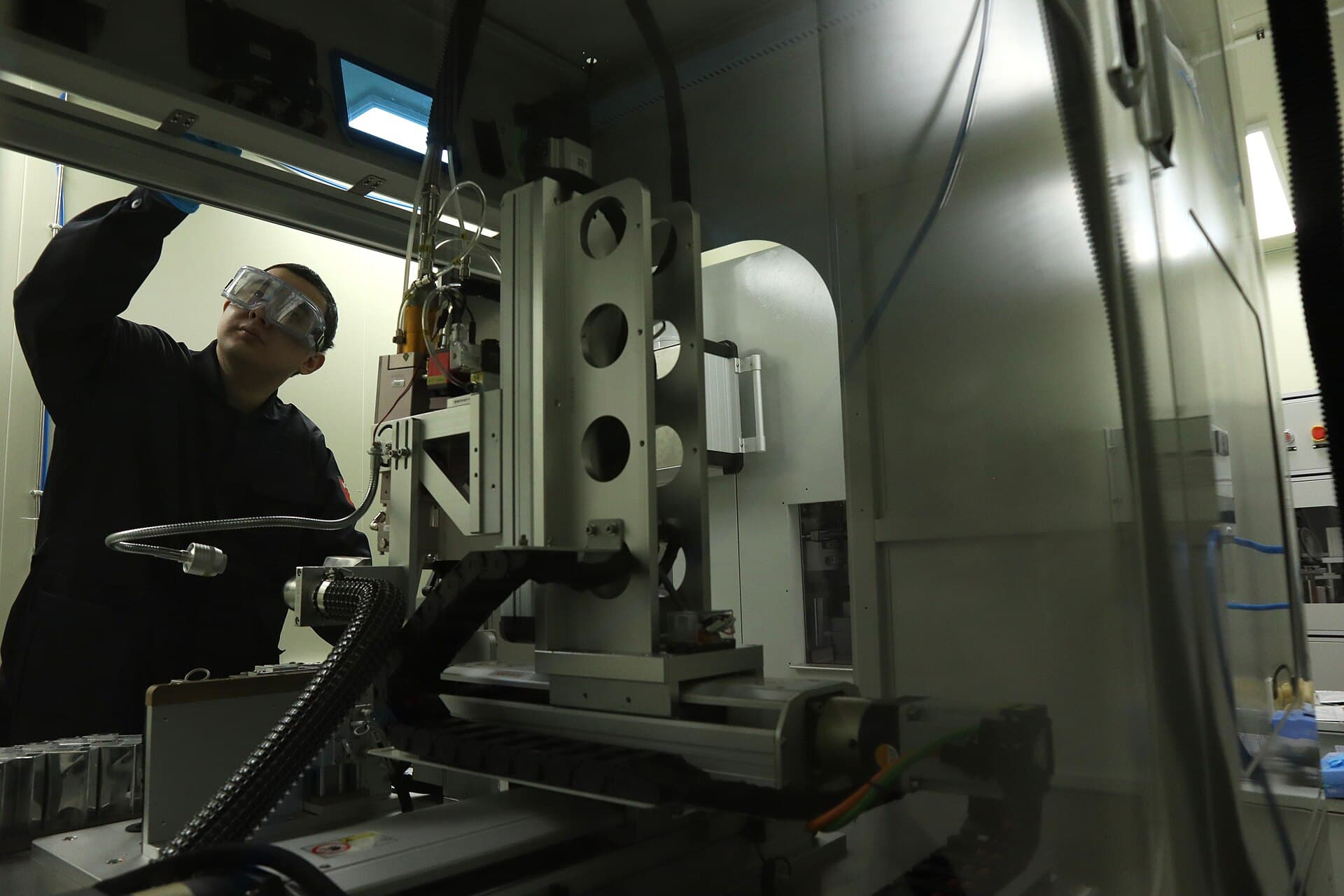
Sodium-Ion Batteries Explained: Chemistry, Advantages, Trade-Offs and Uses
Sodium-ion batteries move sodium instead of lithium ions. See how the cathode, hard-carbon anode and electrolyte work, the numbers, and where they fit.
12 articles tagged with #clean-energy
Sodium-ion batteries move sodium instead of lithium ions. See how the cathode, hard-carbon anode and electrolyte work, the numbers, and where they fit.
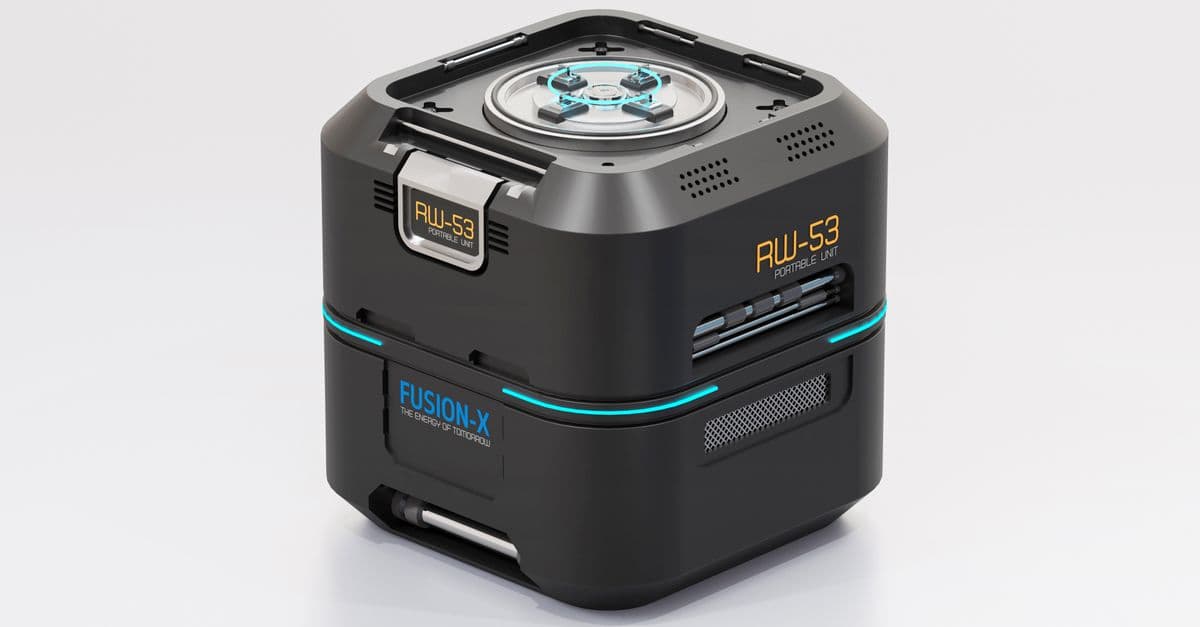
Fusion startups are betting on magnets, lasers, and pulsed systems. See how each design works, what milestones are verified, and what is still unproven.
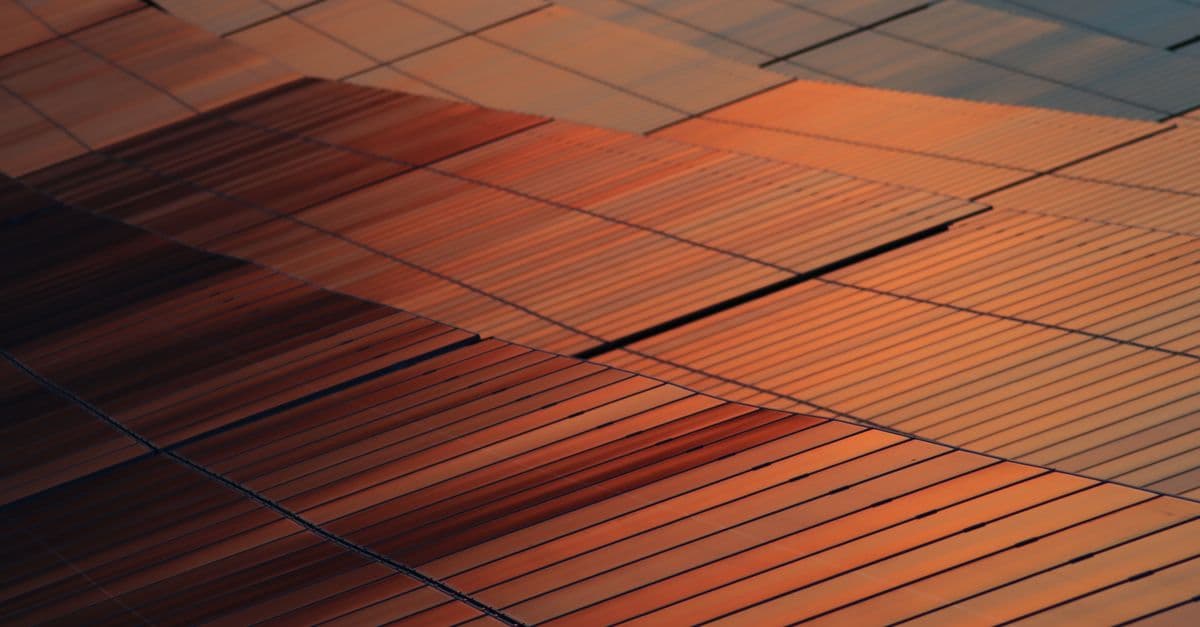
The largest solar farms rank by installed capacity, from China's Tengger park to the UAE's Al Dhafra site. Here is how capacity, land, and real output compare.
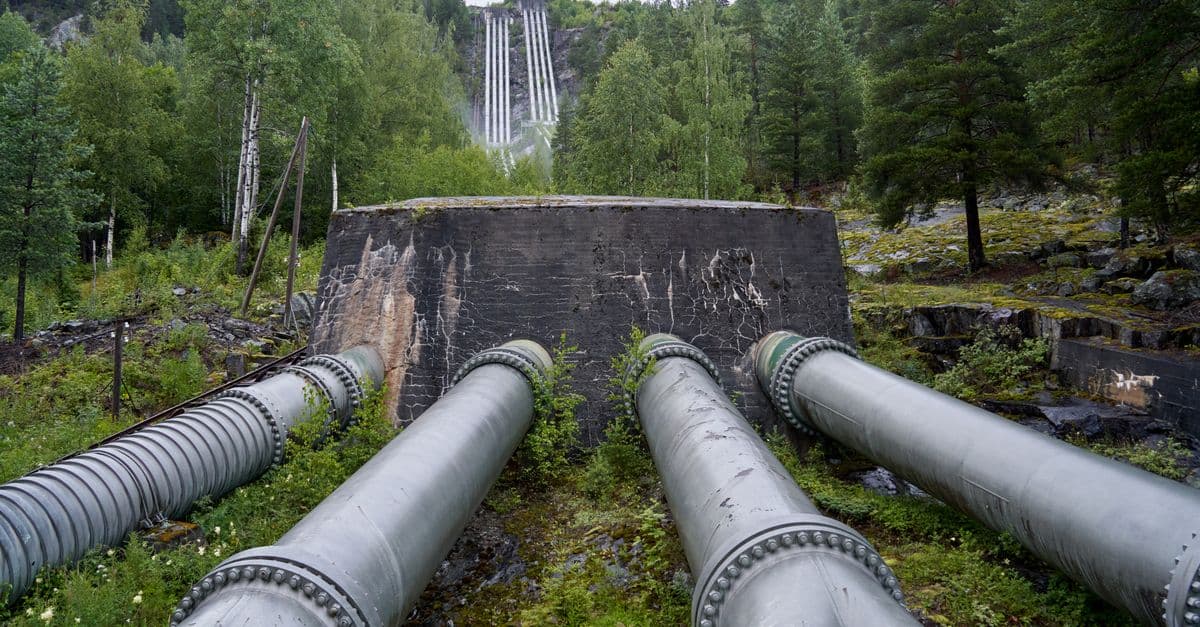
China leads the world in hydropower with 435.95 GW of installed capacity — more than three times that of second-place Brazil at 110 GW. Hydropower is the world's largest source of renewable electricity, accounting for roughly 40 percent of global renewable generation. This ranking covers the top 15 countries by hydropower installed capacity using IHA and IRENA 2024 data, with methodology, historical context, and caveats about what capacity figures do and do not tell you.
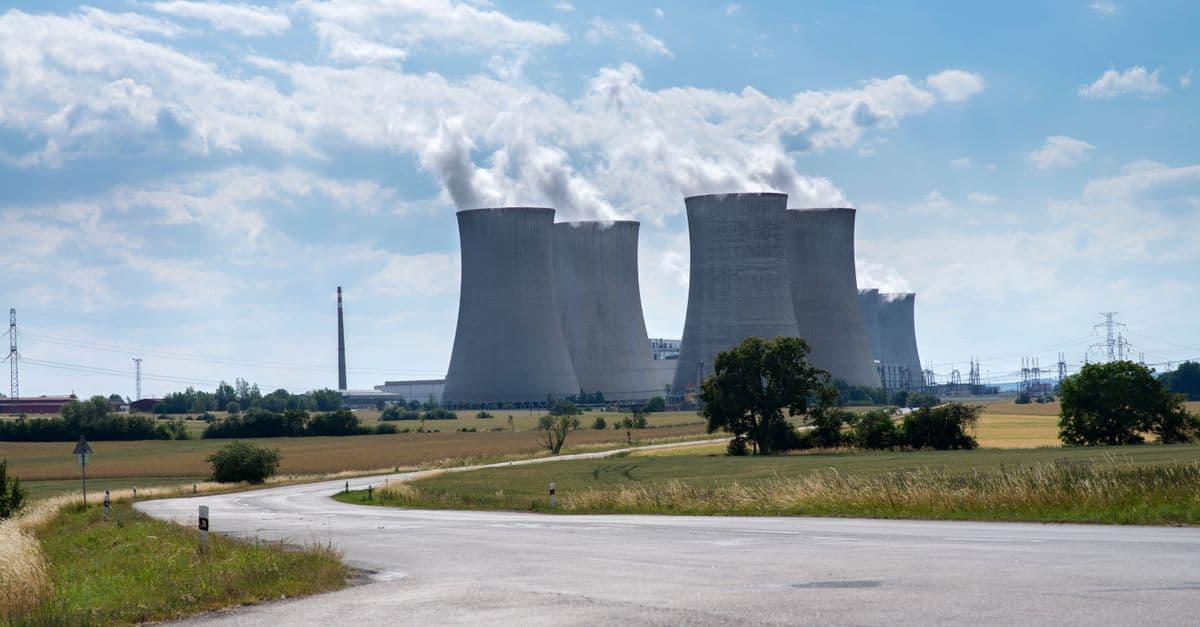
A comprehensive look at the state of nuclear fusion in 2026 — the NIF ignition breakthrough, ITER tokamak, stellarators, inertial confinement, and the private companies racing to deliver fusion power to the grid.
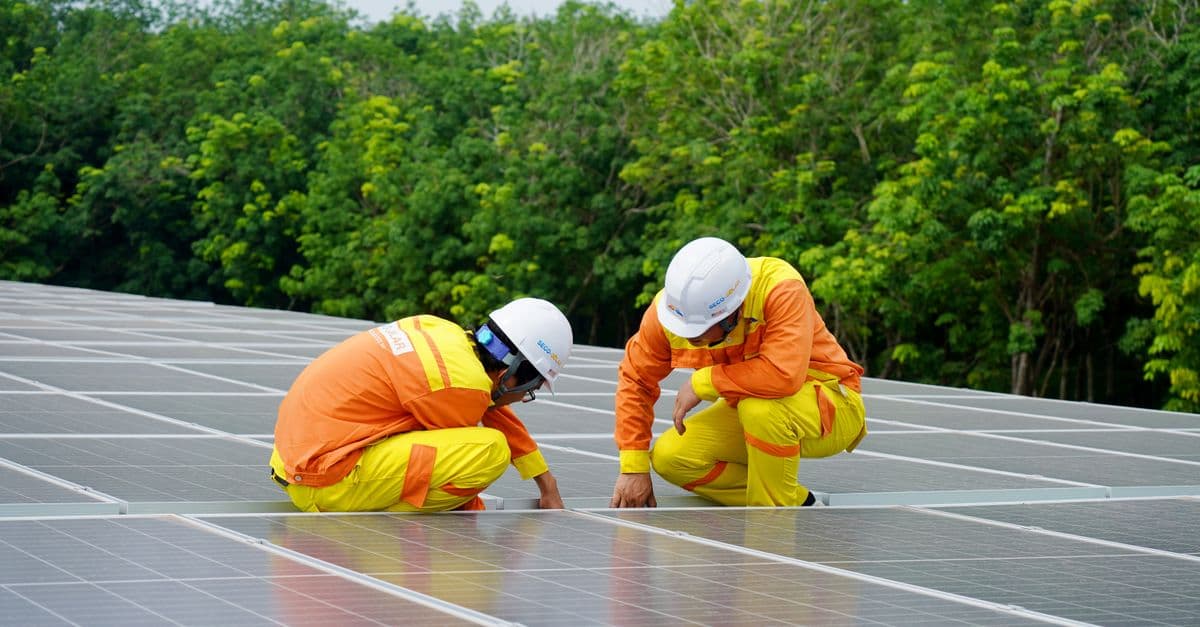
A deep-dive into the full physics of solar energy — the photovoltaic effect, silicon p-n junctions, Shockley-Queisser efficiency limits, perovskite tandem cells, inverters, and the real economics of solar in 2026.
How the National Ignition Facility achieved fusion net energy gain for the first time, igniting hope for unlimited clean energy
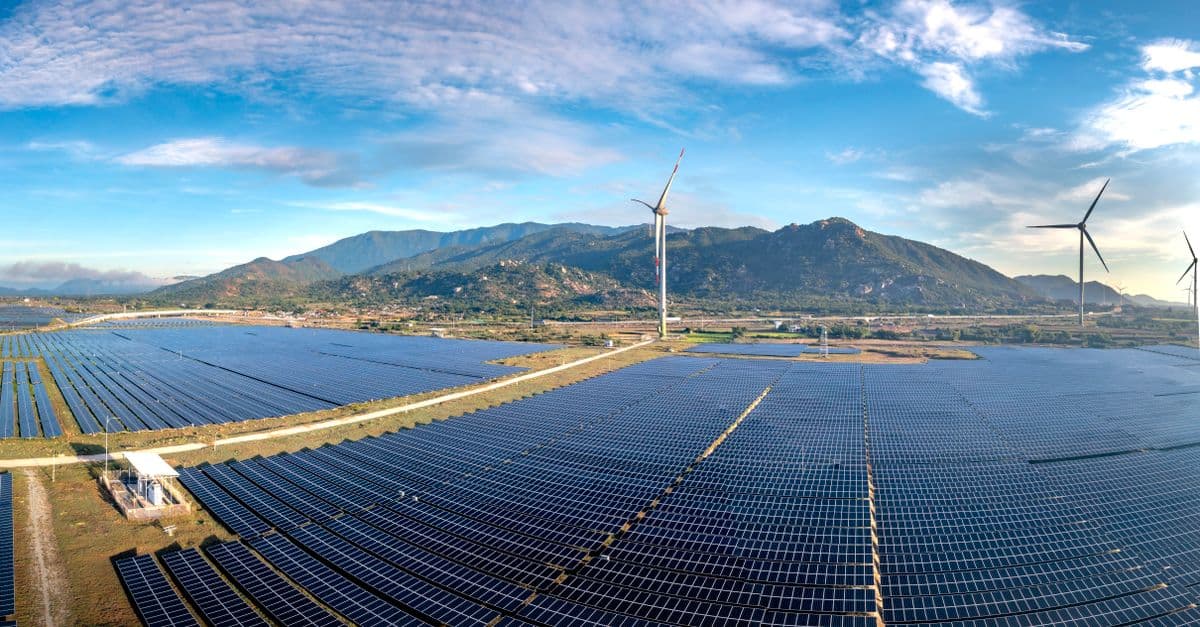
China had 1,827 GW of renewable power capacity at the end of 2024, 41% of the world total, per IRENA. See the top 20 countries by installed gigawatts and why capacity is not the same as generation.
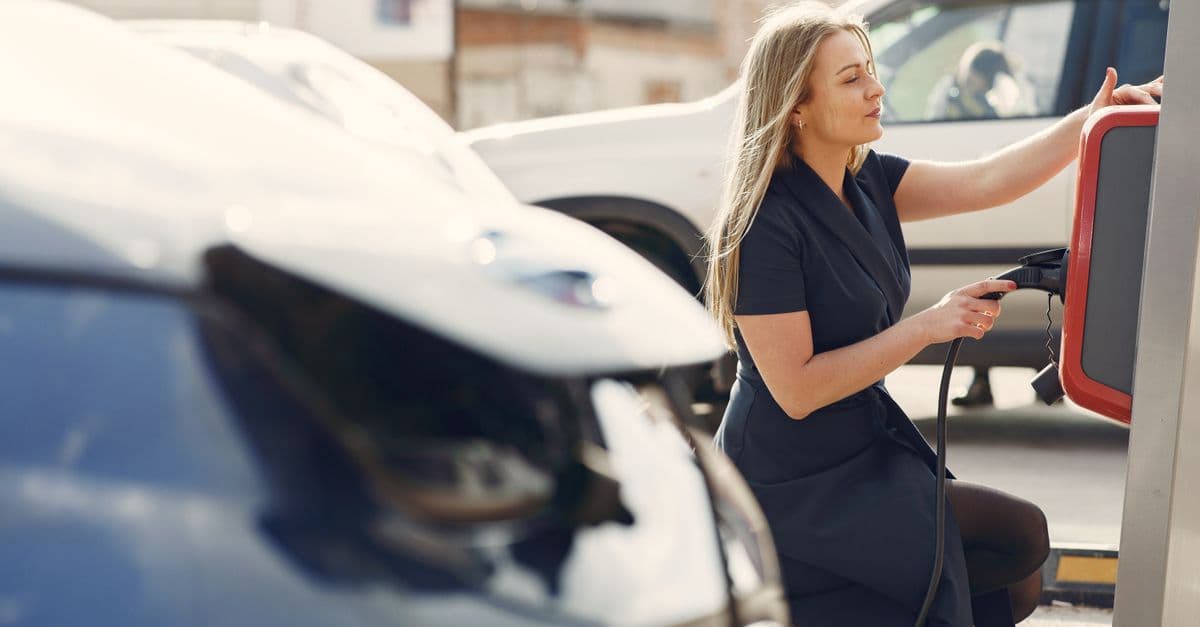
Norway has the highest electric share of any national car fleet, with more than one in three cars electric, and 97% of its 2025 new-car sales were electric or plug-in hybrid. Here is how every major market compares, and why fleet share and sales share tell different stories.

China had more than 680,000 electric buses at the end of 2024, far ahead of any other country. This ranking compares fleets, 2024 sales, and market shares across China, India, Latin America, Europe, and the United States, and explains why the numbers are hard to line up.
Neodymium, dysprosium, cobalt, lithium — these obscure elements power every EV, wind turbine, and smartphone on the planet. But their supply chain is dangerously concentrated, environmentally destructive, and increasingly weaponized.