Space
Why Is the Night Sky Dark? Olbers' Paradox Explained
The night sky is dark because the universe has a finite age, not because stars are few. How Olbers' paradox works, who solved it, and what it reveals.
50 articles tagged with #cosmology
The night sky is dark because the universe has a finite age, not because stars are few. How Olbers' paradox works, who solved it, and what it reveals.
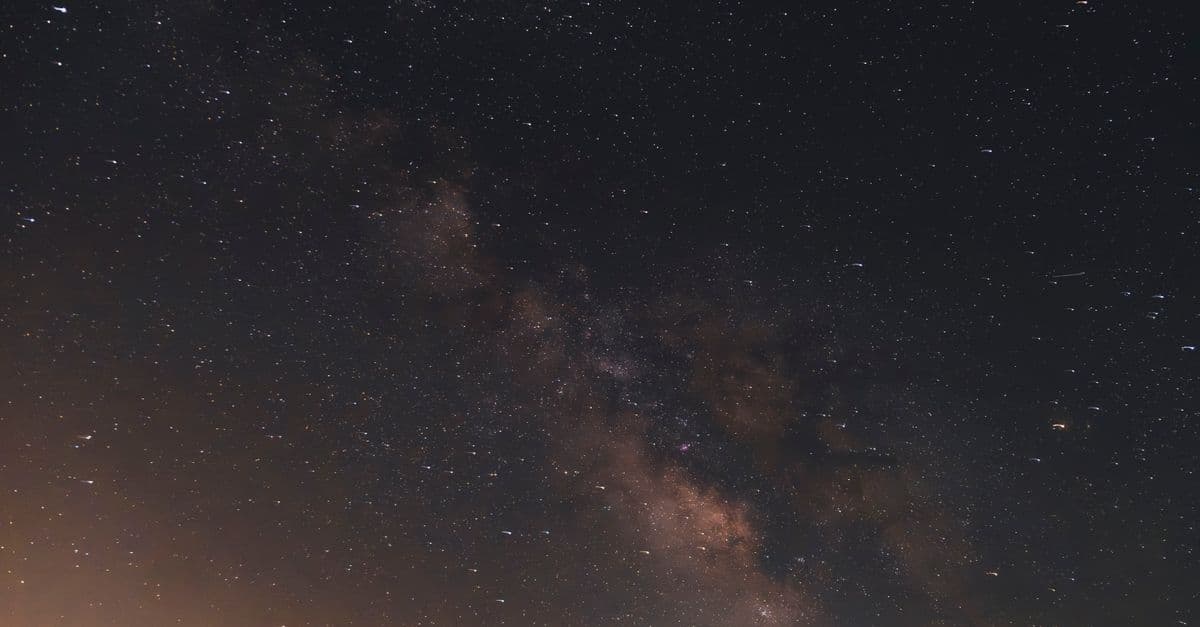
Astronomers' galaxy counts have swung from 100 billion to 2 trillion and back to hundreds of billions. Here's why the number keeps changing, and what it actually means.
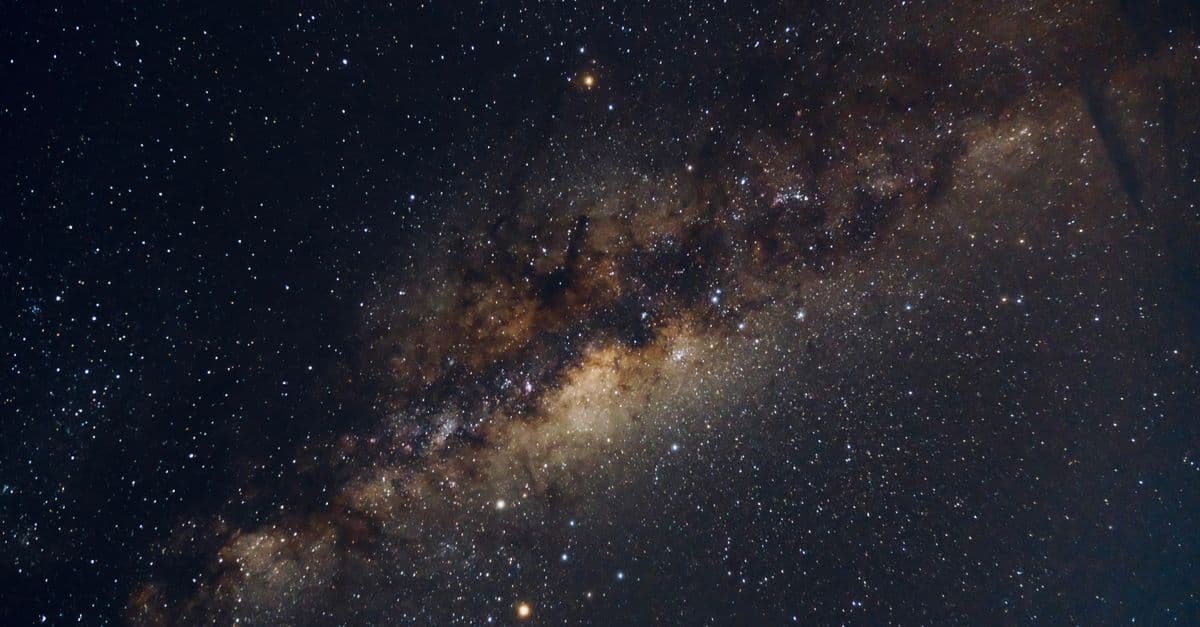
Space telescopes do not look back in time by magic. They collect ancient light stretched by cosmic expansion. Here is how redshift reveals the early universe.
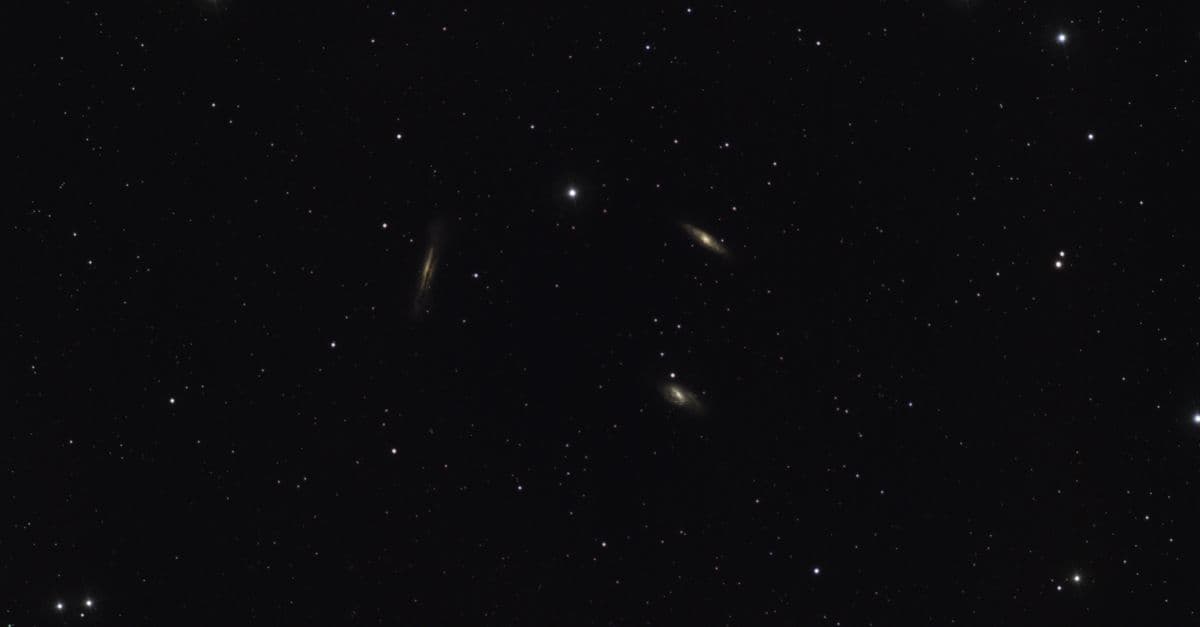
Fast radio bursts emit as much energy in a few milliseconds as the Sun does in days, yet last only briefly and come from across the universe. Their origin remained hidden for 17 years until a breakthrough discovery revealed that repeating FRBs originate from magnetars.

Hydrogen makes up approximately 74% of all ordinary matter in the universe by mass — about 92% of all atoms. Helium accounts for roughly 24% of ordinary mass. Everything else — every carbon atom in every living cell, every silicon atom in every rock, every iron atom in every star's core — adds up to approximately 2% of the universe's total atomic mass. The dominance of hydrogen and helium is not a coincidence or a geological quirk. It is a direct record of the conditions that existed in the first three minutes after the Big Bang. Understanding why the cosmos is almost entirely these two lightest elements tells you how the universe was born and how it will eventually end.

Stephenson 2-18 is a star so large that if it replaced the Sun, its surface would engulf Saturn's orbit. The black hole at the center of galaxy TON 618 contains 66 billion solar masses — more than the combined mass of every star in the Milky Way. The Hercules-Corona Borealis Great Wall spans 10 billion light-years, a structure so enormous that its very existence challenges the standard cosmological model. Mass in the universe operates at scales that have no human analogy, and each record reveals a different physical constraint — or its violation.
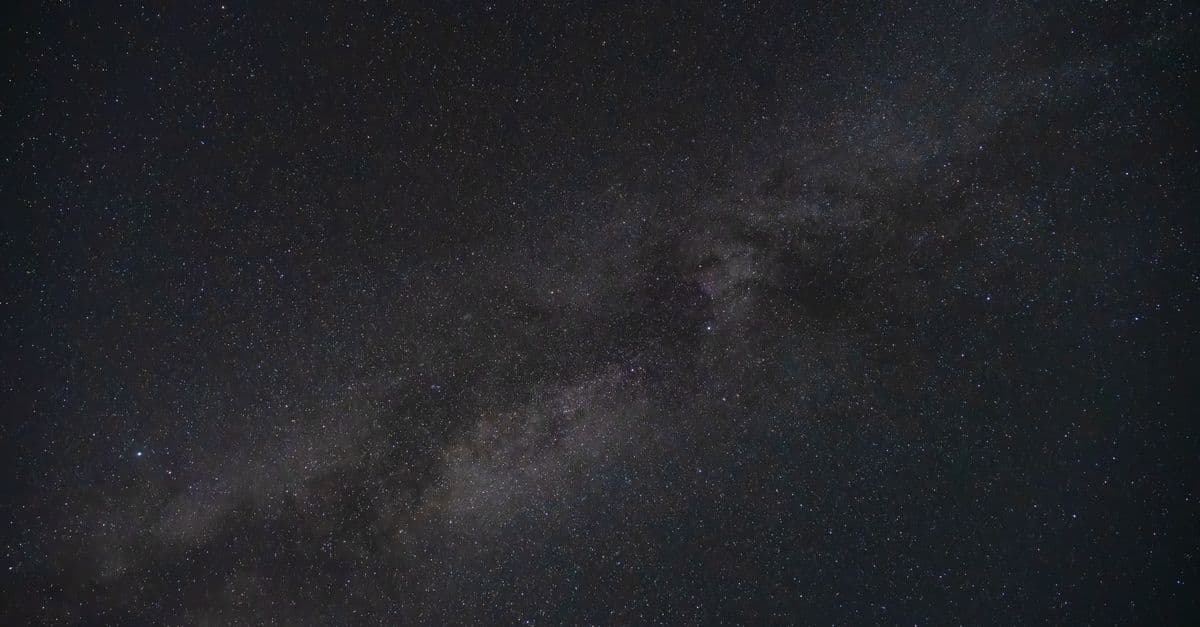
Two carefully checked ways of measuring how fast the universe expands disagree by roughly 8 to 10 percent, a gap near 5 sigma. Either a hidden error remains, or standard cosmology is incomplete.
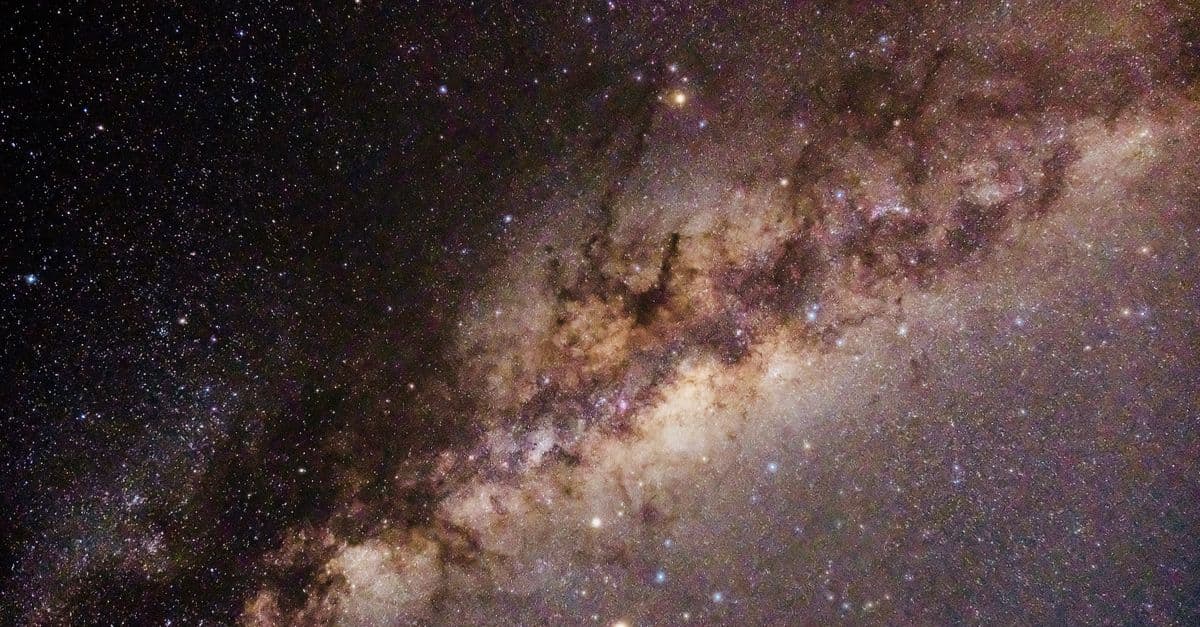
The Sun has about 5 billion years left. The last stars in the universe will burn for 10 trillion. After they go out, the cosmos enters an era so dark and cold that physics itself may eventually dissolve the matter we're made of.
In 1964, Penzias and Wilson found persistent noise in a Bell Labs antenna they could not explain. It turned out to be the afterglow of the Big Bang. Here is how they found it.
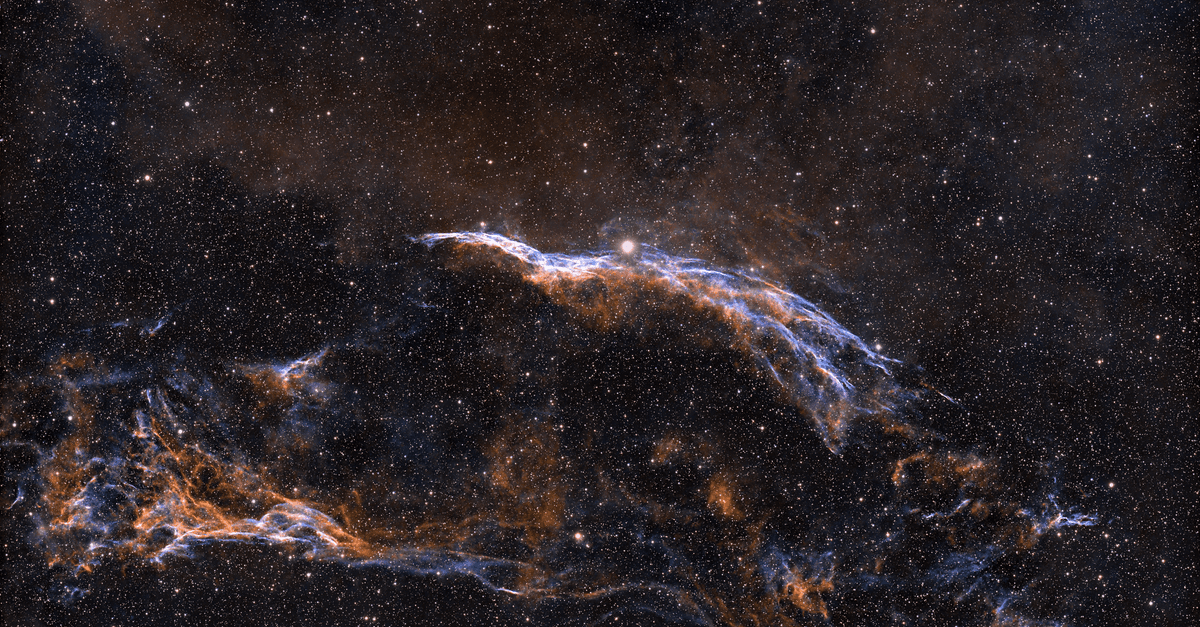
Hubble's 1929 redshift observation tied galaxy speed to distance. See what the 24-galaxy data showed, why his constant was off 7x, and the tension today.
Edwin Hubble proved galaxies exist beyond the Milky Way and that the universe is expanding. His 1924 and 1929 discoveries rewrote cosmology forever.

George Gamow predicted the cosmic microwave background, co-authored the αβγ paper on Big Bang nucleosynthesis, and bridged physics and DNA science.