planetary-science
26 articles tagged with #planetary-science
Experiments
The Voyager Grand Tour Explained
Voyager used rare planetary alignment, gravity assists, and durable engineering to transform knowledge of the outer Solar System.
Science
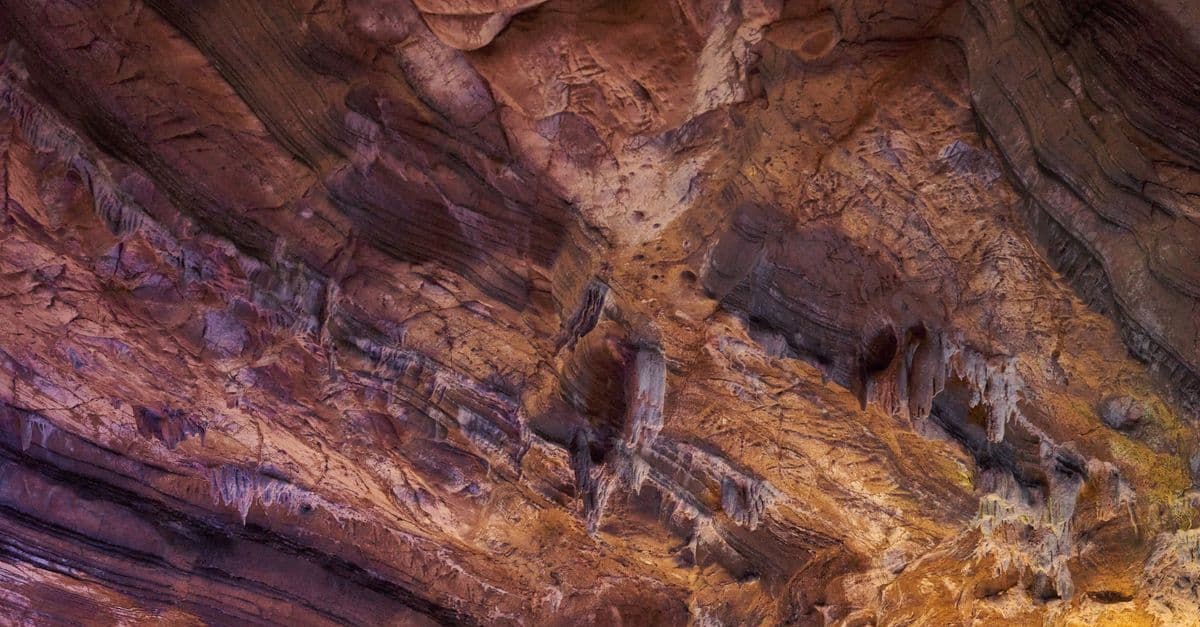
How Scientists Know What Is Inside Earth
No one has drilled to Earth's core. Scientists infer the interior from seismic waves, density, magnetism, meteorites, and high-pressure experiments.
Science
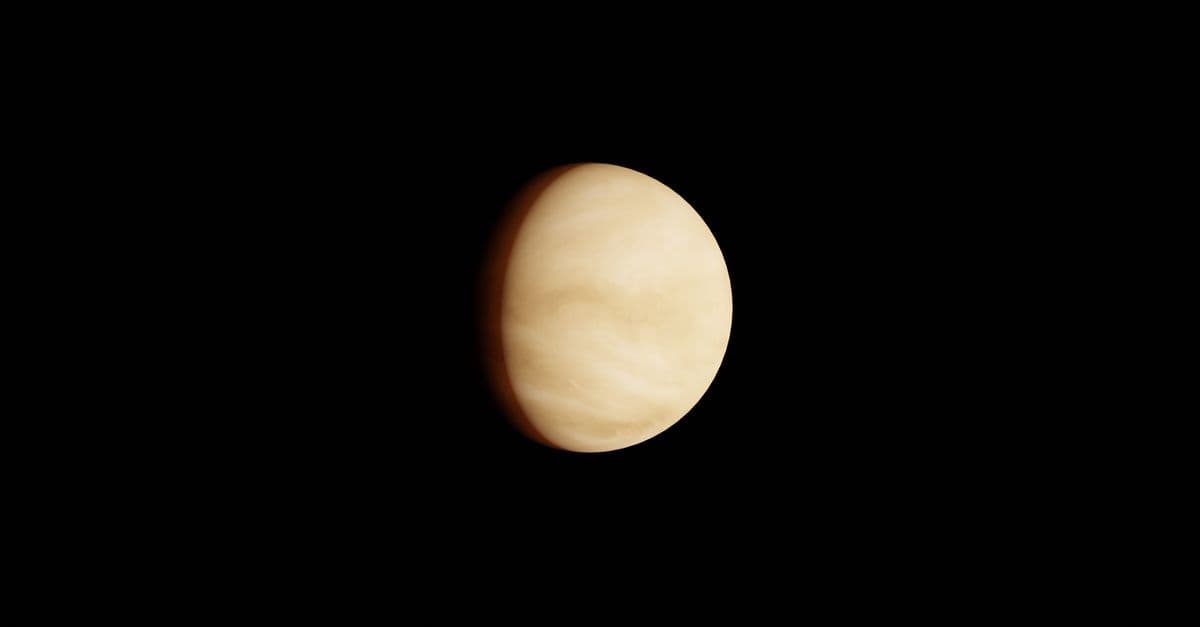
Venus Spins Backward: The Planet of Strange Rotation
Venus rotates in the opposite direction of every other planet in the solar system, and it does so so slowly that a single Venusian day lasts 243 Earth days — longer than its year of 225 days. If you stood on Venus, the Sun would rise in the west and set in the east, and by the time it crossed the sky, you would have already lapped the planet in its orbit. Two competing theories — a primordial giant impact and the slow grind of atmospheric tides — argue over how a world ended up this strange, and neither has yet won.
Space
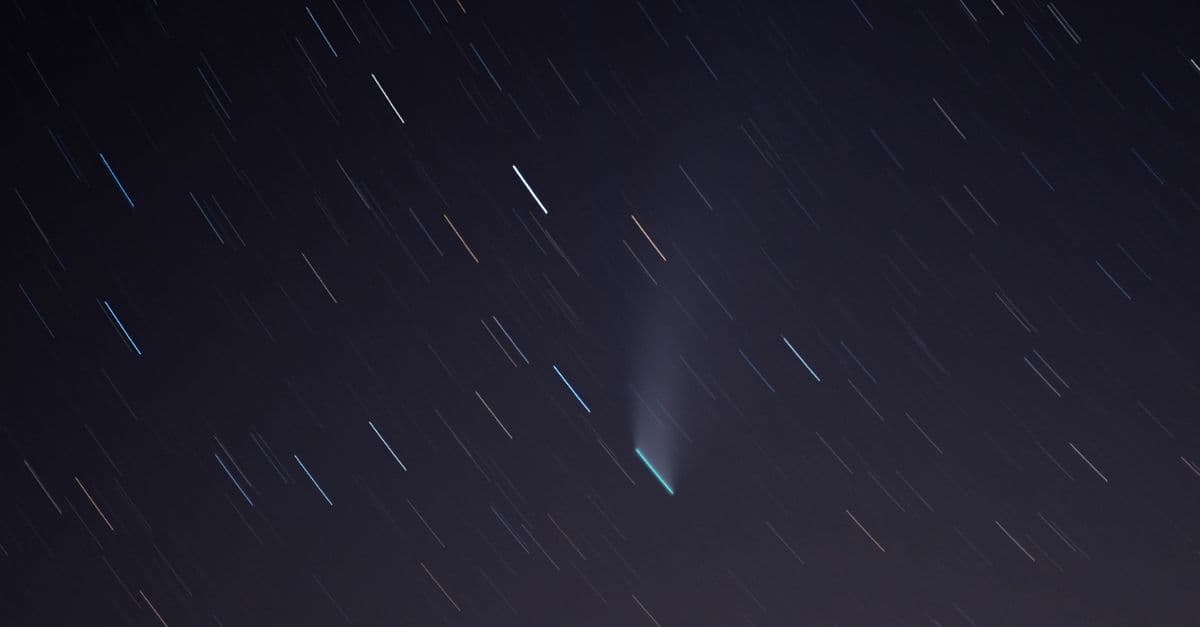
2I/Borisov: The First Confirmed Interstellar Comet
In August 2019, an amateur astronomer in Crimea spotted a faint smudge moving at impossible speed. It turned out to be a comet from another star system — only the second interstellar object ever confirmed in our solar system, and the first one to look genuinely familiar.
Space
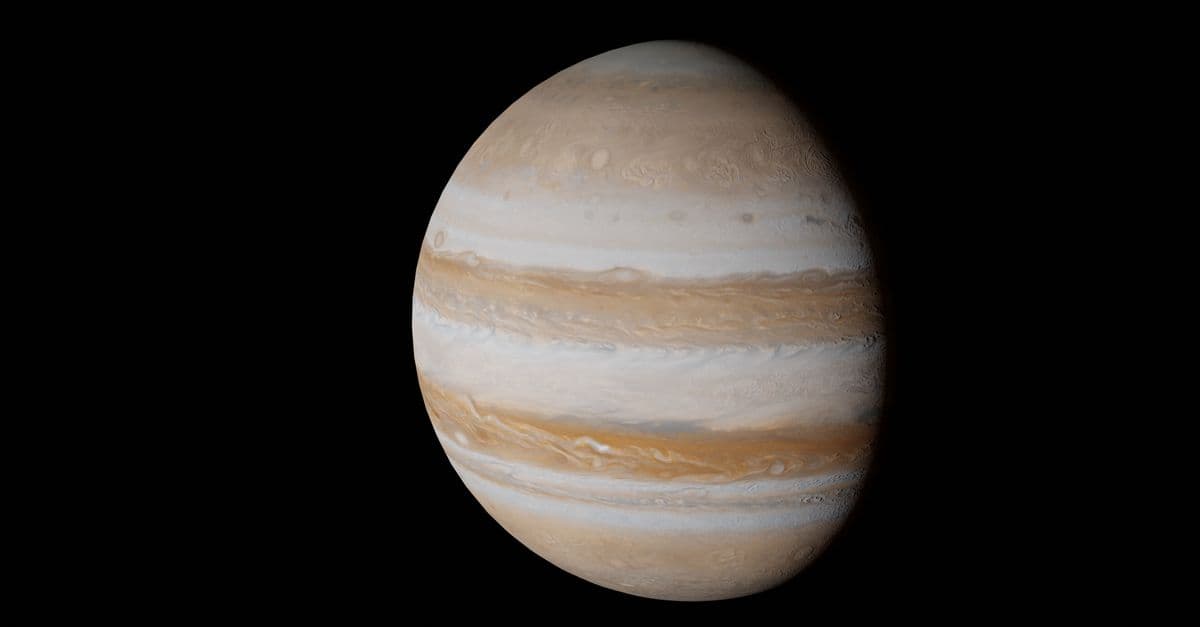
Jupiter's Auroras: The Most Powerful Light Show in the Solar System
Jupiter's auroras are not scaled-up versions of Earth's. They run mostly on plasma from the volcanic moon Io and on the planet's own rapid spin, and they glow in ultraviolet, infrared, and X-rays whether or not the Sun is active.
Space
Long-Period Comets: Messengers From the Edge of the Solar System
Comet Hale-Bopp, which dominated the 1997 night sky, had not been seen by any human being before. Its previous perihelion passage was in approximately 2215 BCE, before writing systems existed in most of the world. It had spent the intervening 4,200 years falling inward from the outer solar system at speeds so slow that a bicycle could have overtaken it. When it finally arrived, its pristine composition — unchanged since the solar system formed 4.5 billion years ago — gave scientists a direct sample of the raw material from which planets were built. Long-period comets are the oldest, least-altered objects available for study. They are time capsules from the beginning.
Space
The Apollo Program's Science Legacy: What 842 Pounds of Moon Rocks Revealed
Six Apollo landings returned 842 pounds of lunar material to Earth — 2,196 samples collected from six different sites across the nearside. Fifty-five years later, those rocks are still generating new discoveries, the laser retroreflectors are still in use, and the fundamental questions they raised about the Moon's violent origin have only deepened.
Space
The Cassini Grand Finale: What 22 Death Dives Taught Us About Saturn
In 2017, NASA deliberately destroyed the Cassini spacecraft by plunging it into Saturn. Before it died, it made 22 passes through a region no spacecraft had ever entered — the 2,000-kilometer gap between Saturn and its innermost rings. The data it collected upended what scientists thought they knew about the rings' age, mass, and origin, and revealed a magnetic field so perfectly symmetrical it has no right to exist.
Space
Io Explained: Jupiter's Volcanic Moon and the Science of Tidal Heating
Io has more than 400 active volcanoes, mountains taller than Everest, lakes of molten sulfur, and a surface that repaints itself every few decades. It is the most volcanically active body in the solar system — and its power source is not radioactivity or solar heat, but the gravitational squeeze of Jupiter and its sibling moons.
Page 1 of 3Next →