
Technology
How Touchscreens Work: The Physics of Capacitive Technology
Your finger never actually touches the glass. Touchscreens sense the electrical field your body distorts, not physical pressure.
143 articles tagged with #technology
Your finger never actually touches the glass. Touchscreens sense the electrical field your body distorts, not physical pressure.

Step in here, step out there — instantly. Teleportation sounds like sci-fi, but the physics gets stranger than fiction.

Machine-learned policies now make some of a compiler's optimization decisions, and language models write source code. Here is what has been measured, what is hype, and why the compiler still checks the work.

Submarines dive, surface, navigate blind, and stay underwater for months. The engineering behind them defies intuition.
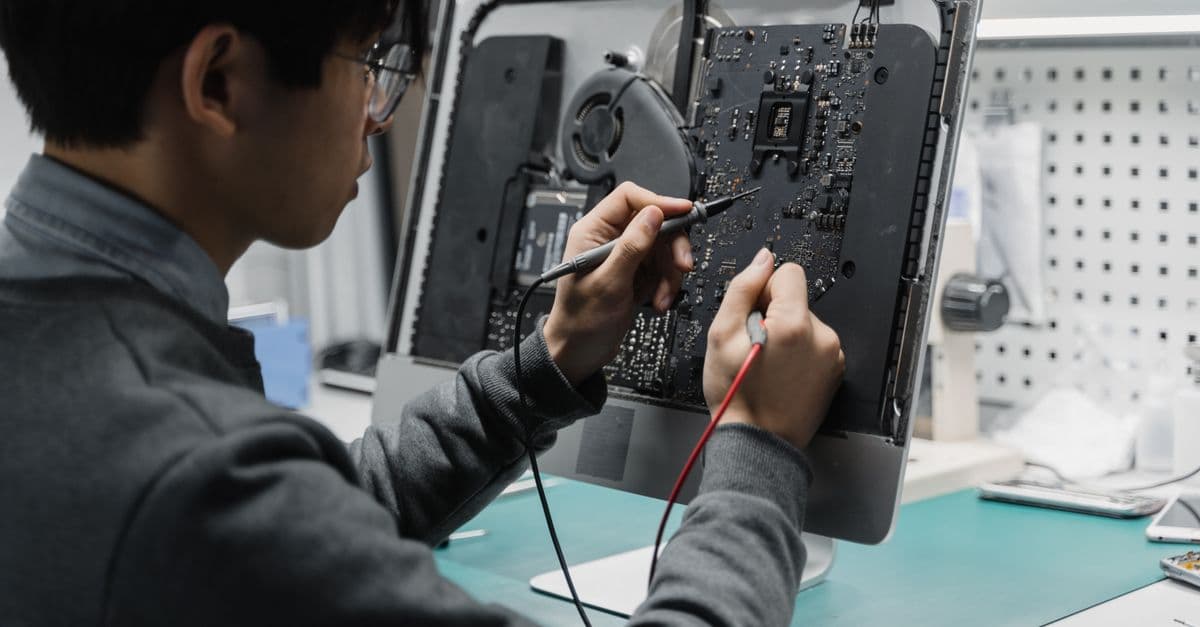
Bridges carry millions of people safely every day. Here's the remarkable engineering behind why they hold.

Undersea cables, packets, IP addresses, routers, DNS and encryption: the engineering that moves every click from your device to a server and back in a fraction of a second.

How MRI uses magnetic fields to create detailed images of soft tissues and organs

Ingenuity made the first powered, controlled flight on another planet, then flew 72 times instead of five. Here is how it worked, how it ended, and what it taught.

China has the most video game players, then India and the United States. But national surveys disagree with global trackers by tens of millions, and the country with the most players is not the one that spends the most.

Forget philosophy for a moment. Just running a simulated human brain would require mapping 86 billion neurons, storing an amount of data measured in exabytes, and burning through more power than most small countries. Here's the actual engineering math.
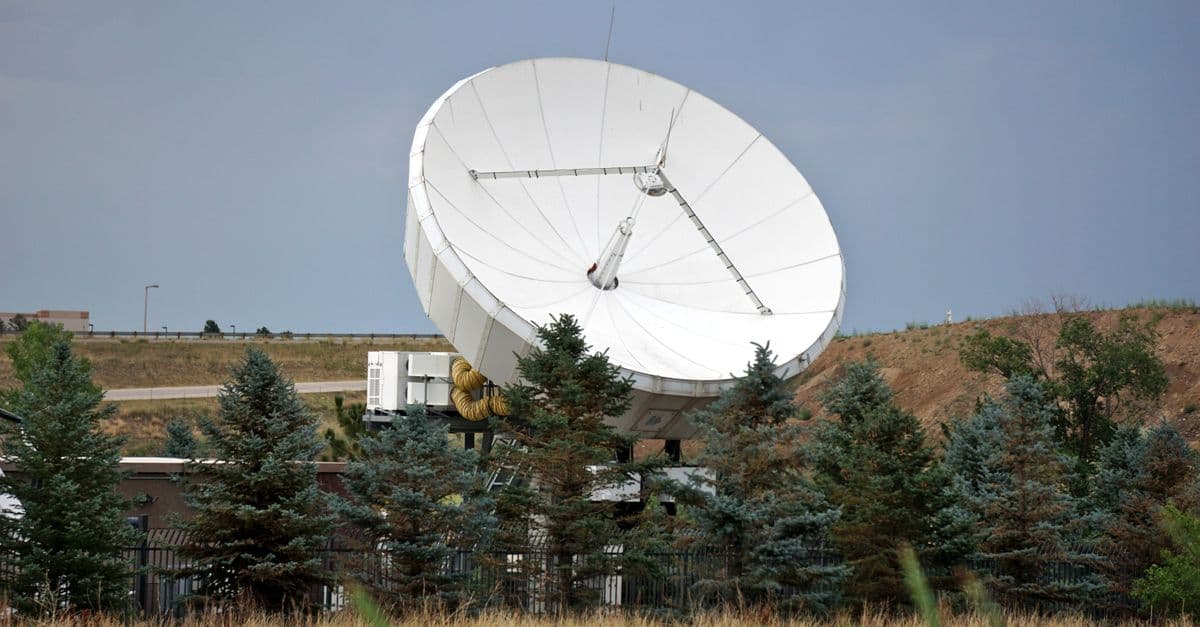
The United States leads every satellite count, largely because of Starlink: 11,114 of the 16,988 active satellites tallied on October 12, 2026. Here is how the major counts differ, who is next, and what the rankings leave out.

Humans are individuals, but consciousness could theoretically be networked. What if technology allowed direct brain-to-brain communication, shared thoughts, and merged consciousness? A human hive mind would be radically more efficient — but would also eliminate individuality, privacy, and the diversity of thought that drives innovation.