water
12 articles tagged with #water

Space
How Astronauts Survive in Space: Life Support Systems Explained
An astronaut in a spacesuit orbiting Earth faces four immediate threats: the vacuum of space (zero pressure, instant death in seconds without suit), extreme temperature swings (−150°C in shadow, 150°C in sunlight), intense radiation (solar wind, cosmic rays), and hypoxia (lack of oxygen). The Environmental Control and Life Support System (ECLSS) on spacecraft manages all four through oxygen generation, carbon dioxide removal, water recycling, temperature regulation, and pressure maintenance. The International Space Station recycles 90 percent of water and generates oxygen through electrolysis. Deep-space missions to Mars will require even more sophisticated recycling: current ECLSS efficiency is insufficient for 2-year Mars transit. This article examines how astronauts survive in space, the engineering of life support, and the challenges of keeping humans alive in the harshest environment.
Sustainability
How Climate Change Is Affecting Your Daily Life
Climate change is not a future event that will arrive later. It is already changing the price of your coffee, the length of your allergy season, the cost of your home insurance, the availability of water in your tap, and the heat outside your window. The effects are measurable, attributed to specific climate mechanisms by peer-reviewed science, and accumulating across every aspect of daily life in 2026. This article maps the concrete pathways — with numbers — from global warming to your daily experience.
Sustainability
Countries with the Most Freshwater Resources (Ranked)
Brazil has the world's largest total renewable freshwater resources — approximately 8,647 cubic kilometers per year, more than any other country and roughly 20 percent of the global total. Russia is second at 4,525 km³/year, Canada third at 2,860 km³/year. But total volume is only part of the story: Canada's per-capita freshwater availability is 36 times higher than China's. And water stress — not total availability — is the defining water challenge of the twenty-first century. This ranking covers the top 20 countries by total renewable freshwater resources, sourced from FAO AQUASTAT, with per-capita comparison and analysis of global water scarcity.
Science
Mpemba Effect — Does Hot Water Freeze Faster?
Can hot water really freeze faster than cold water? The Mpemba effect is one of physics' weirdest puzzles — here's what 60 years of research reveals.
What If
What If All Water on Earth Disappeared?
What would happen if every drop of water on Earth vanished? Explore the catastrophic consequences for life, atmosphere, and planet.
Sustainability
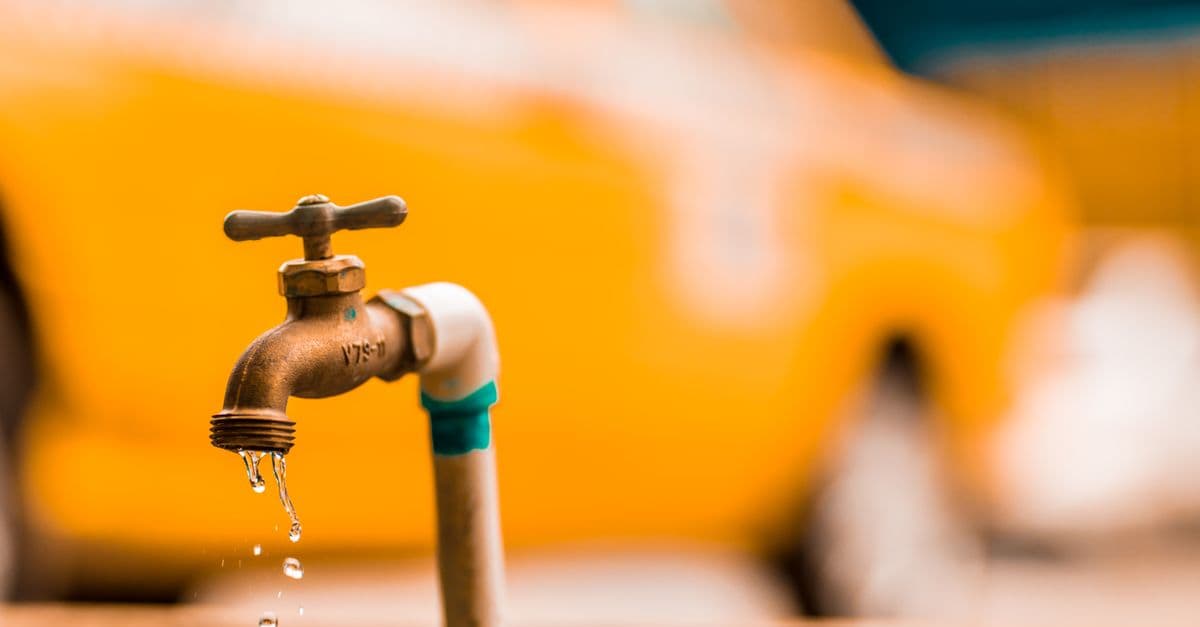
Countries with the Best Tap Water Quality (2024 Data Ranked)
Iceland, New Zealand, Singapore, and Hungary report 100 percent of people using safely managed drinking water, and much of Europe is above 99 percent. Yet 2.1 billion people still lack it, and lead pipes and PFAS challenge even high scorers. Here is what the data show and what it cannot.
Science
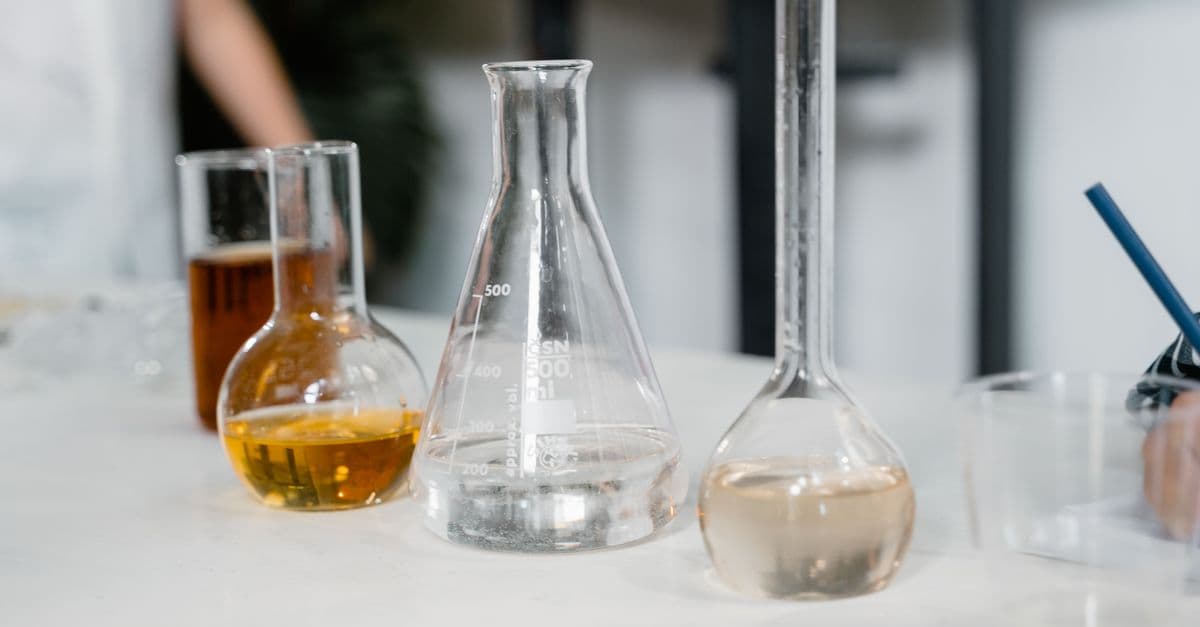
How Water Works: The Unique Chemistry of H₂O
Water is the strangest common substance on Earth: it expands when it freezes, climbs up trees, and makes life possible through a single molecular quirk.
Science
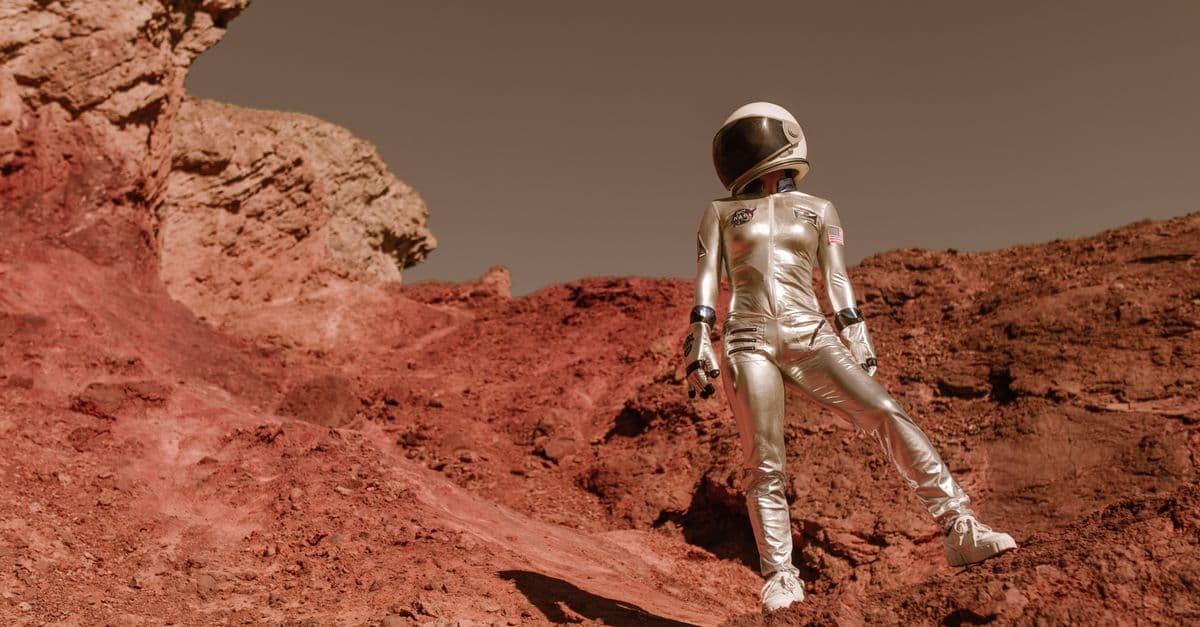
Water Evidence in Martian Rocks: Mars' Watery Past
Orbiters and rovers have read Mars' wet history in clay minerals, sulfate salts, river deltas, and lake mudstones. Here is what each clue shows and where it stops.
Sustainability
Countries Facing the Worst Freshwater Stress (WRI Ranked)
WRI's 2023 Aqueduct update puts 25 countries, home to about a quarter of humanity, in the extremely high water stress category. Here is who ranks worst, why the rankings disagree, and what Cape Town, Chennai, the Aral Sea, and Israel show about causes and fixes.
Sustainability
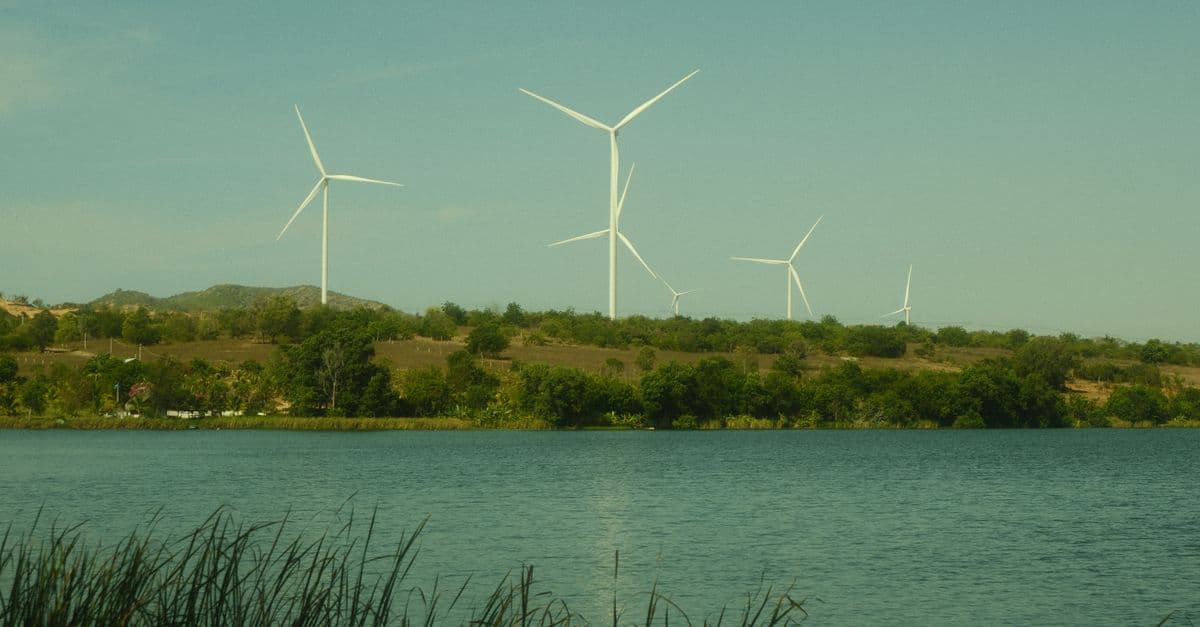
Countries with the Least Access to Clean Water (2025 Ranked)
Ethiopia, DR Congo, and Niger have the worst access to clean drinking water — fewer than 50% of the population has access. 2.2 billion people lack safely managed drinking water globally. Waterborne diseases kill 1.5 million people annually. A child dies every 2 minutes from diarrheal disease linked to unsafe water.
Sustainability
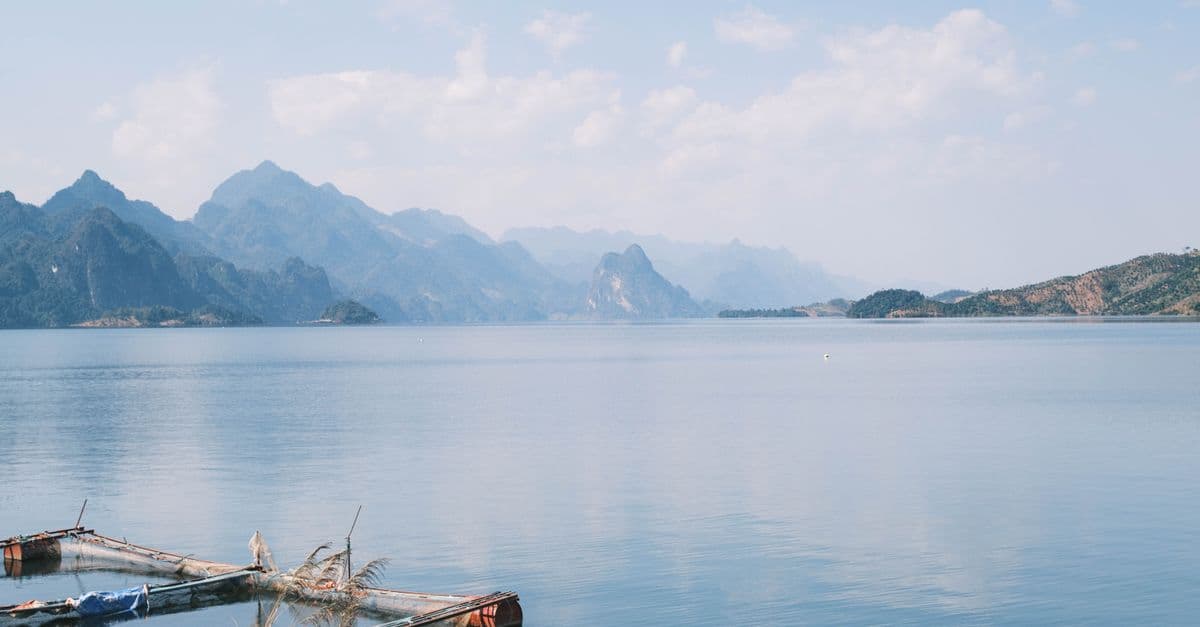
Countries with the Most Freshwater Lakes in the World
No single list ranks countries by lake count, because the answer depends on how small a pond you are willing to call a lake. Here is what the national surveys and satellite inventories actually say, and which lakes hold the most water.