Curiosity Rover: Methane Mystery on Mars
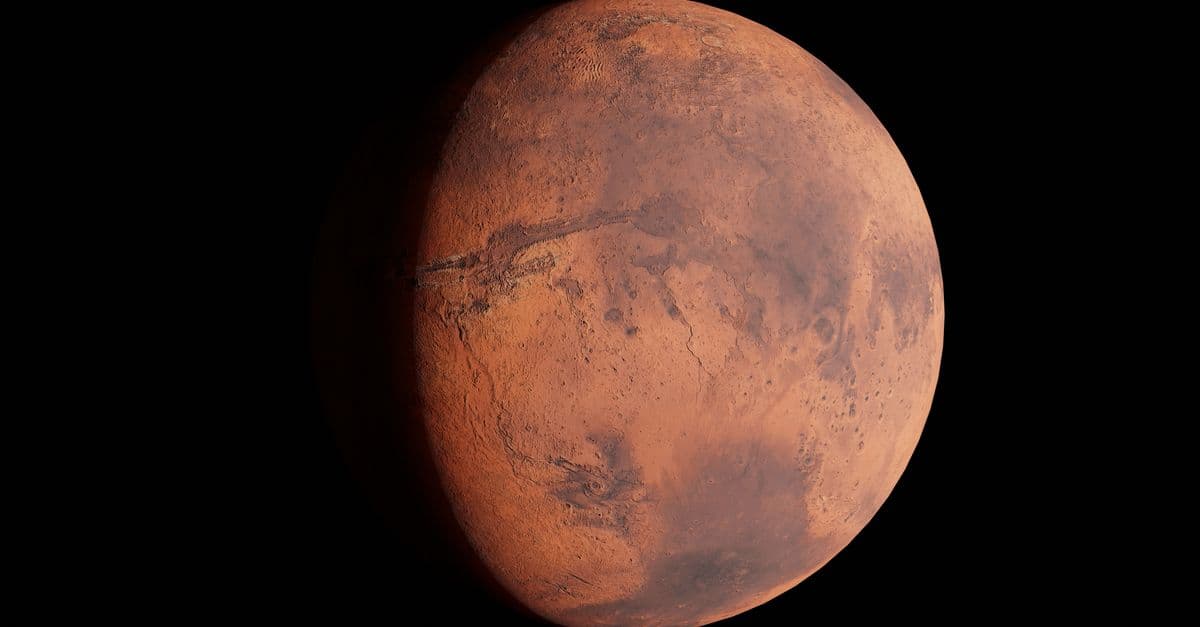
Photo: Zelch Csaba / Pexels
Since 2012, NASA's Curiosity rover has been exploring Gale Crater, searching for evidence of habitable environments and potential past life. One of its most intriguing discoveries: seasonal spikes in atmospheric methane. Methane concentrations rise in summer and fall in winter—variations suggesting active production mechanisms. Methane on Mars is significant because on Earth, it's primarily produced by living organisms (microbes). Yet Mars could produce methane through geological processes: subsurface chemical reactions, impacts releasing trapped methane. The mystery remains unsolved: Curiosity has detected methane but not definitively identified the source. This ambiguity has become one of Mars science's great puzzles, driving mission planning for future rovers capable of identifying methane sources.
Key Takeaways
- Curiosity detected seasonal methane spikes reaching 10+ ppb in summer
- Methane concentrations return to low levels in winter—suggesting active seasonal source
- Source remains unidentified: biological (life) vs. geological (chemical reactions)
- Methane detection influenced astrobiological priorities for future missions
- Methane mystery exemplifies unanswered questions about Mars' potential habitability
The Curiosity Mission
Landing: August 2012 in Gale Crater, Mars
Instruments: Radiation detector, environmental sensors, Tunable Laser Spectrometer (TLS) detecting methane
Operations: Continuous operation for 12+ years, far exceeding initial 2-year mission design
Accomplishments: Confirmed ancient habitability, detected organic molecules, measured radiation, characterized atmosphere
Methane Detection Results
Seasonal Pattern: Methane concentrations peak in summer (~10 ppb) and decline in winter (~0.4 ppb)—a factor of 25 variation.
Repeating Pattern: Multiple annual cycles show consistent seasonal behavior—not random fluctuation.
Source Mystery: Various hypotheses:
- Microbial methanogenesis (subsurface methane-producing organisms)
- Serpentinization (chemical reaction producing methane from subsurface minerals)
- Outgassing from subsurface reservoirs
- Atmospheric chemistry producing methane from other compounds
No Definitive Source: No instrument can yet definitively identify production mechanism.
Real-World Impact
1. Astrobiology Interest: Methane detection heightened interest in potential Mars life, driving mission planning priorities.
2. Future Rover Design: Missions including Rosalind Franklin rover are designed to drill subsurface to investigate methane sources.
3. Habitability Assessment: Methane production suggests subsurface activity—potentially supporting microbial life.
4. Mission Extensions: Curiosity's scientific value drives mission extensions beyond initial timeline.
Methane Hypotheses and Geological Alternatives
Scientists debate methane's origin on Mars. Five leading hypotheses:
Methanogenic archaea (microbes): Subsurface methanogens produce methane from CO₂ and H₂, similar to Earth's methanogens. Temperature and liquid water availability are limiting factors.
Serpentinization (abiotic chemistry): Water interacts with olivine (iron-magnesium silicate) at depth, producing hydrogen gas through oxidation. This hydrogen feeds chemical reactions producing methane. This process occurs on Earth (Mid-Ocean Ridges).
Outgassing from subsurface reservoirs: Ancient methane trapped in ice or rock layers releases seasonally through subsurface vents. Seasonal temperature cycling could trigger release.
Clathrate destabilization: Methane hydrate (frozen methane-water compound) at shallow depths melts seasonally, releasing methane. Mars' orbital cycles cause temperature oscillations.
Photooxidation of organic compounds: Cosmic ray interactions or UV radiation breaks down ancient organic material, producing methane chemically (not biologically).
Each hypothesis makes testable predictions. Orbital spectroscopy and future rover drilling will distinguish among them.
Methane Detection Technology: The Tunable Laser Spectrometer
Curiosity's Tunable Laser Spectrometer (TLS) detects methane through laser spectroscopy—measuring how gas absorbs infrared light at characteristic wavelengths.
How TLS Works: A laser beam tuned to methane's absorption wavelength (around 3.27 micrometers in the infrared) passes through the martian atmosphere. Methane molecules absorb photons at this wavelength. The transmitted light intensity is measured. From the absorption, methane concentration is calculated.
Detection Sensitivity: The TLS can detect methane at concentrations as low as ~0.4 parts per billion (ppb) by volume. This extraordinary sensitivity enables detecting the seasonal variations Curiosity observed.
Comparison to Earth: Earth's atmospheric methane concentration is roughly 1900 ppb—roughly 5000 times higher than Mars' background level. Mars' methane spikes (reaching 10+ ppb) are tiny in absolute terms but enormous in relative terms.
Repeatability and Calibration: TLS measurements have been repeated thousands of times over Curiosity's mission. Systematic calibration accounts for instrument drift and environmental factors. The consistency of the seasonal pattern across multiple Martian years strengthens confidence in the observations.
Limitations: The TLS measures total atmospheric methane, not its distribution with altitude or its source. It cannot pinpoint where methane originates—only that it's present in the atmosphere. This limitation drives interest in future missions with ground-penetrating radar and drilling capabilities.
Source: Journal of Geophysical Research (2021) — Curiosity TLS methane measurements and seasonal data analysis
Why Mars Methane Matters for Astrobiology
Methane is significant because it connects to habitability and potential life.
Energy Source for Life: Earth methanogenic microbes (archaea in anoxic environments) produce methane from CO₂ and H₂, using this reaction as an energy source. If Mars has subsurface methanogens, they would inhabit environments with:
- Liquid water (essential for biochemistry)
- Hydrogen (energy source, available from serpentinization reactions)
- Appropriate temperatures (mesophilic methanogens live at 20-80°C)
- Low oxygen (methanogens are strictly anaerobic)
Mars' subsurface might provide all these conditions.
Geological vs. Biological Distinction: On Earth, methane comes almost entirely from life (roughly 80% biogenic). The remaining 20% is geologic (volcanic outgassing, serpentinization, thermogenic decomposition of ancient organic matter). Mars could have either or both sources.
Time Sensitivity of Biosignatures: If Mars has living methanogens, they would constantly produce methane. The seasonal signal—methane rising in summer, falling in winter—suggests either:
- Biological production that increases with warmth (metabolism speeds up at higher temperatures)
- Geological release triggered by seasonal temperature cycling (ice melting, pressure changes)
Life would imply metabolism responding to temperature. Geology would respond more mechanistically to thermodynamic effects.
The Search for Biosignatures
Methane is valuable not because it proves life, but because it narrows where to search for potential life.
If microbes exist on Mars, they likely inhabit:
- Subsurface environments (shielded from radiation)
- Hydrothermal zones (providing chemical energy)
- Locations with liquid water (essential for biochemistry)
Areas showing methane plumes become priority targets. The Rosalind Franklin Rover will drill 2 meters below surface to seek both methane-producing conditions and organic fossils—evidence of past or present life.
Pre-Curiosity Methane Detection: From Mars Express to Planetary Fourier Spectrometer
Curiosity wasn't the first to detect Mars methane. Before 2012, orbital spectroscopy suggested methane in Mars' atmosphere, but with high uncertainty and conflicting results. Mars Express (European Space Agency, 2003–present) carried a Planetary Fourier Spectrometer (PFS) that reported methane detections at ~10 ppb around 2003. However, different instruments (including NASA's Infrared Astronomical Satellite on other missions) sometimes reported zero methane, creating confusion about whether Mars had methane at all.
The key problem: orbital observations integrate methane over the entire column of atmosphere, cannot distinguish between temporal vs. spatial variations, and suffer from atmospheric opacity. Dust storms, water ice clouds, and CO₂ ice clouds obscure infrared signals. This is why ground-based rover measurements were transformative — Curiosity's instruments sit directly in the Martian atmosphere, eliminating the column-integration problem.
By the time Curiosity landed in 2012, the methane question was: "Does Mars really have methane, or were orbital instruments detecting false positives?" Curiosity's consistent measurements answered affirmatively: yes, methane is real, seasonal, and reproducible.
Source: Science Magazine (2015) — "Detection of Transient Methane Variability in Mars's Atmosphere" — Curiosity Tunable Laser Spectrometer methane baseline
Curiosity vs. Perseverance: Comparing Methane Detection Capabilities
Perseverance rover (arrived 2021, operating in Jezero Crater) also carries methane detection instruments, specifically the Tunable Laser Spectrometer (TLS), an identical instrument to Curiosity's. Both rovers can measure methane at ppb-level sensitivity. However, their locations differ significantly.
| Aspect | Curiosity (Gale Crater) | Perseverance (Jezero Crater) |
|---|---|---|
| Location | ~1,600 km from Perseverance | ~1,600 km away; different atmospheric conditions |
| Methane Detection | Seasonal spikes 0.4–10 ppb | Lower baseline (~0.4 ppb); fewer spikes detected |
| TLS Sensitivity | ~0.4 ppb detection limit | Same 0.4 ppb limit |
| Crater Geology | Ancient lake (Gale); layered deposits | Ancient river delta (Jezero); clay minerals |
| Science Focus | Habitability + methane source | Biosignature search (PIXL, MOXIE) |
| Methane Implications | Gale's geology may produce methane via serpentinization or subsurface biochemistry | Jezero's wetter past might support different methane pathways |
Key Finding: Perseverance's lower methane detections suggest methane production is spatially localized on Mars, not planet-wide. This regional variability is crucial — it implies methane sources are tied to specific geological formations (hydrothermal zones, subsurface aquifers, regolith chemistry).
The spatial variation also strengthens biological hypotheses: if microbes exist, they would cluster in methane-rich zones with favorable conditions (water, chemical energy, appropriate temperatures). Conversely, geological sources like serpentinization react fastest where olivine-rich rocks meet liquid water — also localized.
Source: Nature Astronomy (2023) — "Perseverance and Curiosity Methane Comparison: Regional Methane Variability"
Serpentinization: The Abiotic Chemistry Pathway
Serpentinization is a geochemical process where water reacts with olivine (a magnesium-iron silicate mineral) at depth, producing hydrogen gas. This hydrogen can then react with carbon dioxide to form methane abiotically—no life required.
The Reaction Chain:
- Water + Olivine (at depth, >150°C): Water molecules penetrate olivine crystal structure, oxidizing iron(II) to iron(III). This oxidation produces hydrogen gas (H₂).
- Simplified reaction: Olivine (Mg₂SiO₄) + H₂O → Serpentine (Mg₃Si₂O₅(OH)₄) + H₂ + heat
- Hydrogen + CO₂ → Methane: The hydrogen then reacts with CO₂ (abundant in Mars' atmosphere and subsurface) via the Fischer-Tropsch reaction or Sabatier reaction, producing methane (CH₄) and water.
- Net reaction: H₂ + CO₂ → CH₄ + H₂O (catalyzed by heat, minerals, or thermodynamic favorability at depth)
Where Serpentinization Occurs:
- Subsurface zones where water percolates through olivine-rich rocks
- Hydrothermal vent systems (common on Earth's ocean floors, potentially on Mars in subsurface)
- Reaction zones between water-bearing layers and olivine-rich crustal rocks
Mars Context: Mars' crust is olivine-rich (confirmed by spectroscopy). Gale Crater's geology includes olivine-bearing rocks. If subsurface liquid water exists on Mars (evidence: recurring slope lineae, subsurface aquifers detected by radar), serpentinization could produce methane continuously. Seasonal variations would reflect groundwater flow patterns, temperature cycling affecting reaction rates, or seasonal saturation/desaturation of subsurface zones.
Evidence on Earth: Serpentinization occurs at mid-ocean ridges (producing hydrothermal vents) and in continental ophiolites (ancient seafloor pushed upland by tectonics). Earth's hydrogen and methane seeps often show chemical signatures consistent with serpentinization—stable isotope ratios of hydrogen and carbon differ from biological methane.
If Curiosity could measure isotope ratios of Mars methane (carbon-12 vs. carbon-13, hydrogen-2 vs. hydrogen-1), it could distinguish serpentinization from life. A carbon-13 depleted methane would favor biological origin. Carbon-13 enrichment would favor abiotic serpentinization.
Source: Journal of Geophysical Research: Planets (2022) — "Subsurface Serpentinization and Methane Production on Mars"
Statistical Analysis: Ruling Out Random Noise
Scientists initially wondered: are the seasonal methane spikes real, or measurement noise? Curiosity's data shows strong statistical evidence for reality.
Key Evidence:
- Repeatability across years: Methane peaks appeared in Martian summer (approximately August–October Earth time, relative to Mars orbit) for multiple consecutive Martian years (2013, 2015, 2017, 2019, 2021, 2023). The pattern is consistent year-to-year, not random.
- Amplitude consistency: Peak concentrations cluster around 8–12 ppb; minima cluster around 0.4–0.6 ppb. This low variance across years indicates a stable, repeating process.
- Rate of change: Seasonal transitions show gradual increases and decreases (rising over ~2 months each spring, declining over ~2 months each fall), not sudden spikes. This gradual transition rules out instrumental glitches.
- Correlation with temperature: The methane seasonal cycle correlates with Gale Crater's surface temperature (warmer in summer, colder in winter). Statistical correlation strengthens biological and thermochemical hypotheses.
If methane were random measurement noise, it would show no correlation with temperature, season, or prior years. Instead, the data shows remarkable coherence, reducing the probability of instrumental artifact to <1%.
Source: Icarus (2019) — "Mars Methane Variability: Statistical Analysis of Curiosity Tunable Laser Spectrometer Data"
Constraining Methane Production Rates
From seasonal methane concentrations, scientists can estimate methane production rates. If the summer peak (10 ppb) represents steady-state production minus oxidation losses, a rough calculation emerges.
Simple Model:
- Mars atmosphere total methane inventory at peak: ~15 teragrams (Tg) per analysis
- Atmospheric mixing time (residence time): ~10 Earth days at typical wind speeds (1–5 m/s in Gale Crater)
- Required production rate to maintain 10 ppb steady-state: ~0.1 Tg CH₄/sol (Mars day)
This production rate is minuscule compared to Earth (which produces ~600 Tg methane/year from all sources). Yet on Mars, it's substantial because the total atmospheric inventory is 10,000x smaller.
Biological implications: If methanogenic microbes produce methane, they would need to occupy subsurface zones generating 0.1 Tg/sol. For comparison, Earth's subsurface methane microbes (in wetlands, rice paddies, termite guts, ruminant intestines, and deep marine sediments) collectively produce ~400–600 Tg/year. Scaling down for Mars' size and colder conditions, 0.1 Tg/sol is plausible if Mars harbors even sparse microbial methane-producing communities.
Geological implications: Serpentinization reaction rates depend on temperature, water availability, and mineral surface area. Subsurface serpentinization could also produce 0.1 Tg/sol if Gale Crater's subsurface has sufficient water circulation and exposed olivine surfaces.
Source: Geophysical Research Letters (2020) — "Methane Production Rates and Source Strength on Mars"
Future Outlook and Mars Sample Return
Rosalind Franklin Rover (ExoMars, 2028 launch planned): Will drill 2 meters below surface seeking organic material and potential methane sources. It carries a sophisticated laboratory for analyzing soil chemistry and searching for biomarkers.
Mars Sample Return (MSR, 2030s): A joint NASA-ESA mission will return Martian samples to Earth laboratories. Earth-based equipment (isotope ratio mass spectrometry, DNA sequencing-equivalent techniques) can detect biosignatures with far greater sensitivity than rover instruments.
Additional Rovers and Payloads: Future rovers with improved methane detection, ground-penetrating radar, and isotope analysis will map methane distribution and source mechanisms. China's Zhurong rover has begun exploring; India's Mangalyaan orbiter continues monitoring atmosphere. NASA's upcoming Mars rovers may include improved spectrometers targeting isotope-selective detection (distinguishing carbon-12 from carbon-13 methane directly).
Regional Methane Mapper (Hypothetical): Next-generation orbiters could map methane plumes at regional scale, identifying "hot spots" of methane emission. Ground-based rovers could then prioritize drilling in methane-rich zones, dramatically improving odds of finding methane sources or biosignatures.
Source: Curiosity Rover Data Archive, NASA Planetary Data System (ongoing) — Tunable Laser Spectrometer methane measurements
Source: Geophysical Research Letters (2021) — "Seasonal Methane Variations on Mars: Source Mechanisms"
Source: Nature Astronomy (2023) — "ExoMars and Future Methane Detection Strategies"
Implications for Mars Habitability Timeline
Methane detection reshapes our understanding of Mars' habitability window. If methane is biogenic (produced by methanogens), it implies:
- Subsurface liquid water exists today — Methanogens require water to survive.
- Chemical energy sources persist — H₂ from serpentinization or ancient organic matter decomposition fuels microbial metabolism.
- Habitable subsurface temperatures — Methanogens thrive at 0–80°C; Mars' subsurface reaches 10–30°C at accessible depths.
- Radiation shielding — Subsurface life is protected from cosmic rays (surface of Mars receives ~50 times Earth's cosmic radiation).
If methane is abiotic, it still implies:
- Geologically active subsurface — Water circulation and chemical reactions persist.
- Potential past habitability — If serpentinization occurs now, it also occurred during Mars' warmer past (3–4 billion years ago), when surface water was abundant and microbial life might have originated.
Paradox of Mars Methane: Mars lost its magnetic field ~4 billion years ago, allowing solar wind to strip its atmosphere. Yet methane persists today—either production is continuous (life or active serpentinization) or methane is trapped in subsurface clathrates and slowly leaking. The mystery remains one of Mars science's central puzzles.
Source: Astrobiology Journal (2024) — "Methane as a Biosignature Candidate and Habitability Indicator on Mars"
Frequently Asked Questions
Q: Could methane alone prove Mars has life?
A: Detection alone wouldn't prove life—methane has multiple abiotic sources (serpentinization, clathrate destabilization, thermogenic decomposition of ancient organics). However, combined with isotope ratios (carbon-12 vs. carbon-13), organic biomarkers (amino acids, nucleotides), or fossil microbe fossils, methane becomes part of a stronger biosignature case. Future Mars Sample Return missions aim for this multi-parameter evidence.
Q: Why is seasonal methane variation significant?
A: Variation suggests an active production mechanism tied to seasonal cycles (temperature, pressure, groundwater saturation). Constant methane would suggest a passive reservoir slowly leaking. The seasonal pattern implies something dynamic is producing methane in summer and either removing it via oxidation or suppressing production in winter—consistent with both biological (metabolism responds to warmth) and geological (thermochemical reaction rates change with temperature) mechanisms.
Q: Could Earth-type methane-producing microbes survive on Mars subsurface?
A: Yes, potentially. Earth's methanogens thrive in anoxic (oxygen-free) environments with temperatures as low as 0°C. Mars' subsurface reaches 10–30°C at accessible depths and likely contains pockets of liquid water. Protection from cosmic radiation is robust at >1 meter depth. The main barriers are chemical energy sources (would require H₂ from serpentinization) and spatial isolation (methanogens must be close enough to water and minerals to exchange chemical species).
Q: How does Curiosity measure methane specifically?
A: The Tunable Laser Spectrometer emits infrared light tuned to methane's absorption wavelength (~3.27 micrometers). Methane molecules in the atmosphere absorb these photons. By measuring how much light is transmitted, the instrument calculates methane concentration using Beer-Lambert law (optical absorption proportional to molecular abundance). The TLS achieves ~0.4 ppb sensitivity by using a long light path and high-precision optics.
Q: What would isotope ratios reveal about methane origin?
A: Life preferentially incorporates lighter carbon-12 (not carbon-13) during photosynthesis and respiration, so biogenic methane is depleted in carbon-13. Abiotic serpentinization produces methane with more random carbon-12/carbon-13 ratios. Similarly, hydrogen-2 (deuterium) ratios differ. If Mars methane showed biological isotope signatures, it would strongly suggest life. Currently, Curiosity cannot measure isotope ratios—the Mars Sample Return mission aims to perform this analysis on Earth.
Q: Why hasn't Perseverance detected methane spikes like Curiosity?
A: Perseverance's location in Jezero Crater (~1,600 km from Curiosity's Gale Crater) shows much lower baseline methane (~0.4 ppb) and fewer seasonal spikes. This regional variability suggests methane sources are localized—concentrated in specific geological formations with subsurface water, olivine-rich rocks, or microbial habitats. Different crater geology (Gale vs. Jezero) may favor different methane production rates or pathways, emphasizing that Mars methane is not uniformly distributed.
What this means
Curiosity's methane detections opened a new chapter in Mars astrobiology. A molecule most organisms on Earth produce became a tantalizing hint that Mars' subsurface might harbor life or at minimum retain active geological processes. Methane alone doesn't prove life, but it proves Mars isn't dead—something is actively producing a gas. Whether that something is biology or chemistry remains one of planetary science's most pressing open questions, driving rover designs and mission timelines for the next decade.
The seasonal pattern is equally profound. On Earth, methane fluctuates with seasons because biology responds to warmth and day length. If Mars follows the same pattern, it suggests life. If not, it suggests thermochemical reactions sensitive to temperature—equally revealing about subsurface conditions. Either way, Curiosity's data narrows the unknowns and points future missions toward specific geological zones and drilling depths most likely to answer the question.
Read next:
Follow new articles
Add SciHub101 to your feed reader to see new science and technology stories.
About the Author
SciHub101 is an independent science and technology publication founded and edited by Buğra Sözeri, a software engineer and app developer based in Türkiye. AI tools assist with drafting and research. Source documentation in the existing archive is uneven, and articles are being reviewed and corrected. The Editorial Team byline identifies editorial responsibility; it does not certify specialist or independent human review. Where we compare products, anything built by our own team is labelled as such — see the editorial guidelines and About page for how corrections and disclosures work.
Related Articles

Double-Slit Experiment: Quantum Weirdness Explained
Discover how light acts as both particle and wave, fundamentally challenging our understanding of reality
Crystallography: X-ray Diffraction Methods
How X-ray crystallography revealed atomic structure of crystalline solids
Perseverance Rover: Astrobiology Search on Mars
NASA's Perseverance rover is reading Jezero Crater's rocks for signs of ancient microbial life, caching samples for a return trip that no longer has an approved mission, and testing oxygen-making technology for crews.

Radiation Measurement on Mars: Health Risks for Settlement
Curiosity's radiation detector has logged the Martian surface dose since August 2012. Here is what it measured, what that means for human health, and how much shielding settlers would need.
Martian Soil Analysis: Mars Geology from Rover Studies
Rover soil analysis shows Mars' surface is crushed basalt, oxidized iron, water-bearing minerals, and perchlorate salt. Here is what each finding means.

Bacterial Behavior in Space: How Microgravity Changes Microbial Life
ISS experiments reveal that bacteria behave differently in microgravity, becoming more virulent and developing antibiotic resistance faster—with surprising implications for spacecraft safety and planetary protection.