Space
Mars Rovers Explained — Perseverance and Curiosity
From Sojourner to Perseverance, every Mars rover explained — missions, discoveries, and the race to bring samples back to Earth.
11 articles tagged with #rovers
From Sojourner to Perseverance, every Mars rover explained — missions, discoveries, and the race to bring samples back to Earth.
Mars rovers like Perseverance use onboard AI to navigate treacherous terrain, select science targets, and survive a 20-minute communication delay from Earth.
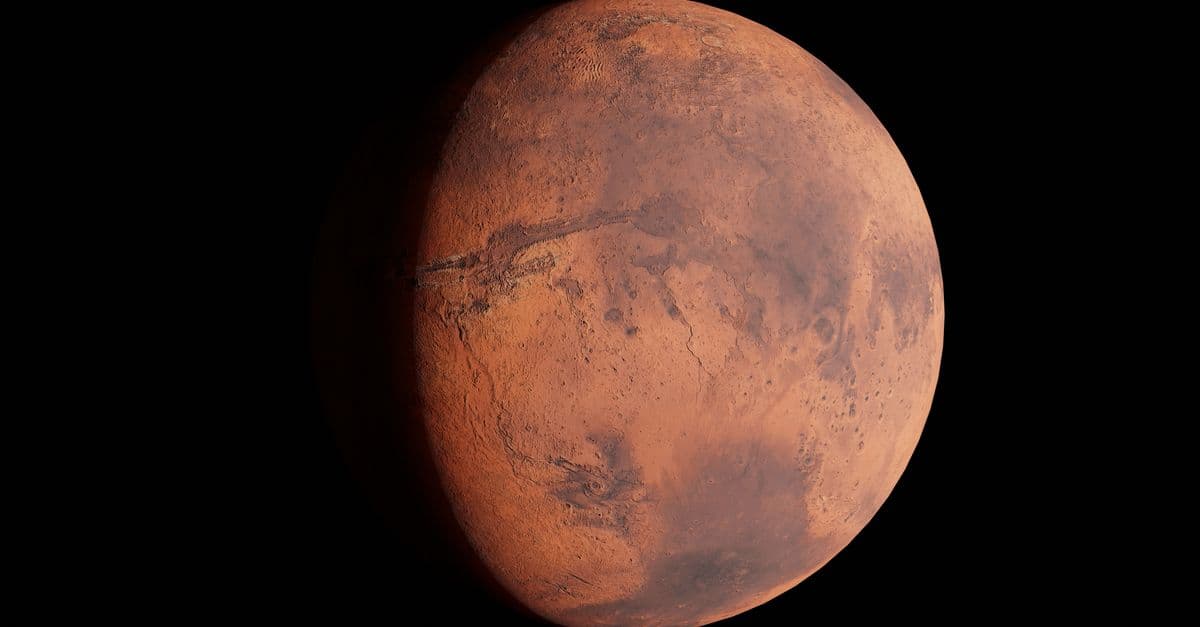
NASA's Curiosity rover detected methane spikes in Mars' atmosphere—evidence of possible microbial life or geological processes that challenge understanding of the Red Planet.
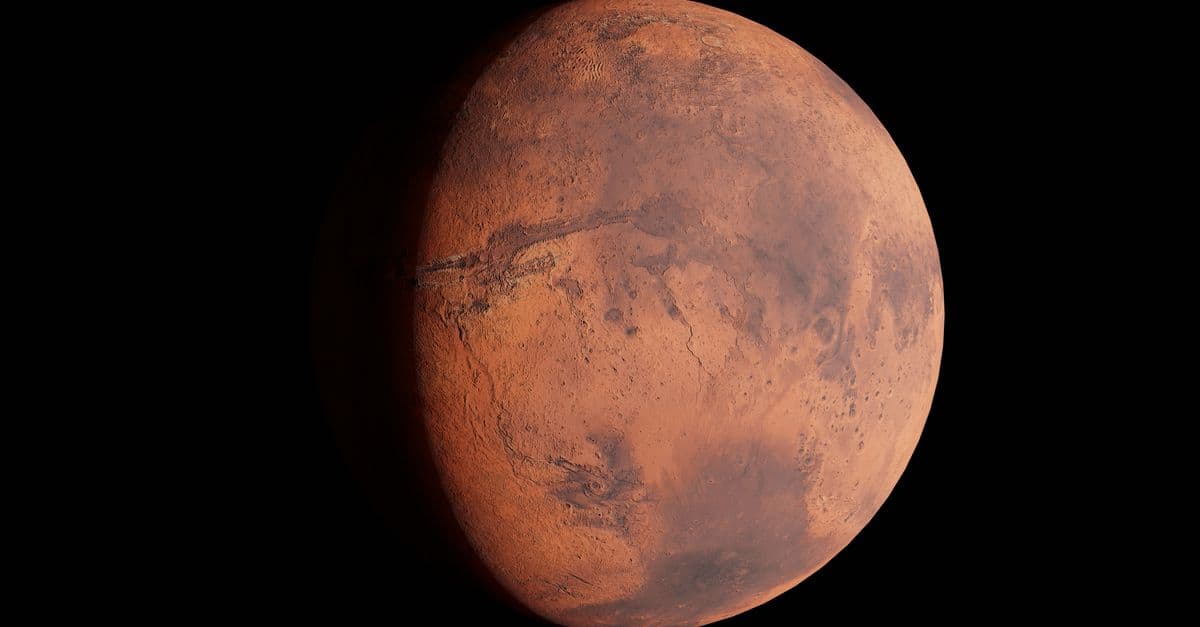
Mars' atmosphere is about 95% carbon dioxide at roughly 0.6% of Earth's surface pressure. Rover and orbiter measurements show what is in it, how it cycles with the seasons, and what its trace gases and isotopes say about the air Mars lost.
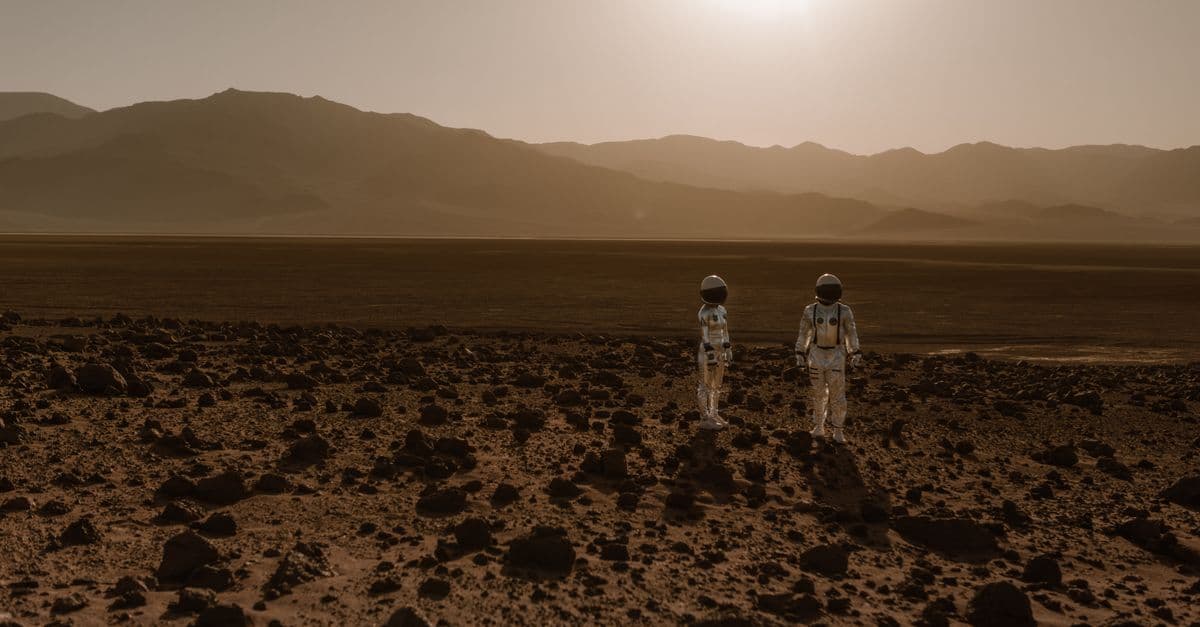
Mars dust storms can wrap the whole planet, as the 2018 storm did. Here is how they start, what they did to Opportunity and Curiosity, and what they mean for future bases.
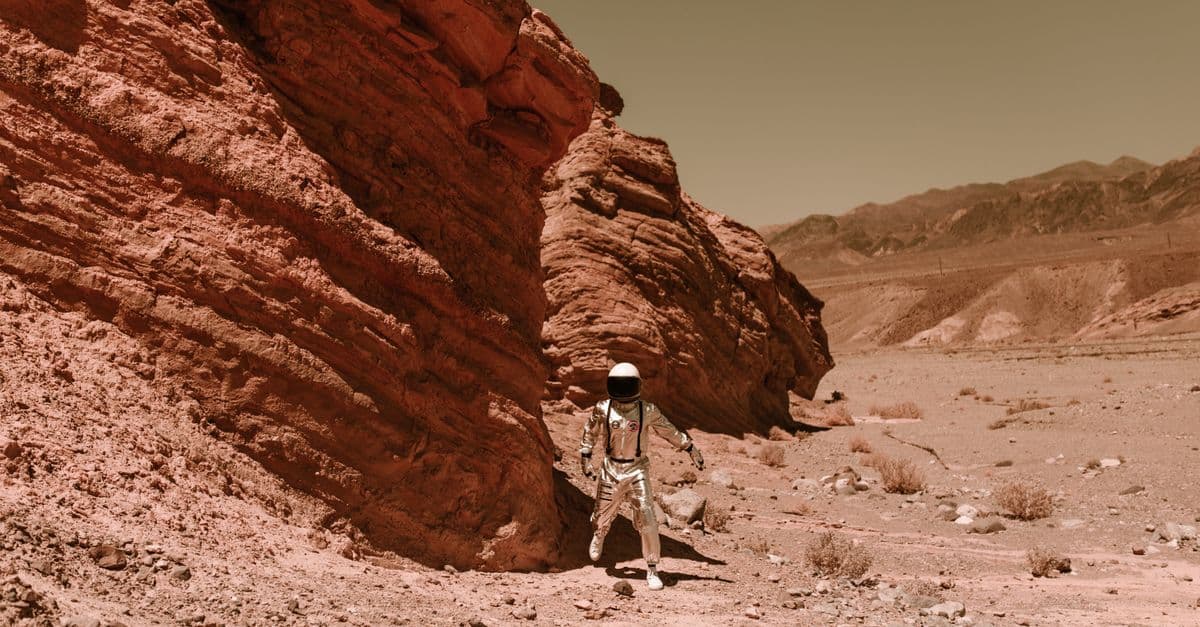
Curiosity's radiation detector has logged the Martian surface dose since August 2012. Here is what it measured, what that means for human health, and how much shielding settlers would need.
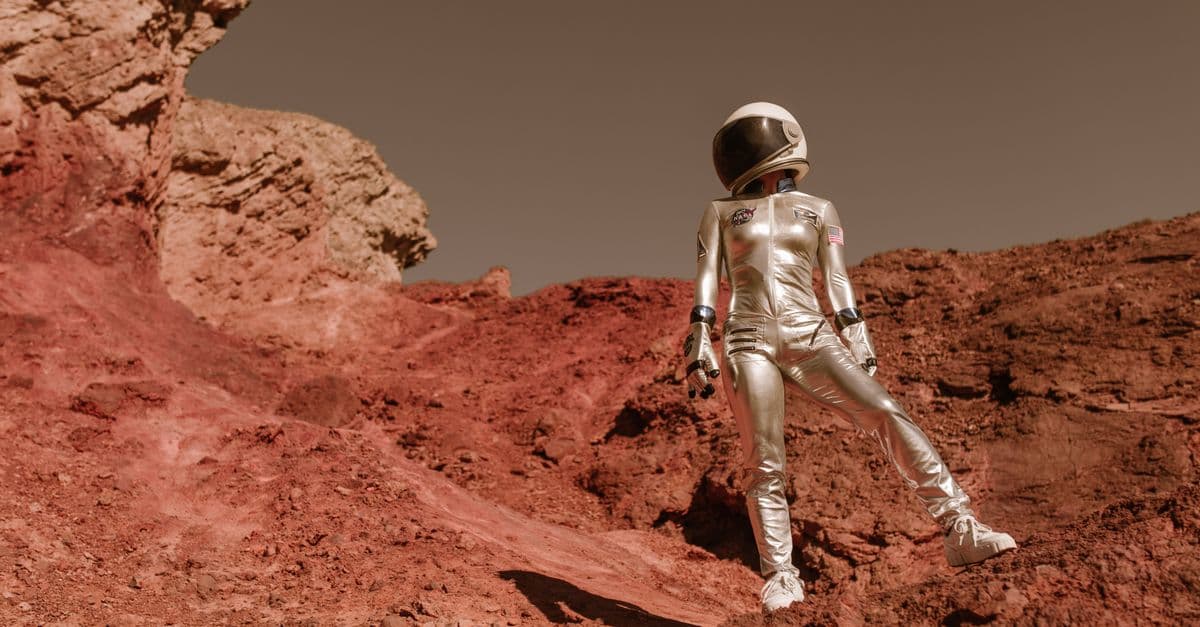
Mars air is roughly 160 times thinner than Earth's, and its temperature swings by more than 50 degrees in a day. Here is what rovers measure and why it matters.
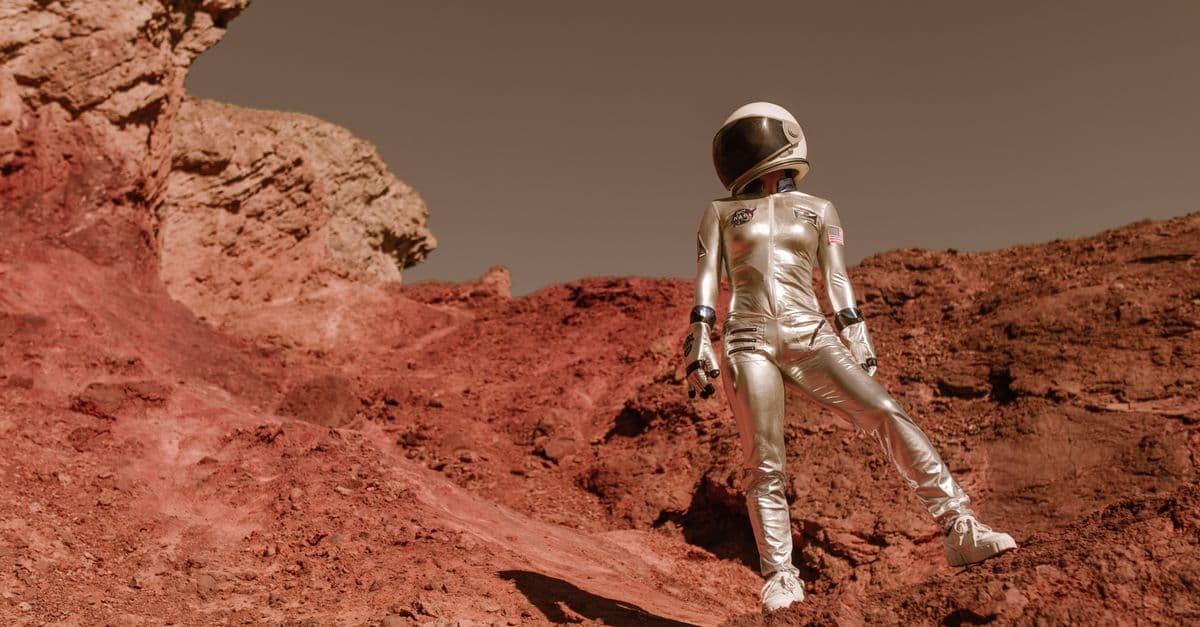
Orbiters and rovers have read Mars' wet history in clay minerals, sulfate salts, river deltas, and lake mudstones. Here is what each clue shows and where it stops.
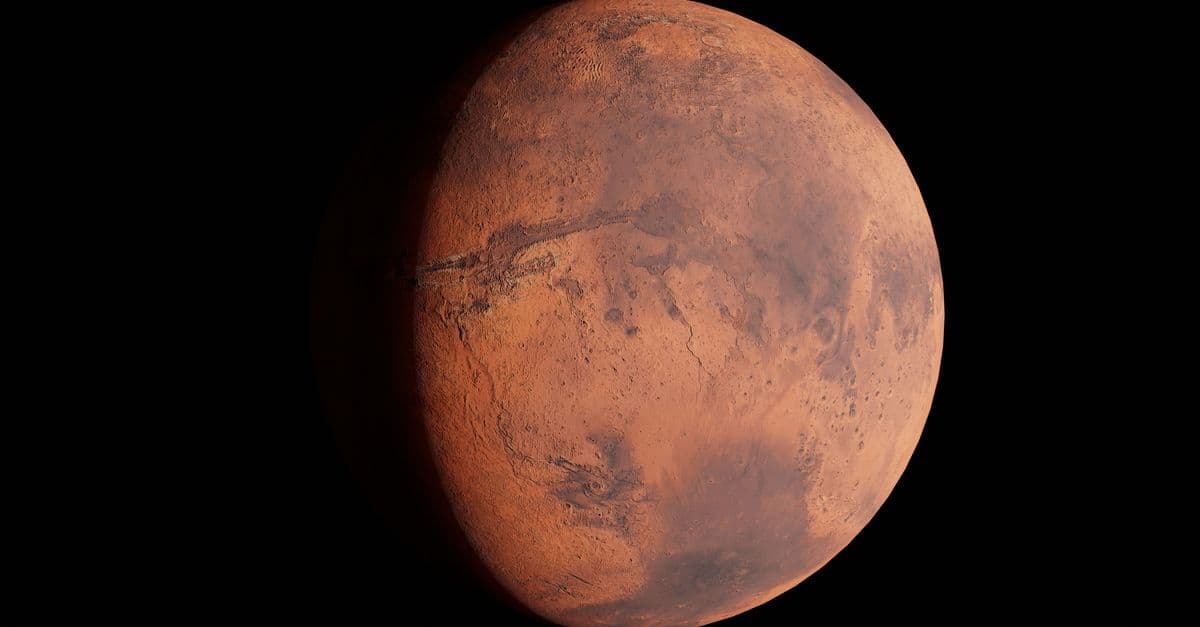
Rover soil analysis shows Mars' surface is crushed basalt, oxidized iron, water-bearing minerals, and perchlorate salt. Here is what each finding means.
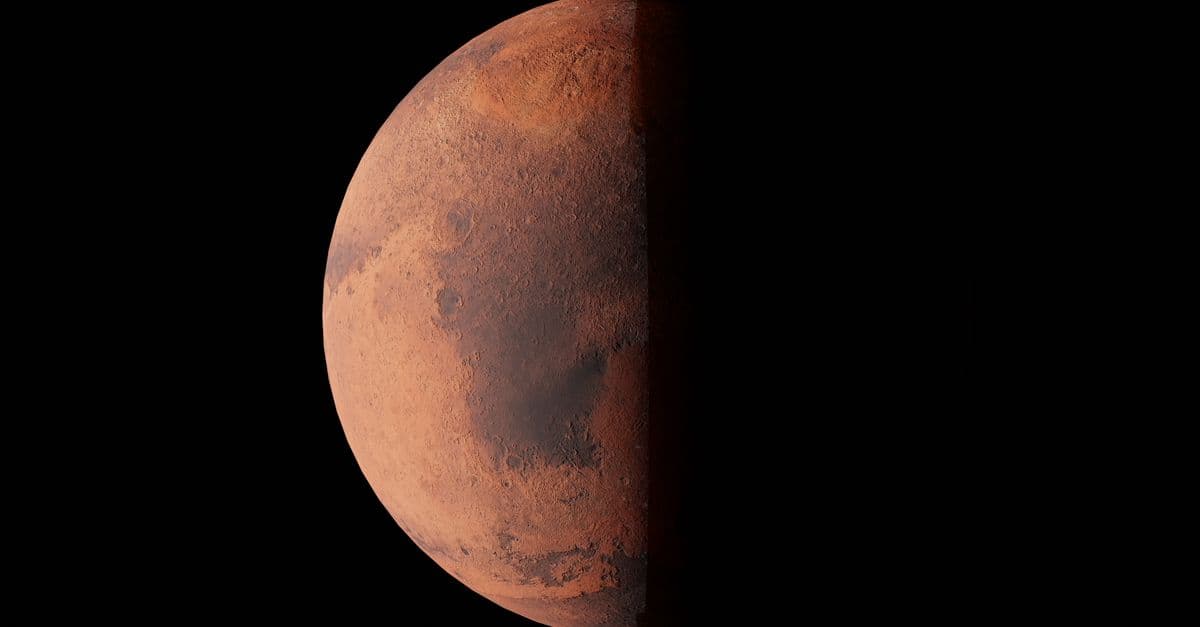
NASA's Perseverance rover is reading Jezero Crater's rocks for signs of ancient microbial life, caching samples for a return trip that no longer has an approved mission, and testing oxygen-making technology for crews.
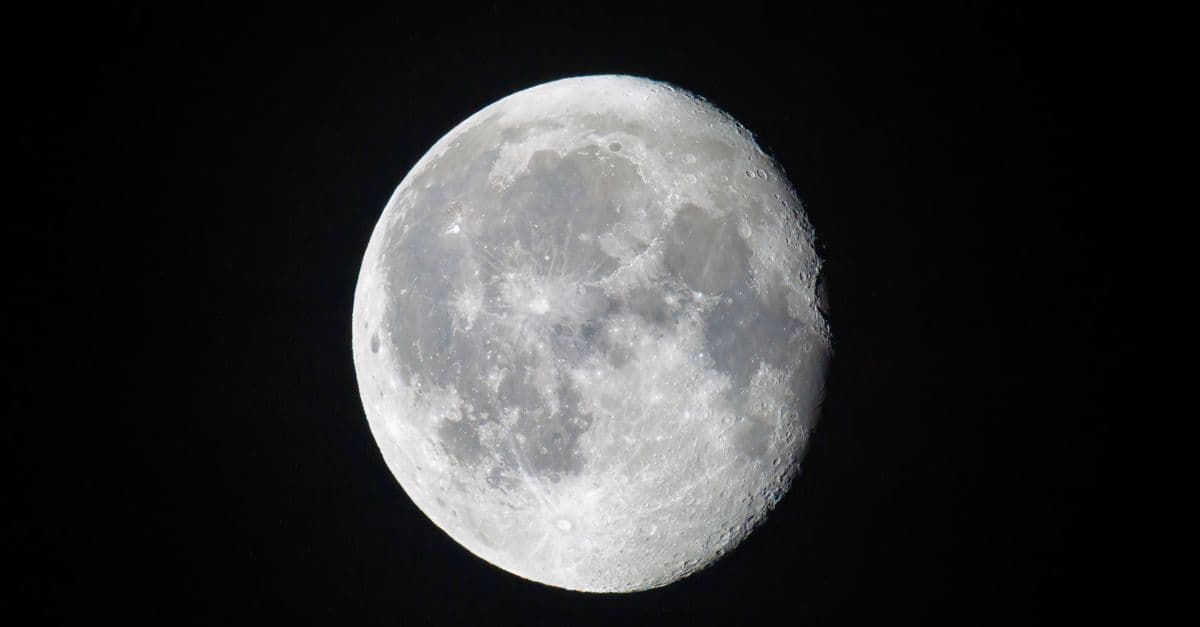
China's Yutu-2 rover explored the Moon's far side, discovering subsurface layers and geological features revealing the Moon's complex evolution.