Immune System Changes in Space: ISS Immunology Research
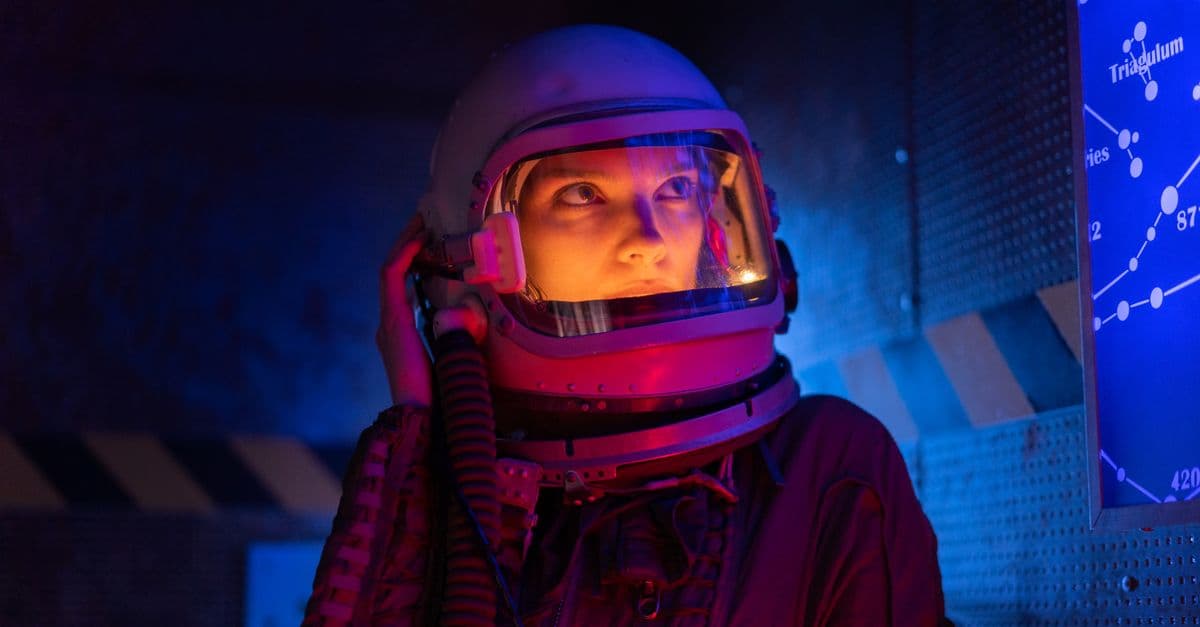
Photo: Mikhail Nilov / Pexels
Astronauts aboard the International Space Station shed dormant herpesviruses in their saliva and urine far more often than they do on Earth, and roughly half of ISS crew members develop a skin rash, cold sore, or shingles-like reactivation during a six-month mission. NASA immunologist Brian Crucian and colleagues have spent more than two decades tracking why: microgravity, isolation, radiation, and disrupted sleep combine to blunt T-cell function and let dormant viruses re-emerge. Understanding that mechanism protects astronaut health today and is starting to reshape how doctors think about immune aging and stress on Earth.
Key Takeaways
- Reactivation rates for latent herpesviruses rise sharply on ISS missions: varicella-zoster virus (VZV) shedding increased from 41% on shorter shuttle flights to 65% on ISS missions, Epstein-Barr virus (EBV) from 82% to 96%, and cytomegalovirus (CMV) from 47% to 61%, according to NASA-funded research published in Frontiers in Immunology.
- T-cell and natural killer (NK) cell function, not antibody levels, are the most consistently affected part of the immune system in orbit.
- Reactivation is best explained as a stress-driven breakdown in immune surveillance, not a simple loss of gravity's mechanical pull on cells.
- The 2019 NASA Twins Study found nearly 1,000 of astronaut Scott Kelly's genes changed expression in space, with immune-related genes prominently affected, though 93% returned to normal within months of landing.
- Antarctic winterover crews, the closest Earth-based analog to deep-space isolation, show milder but similar immune disruption, pointing to psychological stress and circadian disruption as major contributors alongside microgravity itself.
The problem: gravity's invisible role in immune defense
The immune system was built to work at one gravity (1 g). Its cells rely on physical cues, fluid flow, and tightly timed rhythms of sleep and hormone release to know when to patrol, when to attack, and when to stand down. Remove gravity's steady pull and every one of those inputs shifts at once.
Before humans reached low Earth orbit for extended stays, doctors had little reason to think weightlessness itself would matter to a cell that fights infection. Immune cells do not have visible weight-sensing organs the way inner ears do. But astronauts kept coming home, or falling ill mid-mission, with symptoms that pointed to something concrete: shingles outbreaks in crew members who had been chickenpox-free for decades, cold sores flaring in people who rarely got them on the ground, and slower-than-expected wound healing after minor injuries (NASA Technical Reports Server, "Latent Virus Reactivation: From Space to Earth").
Researchers led by Brian Crucian at NASA's Johnson Space Center began systematically tracking these episodes starting with the Space Shuttle program and continuing through the ISS era, which now spans more than two decades of continuous human occupation. What they found reframed the entire question. Spaceflight-induced immune dysregulation is not a single failure. It is a network of five or six interacting systems - stress hormones, sleep, radiation, fluid shifts, and mechanical unloading - all leaning on the immune system at once (Crucian et al., Frontiers in Immunology, 2018).
How researchers measure an astronaut's immune system in orbit
Studying immunology in microgravity requires the same rigor as a hospital immunology lab, compressed into a spacecraft where blood cannot simply be spun down and frozen at will. NASA's approach layers four phases of measurement around each mission.
Phase one: pre-flight baseline. Roughly six months before launch, astronauts undergo full immune profiling: complete blood counts, T-cell and B-cell function assays, natural killer cell activity tests, antibody titers against known pathogens, and baseline cytokine panels (cytokines are the small signaling proteins immune cells use to coordinate a response). This baseline is essential because individual immune "set points" vary enormously between people, and researchers need each astronaut to serve as their own control.
Phase two: in-flight monitoring. During the mission, astronauts draw their own blood at set intervals, collect saliva and urine samples to test for viral shedding, and sometimes receive vaccines specifically to see how well their immune systems mount a response in microgravity. Blood and saliva samples are frozen aboard the ISS and returned to Earth on resupply vehicles for detailed lab analysis, since only limited testing (like basic cell counts) can be done on orbit.
Phase three: immune challenge studies. Some experiments deliberately stress-test the immune system. Blood samples are treated on the ground with mitogens (chemical stimulants that provoke T-cells into dividing) to measure how vigorously immune cells respond compared with pre-flight samples from the same person. Wound-healing studies and inflammatory cytokine production assays follow a similar logic.
Phase four: post-flight recovery tracking. After landing, astronauts are re-tested repeatedly over weeks and months to see how quickly immune markers normalize and whether any changes persist. This is where researchers learned that most, but not all, of the immune shifts seen in flight resolve within roughly six months.
Table: Latent herpesvirus shedding rates, shuttle vs. ISS missions
| Virus | Shuttle missions (shedding rate) | ISS missions (shedding rate) |
|---|---|---|
| Varicella-zoster virus (VZV) | 41% | 65% |
| Epstein-Barr virus (EBV) | 82% | 96% |
| Cytomegalovirus (CMV) | 47% | 61% |
Table: Percentage of astronauts shedding each latent herpesvirus in saliva or urine, comparing shorter shuttle-era missions with longer-duration ISS stays. Source: Crucian et al., Frontiers in Immunology, 2018.
What is a latent herpesvirus, and why does it matter here?
A latent herpesvirus is a virus from the herpes family, including Epstein-Barr virus, cytomegalovirus, and varicella-zoster virus (the chickenpox and shingles virus), that infects a person once, then hides inactive inside nerve or immune cells for life. A healthy, vigilant immune system keeps it suppressed indefinitely. When T-cell surveillance weakens, the virus can reactivate and start shedding into saliva, urine, or skin, which is exactly what NASA measures as a proxy for immune competence.
The results: a coordinated, not a global, breakdown
The clearest and most reproducible finding from two decades of ISS immunology research is that spaceflight does not shut the immune system down uniformly. Some parts weaken, some become erratic, and a few barely change at all.
T-cell function drops. T-cells, the immune cells responsible for recognizing infected or abnormal cells and coordinating the wider immune response, show reduced proliferation when stimulated with mitogens during and after spaceflight. Since T-cells are the primary check on latent herpesviruses, this decline lines up directly with the rise in viral shedding astronauts experience (PMC, "Immune System Dysregulation During Spaceflight," 2018).
Natural killer cell activity falls. NK cells patrol the body looking for virus-infected and cancerous cells without needing prior exposure to a specific pathogen. Research summarized by Crucian's group identifies NK and T-cell function as the two arms of immunity "most susceptible to spaceflight-induced impairment," a pattern that has held consistent across missions of different lengths and different crews.
Cytokine signaling becomes irregular, not simply suppressed. A 2021 study monitoring plasma and saliva cytokines before, during, and after long-duration ISS missions found that hormonal regulation of immune signaling is altered throughout flight, with some inflammatory markers rising even as overall cell-mediated immunity weakens (PMC, "Alterations in Saliva and Plasma Cytokine Concentrations During Long-Duration Spaceflight," 2021). That is the immunological equivalent of a smoke alarm going off in an empty room: signals of trouble without the coordinated response needed to fix it.
Antibody-mediated immunity is comparatively resilient. This is one of the more reassuring findings. B-cell homeostasis, the maintenance of normal antibody-producing cell populations, held up well during a two-month head-down-tilt bed rest study designed to simulate spaceflight fluid shifts, and the Twins Study found Scott Kelly's body still mounted an appropriate response to a flu vaccine administered in orbit (PMC, "B-Cell Homeostasis... Bed Rest," 2022; NASA, "NASA Twins Study Confirms Preliminary Findings"). Whatever spaceflight does to the immune system, it does not erase the body's ability to respond to a vaccine.
Gene expression shifts on a massive scale. The Twins Study, comparing astronaut Scott Kelly during a year aboard the ISS with his identical twin brother Mark on the ground, found roughly 1,000 of Scott's genes changed expression while he was in orbit, with immune-related genes prominently represented. Researchers described his immune system as functioning almost "on high alert," as though adapting to an unfamiliar environment. Ninety-three percent of those changes reversed within six months of landing; the remaining 7% touched genes tied to immune function, DNA repair, and bone formation (NASA, "NASA Twins Study Confirms Preliminary Findings"; GenomeWeb, 2019).
Telomeres lengthened, then snapped back. In an unexpected twist, Kelly's telomeres, the protective caps on chromosome ends that normally shorten with age and cellular stress, actually grew longer during his year in space, then shortened rapidly within two days of returning to Earth before settling back to a typical length within six months. Researchers are still working out what this reversible telomere shift means for cellular aging, but it underscores how dynamically the body's stress and repair systems respond to spaceflight (Space.com, "Landmark NASA Twins Study").
Why the immune system falls out of sync in microgravity
No single explanation covers all of this. The strongest current model, developed by Crucian's team, treats spaceflight immune dysregulation as the product of at least five overlapping stressors acting on the same system simultaneously.
Fluid shifts change where immune cells live. On Earth, gravity pulls roughly two liters of blood plasma toward the legs. In microgravity, that fluid redistributes toward the head and chest within hours of launch. Immune cells travel with that fluid, so their normal patrol routes through the body change, and their local concentration in different tissues shifts along with it. Think of it like a security team that suddenly finds its patrol routes rerouted through unfamiliar hallways. The same number of officers is on duty, but coverage of the building becomes uneven.
Stress hormones climb. Launch, orbital operations, sleep disruption, and the psychological load of isolation all raise cortisol and catecholamine levels. These stress hormones are known immune suppressors on Earth as well, which is exactly why the closest ground-based analog to ISS immune findings comes not from a lab, but from a research station in Antarctica.
Radiation adds direct cellular damage. Beyond Earth's magnetic field, astronauts absorb far higher doses of galactic cosmic radiation than anyone on the ground, which can damage the DNA of dividing immune cells directly and compound the stress-driven suppression described above. For a deeper look at how that radiation exposure works, see Radiation Effects on Living Organisms: ISS Long-Term Exposure Studies.
Circadian disruption removes a key regulatory rhythm. The ISS orbits Earth roughly every 90 minutes, meaning crew members see 16 sunrises and sunsets a day unless artificial lighting schedules impose an Earth-like cycle. Immune function, like most physiology, runs on circadian rhythms; cortisol release, cytokine production, and even the timing of T-cell activity follow daily cycles that spaceflight scrambles. Related sleep disruption is covered in Sleep and Circadian Rhythms in Orbit: ISS Sleep Research.
Microgravity itself alters cell mechanics. Separate from fluid shifts, individual immune cells appear to sense the absence of mechanical loading directly. Laboratory studies of immune cells grown in simulated microgravity show altered gene expression and reduced activation, suggesting cells respond to weightlessness at a level below whole-body physiology.
How do researchers know it's not just bed rest or isolation alone?
They compare spaceflight data against multiple Earth-based analogs. Head-down-tilt bed rest, which mimics the headward fluid shift of microgravity, does not by itself reproduce the immune changes seen in astronauts, according to NASA's own evidence reports. Antarctic winterover crews, isolated for months in extreme conditions, show milder but qualitatively similar immune disruption and stress-linked viral reactivation, which points to isolation and circadian stress as major contributors, while spaceflight adds mechanical and radiation effects that ground analogs cannot fully replicate (NASA NTRS, "Palmer Station, Antarctica: A Ground-Based Spaceflight Analog," 2023; ScienceDirect, "Terrestrial stress analogs for spaceflight associated immune system dysregulation").
Real-world impact: from launch pads to hospital wards
Astronaut health protocols. NASA now schedules pre-flight vaccinations to maximize antibody levels around known windows of in-flight immune vulnerability, screens crew members for latent virus reactivation before missions involving spacewalks or close crew contact, and has tightened quarantine procedures before launch specifically to reduce the odds of introducing a new pathogen into an already-stressed immune system.
Reframing immunosenescence. Immunosenescence, the gradual decline in immune function that comes with normal aging, shares surprising mechanistic overlap with what happens to astronauts in months rather than decades: reduced T-cell proliferation, altered cytokine signaling, and increased herpesvirus reactivation are hallmarks of both. Spaceflight has effectively become an accelerated, reversible model of immune aging, letting researchers watch mechanisms play out in a six-month window that would otherwise take twenty years to observe. For more on this connection, see Biological Aging in Microgravity: What the ISS Reveals About Aging.
Stress-immunology research on Earth. The astronaut herpesvirus data gave stress researchers one of the cleanest human datasets linking psychological and physiological stress directly to measurable immune suppression, strengthening the evidence base for stress-management interventions in ICU patients, caregivers, and people recovering from major surgery.
Vaccine timing research. Because astronauts' antibody responses to vaccination remain largely intact even when T-cell function dips, researchers have gained a clearer picture of which arms of vaccine-induced immunity are more robust to acute physiological stress, informing vaccination timing guidance for other high-stress populations, including military deployment and ICU staff.
Cardiovascular and inflammatory overlap. Because immune dysregulation, fluid shifts, and cardiovascular deconditioning happen together in the same astronauts, researchers studying one system routinely draw on data from the other. For the cardiovascular side of that overlap, see Cardiovascular Changes in Astronauts: ISS Long-Term Health Studies.
What people get wrong about immune function in space
Myth: astronauts are constantly getting sick. In practice, serious in-flight infections are rare. NASA's screening, quarantine, and monitoring protocols have been effective enough that reactivated cold sores and mild rashes, not dangerous infections, are the most common manifestation of immune dysregulation. Nobody has died of an infectious disease in orbit.
Myth: microgravity alone explains everything. As the Antarctic and bed-rest comparisons show, isolation, circadian disruption, and psychological stress do a substantial share of the work. Microgravity is one input among several, not the whole story.
Myth: the immune system simply "shuts off" in space. The data point to dysregulation, an uneven mix of suppression and overactivation, rather than a uniform shutdown. Inflammatory cytokines can rise even as T-cell function falls, which is a very different (and arguably more concerning) picture than blanket immunosuppression.
Myth: astronauts never fully recover. Most immune parameters return to pre-flight baseline within weeks to six months after landing, according to both the Twins Study and longitudinal ISS immunology data. Long-term, cumulative effects across multiple missions remain an open research question, particularly for future Mars-length flights of two to three years, but a single six-month ISS mission has not been shown to cause permanent immune damage.
Myth: this is purely a spaceflight curiosity with no Earth relevance. Because spaceflight compresses processes that resemble chronic stress and accelerated immune aging into a matter of months, it has become a genuinely useful research model, not just an operational concern for NASA.
FAQ
Q: Do astronauts get more infections in space? A: Serious infections are rare thanks to pre-flight screening and quarantine, but reactivation of dormant viruses, especially herpesviruses causing cold sores and shingles-like rashes, is common. Studies found VZV shedding rates as high as 65% and EBV shedding as high as 96% on long-duration ISS missions (Frontiers in Immunology, 2018).
Q: Which part of the immune system is most affected by spaceflight? A: T-cell and natural killer cell function show the most consistent impairment across missions, while antibody-mediated (B-cell) immunity appears more resilient, based on NASA's longitudinal immunology monitoring program.
Q: Can exercise prevent immune suppression in space? A: Exercise is part of NASA's broader countermeasure package for bone and muscle loss, but immune dysregulation appears to be driven mainly by stress hormones, circadian disruption, and radiation rather than physical deconditioning alone, so exercise has not been shown to fully prevent it.
Q: Are some astronauts more affected than others? A: Individual variation is significant. NASA's own evidence reports on immune risk note that stress reactivity, sleep quality, and baseline immune status differ enough between crew members that pre-flight profiling is standard practice.
Q: How long does immune recovery take after spaceflight? A: Most measured immune parameters return toward baseline within weeks, and the Twins Study found 93% of Scott Kelly's altered gene expression normalized within six months of landing (NASA Twins Study).
Q: Does the immune system respond normally to vaccines in space? A: Largely yes. Scott Kelly's body mounted an appropriate response to a flu vaccine administered during his year aboard the ISS, and B-cell populations remained stable in ground-based bed rest analogs, suggesting antibody-generating immunity is more robust to spaceflight stress than T-cell function is.
Q: What is the closest Earth-based comparison to spaceflight immune stress? A: Antarctic winterover crews at research stations such as Palmer Station show milder but similar patterns of stress hormone elevation and latent virus reactivation, making isolation and circadian disruption, not microgravity alone, useful targets for countermeasure research.
Q: Could immune suppression become permanent with repeated missions? A: This remains an open question. A single six-month ISS mission has not shown lasting immune damage, but NASA's own risk assessments flag cumulative effects across multiple missions, and especially multi-year Mars-length flights, as an area needing more data.
Q: How does immune function change on the Moon or Mars? A: This is not yet known from direct measurement. Lunar gravity (about one-sixth of Earth's) and Martian gravity (about one-third of Earth's) may produce immune effects somewhere between full microgravity and Earth-normal, but no crewed long-duration mission has tested this directly.
Q: Why do herpesviruses specifically reactivate in astronauts? A: Keeping herpesviruses like EBV, CMV, and VZV latent requires continuous, active suppression by cytotoxic T-cells. When T-cell surveillance weakens under spaceflight stress, these viruses are among the first things able to slip past a weakened immune checkpoint, making viral shedding a useful, measurable biomarker of immune status.
The takeaway
Spaceflight does not switch the immune system off so much as knock it out of rhythm, weakening the T-cell and natural killer cell surveillance that normally keeps dormant viruses in check while leaving antibody production comparatively intact. That imbalance, not a uniform shutdown, is why cold sores and shingles-like rashes are common in orbit while serious infections remain rare. Because spaceflight compresses stress, circadian disruption, and radiation exposure into a period of months rather than years, it has become an unusually clear window into how chronic stress and aging degrade immune function on Earth, insight that is already shaping how researchers think about vaccine timing, immunosenescence, and stress-related illness in hospitals and workplaces far from orbit.
Read next:
- Radiation Effects on Living Organisms: ISS Long-Term Exposure Studies
- Sleep and Circadian Rhythms in Orbit: ISS Sleep Research
- Biological Aging in Microgravity: What the ISS Reveals About Aging
- Cardiovascular Changes in Astronauts: ISS Long-Term Health Studies
Sources:
- Crucian, B. E., et al., "Immune System Dysregulation During Spaceflight: Potential Countermeasures for Deep Space Exploration Missions," Frontiers in Immunology, 2018 — PMC6038331
- "Alterations in Saliva and Plasma Cytokine Concentrations During Long-Duration Spaceflight," 2021 — PMC8422944
- NASA, "NASA Twins Study Confirms Preliminary Findings" — nasa.gov
- GenomeWeb, "NASA Twins Study Finds Space-Linked Changes to Gene Expression, Telomere Length," 2019 — genomeweb.com
- Space.com, "Landmark NASA Twins Study Reveals Space Travel's Effects on the Human Body" — space.com
- NASA Technical Reports Server, "Latent Virus Reactivation: From Space to Earth" — ntrs.nasa.gov
- NASA NTRS, "Palmer Station, Antarctica: A Ground-Based Spaceflight Analog," 2023 — ntrs.nasa.gov
- ScienceDirect, "Terrestrial stress analogs for spaceflight associated immune system dysregulation" — sciencedirect.com
- "B-Cell Homeostasis Is Maintained During Two Months of Head-Down Tilt Bed Rest," 2022 — PMC8892569
Follow new articles
Add SciHub101 to your feed reader to see new science and technology stories.
About the Author
SciHub101 is an independent science and technology publication founded and edited by Buğra Sözeri, a software engineer and app developer based in Türkiye. AI tools assist with drafting and research. Source documentation in the existing archive is uneven, and articles are being reviewed and corrected. The Editorial Team byline identifies editorial responsibility; it does not certify specialist or independent human review. Where we compare products, anything built by our own team is labelled as such — see the editorial guidelines and About page for how corrections and disclosures work.
Related Articles
Ingenuity Helicopter: First Aircraft on Mars
Ingenuity made the first powered, controlled flight on another planet, then flew 72 times instead of five. Here is how it worked, how it ended, and what it taught.
Higgs Boson Discovery: CERN's Greatest Achievement
How CERN detected the Higgs boson, confirming the mechanism giving particles mass
Bone Loss in Weightlessness: ISS Research on Osteoporosis
ISS astronauts lose bone density faster than aging populations, revealing mechanisms of osteoporosis and informing prevention and treatment strategies.
Sleep and Circadian Rhythms in Orbit: ISS Sleep Research
ISS astronauts experience disrupted sleep and circadian rhythms due to 16 sunrises/sunsets daily. Research reveals mechanisms and countermeasures applicable to treating sleep disorders.

Cardiovascular Changes in Astronauts: ISS Long-Term Health Studies
ISS research reveals how weightlessness causes fluid shifts, cardiac deconditioning, and blood flow changes—insights applicable to heart disease treatment on Earth.
Genetic Expression in Microgravity: What Space Reveals About Our DNA
NASA's Twins Study, GeneLab rodent missions, and single-cell astronaut data show how removing gravity rewrites gene activity — and what that reveals about immunity, aging, and disease on Earth.