Skip to content
ISSUE 10.29.26/24 CATEGORIES

atmosphere

11 articles tagged with #atmosphere

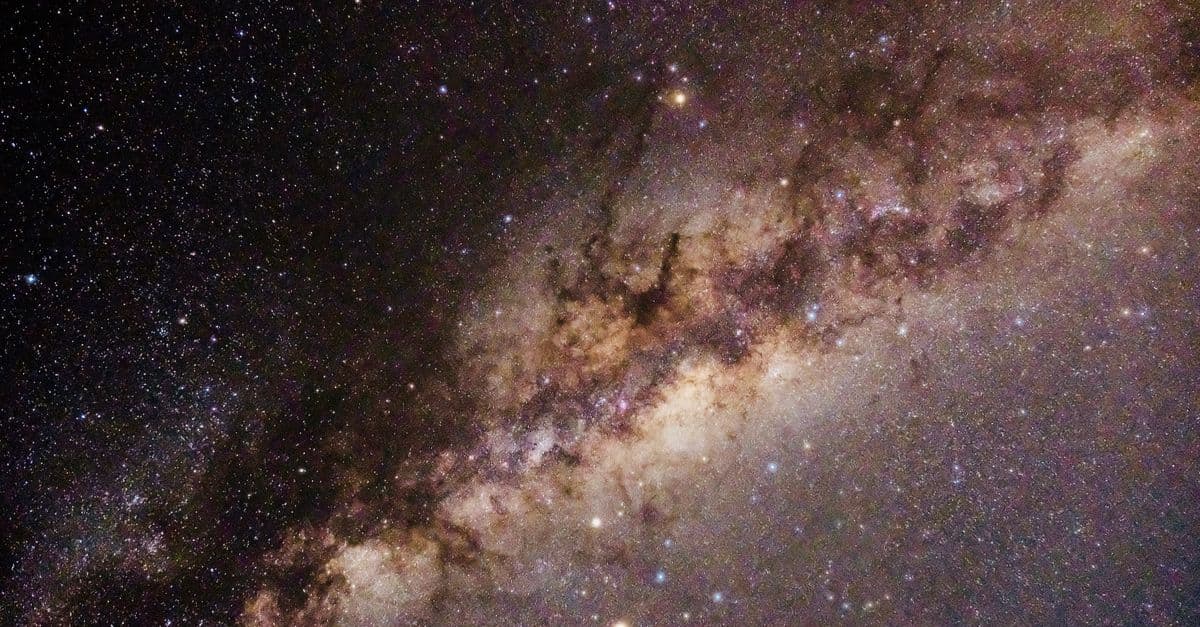
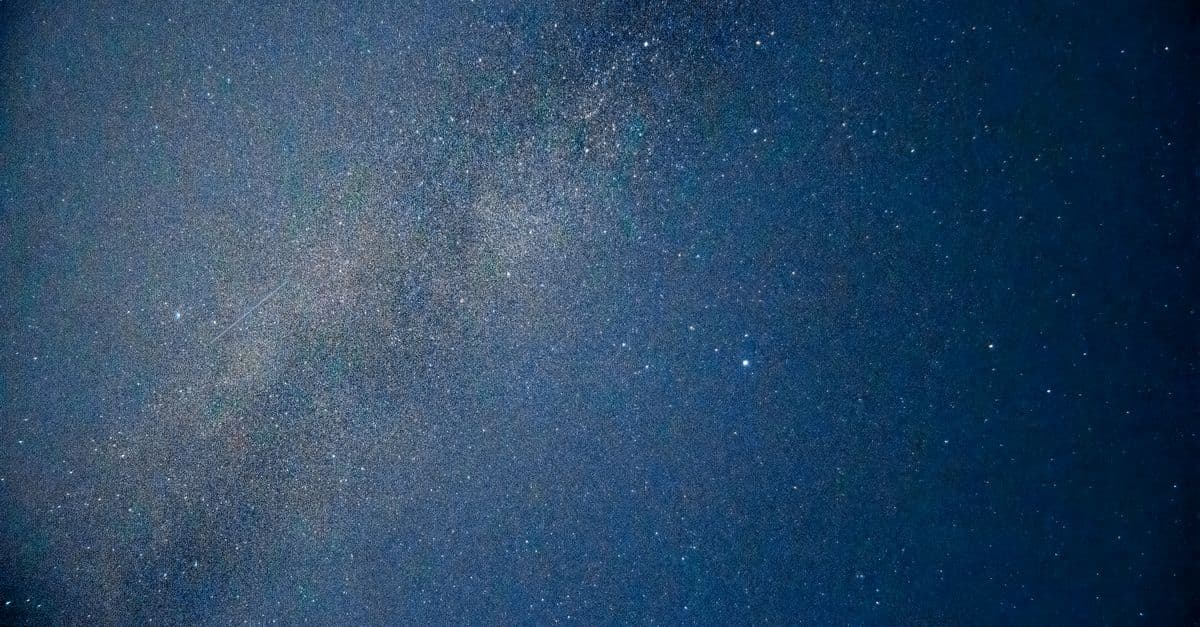
Stunning view of the Milky Way galaxy with countless stars visible against a dark night sky.
Space

Why Do Stars Twinkle? The Science of Atmospheric Seeing

Stars twinkle because Earth's turbulent atmosphere bends starlight in constantly shifting ways. Because stars are infinitely distant, they act as point sources, so even tiny bends in light rays cause dramatic brightness and color flickers. Planets, being much closer, show a small disk that averages out the jitter. Twinkling is worst near the horizon and is why the best observatories sit on mountaintops or in orbit.
Editorial Team·June 26, 2026·16 min
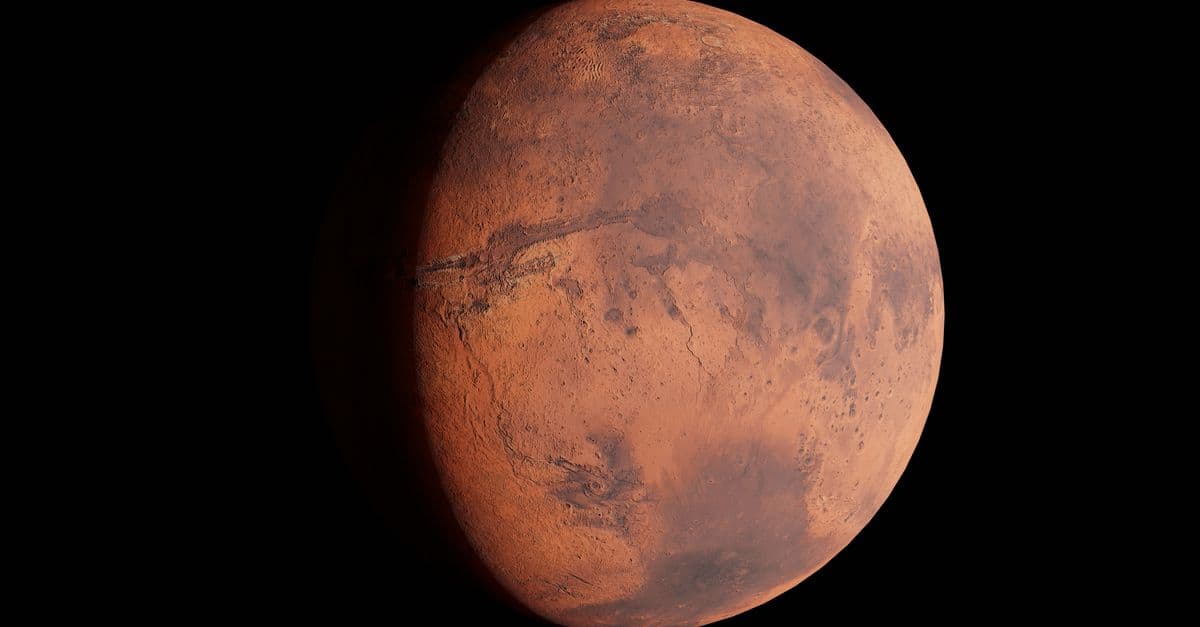
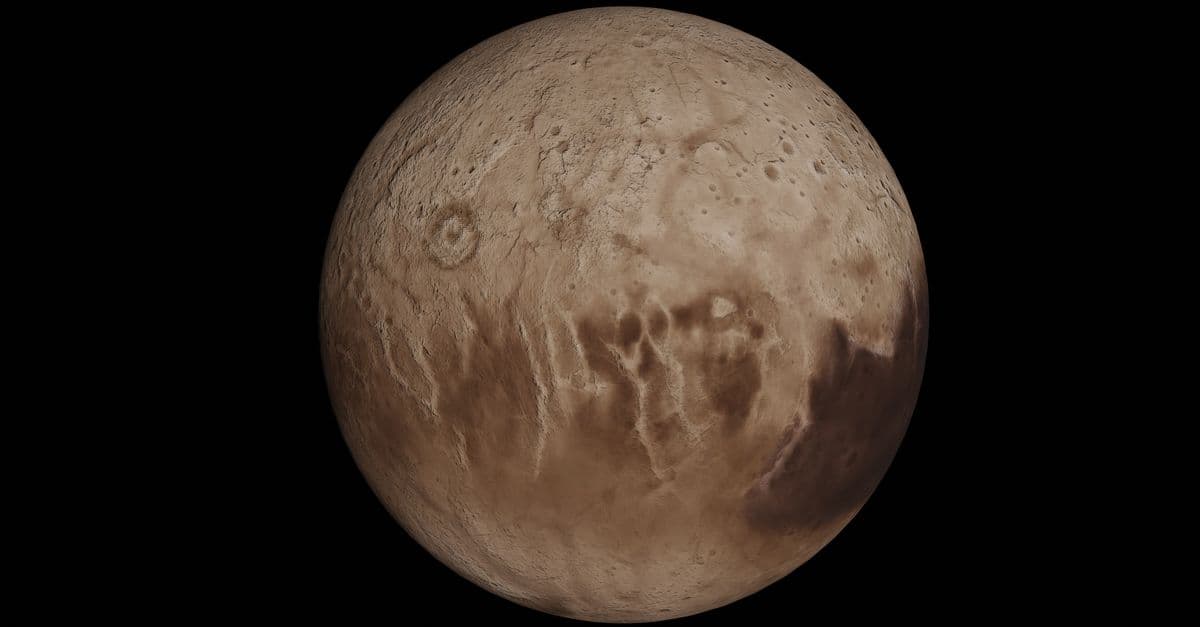
A high-resolution image of a rocky celestial body against a black background.
Space

Pluto's Extreme Seasons: How a Dwarf Planet's Atmosphere Grows and Disappears

Pluto has an atmosphere. In 2015, New Horizons measured its surface pressure at about 1 Pascal — roughly 1/100,000th of Earth's at sea level. That atmosphere is not stable. Over Pluto's 248-year orbit, it inflates and then freezes entirely out onto the surface, cycling between a thin gaseous envelope and nothing at all. We arrived just in time to see it while it still existed.

Editorial Team·June 1, 2026·17 min
Ethereal image of a colorful nebula set against the vast starry cosmos.
Space

The Exoplanet Atmosphere Revolution: What JWST Has Found So Far

For most of the history of exoplanet science, astronomers could detect planets but not smell them. They could measure orbital periods, estimate masses, and infer temperatures — but the chemical composition of another world's atmosphere was almost entirely out of reach. JWST changed that. In its first two years, it detected carbon dioxide on a gas giant 700 light-years away, found evidence of methane and CO₂ on a possible ocean world 120 light-years out, and ruled out thick atmospheres on the rocky TRAPPIST-1 planets — all using a technique called transmission spectroscopy that is as elegant as it is precise.

Editorial Team·June 1, 2026·15 min
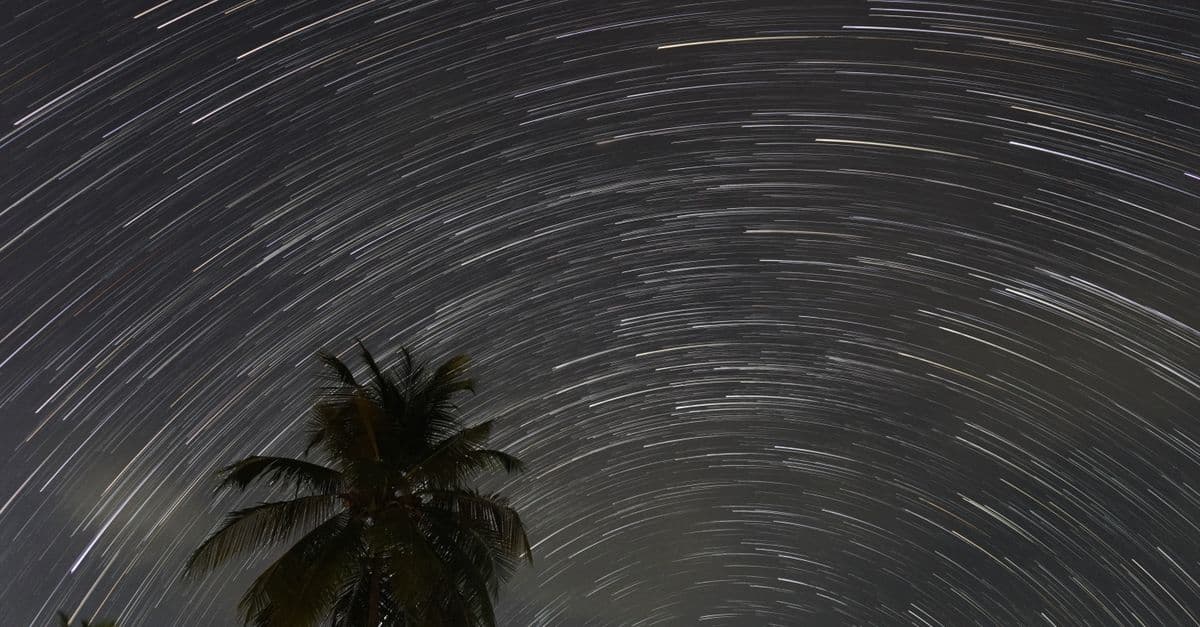
A breathtaking view of star trails swirling above palm trees in a night sky.
What If

What If the Earth Stopped Spinning?

Earth spins at 1,674 km/h at the equator. If it suddenly stopped, supersonic winds would devastate the surface. If it slowed gradually, the consequences are still severe — a 6-month day, ocean redistribution, and a collapsing magnetic field.

Editorial Team·May 2, 2026·18 min