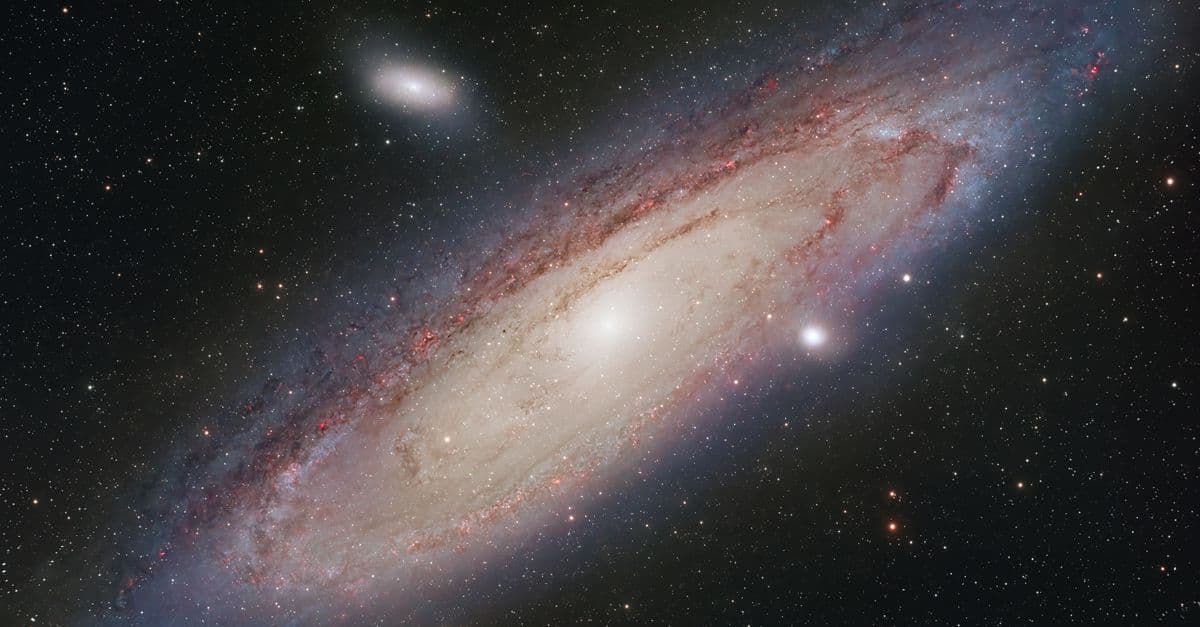
dark-matter
12 articles tagged with #dark-matter
Space
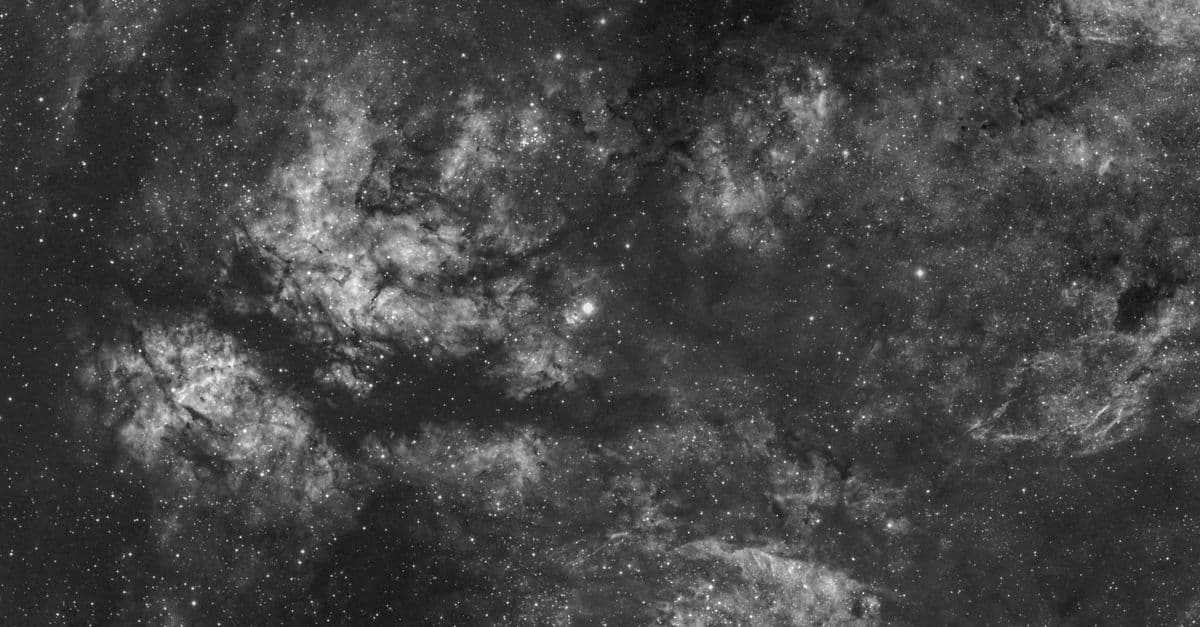
Dark Matter in 2026: Evidence, Candidates, and Current Theories
A complete primer on dark matter — Vera Rubin's galaxy rotation curves, gravitational lensing, CMB, WIMP and axion candidates, what experiments have ruled out, the MOND debate, primordial black holes, and where the science stands in 2026.

Scientists
Vera Rubin: The Astronomer Who Found the Dark Matter Hiding in Plain Sight — SciHub101
Vera Rubin confirmed dark matter by measuring galaxy rotation curves that defied Newtonian gravity. Turned away from Princeton. Made her own restroom sign at Palomar. Never got the Nobel.
Space
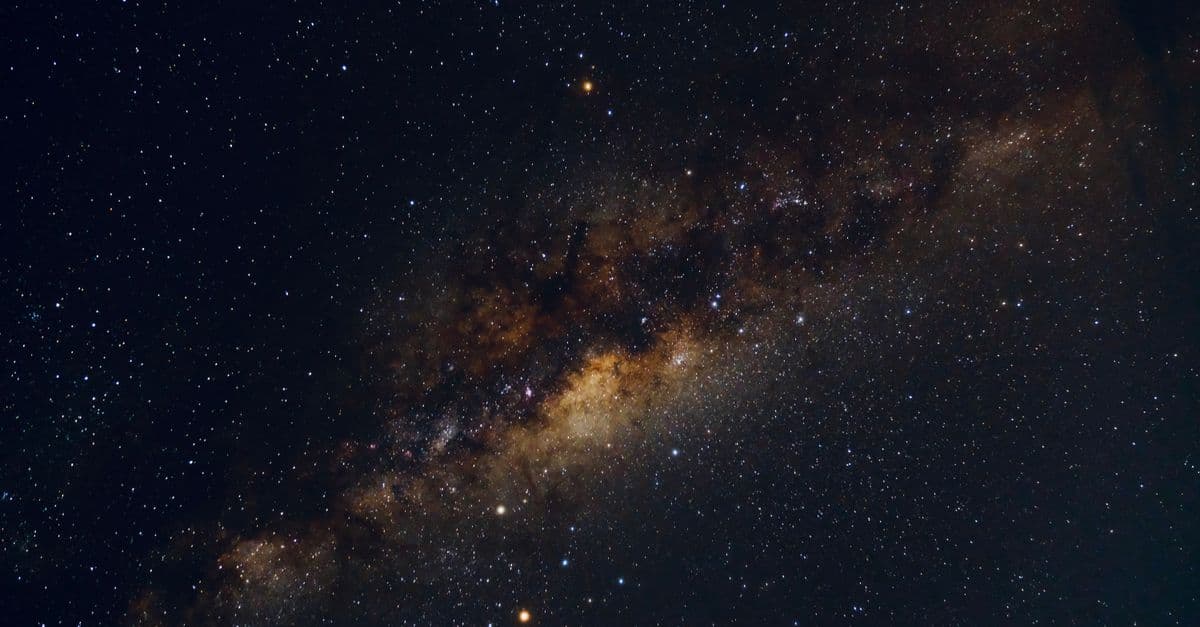
Dark Matter and Dark Energy Explained
What is dark matter and dark energy? Discover the invisible forces shaping 95% of the universe — from galaxy rotation curves to the accelerating cosmos.
Space
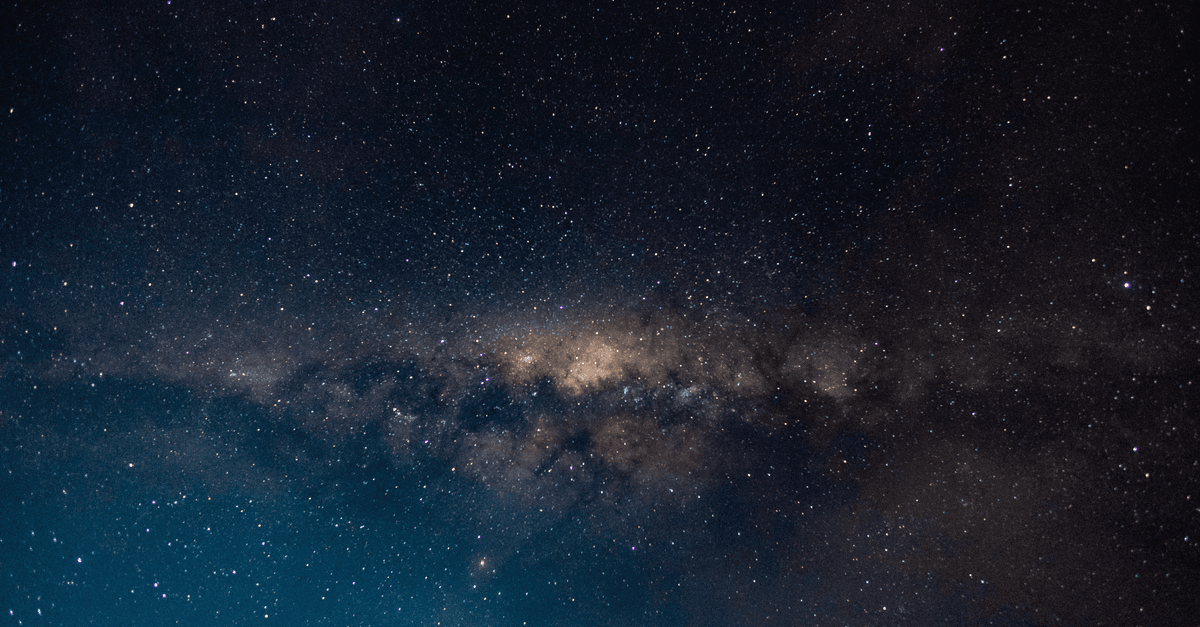
How Galaxies Form and Evolve: From the First Stars to Today
Galaxies are not eternal — they are born, grow through mergers, and eventually die. Here's how the universe built these island universes.
Space
What Is Gravitational Lensing? How Gravity Bends Light
Gravitational lensing — the deflection of light by mass, predicted by Einstein's general relativity and confirmed during the 1919 solar eclipse — has become one of astronomy's most powerful tools. Strong lensing produces Einstein rings and multiple images of distant galaxies. Weak lensing maps the invisible dark matter distribution across the cosmic web. Microlensing detects individual exoplanets and free-floating rogue planets using star brightness fluctuations.
Space
What Are Galaxy Clusters? The Largest Gravitationally Bound Structures in the Universe
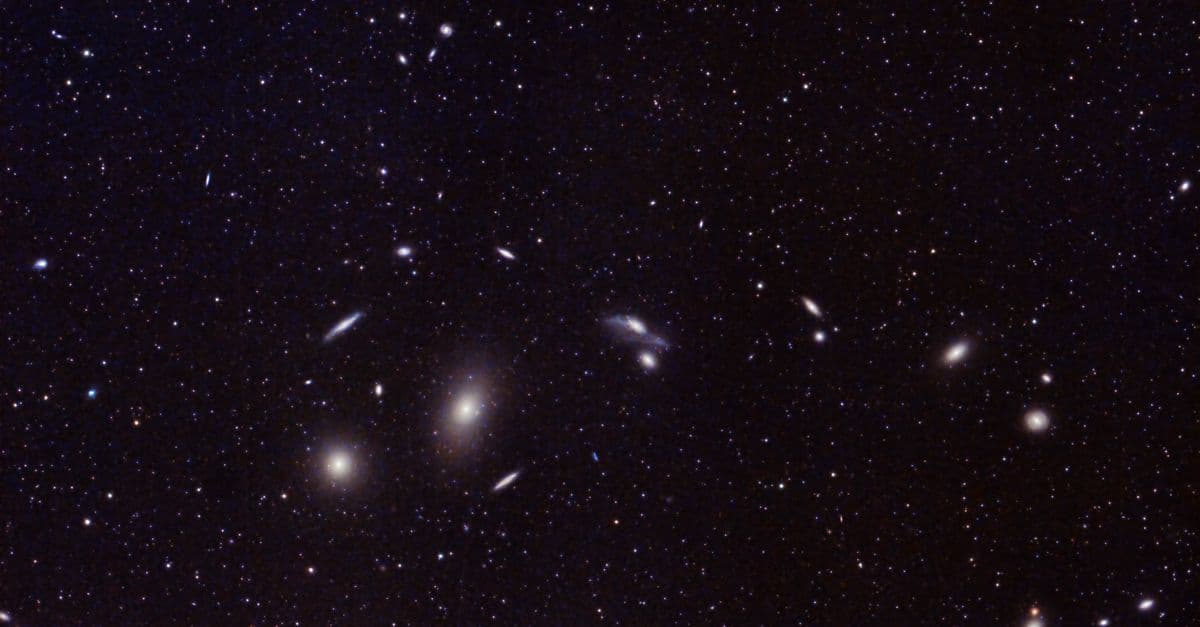
Galaxy clusters are the largest structures held together by their own gravity: hundreds to thousands of galaxies, a vast reservoir of X-ray-bright gas, and a dark matter halo that outweighs everything else. They also work as natural telescopes, bending and magnifying light from the early universe.
Space
How Do We Search for Dark Matter? Detection Experiments and Methods
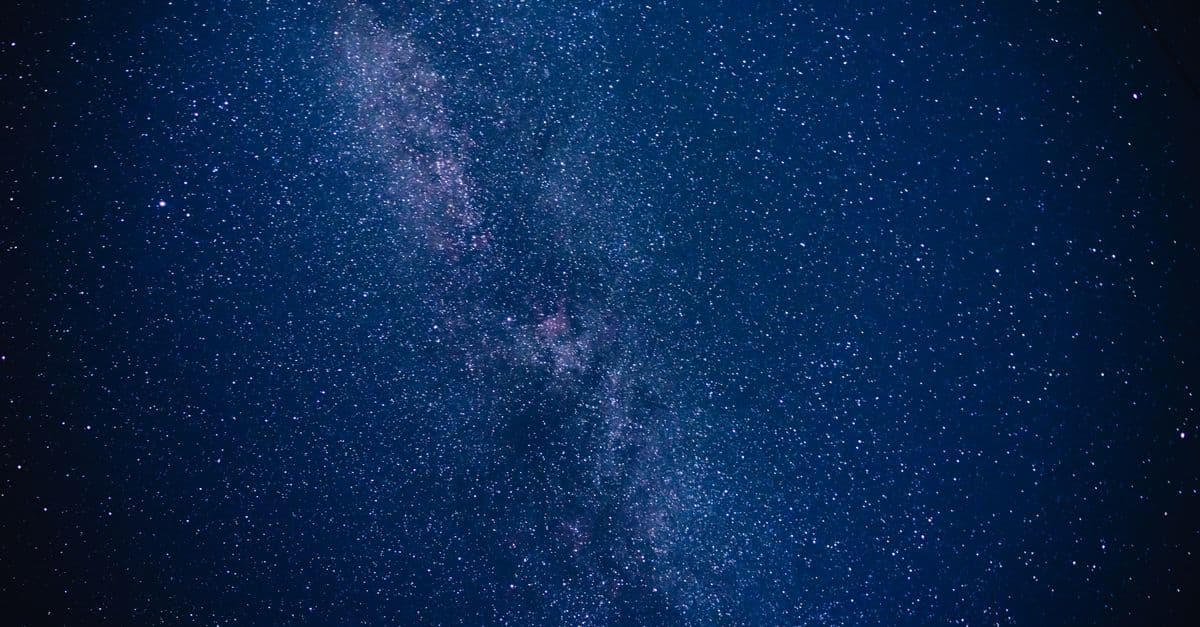
Dark matter makes up 27% of the universe's energy content, yet its nature remains one of science's deepest mysteries. Physicists are searching for it underground, in space, at particle accelerators, and with gravitational telescopes — using every tool available to trap something that refuses to interact.
Space
The Cosmic Web: The Largest Structure in the Universe
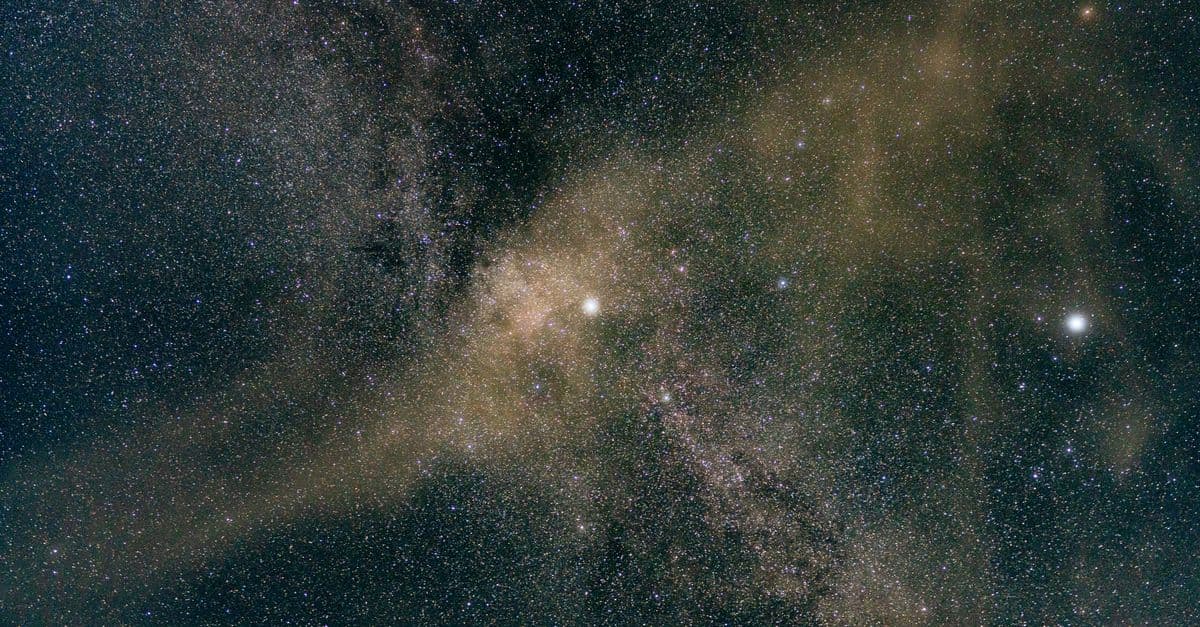
Zoom out far enough and galaxies stop looking scattered. They trace a web of filaments, walls, clusters, and voids that spans hundreds of millions of light-years. Here is how it formed, how it was mapped, and what it is made of.
Space
What Is the Great Attractor? The Mysterious Force Pulling Our Galaxy
Something enormous is pulling the Milky Way, Andromeda, and thousands of other galaxies in one direction at roughly 600 km/s. For decades it hid behind the Milky Way's dust. What astronomers found when they looked was not what they expected.
What If
What If Dark Matter Doesn't Exist? Modified Gravity vs Invisible Mass
Astronomers can't see dark matter, only its gravitational effects. What if we're wrong about gravity instead? Modified gravity theories try to explain galaxies without invisible mass — and the debate is genuinely open.
Space
The James Webb Space Telescope Explained — How It Works and What It's Found
JWST sits 1.5 million kilometers from Earth, sees light from galaxies 280 million years after the Big Bang, and is actively rewriting cosmology. Here's how the most ambitious telescope ever built actually works, and what it has found through 2026.