World Records
Biggest Hydrogen Projects in the World
NEOM's $8.4B plant leads a wave of gigawatt-scale hydrogen projects reshaping fertilizer, steel, and shipping. Here's how the biggest ones actually work.
26 articles tagged with #energy
NEOM's $8.4B plant leads a wave of gigawatt-scale hydrogen projects reshaping fertilizer, steel, and shipping. Here's how the biggest ones actually work.

Direct air capture (DAC) machines pull carbon dioxide out of ambient air with chemical sorbents or solvents, then release it as a pure stream for storage or use. The technology works. The constraint is energy and cost: reported prices run from about $600 to more than $1,000 per tonne, and operating capacity is a tiny fraction of annual emissions.
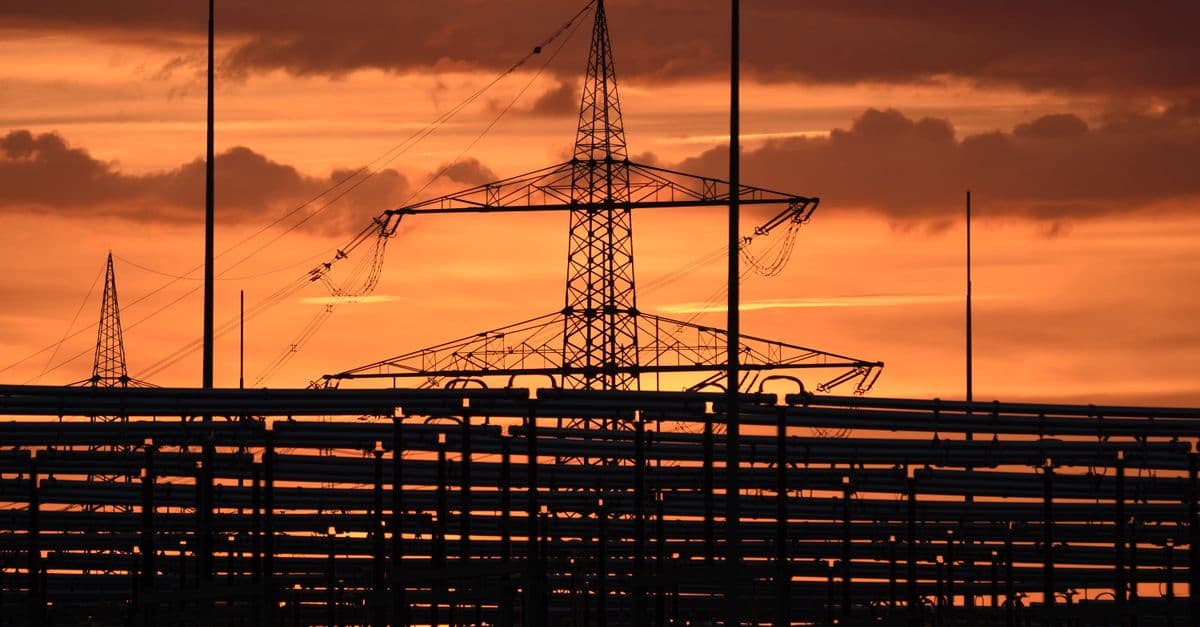
China used about 10,070 TWh of electricity in 2024, roughly a third of the world's total, followed by the United States and India. This ranking uses Ember data for 2024, adds per-person figures, and explains what drives the gaps.
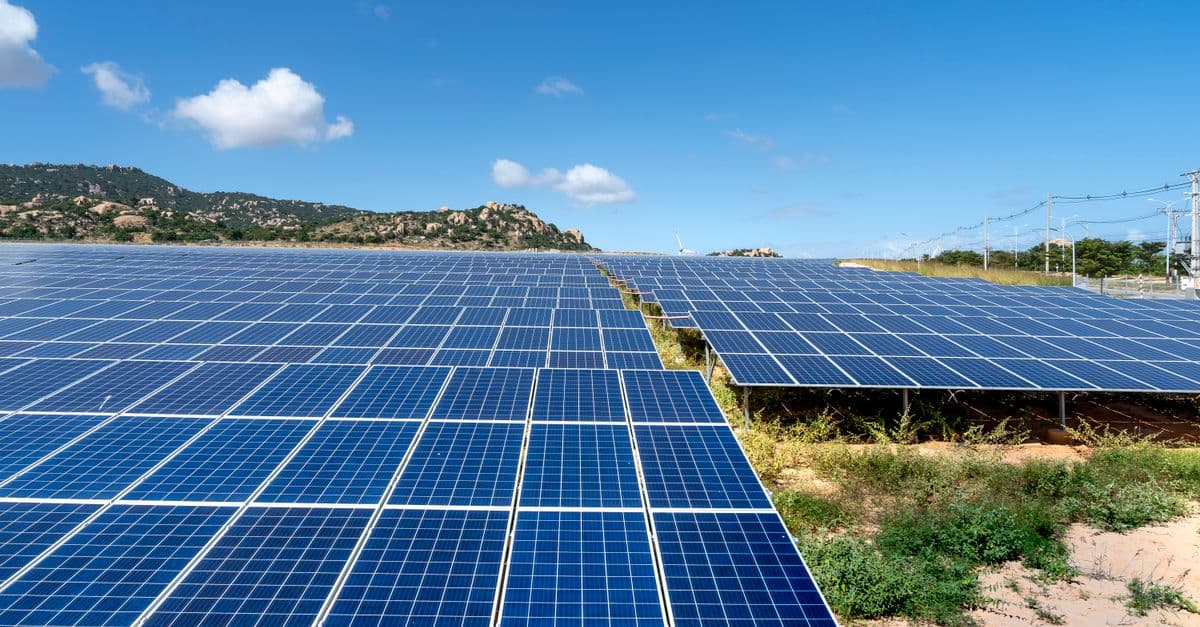
China installed 278 GW of new solar capacity in 2024 alone — more than the entire installed base of the United States. With 888 GW of total solar PV capacity, China now hosts nearly half of all solar power on Earth. This article ranks the top solar nations by installed capacity and explains how the global solar revolution became so geographically concentrated.
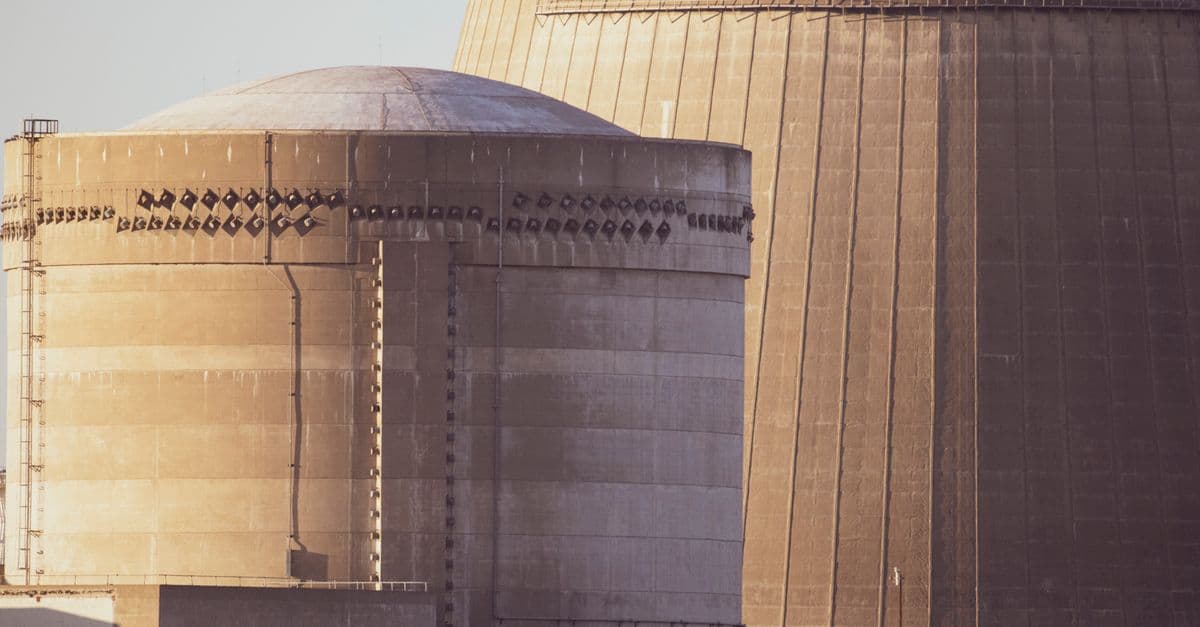
The United States operates 94 nuclear reactors producing nearly 97 GW of electricity — more nuclear capacity than any other nation on Earth. But France is the world's most nuclear-dependent country: 70–75% of French electricity comes from its 57 reactors, the highest share of any major economy. This article ranks nuclear nations by capacity, reactor count, and electricity share.
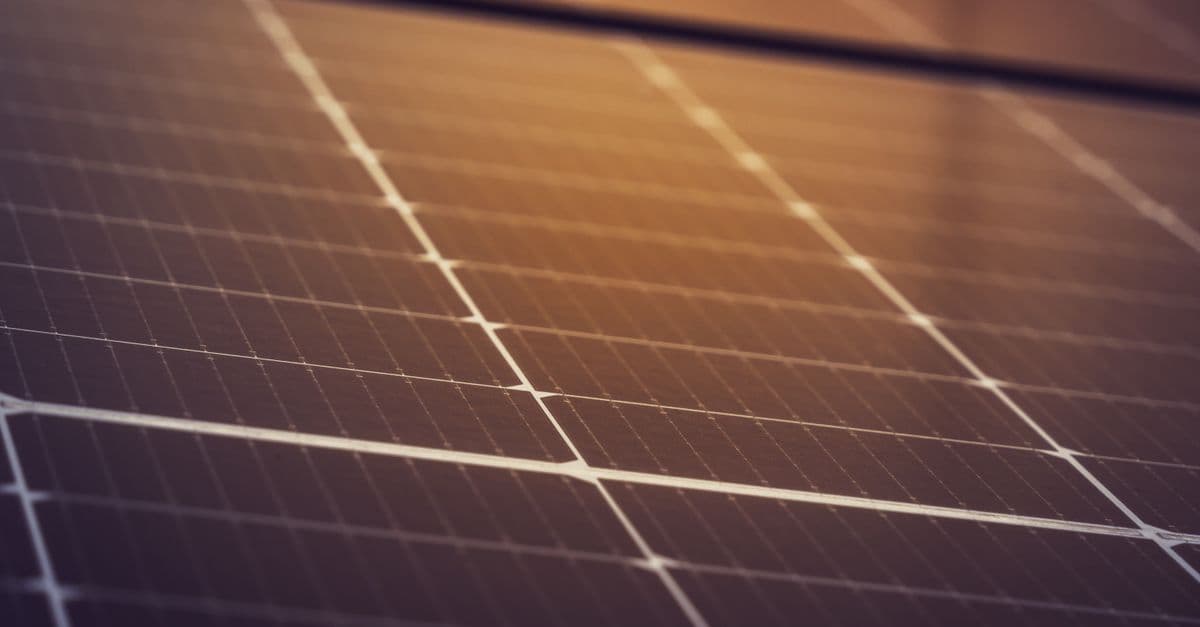
How Bell Labs' 1954 silicon breakthrough, a 1958 satellite, and a 99.9% price collapse turned sunlight into the world's cheapest source of electricity.

How Thomas Newcomen's 1712 atmospheric engine and James Watt's 1769 separate condenser transformed fire into motion and launched the Industrial Revolution.
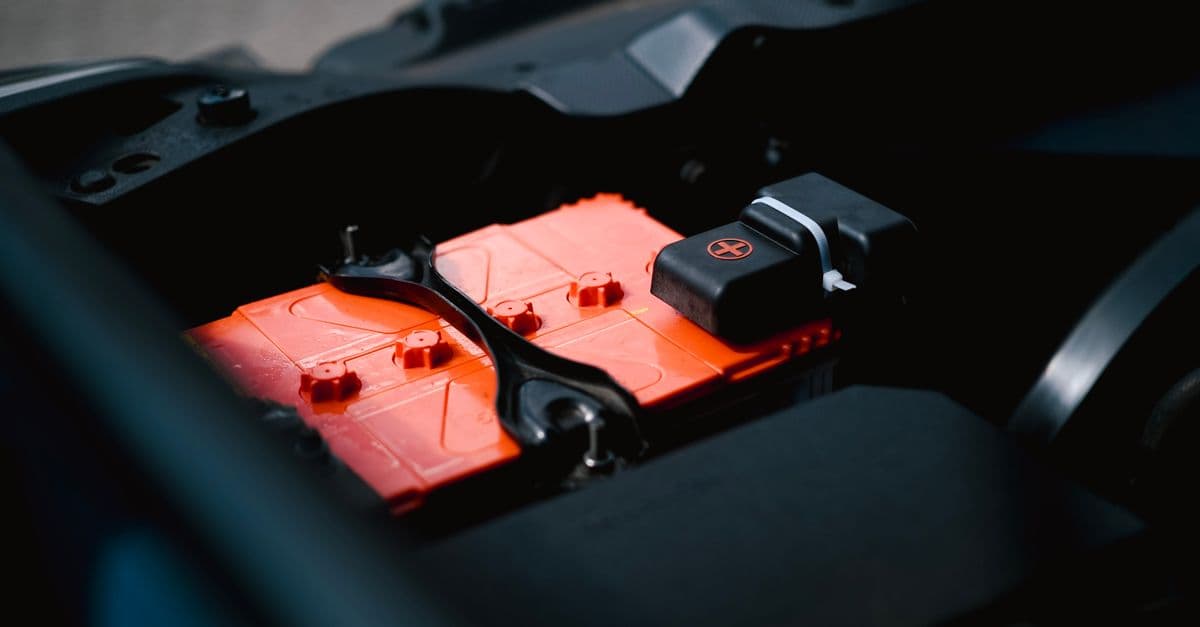
EVs vs gas cars in 2026: range, cost, emissions, charging, maintenance, battery life, and cold-weather performance compared head-to-head.
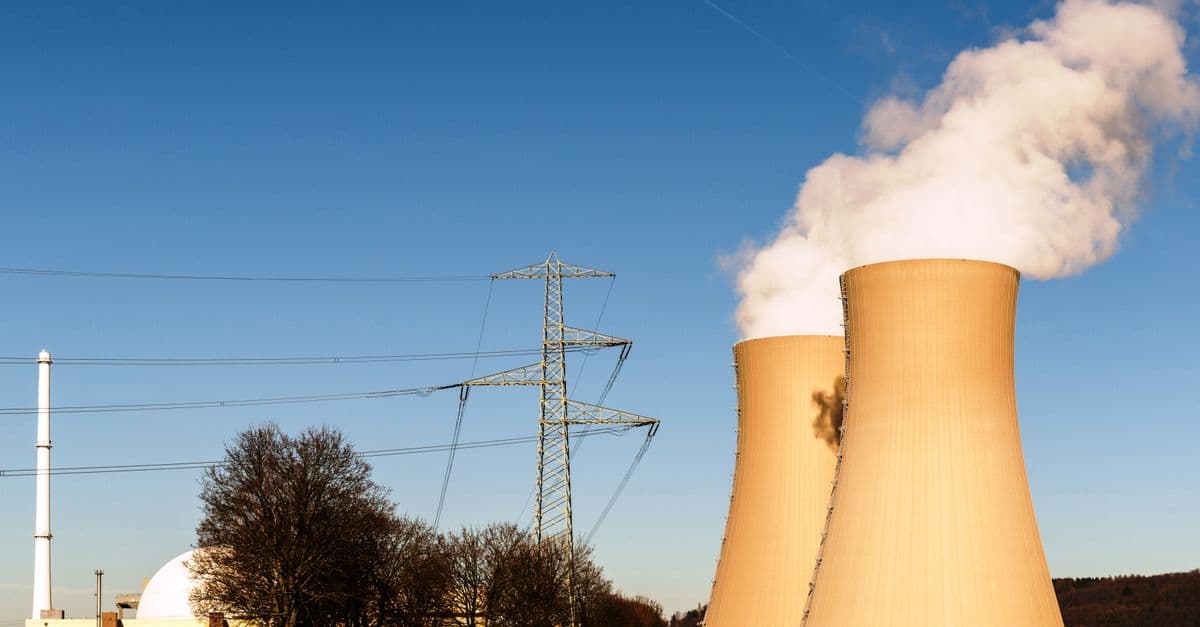
How nuclear fission splits uranium to release 200 MeV per atom: the 1938 discovery, chain reactions, reactor physics, waste, accidents and 2026 debate.
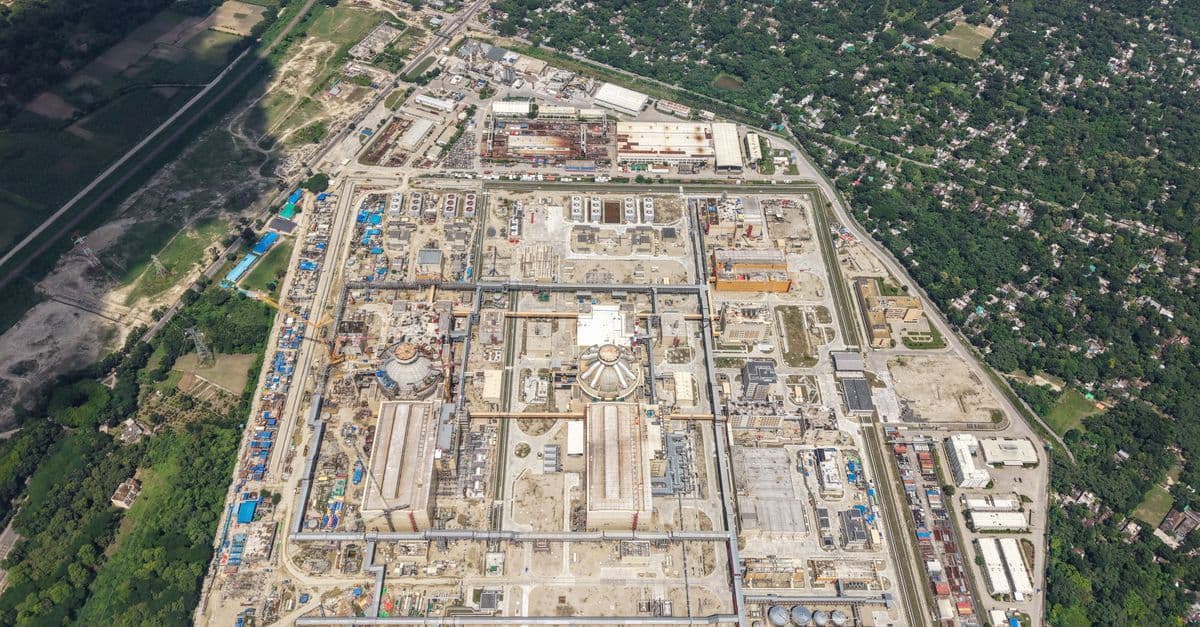
Chernobyl. Fukushima. Three Mile Island. Nuclear energy carries an enormous psychological weight — but when you look at the actual data on deaths per unit of energy produced, the numbers are surprising.
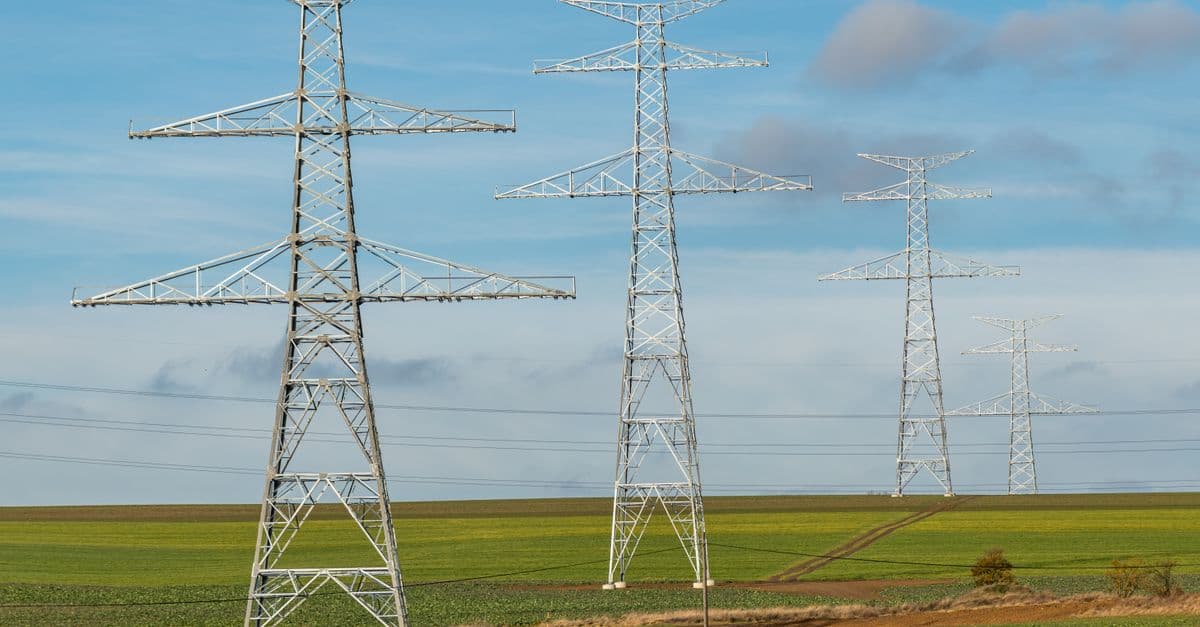
Germany's regulator reported 12.8 minutes of unplanned outage per customer in 2023. US customers averaged about 11 hours in 2024, a hurricane year, and about 2 hours in routine conditions. A clean global ranking does not exist because countries count outages differently, so this article compares what each national source actually reports.

Power grids are already too complex for humans to optimize in real time. AI could run them perfectly — until something goes terribly wrong.