geography
23 articles tagged with #geography
World Records
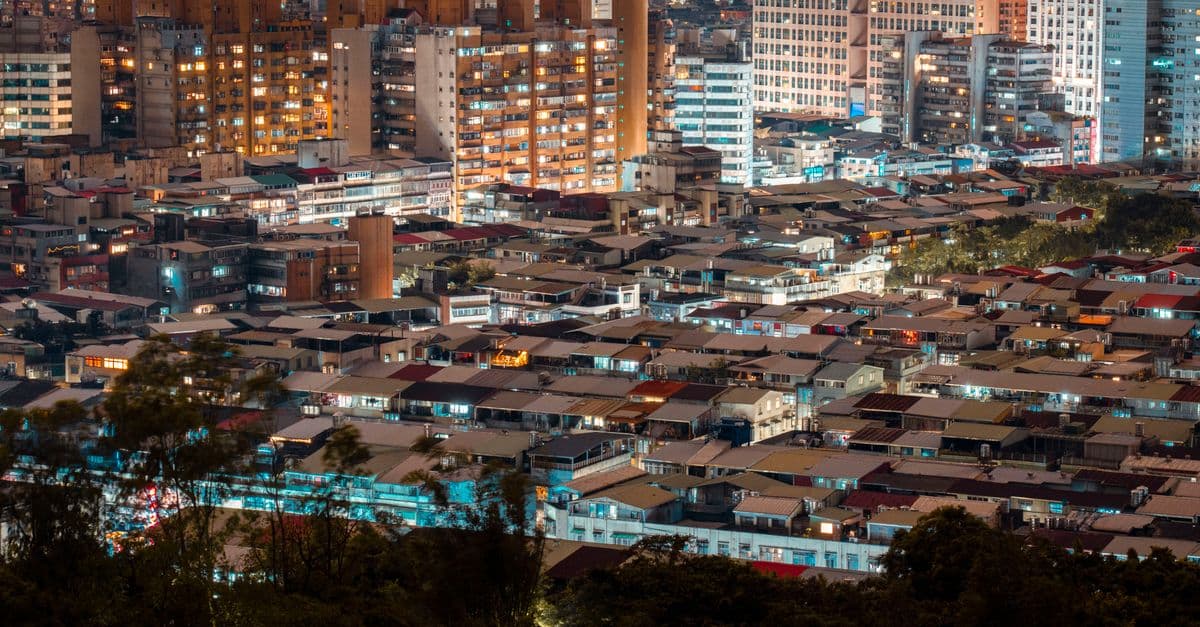
Biggest Cities in the World by Population: City, Metro, and Urban Area
Jakarta leads the UN's 2025 city ranking, yet Chongqing has more people inside its borders. See the biggest cities by city, urban area, and metro definition.
World Records
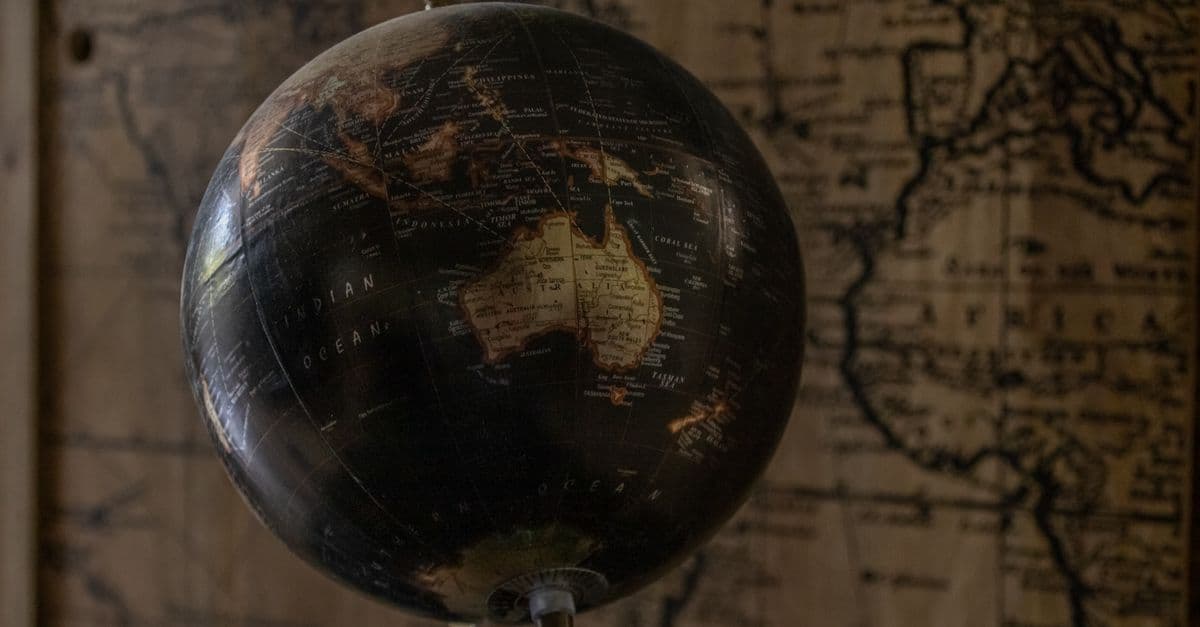
The Largest Countries in the World: Russia Spans Eleven Time Zones
Russia is so large that when the sun rises over its Pacific coast, much of the country is still in the previous day. At about 17 million square kilometres it covers more than an eighth of all the land on Earth — bigger than the surface of Pluto — and stretches across eleven time zones. The ranking of the world's biggest countries is a story of empires, frozen frontiers, and a map projection that quietly lies about who's really biggest.
World Records
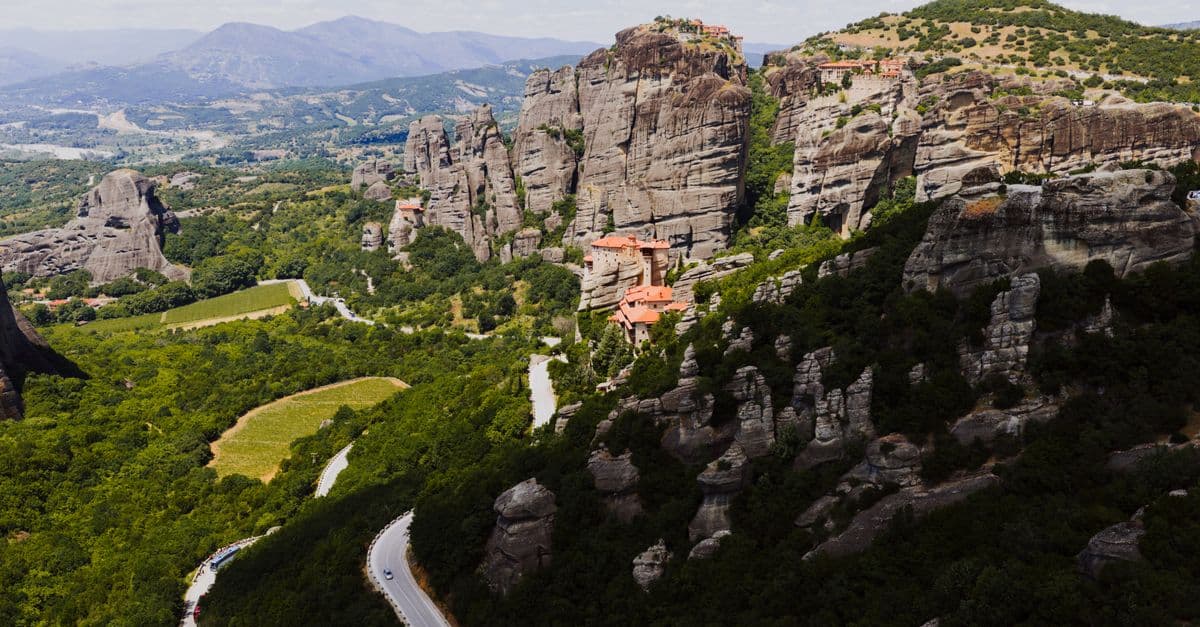
The Longest Mountain Ranges in the World: The 65,000-Kilometre Range You'll Never See
The Andes stretch 7,000 kilometres down the spine of South America — the longest mountain range on land, and a wall so high it creates deserts on one side and rainforests on the other. But it's not even close to the longest range on the planet. That title belongs to a mountain chain ten times longer, winding 65,000 kilometres around the globe entirely beneath the oceans, where most of Earth's volcanic activity quietly happens.
World Records
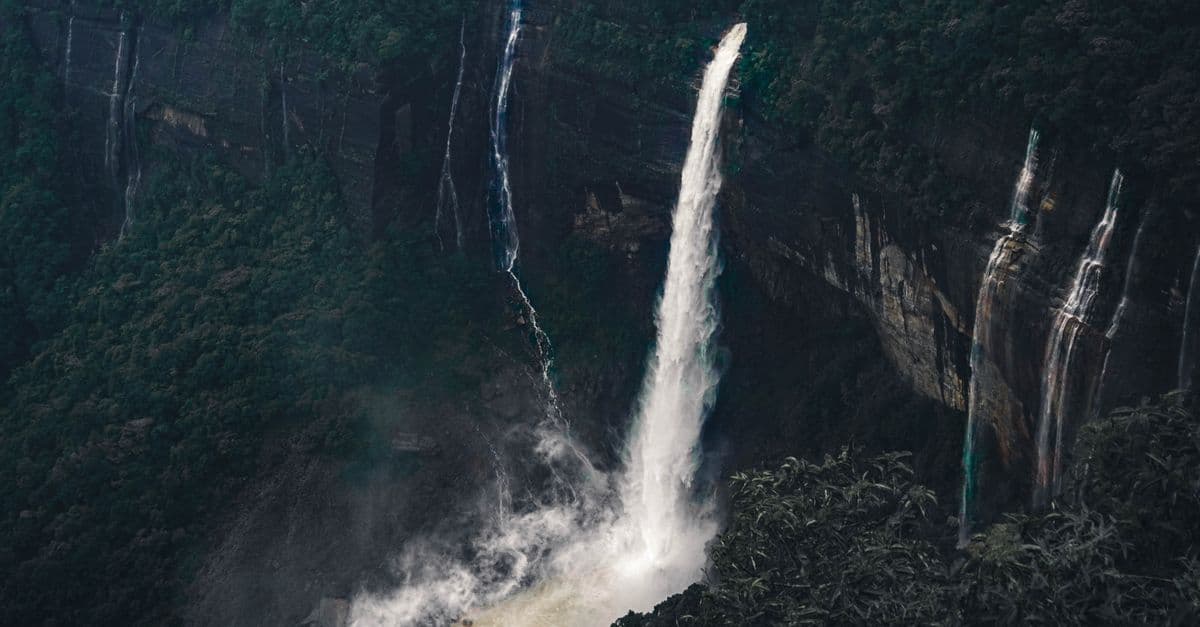
The Tallest Waterfalls in the World: Angel Falls and the Hidden Giants
Venezuela's Angel Falls drops 979 meters — so far that much of the water turns to mist before it ever reaches the ground, especially in the dry season. It is the tallest waterfall on land, plunging off a flat-topped mountain built from some of the oldest rock on Earth. But the single tallest waterfall on the planet is not on land at all: it is underwater, a cataract beneath the ocean that dwarfs every waterfall you can see.
World Records
The Largest Empires in History: The One Where the Sun Never Set
At its peak around 1920, the British Empire governed roughly a quarter of the planet's land and a fifth of its people — about 35 million square kilometres spread so widely that, somewhere within it, the sun was always shining. It is the largest empire by area in human history. But by a different measure, a 13th-century empire that grew from a few thousand horsemen was even more astonishing: the largest contiguous land empire ever, conquered in a single lifetime.
World Records
The Largest Islands in the World: Why Greenland Wins and Australia Doesn't Count
Greenland is the largest island on Earth at about 2.16 million square kilometres — but Australia, which is more than three times bigger, isn't on the list at all. The reason isn't size; it's a definition. Australia is classified as a continent, and the moment a landmass becomes a continent, it stops being an island. That single rule explains the entire ranking, and a famous map projection explains why Greenland looks even bigger than it is.
World Records
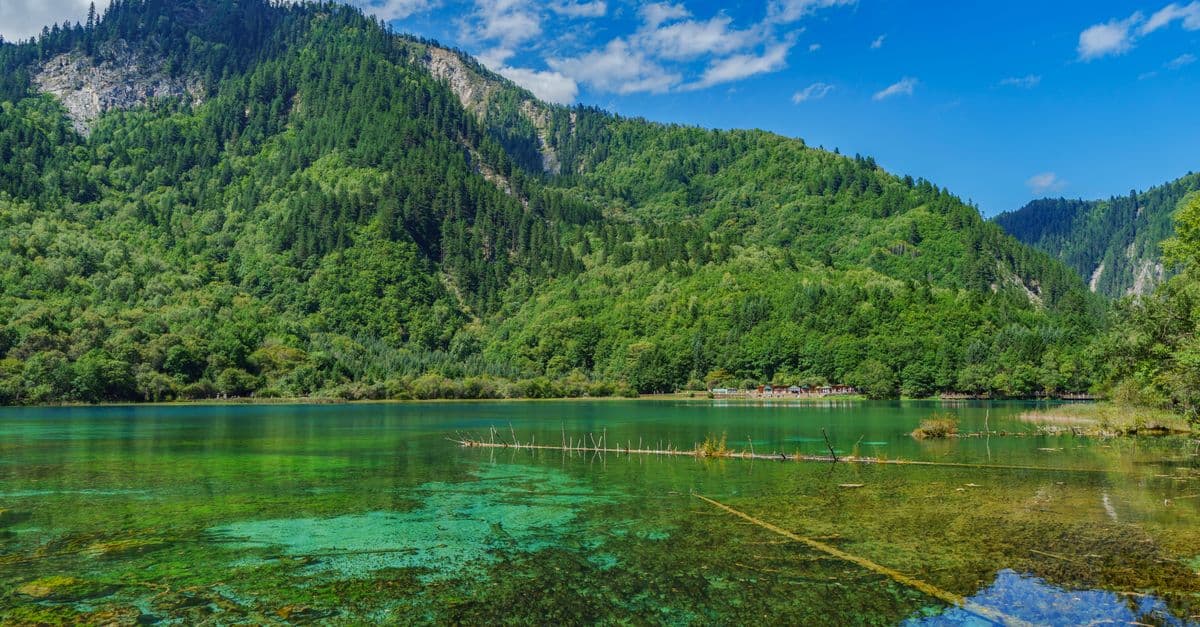
The Largest Lakes in the World: The Caspian Paradox and the Inland Seas
The largest lake on Earth is called a sea. The Caspian Sea covers about 371,000 to 374,000 square kilometres — larger than Germany — and is bordered by five countries that argued for over two decades about whether it's legally a lake or a sea, because the answer decides who owns its oil. Behind it stretch the true freshwater giants, including a single North American lake big enough to cover the entire United Kingdom.
World Records
The Deepest Lakes in the World: Lake Baikal and the Crack in a Continent
Lake Baikal in Siberia plunges to 1,642 metres — deep enough to swallow the world's tallest building twice over with room to spare. It is not just the deepest lake on Earth; it holds about a fifth of all the planet's unfrozen fresh water and has existed for 25 million years, longer than any other lake. The deepest lakes share a common origin: they sit in places where the Earth's crust is literally being pulled apart.
World Records
The Largest Deserts in the World: Why Antarctica Beats the Sahara
Ask most people to name the world's largest desert and they'll say the Sahara. They're wrong — and the reason why reveals what a desert actually is. A desert is defined by how little water falls from the sky, not by sand or heat. By that definition the single largest desert on Earth is Antarctica: a 14-million-square-kilometre sheet of ice that receives less precipitation than parts of the Sahara. The biggest deserts on Earth are frozen.
World Records
The Longest Rivers in the World: The Nile, the Amazon, and a Measurement Fight
For over a century, the Nile has been called the longest river on Earth at about 6,650 kilometres. But a stubborn group of scientists argues the Amazon is actually longer — and the disagreement isn't sloppiness. It comes down to a genuinely hard question: where does a river begin, and where does it end? The answer changes the ranking, and reveals why even something as basic as 'how long is this river' has no single correct number.
World Records
The Highest and Lowest Points on Earth: Everest, Challenger Deep, and the Full Vertical Range
Mount Everest's summit reaches 8,848.86 meters above sea level, measured in a joint 2020 China-Nepal survey using GPS and gravity data — 86 centimeters higher than the figure used for most of the 20th century. The floor of Challenger Deep in the Mariana Trench sits 10,935 meters below sea level. The total measured vertical range of Earth's surface is therefore approximately 19,784 meters — about 19.8 kilometers from the lowest ocean floor to the highest mountain peak. Buried under 2.7 kilometers of Antarctic ice, the Denman Glacier trough reaches 3,500 meters below sea level: the deepest point on continental land, and the place where the next large ice loss could have catastrophic consequences.
Page 1 of 2Next →