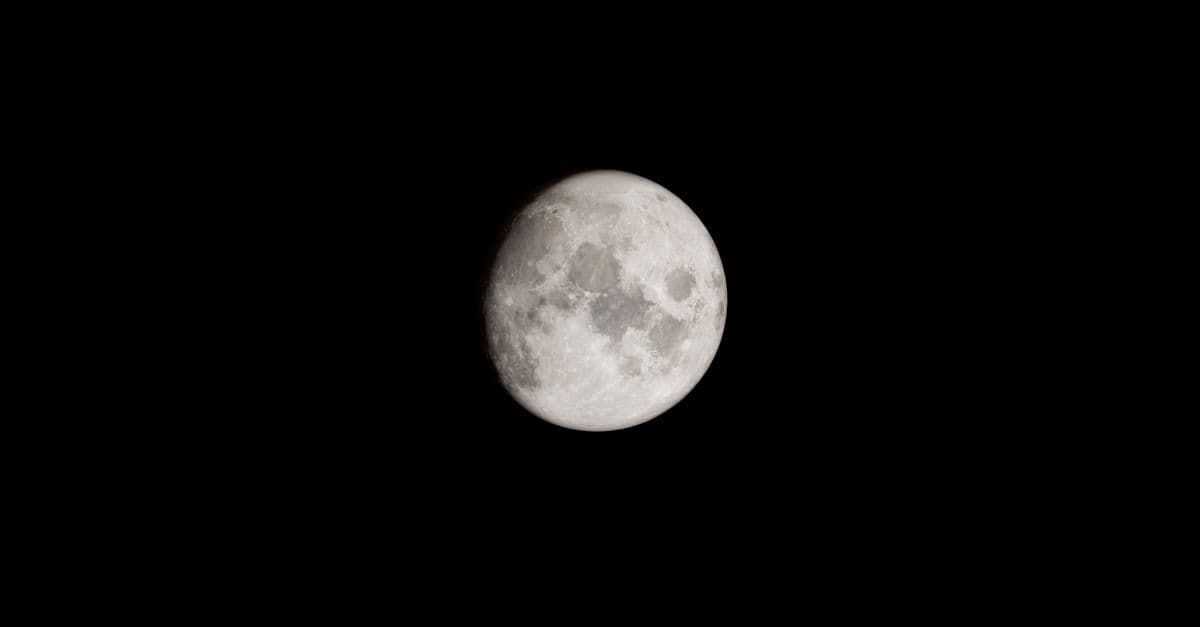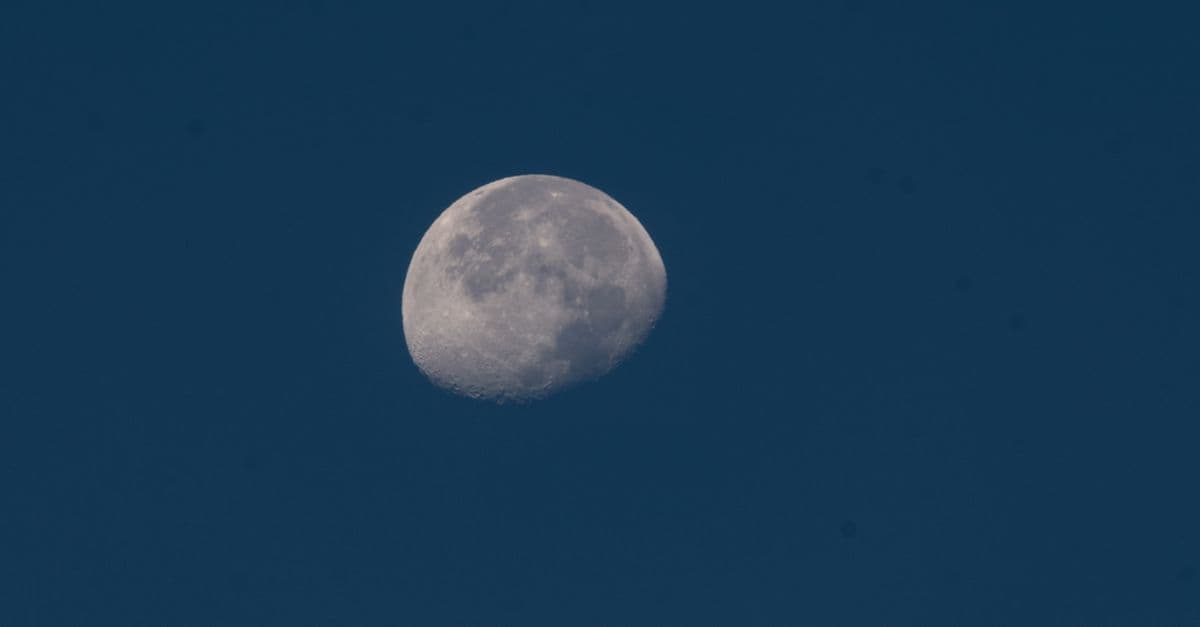
Apollo 11: First Steps on the Moon and the Dawn of Lunar Science
July 20, 1969: Neil Armstrong and Buzz Aldrin landed on the Moon, returning 21.5 kg of lunar samples that revealed the Moon's geological history and transformed planetary science.
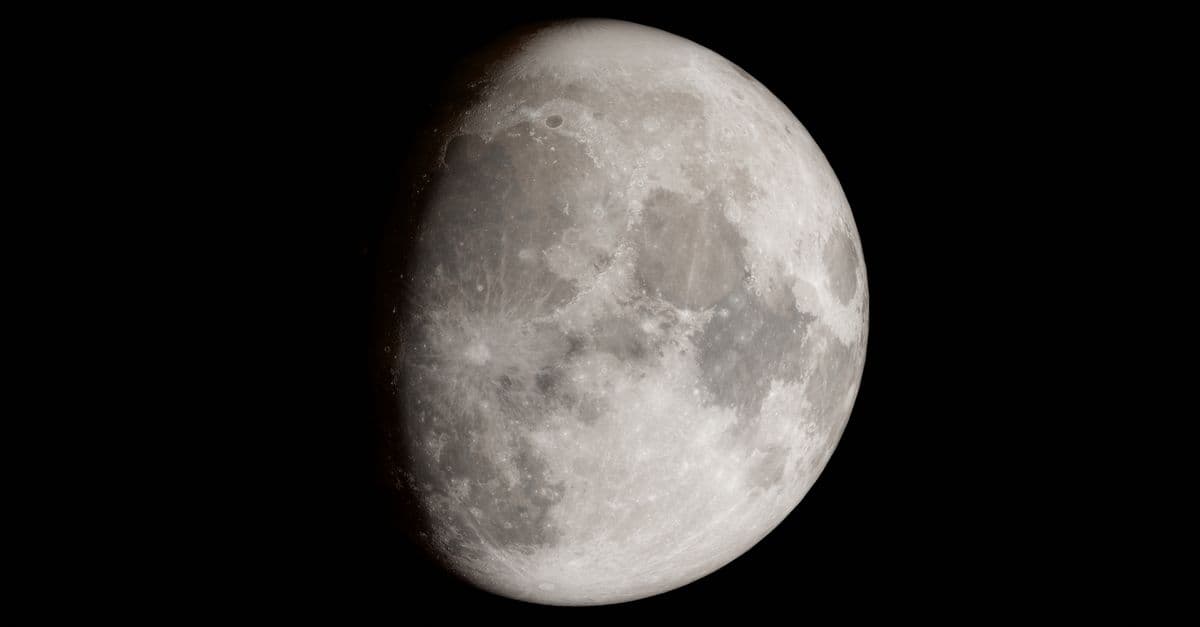
10 articles tagged with #lunar-science

July 20, 1969: Neil Armstrong and Buzz Aldrin landed on the Moon, returning 21.5 kg of lunar samples that revealed the Moon's geological history and transformed planetary science.

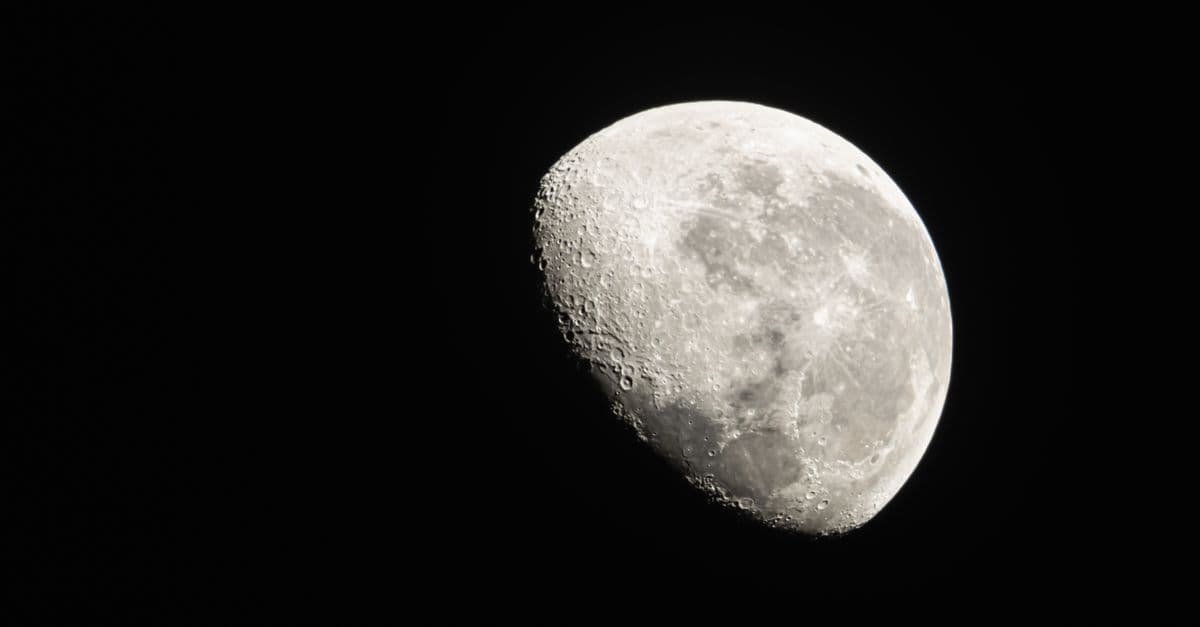
December 1972: Apollo 17 landed at Taurus-Littrow, returning 110.5 kg of samples and conducting 22 hours of moonwalking—the most scientifically productive lunar mission.

Apollo astronauts left reflectors on the Moon allowing scientists to measure Earth-Moon distance with millimeter precision—revealing the Moon's orbital evolution.

December 2020: China's Chang'e 5 mission landed on the Moon, collected 1.731 kg of samples, and returned them to Earth—the first automated sample return in 44 years.

Remote sensing and direct exploration revealed water ice at the Moon's poles—a discovery changing lunar science and enabling future settlement through resource utilization.

Apollo magnetometers revealed anomalous magnetic fields on the Moon surface, proving the Moon once possessed a magnetic field—a surprising discovery about our satellite's geological history.

Apollo seismometers left on the Moon revealed extensive seismic activity, proving the Moon is geologically dynamic with thousands of moonquakes annually—surprising findings about our satellite.

Apollo lunar soil samples revealed the Moon's weathering processes, mineral composition, and the effects of cosmic rays—knowledge essential for future lunar settlement.

Apollo moon rocks are among Earth's most valuable scientific specimens, revealing planetary formation, solar system history, and the nature of celestial bodies.

A second moon would change tides, eclipses, calendars, and possibly life itself. Here's exactly what would happen — based on real orbital physics — if we suddenly had two moons.