World Records
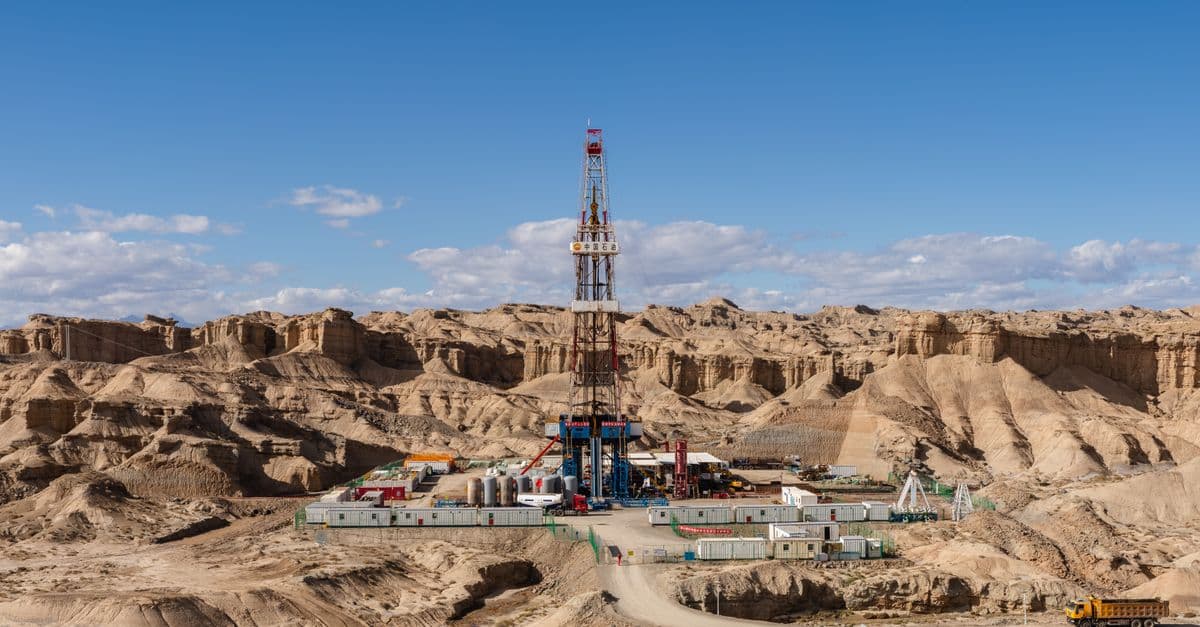
Deepest Human-Made Holes on Earth
The Kola Superdeep Borehole reached 12,262 m before molten-plastic rock stopped the drill. See how it compares to oil wells, mines, and what stops us going deeper.
The extremes of our planet and universe: the tallest mountains, deepest oceans, largest living things, hottest places, fastest animals, and most extreme records — explained with real science.
The Kola Superdeep Borehole reached 12,262 m before molten-plastic rock stopped the drill. See how it compares to oil wells, mines, and what stops us going deeper.
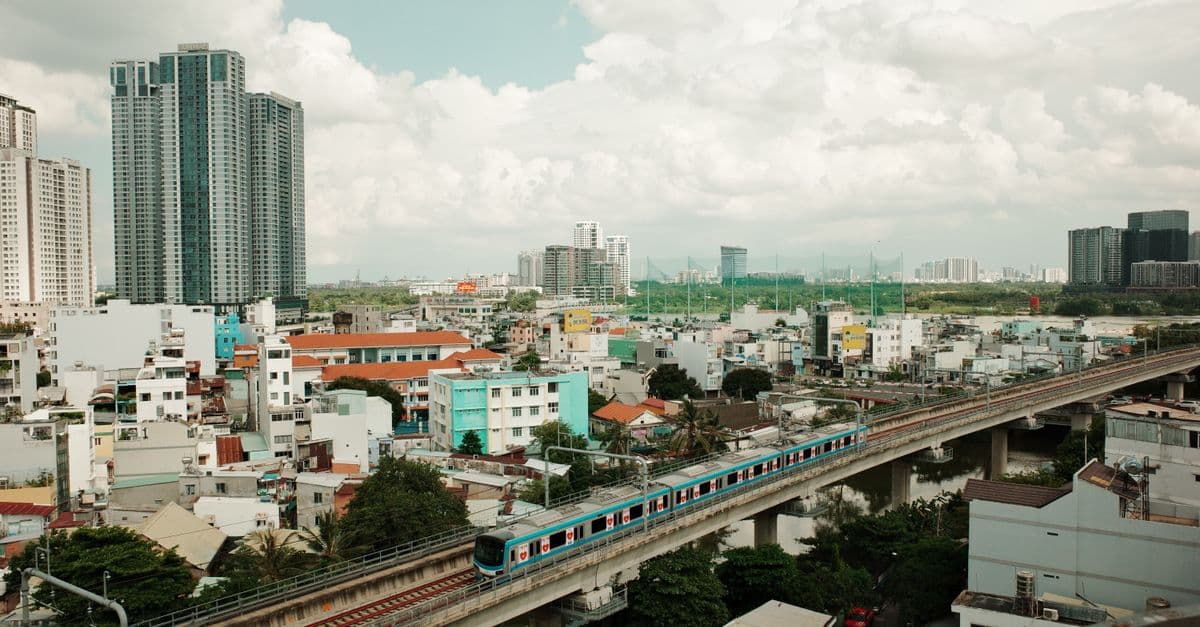
The fastest trains can be ranked by test record, commercial service speed, or average journey speed. This guide explains the differences.

The largest airport can mean land area, terminal size, runways, or passengers. This guide ranks all four and explains why the answers never match.
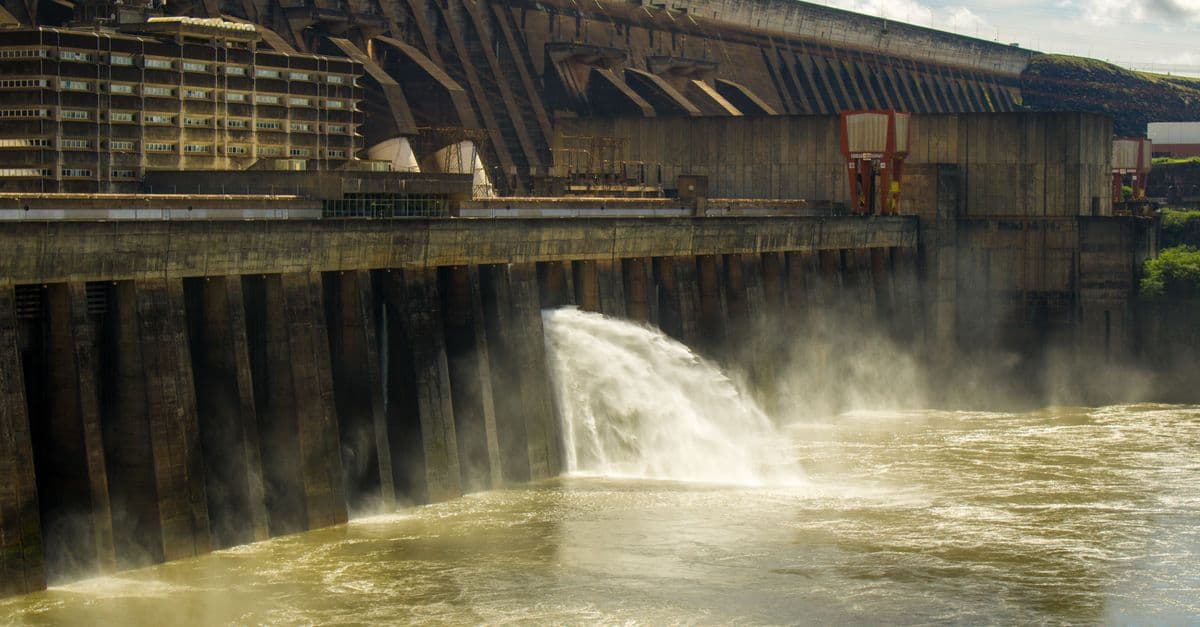
The largest dam changes depending on whether you rank by height, reservoir, concrete volume, or hydroelectric output. Here is the science behind each record.

The Library of Congress holds over 173 million items and the Internet Archive stores more than 99 petabytes. Here's how the world's biggest libraries stack up.
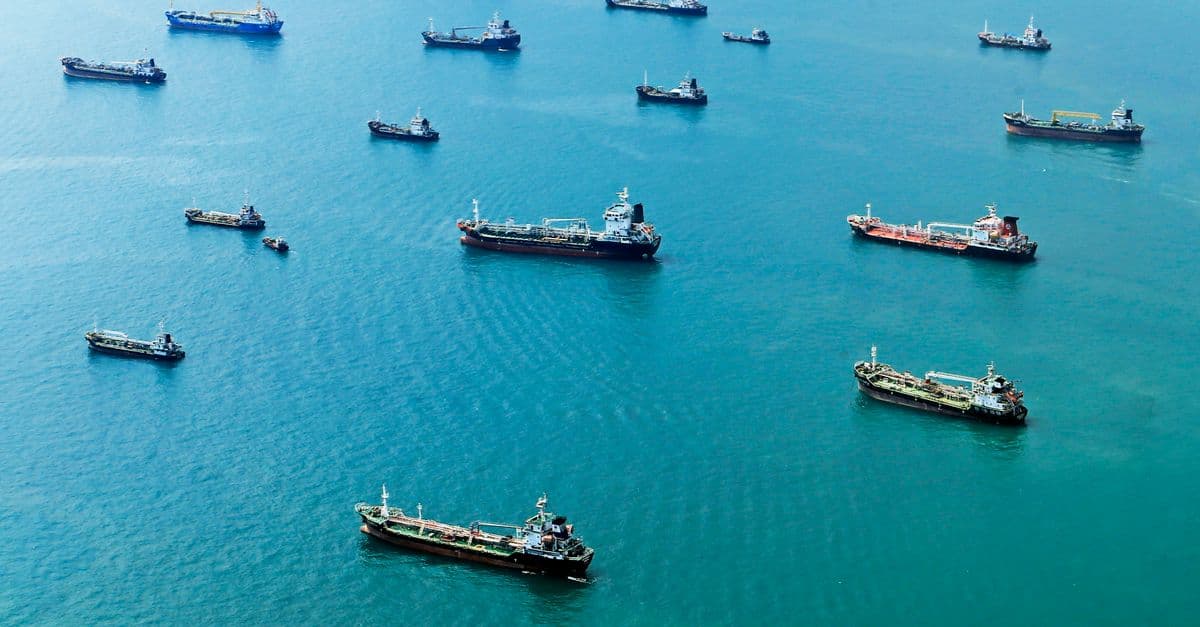
The largest ship ever built was a 458-meter supertanker. Compare record-holders by length, tonnage, and cargo capacity, from supertankers to floating LNG plants.
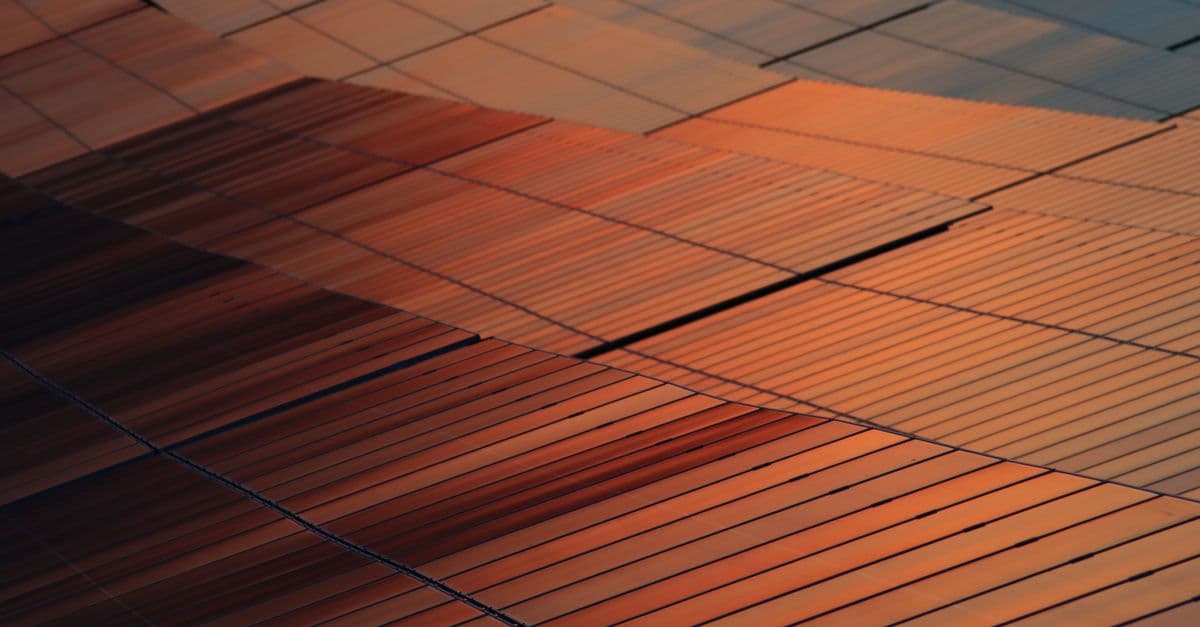
The largest solar farms rank by installed capacity, from China's Tengger park to the UAE's Al Dhafra site. Here is how capacity, land, and real output compare.

The biggest stadiums on Earth reflect sport, politics, religion, and national identity. Here is how capacity is counted and why rankings change.

The world's most visited places are not always the most famous monuments. This guide separates paid attractions, public spaces, parks, and pilgrimage sites.
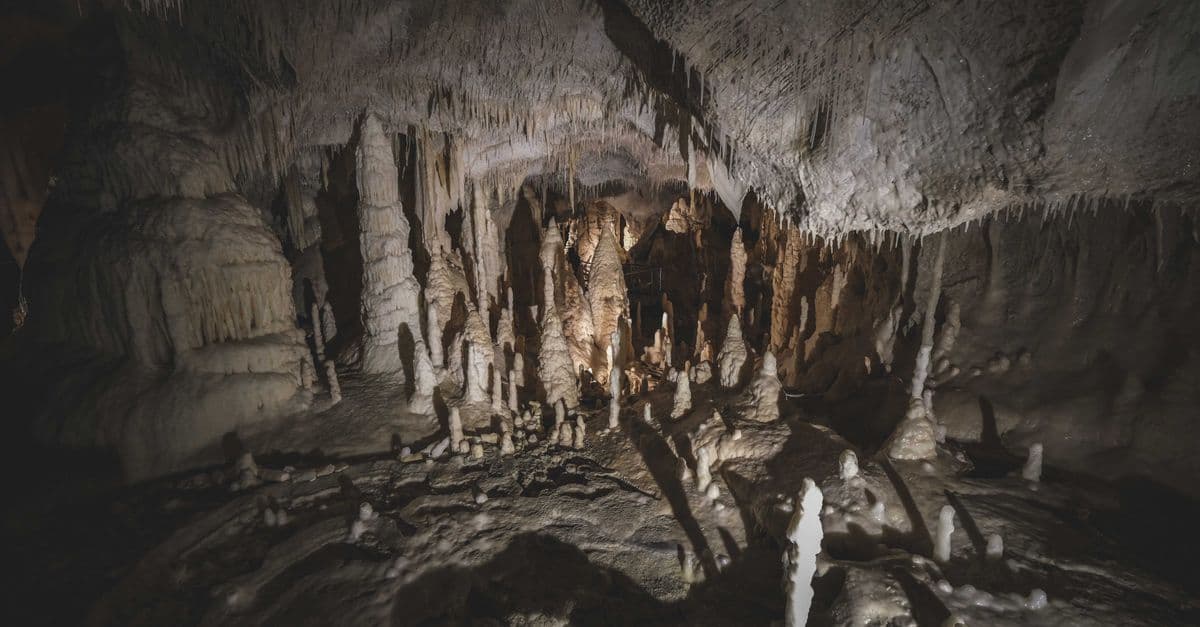
Deep in the Vietnamese jungle is a cave so large it has its own weather. Hang Sơn Đoòng — the world's largest cave passage — contains a forest, a river, and a microclimate that forms clouds beneath its ceiling, which soars high enough to fit a 40-storey skyscraper. It was only fully explored in 2009. The largest caves on Earth are among the last great unmapped spaces on the planet, carved by nothing more than slightly acidic water and a great deal of time.

If you placed the star UY Scuti where our Sun is, its surface would engulf Mercury, Venus, Earth, Mars, and reach out past the orbit of Jupiter. It is one of the largest known stars — a hypergiant so vast that light takes hours to cross it. Yet by another measure, this colossus is a lightweight: a star can be a thousand times wider than the Sun and still weigh less than the heaviest stars, which are smaller but unimaginably dense. Size, in space, is not what it seems.
Ask which animal kills the most people and the mind jumps to sharks, lions, or crocodiles. The real answer is something you've swatted without a second thought: the mosquito, which killed an estimated 597,000 to 610,000 people in 2023 and 2024 alone — more than every large predator combined, many times over. The deadliest animals on Earth aren't the biggest or fiercest. They're the ones that carry disease, and the ranking overturns almost everything our instincts tell us.