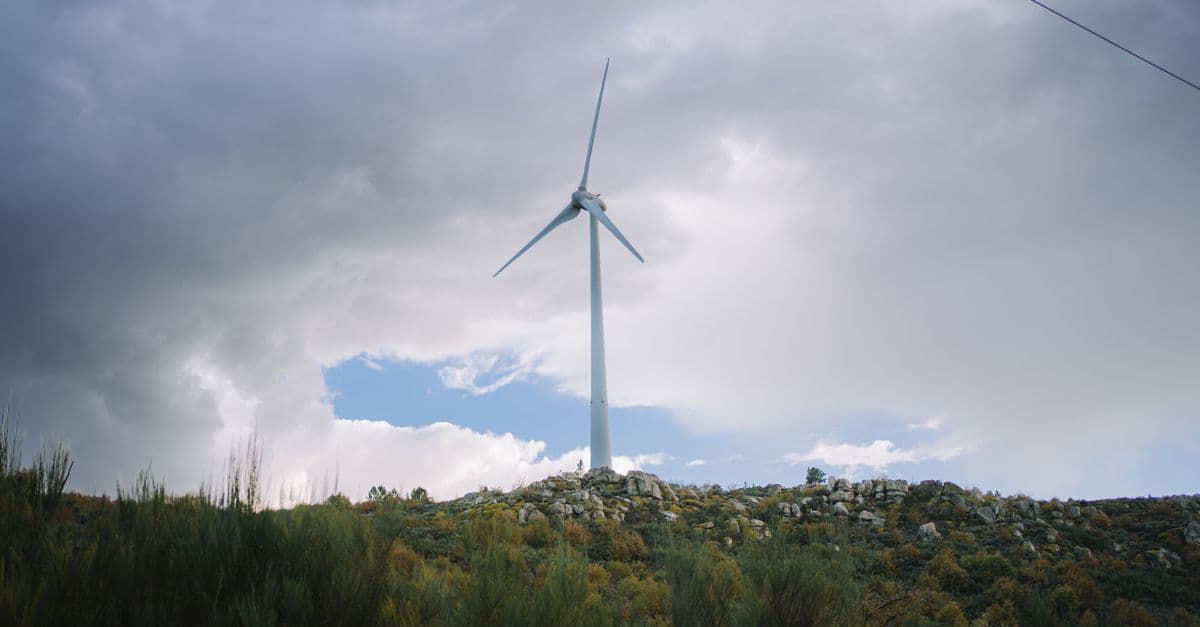
Sustainability
AI & Disaster Prediction: Early Warning Systems Save Lives
How machine learning models forecast floods, hurricanes, and earthquake aftershocks days to weeks ahead, and why some disasters remain fundamentally unpredictable.
48 articles tagged with #climate
How machine learning models forecast floods, hurricanes, and earthquake aftershocks days to weeks ahead, and why some disasters remain fundamentally unpredictable.
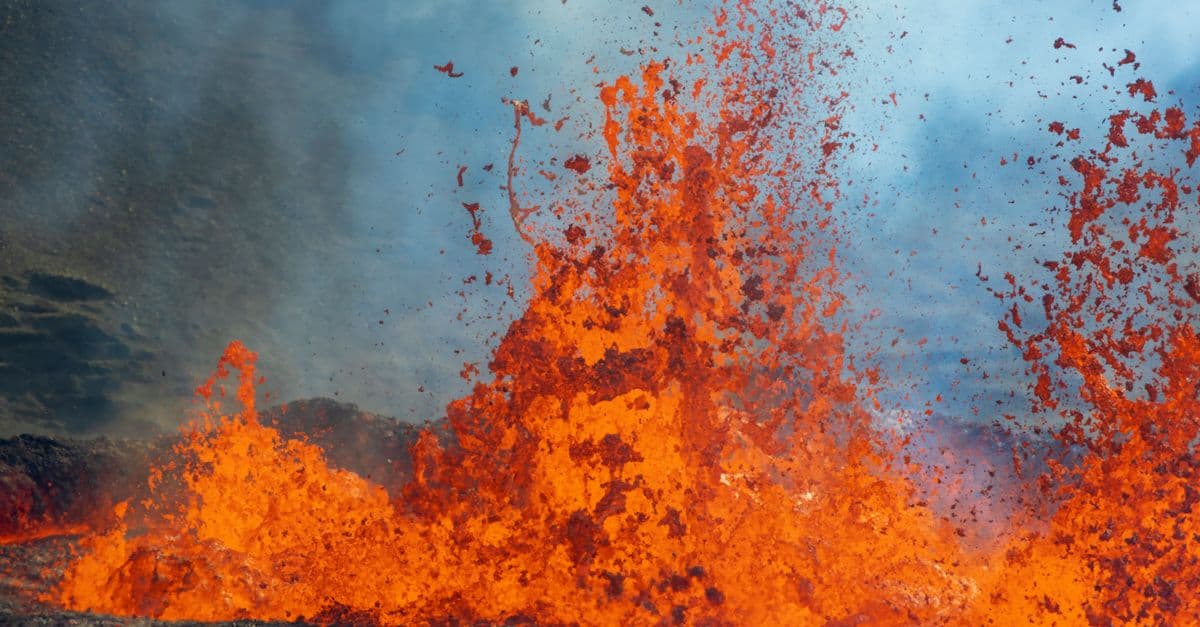
Perfect earthquake warnings. Hurricane paths known weeks in advance. Volcanic eruptions predicted to the day. What would a world with perfect disaster prediction actually look like?
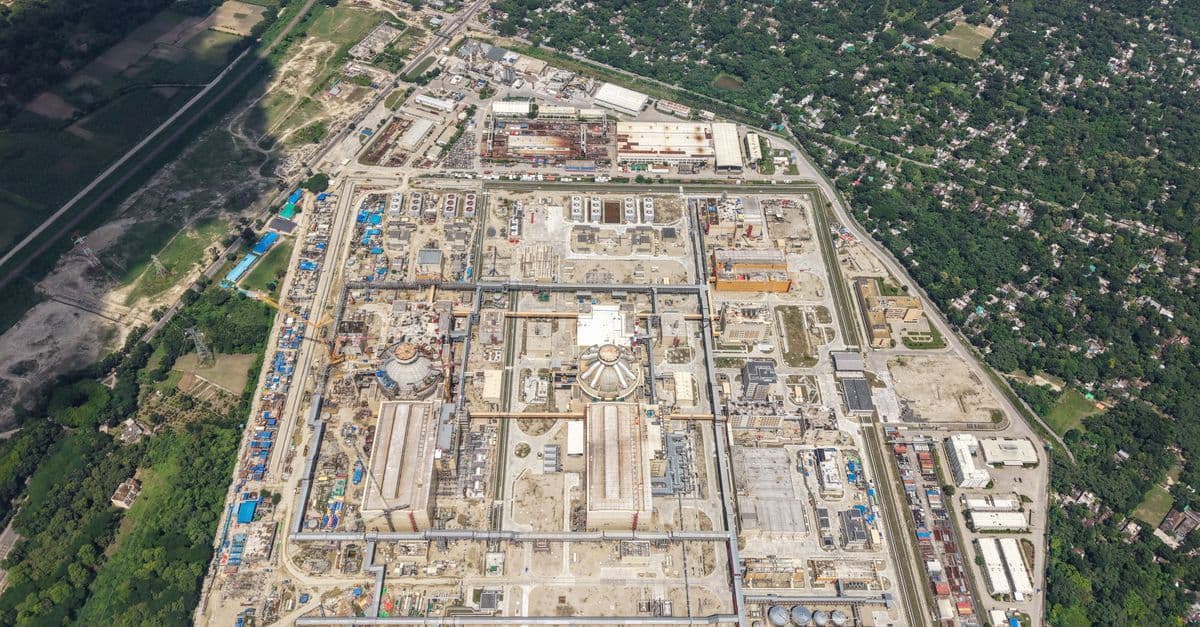
Chernobyl. Fukushima. Three Mile Island. Nuclear energy carries an enormous psychological weight — but when you look at the actual data on deaths per unit of energy produced, the numbers are surprising.
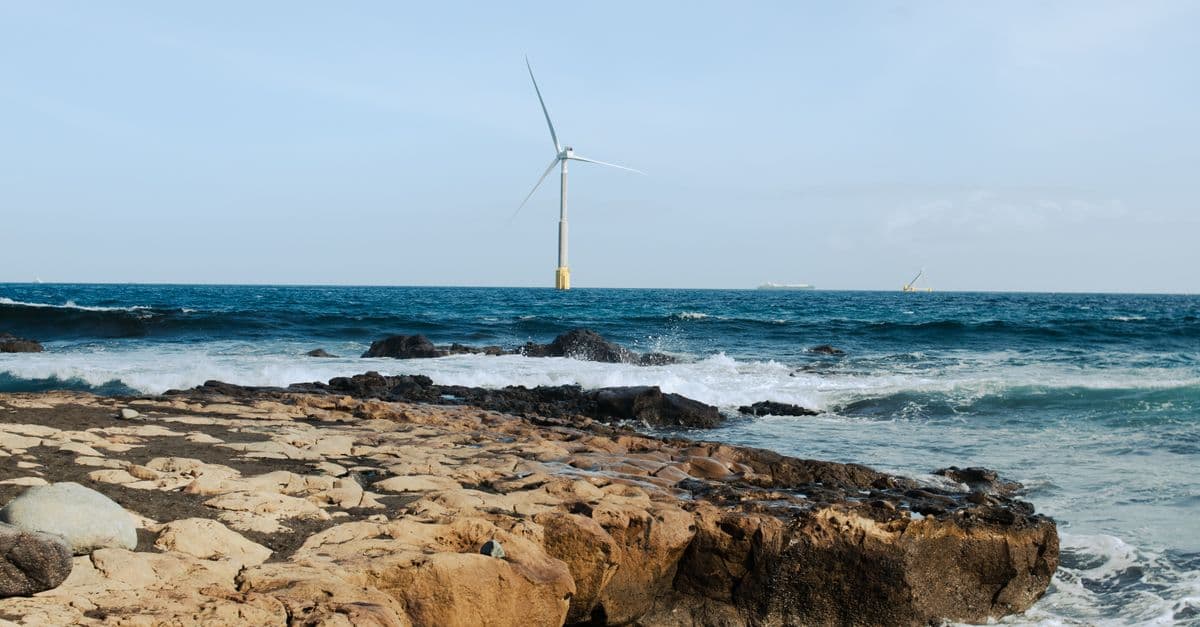
A single eruption can cool the entire planet for years. Here's the science behind what makes volcanoes tick — from deep magma to explosive blasts.

Climate tipping points could trigger irreversible planetary changes. Machine learning is giving scientists new tools to detect early warning signals, with real limits.
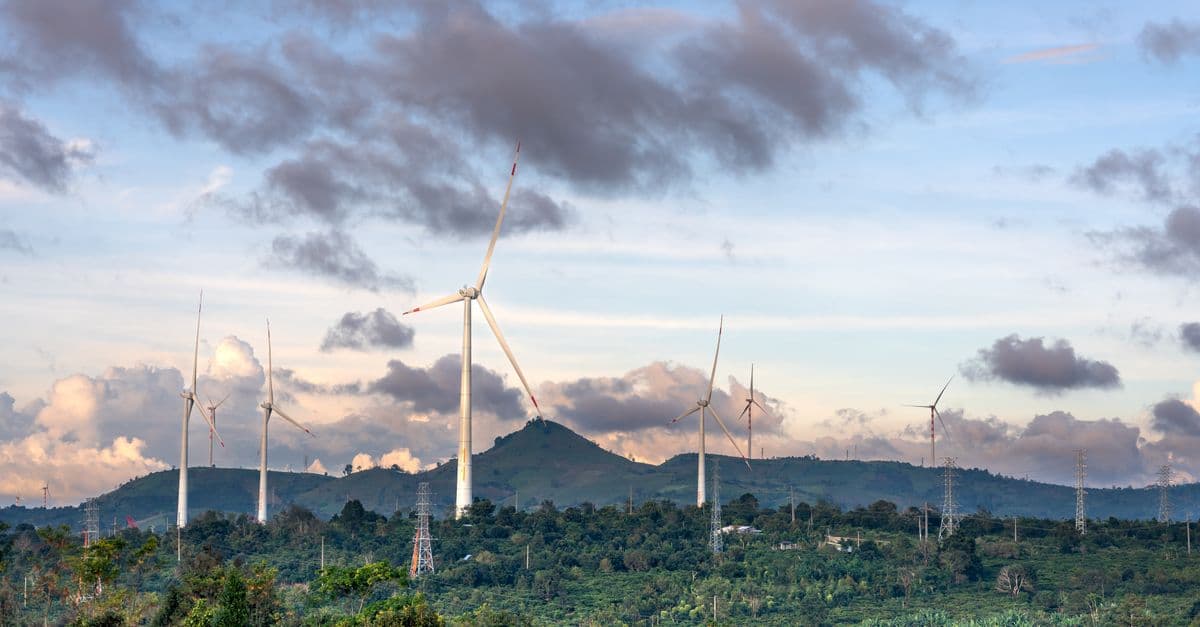
The Amazon is not Earth's oxygen factory, but it stores vast carbon and recycles rain across a continent. Here is what the evidence says about deforestation, drought, and tipping points.
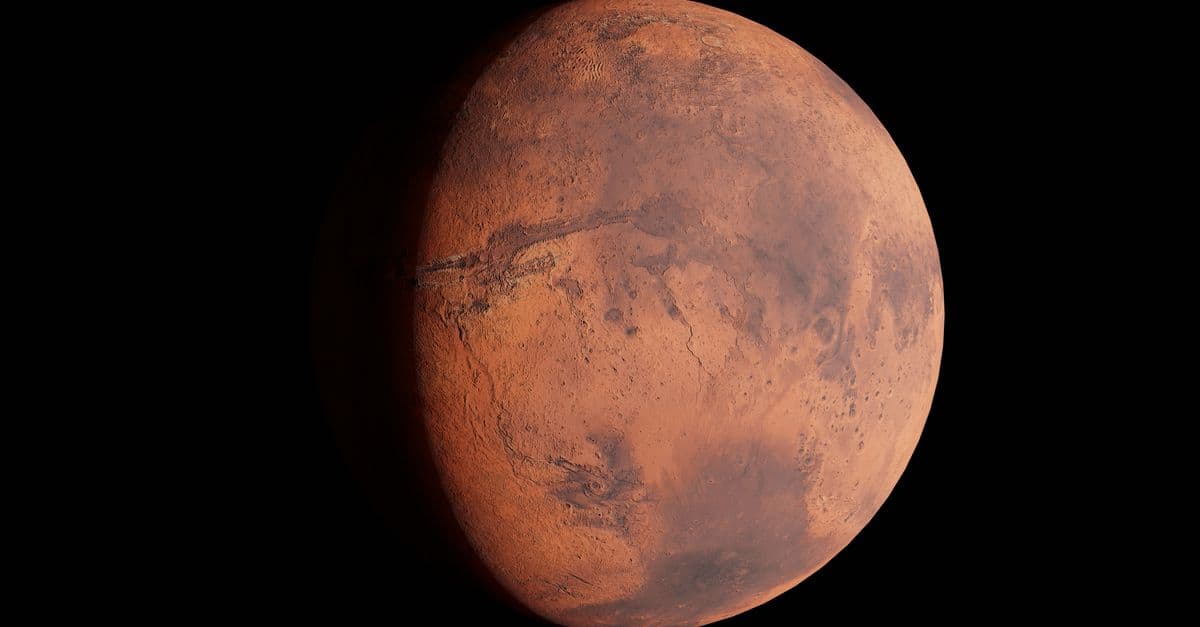
Mars' atmosphere is about 95% carbon dioxide at roughly 0.6% of Earth's surface pressure. Rover and orbiter measurements show what is in it, how it cycles with the seasons, and what its trace gases and isotopes say about the air Mars lost.
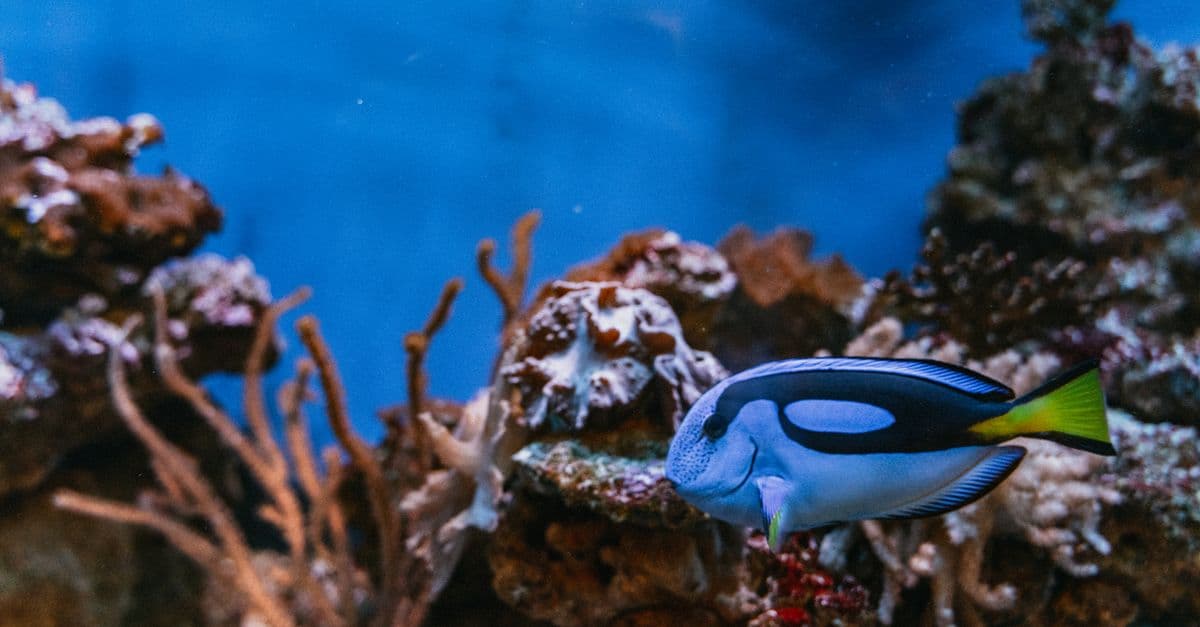
Australia's Great Barrier Reef is the world's largest coral structure at 348,000 km². Indonesia has the most coral biodiversity. But 50% of the world's coral reefs have died since 1950 — bleaching events driven by ocean warming are accelerating. Here's the full coral reef ranking and the scale of the crisis.
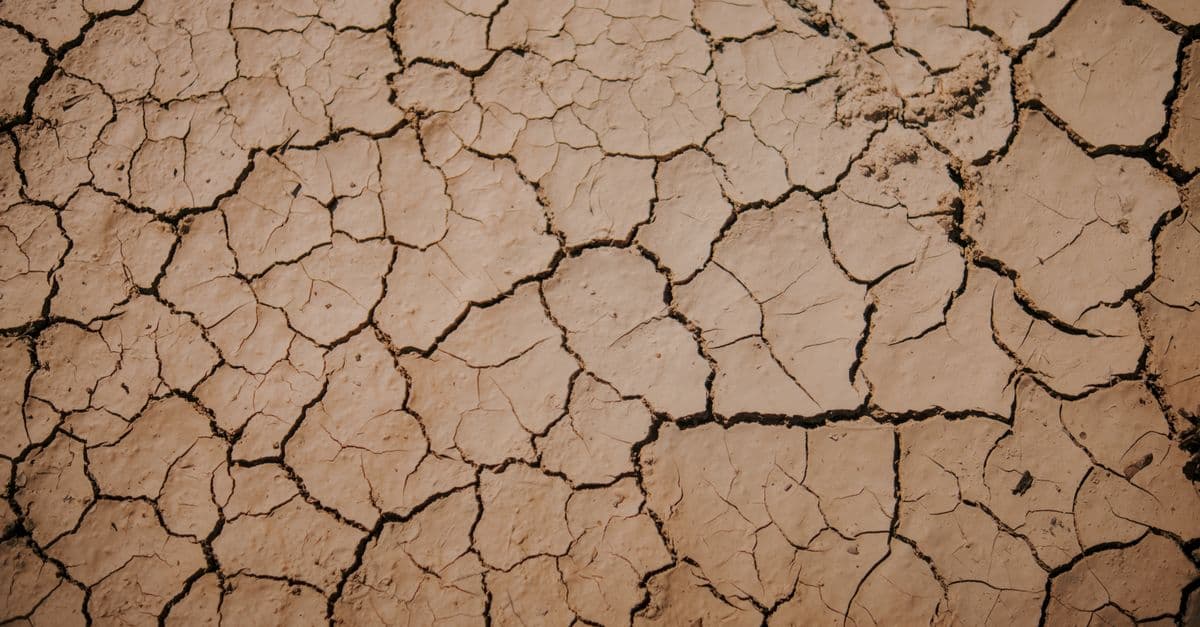
Russia has the most desert and dryland by total area. But Australia has the highest percentage of desert territory at 35%. The Sahara covers 11 countries. Desertification is advancing at 12 million hectares per year — an area the size of England lost annually to spreading desert. Here's the full ranking and the crisis of expanding deserts.
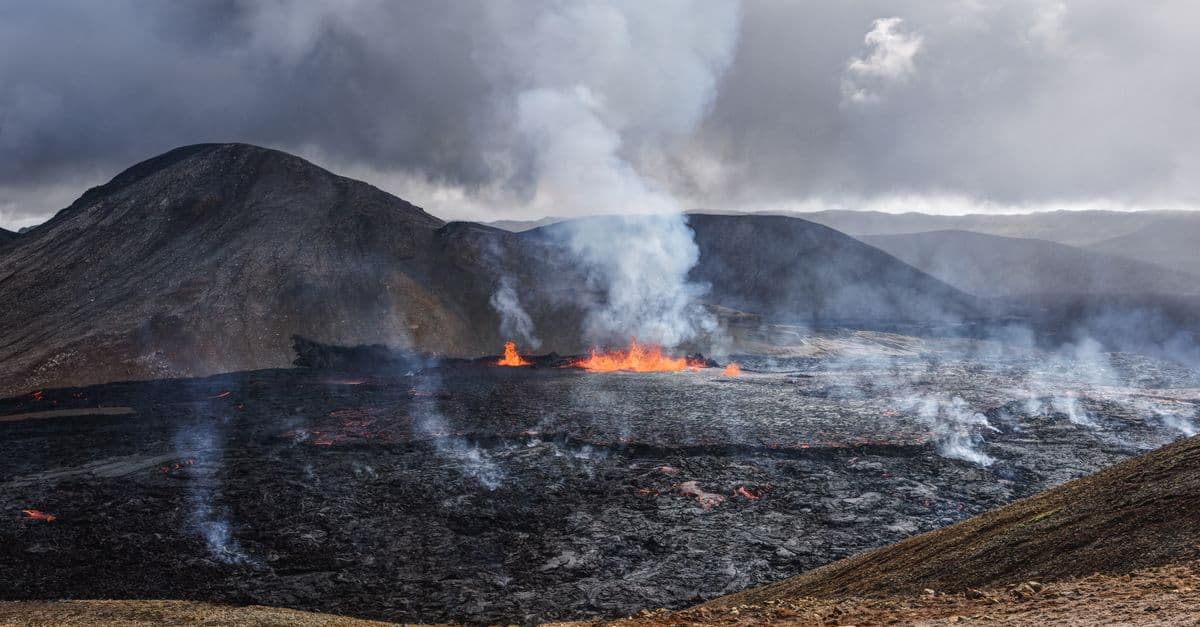
Over geological time, continents have repeatedly collided, separated, and reformed in different configurations. If the continents had assembled differently — say, forming a supercontinent at the equator, or never breaking apart from Pangaea — the climate, life, and evolution would be radically different.
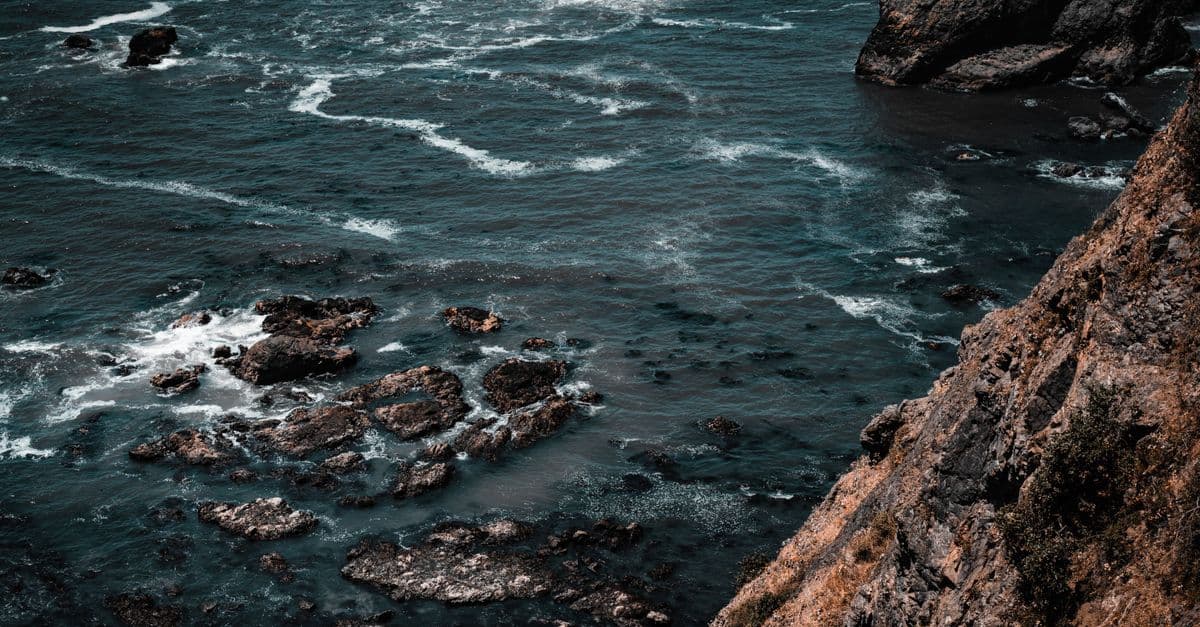
The Pacific Ocean covers nearly a third of Earth's surface and holds about half the planet's water. This thought experiment walks through what physics, climate science, and geology say would happen if it vanished — and why the planet has no substitute for it.
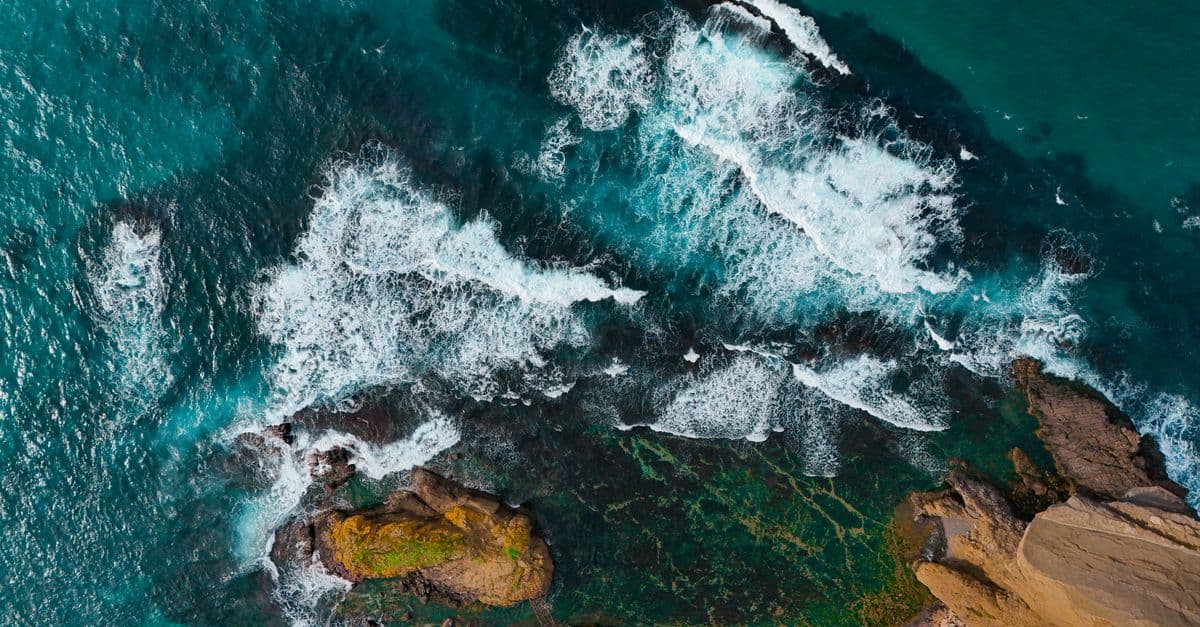
An Earth covered entirely by ocean — a 'water world' — would have no terrestrial life, simpler climate dynamics, and a chemistry profoundly altered by the absence of continental weathering. Land has shaped Earth far more than most people realize.