Science
Structural Battery Composites Explained: When Materials Carry Loads and Store Energy
Structural battery composites let carbon fiber carry loads and store energy. See how they work, what the lab numbers mean, and why products are still rare.
36 articles tagged with #engineering
Structural battery composites let carbon fiber carry loads and store energy. See how they work, what the lab numbers mean, and why products are still rare.

The Wright brothers solved controlled powered flight, but gliders, engines, wind tunnels, and earlier aviation pioneers all mattered.
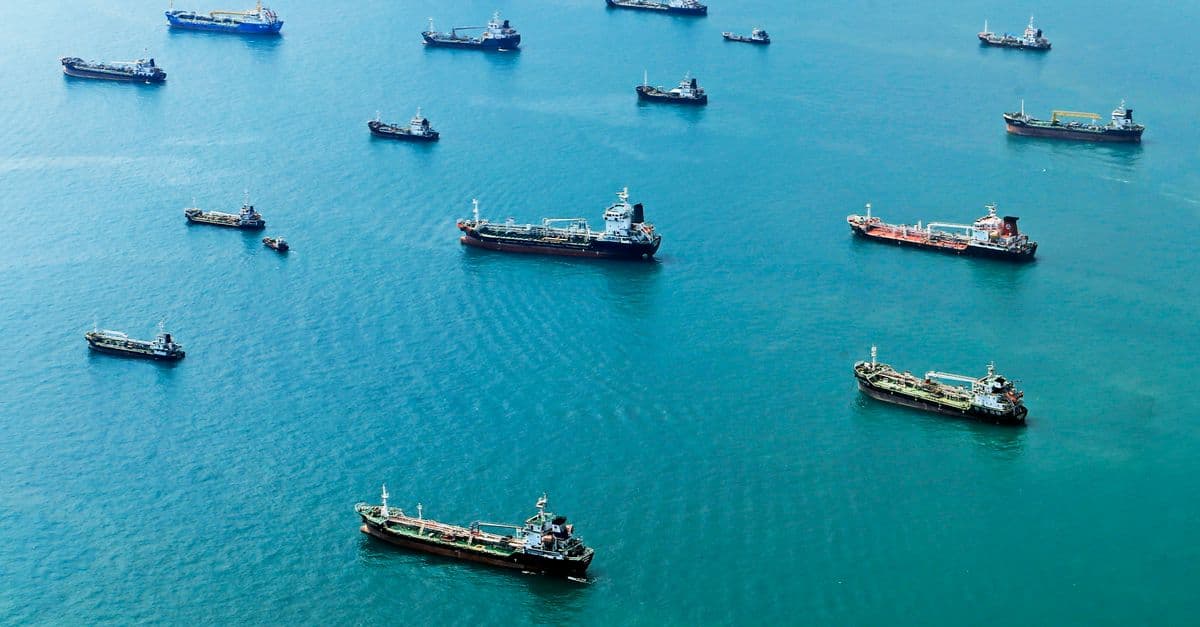
The largest ship ever built was a 458-meter supertanker. Compare record-holders by length, tonnage, and cargo capacity, from supertankers to floating LNG plants.
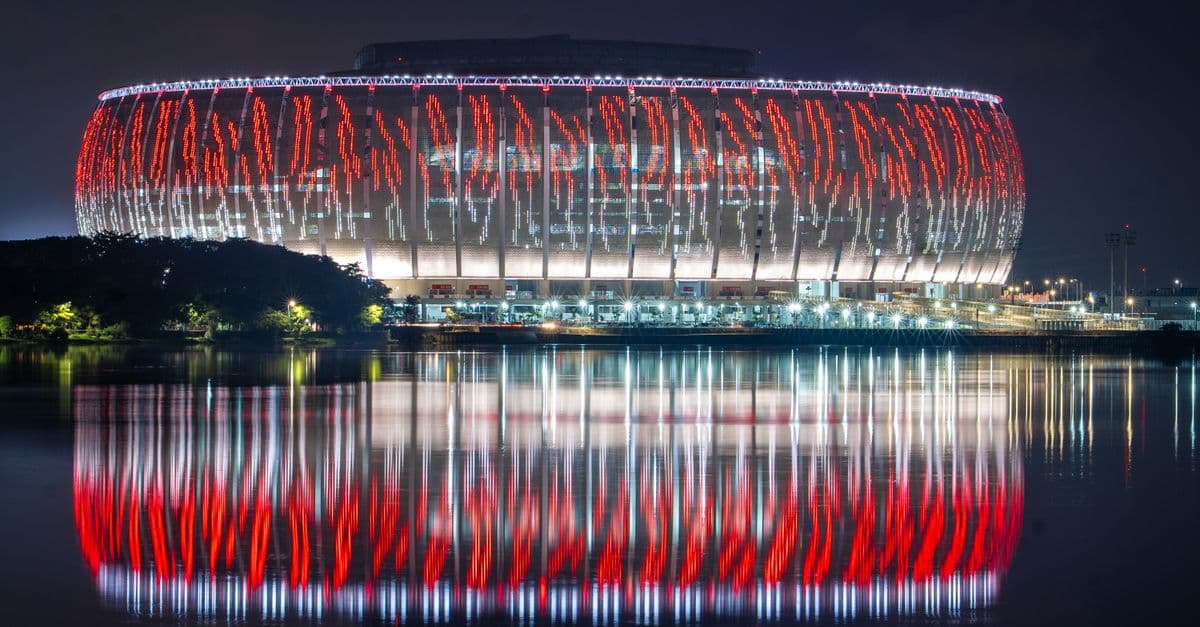
The world's largest stadiums ranked by capacity: Narendra Modi Stadium, Rungrado, Michigan Stadium and more, plus how capacity is counted and why it shifts.
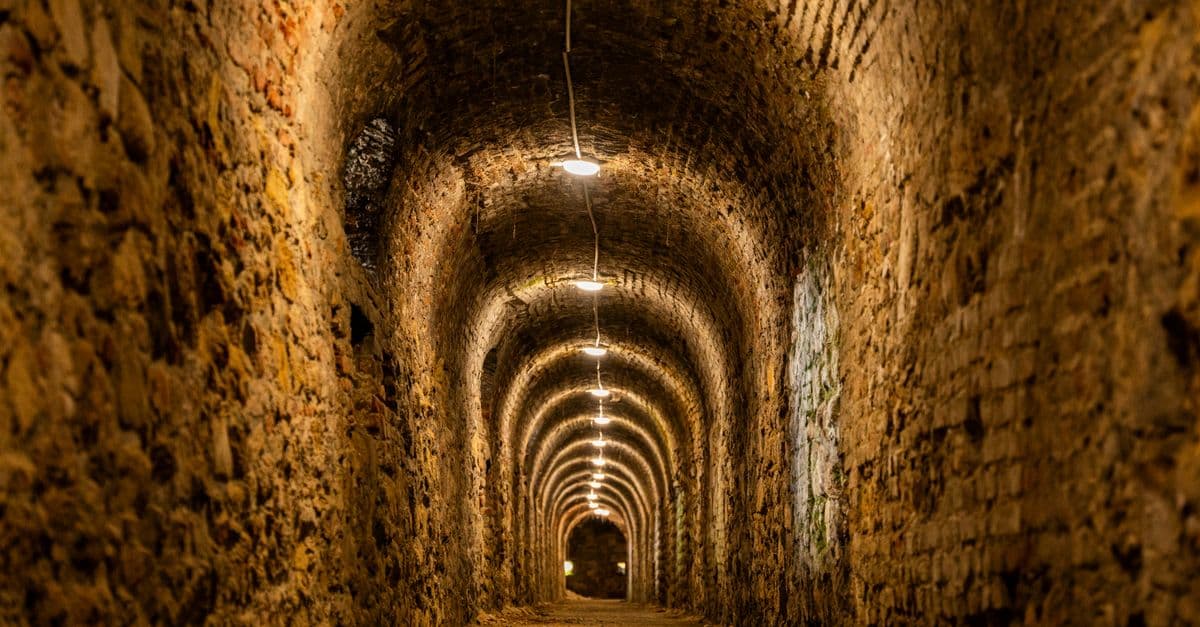
To send high-speed trains through the heart of the Alps, engineers didn't go over the mountains — they went straight through, boring the Gotthard Base Tunnel 57 kilometres beneath rock up to 2.3 kilometres thick. It's the longest railway tunnel on Earth, and at its deepest the rock above presses down so hard the temperature reaches 46°C. But the single longest tunnel of any kind carries no trains at all — it carries water to a thirsty city.
The longest bridge on Earth runs for 164 kilometres — roughly the distance from London to Birmingham — carrying high-speed trains across the rice paddies and rivers of eastern China. The Danyang–Kunshan Grand Bridge is so long that calling it a 'bridge' almost understates it; it is an elevated railway the length of a small country. But the real engineering drama lies elsewhere: in the bridges that span the widest single gaps without touching the ground.
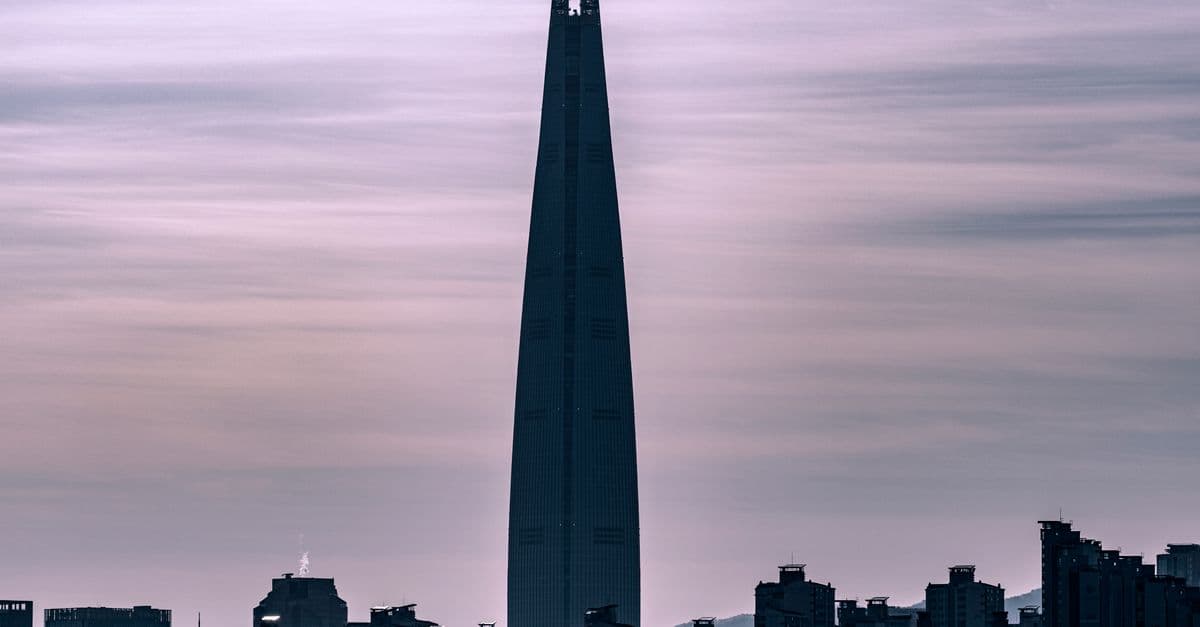
At 828 metres, Dubai's Burj Khalifa has held the title of world's tallest building since 2010 — and as of 2026 nothing completed has come close. The runner-up, Kuala Lumpur's Merdeka 118, tops out at 678.9 metres, nearly 150 metres shorter. But the real story is the building rising in Jeddah: a tower designed to break one kilometre, a height engineers once argued was physically impractical. How tall can we actually build, and what stops us?
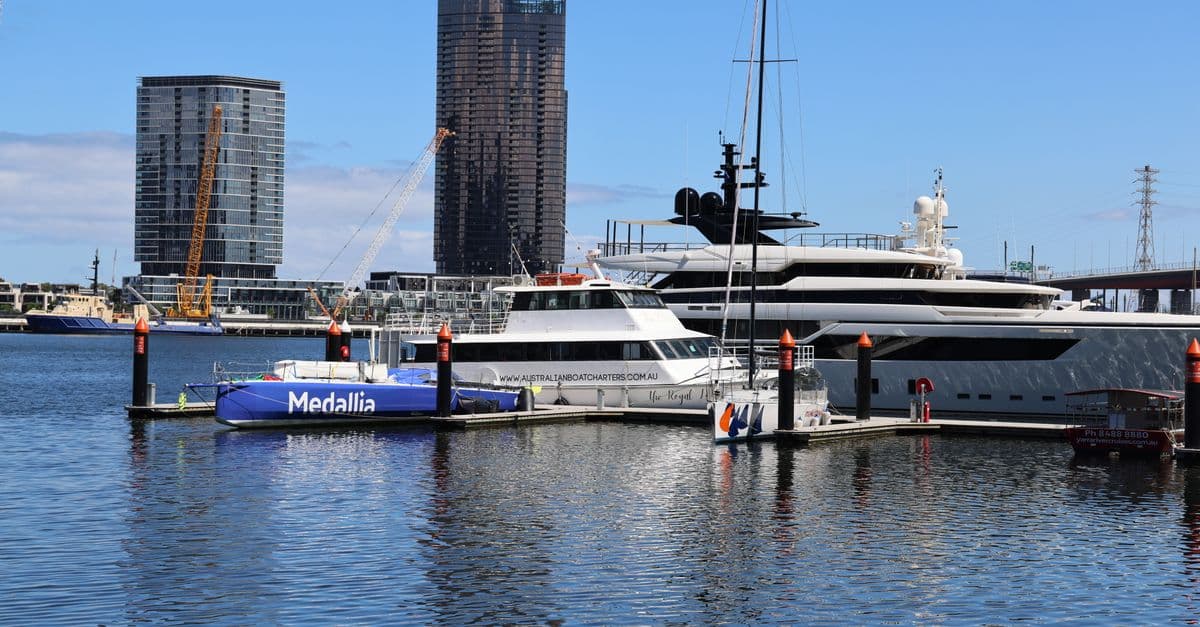
The world's largest yachts are floating cities. The Eclipse, owned by Roman Abramovich, stretches 164 meters and costs an estimated 500 million dollars to build. The Azzam, at 180 meters, was the longest yacht in the world for a decade. The New Global, recently launched in 2024, measures 180 meters and generates nearly 100 megawatts of power. This essay catalogs the 10 largest yachts by length, documenting their engineering, ownership where public, and the technological race to build the most massive privately-owned vessel.

The Burj Khalifa in Dubai stands 828 meters tall — for context, you could stack almost two Empire State Buildings on top of each other and still not reach its antenna. But height is only one dimension of 'largest.' The world's longest bridge stretches 164.8 km across China. The Great Wall of China, including all branches, runs over 21,000 km. The largest building by floor area is a Boeing factory in Washington State that covers 398,000 square meters under a single roof. What engineering limits the next record depends on which dimension you're measuring and why physics makes every additional meter harder than the last.

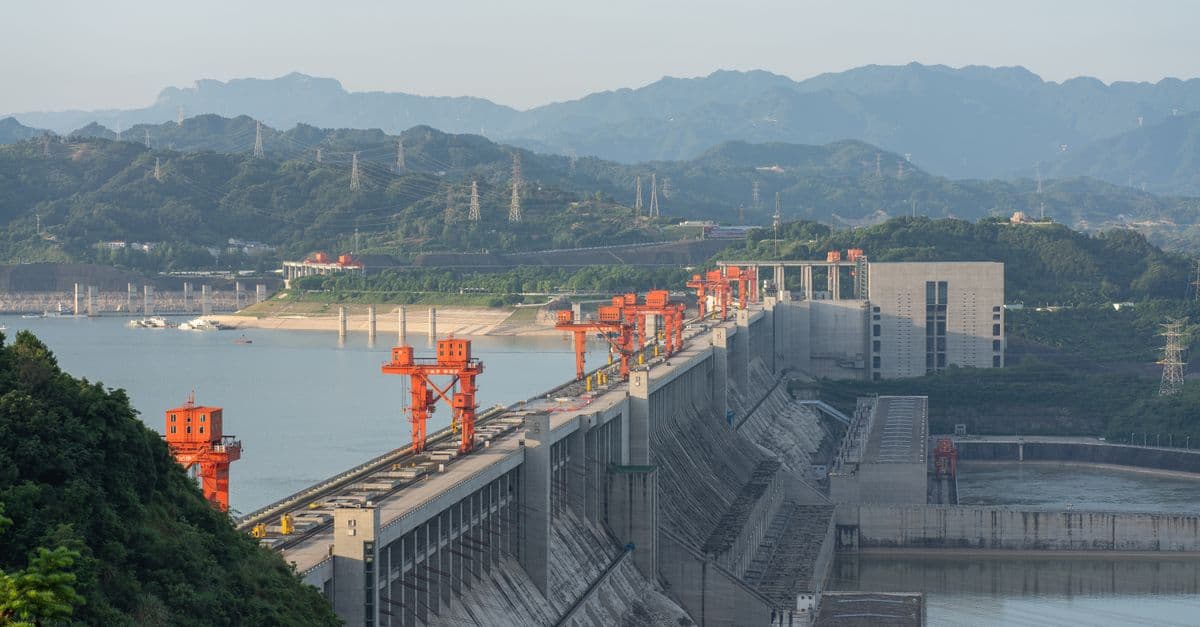
A Starship Super Heavy booster pushes with roughly 74 meganewtons, a force equal to the weight of about 7,500 tonnes. Three Gorges Dam can generate 22,500 megawatts. The LHC stores 362 megajoules in a single proton beam. Each is a record, and none of them is measuring the same thing. This article sorts the contenders by thrust, power, stored energy, and mass moved, shows the arithmetic that links them, and corrects a few popular comparisons that do not survive the numbers.