Science
Lunar Ice Detection Methods: Finding Water on the Moon
Remote sensing and direct exploration revealed water ice at the Moon's poles—a discovery changing lunar science and enabling future settlement through resource utilization.
27 articles tagged with #moon
Remote sensing and direct exploration revealed water ice at the Moon's poles—a discovery changing lunar science and enabling future settlement through resource utilization.
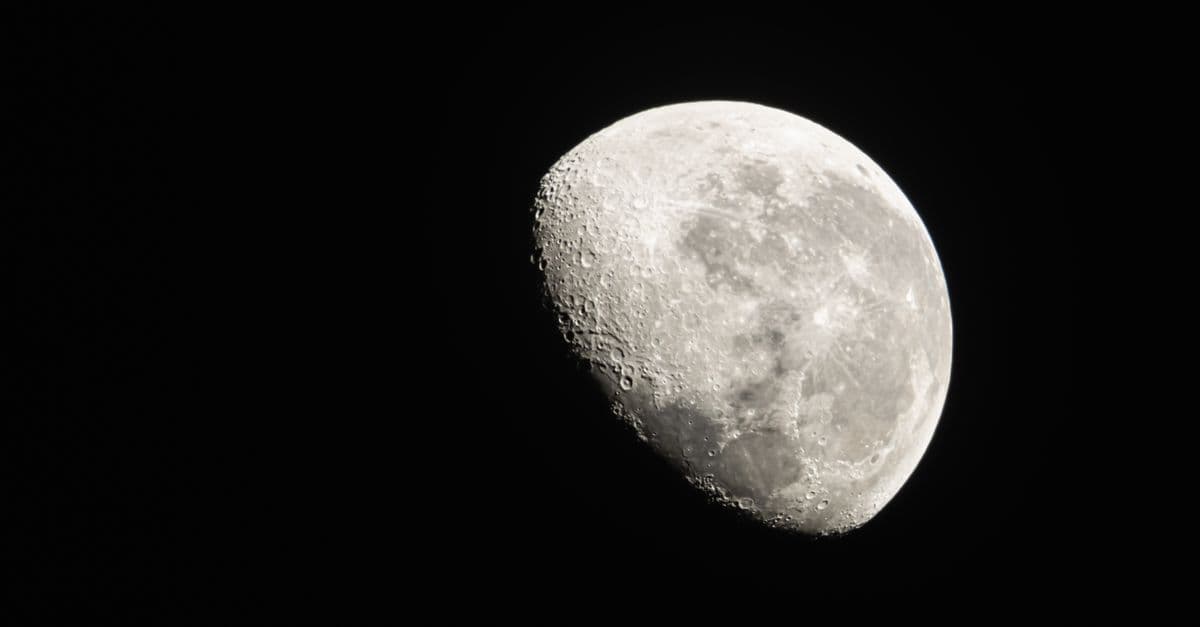
Apollo magnetometers revealed anomalous magnetic fields on the Moon surface, proving the Moon once possessed a magnetic field—a surprising discovery about our satellite's geological history.
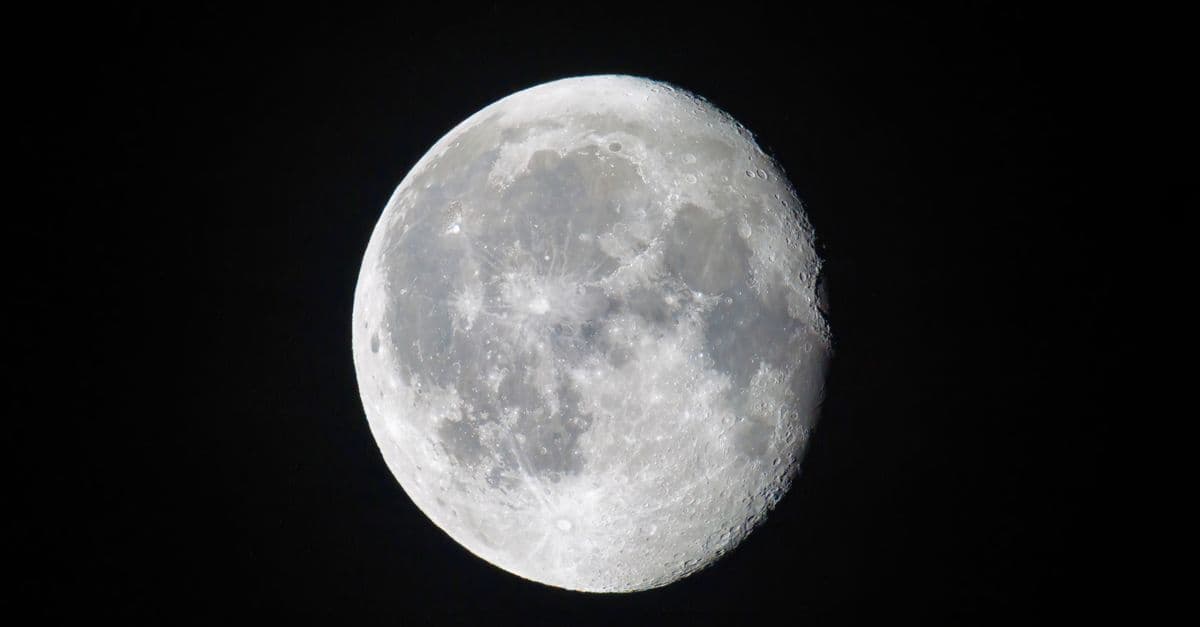
Apollo seismometers left on the Moon revealed extensive seismic activity, proving the Moon is geologically dynamic with thousands of moonquakes annually—surprising findings about our satellite.
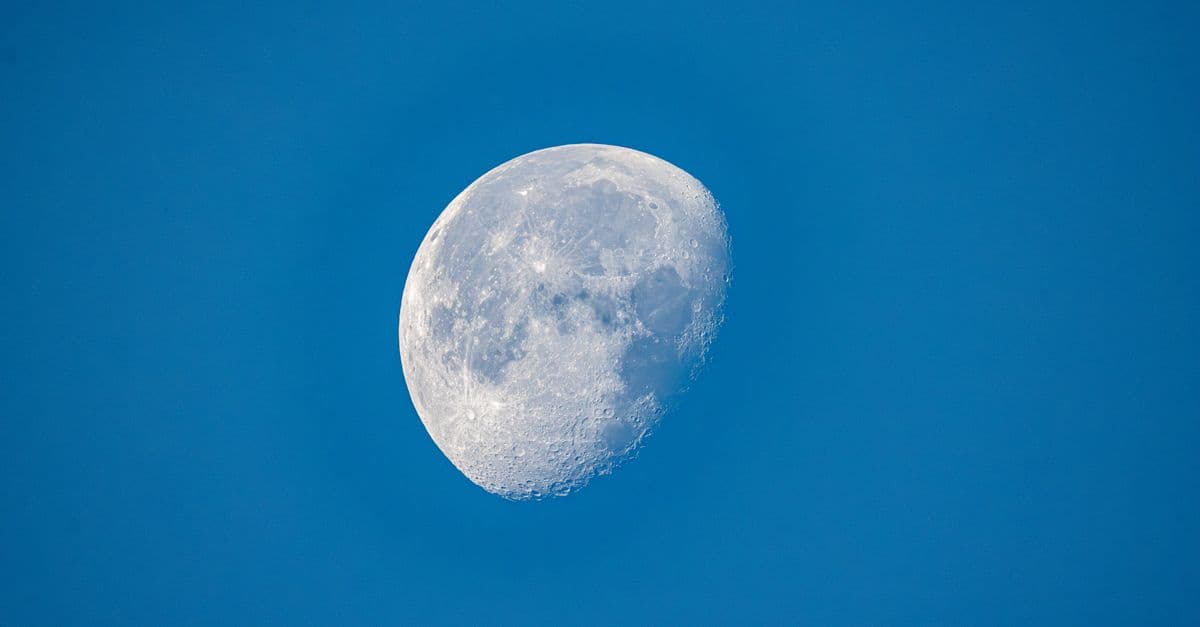
Apollo lunar soil samples revealed the Moon's weathering processes, mineral composition, and the effects of cosmic rays—knowledge essential for future lunar settlement.
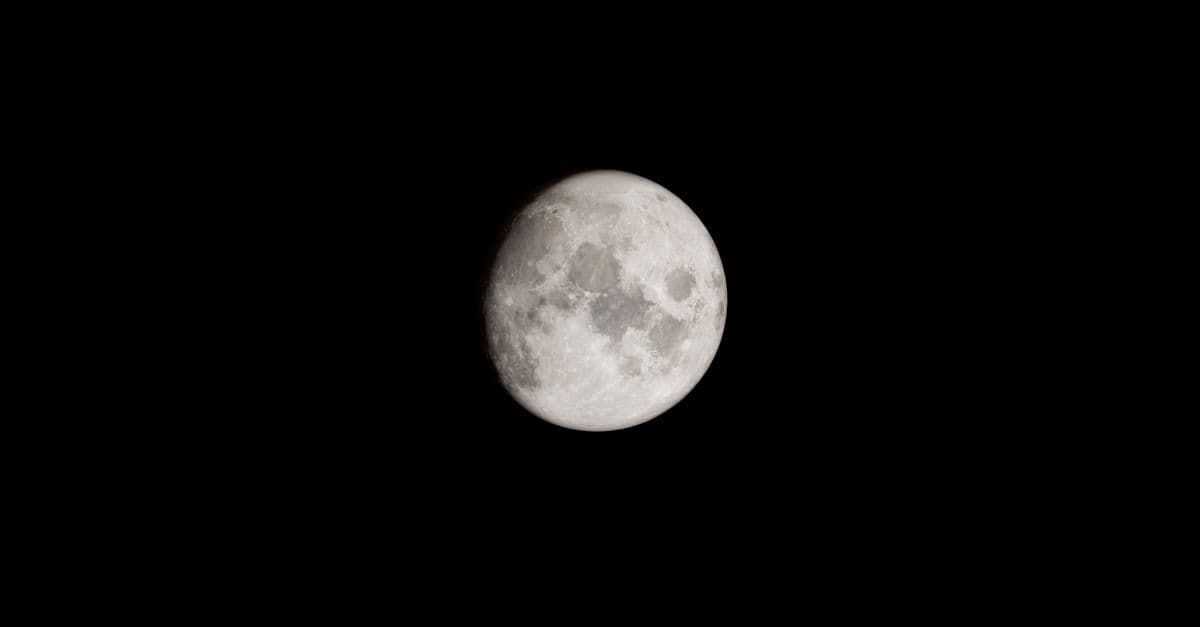
Apollo moon rocks are among Earth's most valuable scientific specimens, revealing planetary formation, solar system history, and the nature of celestial bodies.
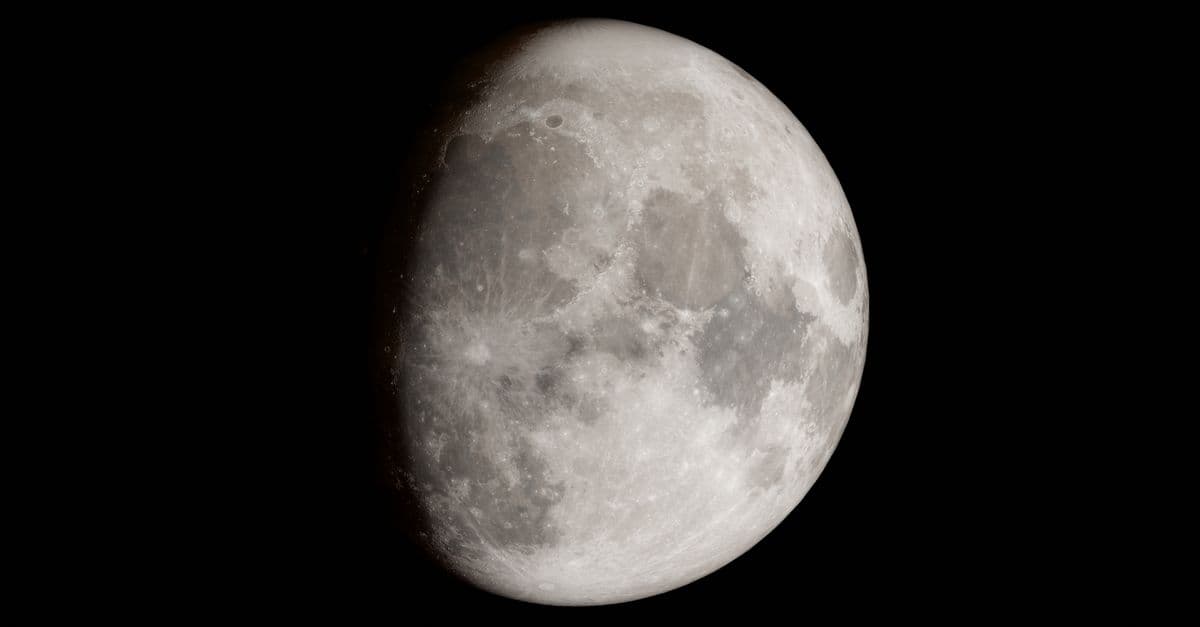
Apollo solar wind collectors captured particles directly from the Sun's wind, analyzing isotope ratios that revealed solar composition and isotopic variations over time.
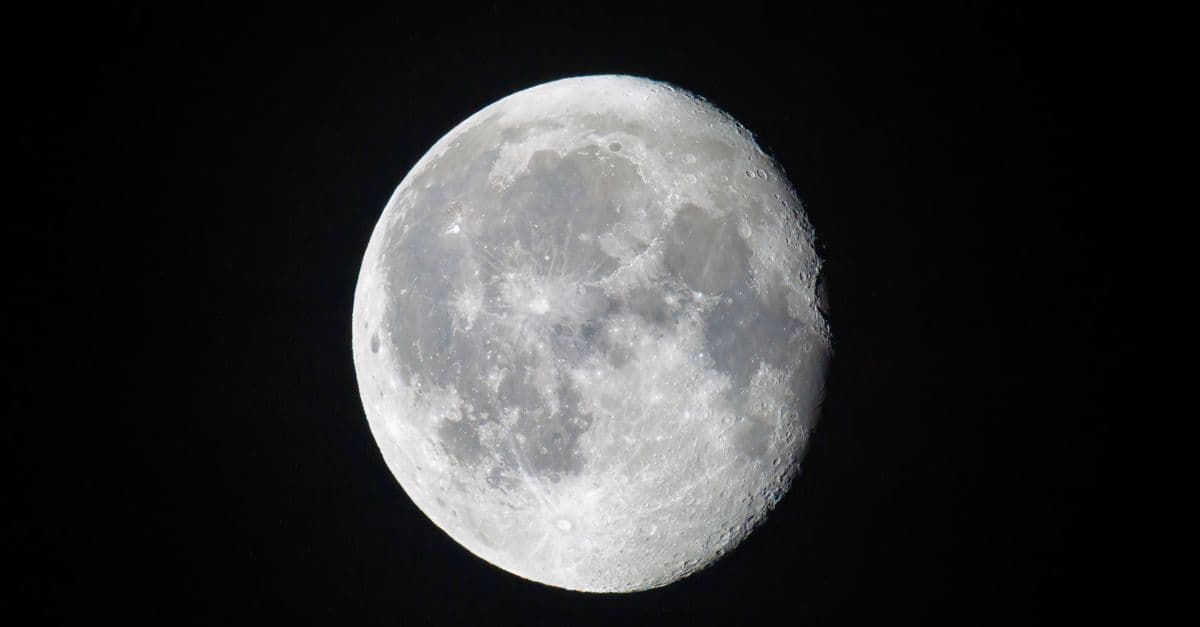
China's Yutu-2 rover explored the Moon's far side, discovering subsurface layers and geological features revealing the Moon's complex evolution.
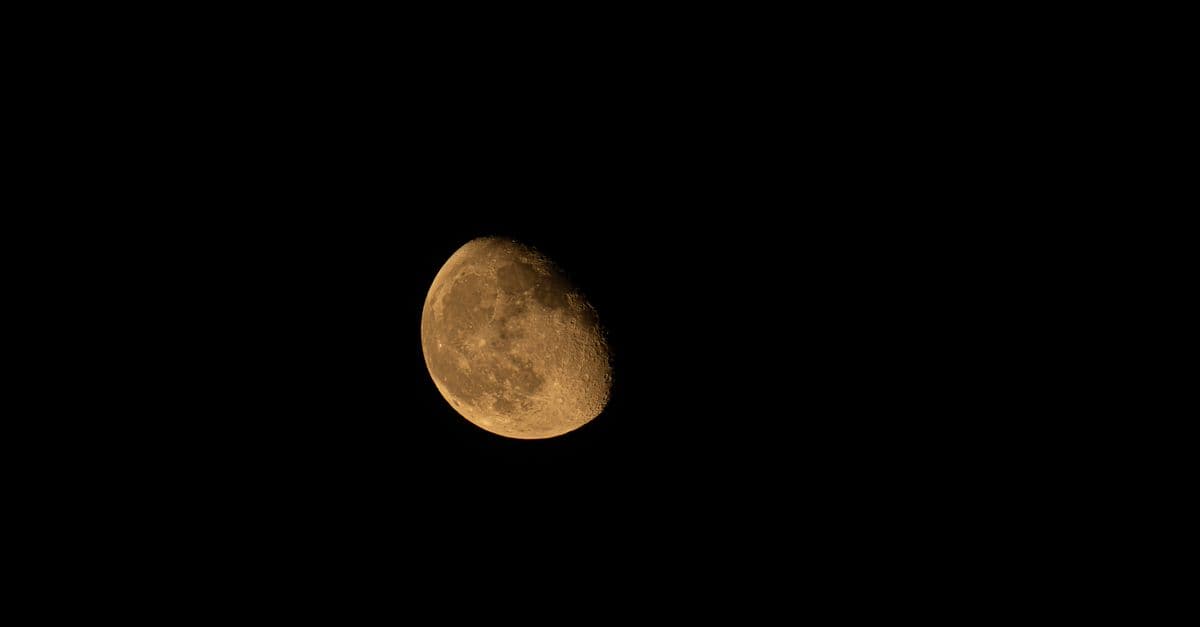
Beyond tides and axial tilt, a moonless sky would have rewritten human calendars, coastal navigation, and the reproductive clocks of thousands of species. Here's the cultural and biological story the physics leaves out.
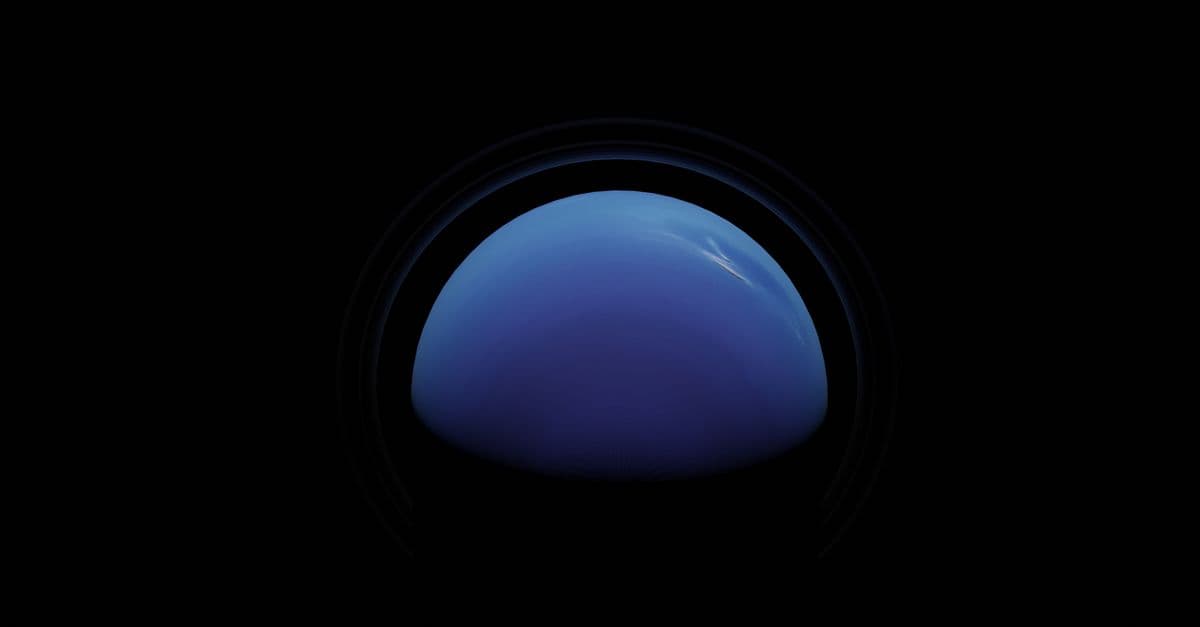
Tidal locking happens when a body's rotation period equals its orbital period, so one face always points at its partner. The Moon is locked to Earth, Mercury is caught in a 3:2 resonance instead, and many planets around red dwarf stars are probably locked to their stars.

The Moon raises the ocean tides, slows Earth's rotation, and is drifting away at about 3.8 cm per year. Whether it also keeps Earth's tilt stable enough for a mild climate is a live scientific debate, and this article lays out both sides.
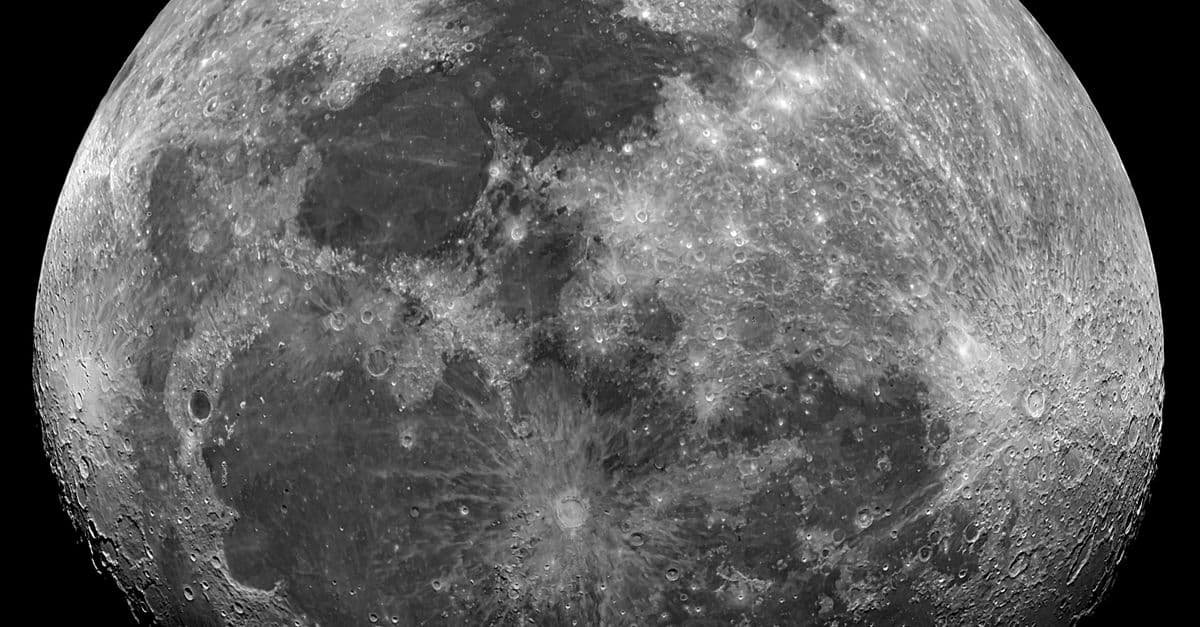
Tidal locking occurs when a body's rotation period equals its orbital period, so one hemisphere permanently faces its partner. The Moon is locked to Earth, which is why we always see the same face, and the same effect probably shapes planets around red dwarf stars.

Orbit demands about 7.8 km/s of sideways speed, the Moon is 384,000 km away, and Mars is at least 55 million km. Here is the physics of getting to space, the history of exploration, and where Artemis, Starship, and Mars stand as of October 2026.