Skip to content
ISSUE 10.29.26/24 CATEGORIES

what-if

94 articles tagged with #what-if

Black and white texture of cracked earth surface, showcasing natural patterns and geological details.
What If

What If Pangaea Never Broke Up?

Two hundred million years ago, every continent on Earth was joined into a single supercontinent called Pangaea. If it had never split, Earth would have a vast hostile interior desert, weaker biodiversity, and weather patterns dominated by an enormous global ocean.
Editorial Team·May 6, 2026·21 min
Dynamic star trails creating a dazzling starburst effect in the night sky, captured with long exposure.
What If

What If a Gamma-Ray Burst Hit Earth?

A gamma-ray burst aimed at Earth from within a few thousand light-years would deplete the ozone layer in seconds, expose the surface to lethal UV, and possibly trigger a mass extinction. The good news: no such cosmic gun is currently aimed at us.

Editorial Team·May 6, 2026·19 min
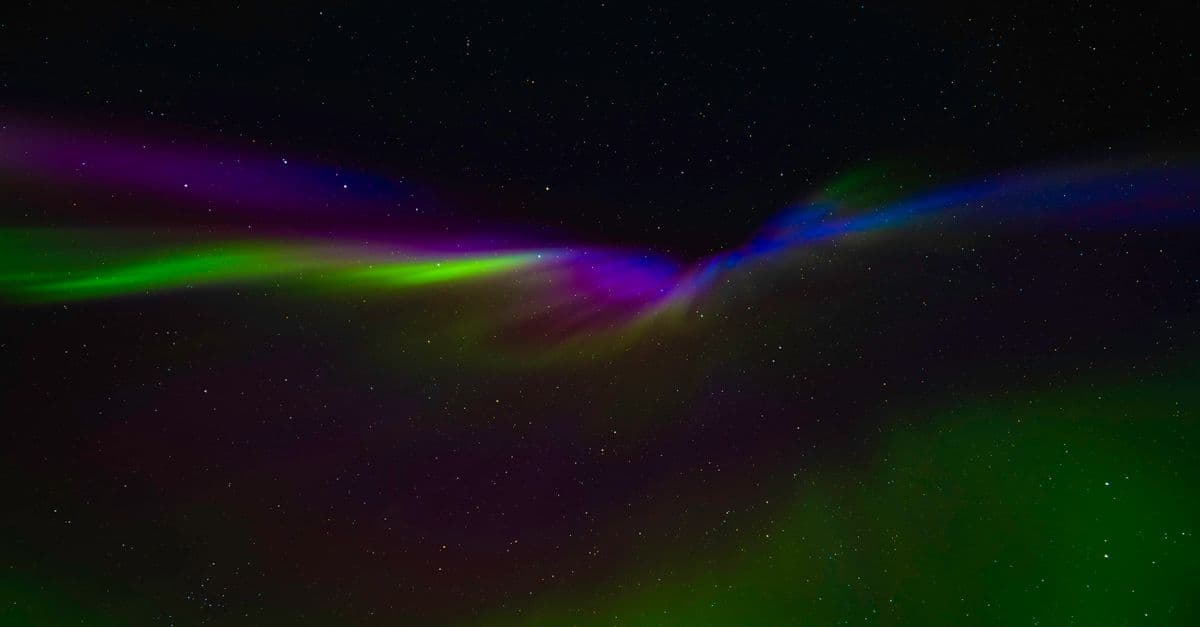
Vivid Northern Lights display in Norway's night sky, showcasing green, purple, and blue hues against starry backdrop.
What If

What If Earth's Magnetic Field Flipped?

Earth's magnetic field has reversed polarity hundreds of times in the past 200 million years — and it could happen again. During the transition, the field weakens, more cosmic radiation reaches the surface, and compasses spin uselessly. But it isn't the apocalypse some claim.

Editorial Team·May 6, 2026·15 min
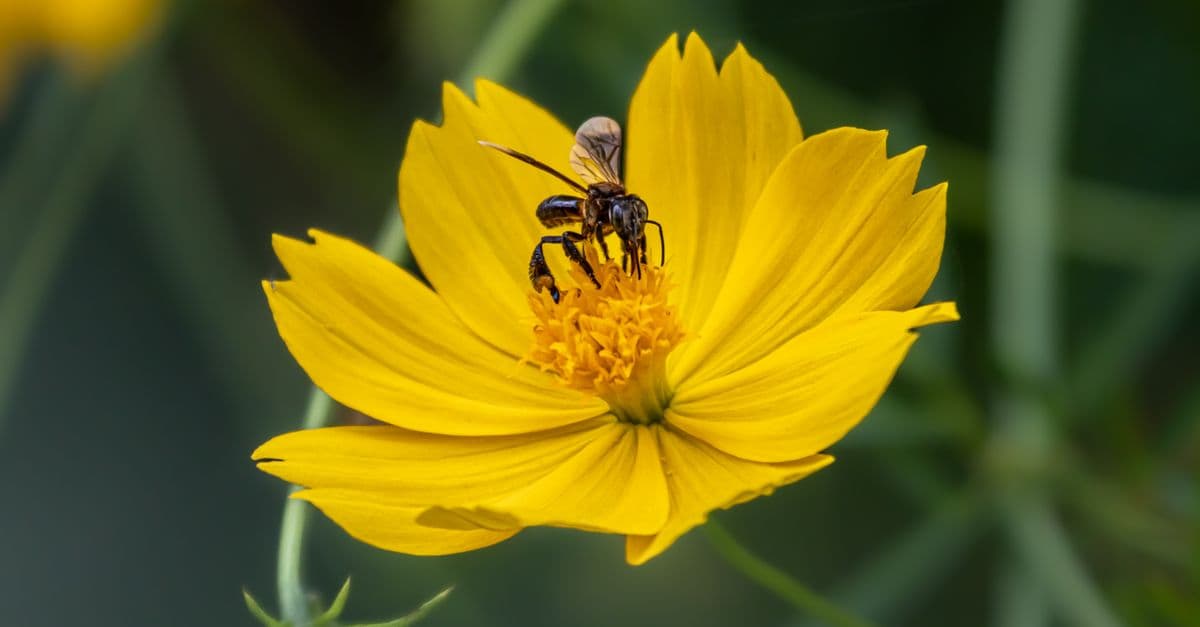
Close-up of a bee on a vibrant yellow cosmos flower, showcasing pollination in nature.
What If

What If All Insects Disappeared?

Insects pollinate roughly three-quarters of food crop types, recycle dead plants and animals, aerate soil, and feed countless animals. If they vanished overnight, terrestrial ecosystems would unravel within a few years and most of agriculture would fail.

Editorial Team·May 6, 2026·18 min
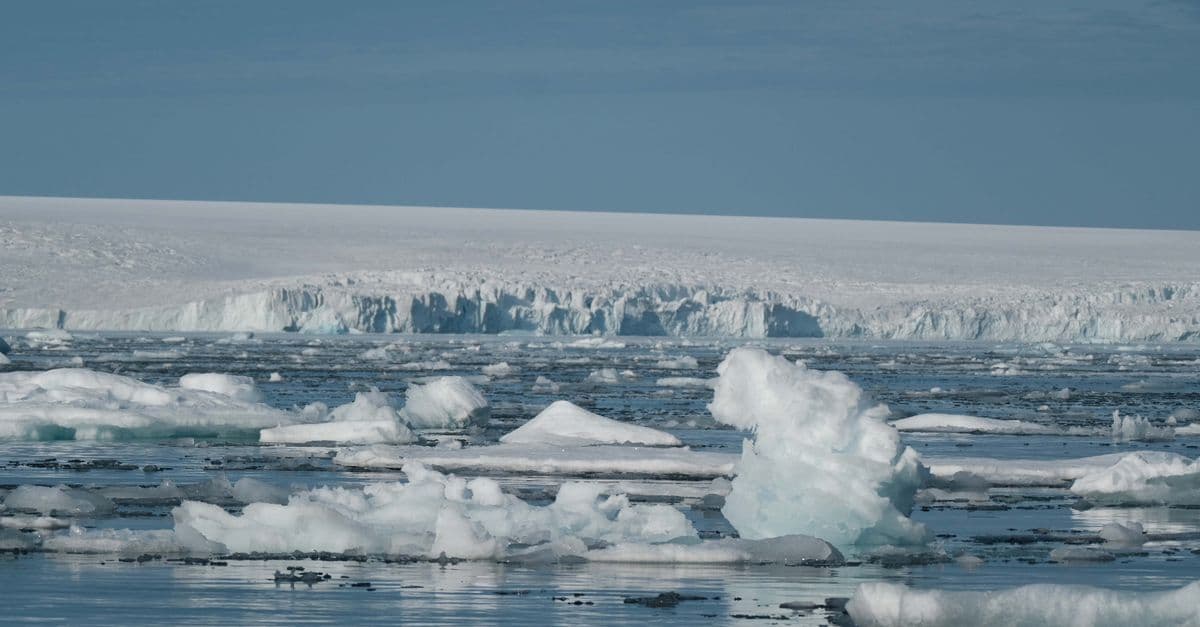
Tranquil scene of drifting icebergs in the Arctic under a clear sky, capturing serene beauty.
What If

What If Antarctica Completely Melted?

Antarctica holds about 26.5 million cubic kilometres of ice — enough to raise global sea levels by roughly 58 metres if it all melted. Coastlines would be redrawn, hundreds of cities flooded, and global climate fundamentally restructured.

Editorial Team·May 6, 2026·18 min
A striking night view of Jupiter with its moons captured in vibrant detail against a black sky.
What If

What If Jupiter Became a Star?

Jupiter is sometimes called a 'failed star' — but it would need to be 80 times more massive to ignite hydrogen fusion. If we somehow gave it enough mass, our solar system would gain a faint red dwarf companion, and Earth would barely notice.

Editorial Team·May 6, 2026·17 min
A breathtaking view of star trails swirling above palm trees in a night sky.
What If

What If the Earth Stopped Spinning?

Earth spins at 1,674 km/h at the equator. If it suddenly stopped, supersonic winds would devastate the surface. If it slowed gradually, the consequences are still severe — a 6-month day, ocean redistribution, and a collapsing magnetic field.

Editorial Team·May 2, 2026·18 min
Beautiful night sky with constellations and stars shining brightly.
What If

What If Our Solar System Had Two Suns?

Most stars in the galaxy are in binary systems. If our solar system had two suns, Earth's orbit might be stable — or chaotic. The climate would be stranger, the sky alien, and the evolution of life might have gone very differently.

Editorial Team·May 2, 2026·9 min
From above of hanging LED lamps and salty stalactites on uneven walls of Salina Turda mine in Romania
What If

What If We Mined the Asteroid Belt?

The asteroid belt contains enough metal to give every human being 100 billion dollars' worth. It also contains the raw materials to build hundreds of thousands of O'Neill habitats. Here's what asteroid mining would actually look like — and what it would do to the world economy.

Editorial Team·May 2, 2026·8 min