The Real Science of Vegan and Vegetarian Diets
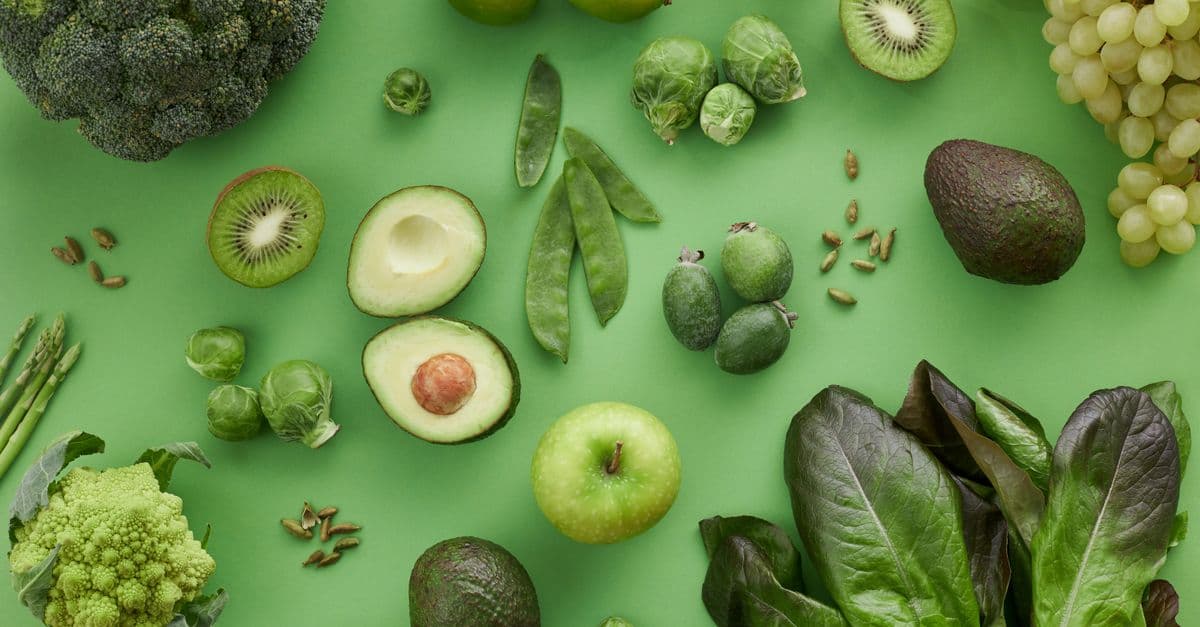
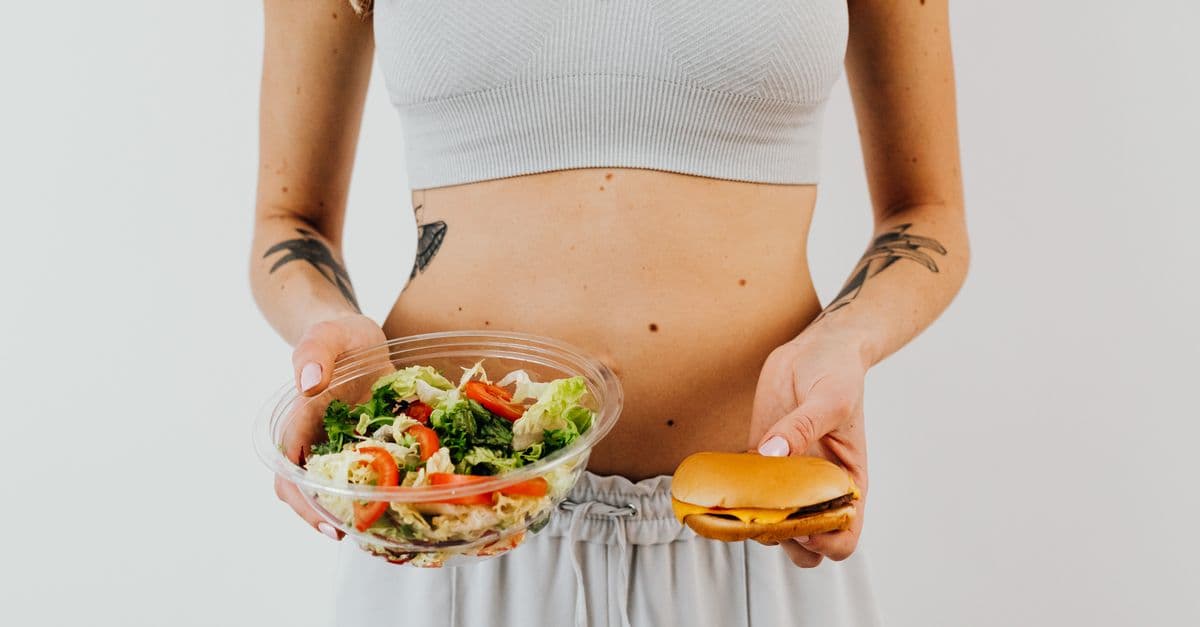
Photo: Vanessa Loring / Pexels
Plant-based eating is one of the most studied dietary patterns in nutrition, and the findings are more mixed than either enthusiasts or critics tend to admit. Large cohort studies link vegetarian diets to less ischemic heart disease and diabetes, yet they do not show a clear survival advantage, and some data point to higher stroke or fracture risk in specific groups. This article walks through what the evidence says about health, nutrients, children, and the environment, and where each result stops being reliable.
Educational content, not medical advice. Talk to your doctor before changing any medication, treatment, or routine. Information here reflects current research but every person's situation differs.
Key takeaways
- The Academy of Nutrition and Dietetics considers well-planned vegetarian and vegan diets healthful and nutritionally adequate for every life stage.
- A 2017 meta-analysis of prospective cohorts found vegetarian diets associated with about 25% lower ischemic heart disease and about 8% lower total cancer incidence, with no clear effect on all-cause mortality.
- Results are not uniformly favorable. A large UK cohort found higher stroke risk in vegetarians and higher hip-fracture risk in vegans.
- Vegans need a dependable vitamin B12 source, and iodine, calcium, iron, zinc, and omega-3 fats deserve attention.
- Food-system modeling suggests a global shift to plant-based diets could cut agricultural land use by roughly 75%, though impacts vary enormously by food and farm.
What counts as vegan, vegetarian, and everything in between
The words describe overlapping diets, and studies define them differently. That is the first reason results can look inconsistent.
| Pattern | Excludes | Often includes | Typical nutrient watch-list |
|---|---|---|---|
| Vegan | All animal products, including dairy, eggs, and honey | Legumes, grains, nuts, seeds, vegetables, fruit, fortified foods | B12, iodine, calcium, vitamin D, iron, zinc, omega-3 (EPA and DHA) |
| Lacto-ovo vegetarian | Meat, poultry, fish | Dairy and eggs | Iron, zinc, omega-3 |
| Pescatarian (pesco-vegetarian) | Meat and poultry | Fish, often dairy and eggs | Fewer gaps; often grouped with vegetarians in studies |
| Semi-vegetarian or flexitarian | Meat is limited, not eliminated | Occasional meat or fish | Depends on how much animal food remains |
| "Plant-based" or "plant-forward" | No fixed rule | Emphasis on plants | Not defined; varies by person |
The last row matters for reading headlines. "Plant-based" has no standard definition, so a study using the term might describe a strict vegan diet or merely a Mediterranean-style one. When a result sounds dramatic, check which group was actually compared with which.
What the major nutrition bodies say
The Academy of Nutrition and Dietetics, a US professional organization, published a position paper on vegetarian diets in 2016 (Melina, Craig, and Levin, in the Journal of the Academy of Nutrition and Dietetics). Its conclusion is that appropriately planned vegetarian and vegan diets are healthful and nutritionally adequate, and may help prevent and treat some diseases. It says they suit all life stages and athletes, and that vegans need a reliable source of vitamin B12 such as fortified foods or supplements.
The key phrase is "well planned." The Academy is not saying every vegan diet is adequate; it is saying a diet designed with the known gaps in mind can be. That distinction explains most of what follows.
Pediatric bodies are more cautious about the youngest children. In August 2025 the European Society for Paediatric Gastroenterology, Hepatology and Nutrition (ESPGHAN) published a position paper on vegan diets in infants, children, and adolescents. It described the evidence as low-level and mostly observational, and recommended supplementation and professional monitoring, details of which appear later in this article.
Heart disease: lower ischemic risk, with a stroke caveat
The most consistent finding concerns coronary heart disease. A 2017 systematic review and meta-analysis by Dinu and colleagues in Critical Reviews in Food Science and Nutrition pooled 10 prospective cohort studies. Vegetarian diets were associated with a relative risk of 0.75 (95% confidence interval 0.68 to 0.82) for ischemic heart disease incidence or mortality. That is the source of the commonly quoted 25% figure.
The same meta-analysis found no significant association between vegetarian diets and total cardiovascular disease, all-cause mortality, or cancer mortality. So the heart disease result is real, but narrow.
The cross-sectional part of that review (86 studies that measured people at one point in time) found that vegetarians and vegans had lower body mass index, total cholesterol, LDL cholesterol, and blood glucose than omnivores. Those are plausible pathways. Diets rich in legumes, whole grains, and vegetables tend to be lower in saturated fat and higher in fiber, and the cholesterol explainer covers why LDL levels matter for arterial disease.
Then there is stroke. The EPIC-Oxford cohort followed 48,188 people with no prior heart disease, stroke, or angina for about 18 years (Tong and colleagues, BMJ, 2019). Compared with meat eaters, vegetarians had a hazard ratio of 0.78 for ischemic heart disease (95% confidence interval 0.70 to 0.87), and fish eaters 0.87. After further adjustment for additional risk factors, the vegetarian estimate moved to 0.90 (0.81 to 1.00), which sits right at the edge of statistical significance.
Vegetarians also had a hazard ratio of 1.20 (1.02 to 1.40) for total stroke, mostly driven by hemorrhagic stroke, the type caused by bleeding in the brain. The study could not say why. Because this is an observational cohort, it cannot show that diet caused the difference, and the authors did not claim it did. It does show that "plant-based" and "protective against every cardiovascular outcome" are not the same statement.
Cancer and type 2 diabetes: modest and large associations
For cancer, the Dinu meta-analysis found a relative risk of 0.92 (0.87 to 0.98) for total cancer incidence in vegetarians, a reduction of about 8%. In the smaller subgroup of vegans, the figure was 0.85 (0.75 to 0.95), but that rested on a limited number of studies. Cancer mortality showed no significant difference.
That is a smaller effect than many summaries suggest. Cancer is many diseases, and a single pooled number averages across them. The overview of what causes cancer explains why risk factors vary by tumor type, and the cancer prevention article puts diet alongside smoking, alcohol, and activity.
The largest differences appear for type 2 diabetes. In the Adventist Health Study 2, a cohort of about 61,000 people (Tonstad and colleagues, Diabetes Care, 2009), the odds of having type 2 diabetes, after adjusting for demographics, lifestyle, and body mass index, were 0.51 in vegans (95% confidence interval 0.40 to 0.66), 0.54 in lacto-ovo vegetarians, 0.70 in pesco-vegetarians, and 0.76 in semi-vegetarians, relative to nonvegetarians. Prevalence ranged from 2.9% in vegans to 7.6% in nonvegetarians.
Two caveats apply. This analysis counted existing cases at a single time point, which cannot establish that the diet came first. And Adventists, who often avoid smoking and alcohol for religious reasons, are not a typical population. For the biology behind the disease, the type 2 diabetes article explains insulin resistance.
Do vegetarians live longer?
This is the question people most want answered, and two large cohorts give different answers.
In the Adventist Health Study 2, which followed 73,308 North American adults for an average of about 5.8 years and recorded 2,570 deaths (Orlich and colleagues, JAMA Internal Medicine, 2013), all vegetarians combined had a hazard ratio of 0.88 for all-cause mortality (95% confidence interval 0.80 to 0.97). By subgroup, vegans had 0.85 (0.73 to 1.01), lacto-ovo vegetarians 0.91 (0.82 to 1.00), pesco-vegetarians 0.81 (0.69 to 0.94), and semi-vegetarians 0.92 (0.75 to 1.13). The effects were larger and more often significant in men.
In a pooled analysis of two UK cohorts, EPIC-Oxford and the Oxford Vegetarian Study, Appleby and colleagues (American Journal of Clinical Nutrition, 2016) found a hazard ratio of 1.02 (0.94 to 1.10) for vegetarians compared with regular meat eaters, and 0.96 for fish eaters. None of the differences was statistically significant, and the authors concluded that UK vegetarians and comparable nonvegetarians have similar all-cause mortality.
So the honest summary is that the evidence does not show a reliable survival benefit from vegetarianism in general. It shows a possible benefit in one population, and none in another. Older, more optimistic claims that vegetarians gain a specific number of extra years are not supported by these two studies.
Why diet studies are so easy to misread
Nutrition research is hard because people do not eat randomly. People who choose vegetarian diets differ from those who do not in ways that are hard to measure: less smoking, more exercise, higher education, more attention to health overall. Statisticians call this the healthy-user effect.
A useful analogy is a school that gives uniforms to its best students. If you later compare their grades with everyone else's, you will find that uniform wearers do better, and the uniform will be innocent. Cohort studies try to adjust for the confounders they can measure, but they cannot adjust for those they cannot, and the two groups above differ in exactly this respect. The Adventist cohort is unusual because many members share lifestyle habits regardless of diet, which makes comparisons cleaner, but it is also less representative of the general public.
Randomized trials solve this problem but are hard to run for diets, because people cannot be blinded to what they eat and rarely stick to assigned diets for years. For long-term outcomes like heart attacks or deaths, cohort data are therefore the best available, and they are best read as associations.
There is also a quality gradient inside the plant-based label. A diet of refined grains, sugary drinks, and ultra-processed foods is technically vegan and nutritionally poor. Studies that treat all vegetarians as one group mix whole-food eaters with others, so averages hide a lot of spread. The article on sugar explains why high intakes matter for metabolic health regardless of food-group labels.
Nutrients that need planning
Removing animal foods removes certain nutrients, or makes them harder to absorb. None of these gaps is unfixable, and each has known solutions, but they are the reason "well planned" appears so often in position papers.
| Nutrient | Why it can run short | Plant or fortified sources | Note |
|---|---|---|---|
| Vitamin B12 | Plant foods contain none unless fortified | Fortified cereals, plant milks, nutritional yeast, supplements | Highest priority for vegans |
| Omega-3 (EPA and DHA) | Plants supply ALA, which converts poorly | Algal oil supplements | Walnuts, flax, and chia supply ALA |
| Iron | Non-heme iron absorbs less well | Legumes, whole grains, seeds, leafy greens | Vitamin C helps; tea and coffee can reduce absorption |
| Zinc | Phytates in grains and legumes bind zinc | Legumes, tofu, seeds, nuts, whole grains | Soaking, sprouting, and fermenting reduce phytates |
| Calcium | Dairy is the main source in many diets | Fortified plant milks, calcium-set tofu, kale, broccoli | Spinach calcium is poorly absorbed |
| Iodine | Dairy and fish are major sources | Iodized salt, some fortified plant milks, seaweed (variable) | Content in seaweed is unpredictable |
| Vitamin D | Few foods contain it | Sunlight, fortified foods, supplements | Same issue for omnivores |
Vitamin B12
Vitamin B12 is made by microorganisms, not plants, and it reaches humans mainly through animal foods and fortified products. The US National Institutes of Health lists the adult recommended intake as 2.4 micrograms per day and notes that plant foods contain none unless fortified. The Academy position paper says vegans need a reliable source, and ESPGHAN recommends a daily age-appropriate supplement for vegan children alongside fortified foods, with periodic monitoring of B12 status.
Deficiency matters because it can cause anemia and nerve damage, and the nerve damage is not always reversible. Recommended supplement doses differ between organizations, because absorption of oral B12 declines as the dose increases, so a small daily dose and a large weekly dose can both be used. A clinician or registered dietitian can set the right amount for an individual.
Omega-3 fats
Fish are the main dietary source of EPA and DHA, the long-chain omega-3 fats used in the brain and retina. Plants contain ALA, a shorter-chain fat the body can convert. A 2009 review by Brenna and colleagues concluded that ALA supplementation raises EPA and a related fat, but has little effect on DHA, and that blood DHA is best improved with preformed DHA. Algal oil supplies DHA directly, since algae are where fish get it. ESPGHAN suggests an algal DHA supplement may be considered for vegan children under two years old.
Iron and zinc
Iron comes in two chemical forms. Heme iron, found in animal foods, is absorbed at roughly 15% to 35%, while non-heme iron from plants is absorbed at roughly 2% to 20%, according to figures in a review of dietary iron. The NIH consumer fact sheet says vegetarians who avoid meat, poultry, and seafood need almost twice the iron listed for other adults. Vitamin C and animal proteins improve non-heme absorption, while tea tannins, calcium, polyphenols, and phytates (storage compounds in legumes and grains) reduce it.
Iron deficiency is not unique to vegetarians, and the ESPGHAN review found that vegan children had lower ferritin (a measure of iron stores) and more depleted stores, though mean values stayed within normal ranges.
Zinc follows a similar pattern but with a twist. A 2013 review in the Medical Journal of Australia by Saunders, Craig, and Baines concluded that vegetarians appear to be at no greater risk of zinc deficiency than non-vegetarians, partly because the body adapts by absorbing and retaining more. The reviewers noted that a phytate-to-zinc molar ratio above 15 is linked to suboptimal status, and that leavening, fermenting, soaking, and sprouting lower phytate. They also noted that official recommendations for vegetarians vary: Australia sets vegetarian zinc intakes at 150% of the general figure, while the World Health Organization suggests 14 milligrams per day for low-bioavailability vegan diets versus 7 for moderate-bioavailability diets.
Calcium and bones
Dairy supplies much of the calcium in typical Western diets. Plant options include fortified plant milks, calcium-set tofu, kale, and broccoli. Absorption matters as much as content. A widely used nutrition table lists fractional absorption at about 61% for broccoli, 49% for kale, 32% for cow's milk, and 5% for spinach, though published values vary by source. Spinach has a lot of calcium but most of it is bound to oxalate. Even so, milk still delivers more absorbable calcium per serving than most vegetables, which is why fortified drinks are a practical option.
Bone health is where the strongest cautionary data appear. In the EPIC-Oxford cohort (Tong and colleagues, BMC Medicine, 2020), vegans had a hazard ratio of 2.31 (1.66 to 3.22) for hip fracture and 1.43 (1.20 to 1.70) for total fractures compared with meat eaters, after adjusting for socioeconomic factors, lifestyle, and body mass index. The associations were slightly weaker but remained significant after adjusting for dietary calcium or protein. Vegetarians and pescatarians also showed higher hip fracture risk in the same cohort. The study had only 1,982 vegans at baseline, it was mostly white European and about three-quarters female, and it had no data on calcium supplement use. It is a signal to take seriously, not a final verdict.
Iodine, selenium, and vitamin D
Iodine is needed to make thyroid hormones. Dairy and fish are major dietary sources, and the UK has no national salt iodization program. Eveleigh and colleagues at the University of Nottingham (British Journal of Nutrition) compared urinary iodine in 96 adults and found that vegans had the lowest levels: about 31 micrograms per liter in 2016 to 2017 and 12 in 2019, against about 79 and 72 in omnivores. The vegan groups were tiny, 12 and 7 people, so the numbers are only indicative, but they match a systematic review in which vegan groups had the lowest median urinary iodine. Iodized salt and fortified plant milks help. Seaweed is unreliable because its iodine content varies widely.
Selenium is a different case. Brazil nuts are unusually rich in it, commonly cited at about 68 to 91 micrograms per nut, but the content depends on the soil where the tree grew, and the tolerable upper intake for adults is commonly given as 400 micrograms per day. That makes them a poor choice for casual daily snacking and a reason not to treat any single food as a precise dose.
Vitamin D is the same story as for omnivores: sunlight makes most of it, few foods contain much, and ESPGHAN suggests considering supplements through childhood and adolescence, especially at northern latitudes or with limited sun.
Protein
Protein is the least troublesome item on the list, despite being the most discussed. ESPGHAN found that vegan children's protein intakes generally met reference levels, while noting that plant protein may need to be eaten in somewhat larger amounts to match animal protein quality. Legumes, tofu, tempeh, seitan, grains, nuts, and seeds all contribute, and a varied diet through the day supplies all the essential amino acids. The protein requirements article explains the numbers.
Children, pregnancy, and older adults
The Academy position paper says appropriately planned vegetarian and vegan diets are suitable for all life stages, including pregnancy, lactation, infancy, and childhood. European bodies are more careful. ESPGHAN's 2025 paper, based on a systematic search that covered 10 studies of about 1,500 children and three systematic reviews, found that vegan children generally showed no significant differences in height or body mass index z-scores from omnivorous peers, though one study found lower values, and it described the growth evidence as limited and inconclusive.
Where intakes fell short, calcium and vitamin B12 were often inadequate without supplements, and vitamin D deficiency was a concern in both vegan and omnivorous children. The authors recommended a daily B12 supplement alongside fortified foods, consideration of vitamin D from birth to 18 years, iron supplements for breastfed infants from six months and for older children if intake is inadequate, a calcium and vitamin D supplement when dietary calcium is insufficient, and counseling by a pediatric dietitian with regular growth monitoring.
The practical reading is that the question is not "can a child be vegan" in the abstract. It is whether a specific family has professional guidance, access to fortified foods or supplements, and a way to monitor growth and blood markers. The same logic applies in pregnancy, where needs for iron, B12, iodine, and choline rise, and a clinician should be involved in planning.
The environmental case, in numbers
The strongest quantitative case for plant-heavy diets is environmental, with an important qualifier: averages hide huge variation. The data below come from Poore and Nemecek, who pooled information from about 38,700 farms in a 2018 Science paper, as processed by Our World in Data for 2010 conditions.
| Food | Greenhouse gas emissions (kg CO2-equivalent per kg of product) |
|---|---|
| Beef (beef herd) | 99.5 |
| Beef (dairy herd) | 33.3 |
| Lamb and mutton | 39.7 |
| Cheese | 23.9 |
| Pork | 12.3 |
| Poultry | 9.9 |
| Eggs | 4.7 |
| Milk | 3.2 |
| Tofu | 3.2 |
| Rice | 4.5 |
| Peas | 1.0 |
| Nuts | 0.4 |
| Root vegetables | 0.4 |
Several points deserve emphasis. Beef from herds raised for meat has about 30 times the emissions of a kilogram of tofu, but beef from dairy herds is much lower because the cow's emissions are shared with milk. Rice, a plant, emits nearly as much as eggs per kilogram, because flooded paddies release methane. Per kilogram is also not the same as per calorie or per gram of protein. A kilogram of dark chocolate (46.7) emits more than a kilogram of lamb, and coffee (28.5) more than pork or poultry, even though few people eat them by the kilogram. The article on methane explains the gas behind the rice and cattle figures.
Land is the other big factor. Our World in Data, summarizing the same research, says about 80% of agricultural land supports meat and dairy production once cropland for feed is included, and that beef returns only about 2% of the feed energy it eats as edible energy. In the study's vegan scenario, global agricultural land would fall from 4.1 billion hectares to 1 billion hectares, a 75% reduction. It is a modeling exercise, not a forecast, and it assumes every person switches.
Water footprints follow the same direction. Mekonnen and Hoekstra's 2012 analysis (Ecosystems) reported that animal products have larger water footprints than crop products of equivalent nutritional value. Secondary sources quote roughly 15,000 liters per kilogram of beef against roughly 300 for vegetables, but the exact values differ between editions of the paper's tables, and the footprint counts rainfall absorbed by crops, not only irrigation.
Two more caveats from the Poore and Nemecek paper: impacts varied up to 50-fold among producers of the same product, so how a food is produced matters as much as what it is, and even the lowest-impact animal products typically had higher impacts than plant-based substitutes. Land use is also tied to deforestation, covered in the deforestation explainer. For where plant-based eating is actually common, the country survey article compares surveys.
Does a plant-rich diet change the gut?
A plausible biological link is the gut microbiome, the community of microbes in the intestine that digest fiber. In a 2018 analysis of the American Gut Project in mSystems (McDonald and colleagues), people who ate more than 30 types of plants per week had more diverse gut microbiomes than those who ate 10 or fewer, regardless of whether they were vegetarian. The groups were small, 41 and 44 people, and diet was self-reported.
That is the origin of the popular "30 plants a week" rule. The finding is an association about variety, not a validated target, and the researchers themselves noted that short-term dietary changes tend to produce small effects. The gut microbiome explainer covers what is known and what is still speculative.
Common misconceptions
"Vegan means healthy." A vegan diet of chips, soda, and refined snacks is not nutritionally adequate. The benefits seen in cohort studies are associated with whole-food patterns, and the Academy's endorsement depends on planning.
"Plant-based diets cure disease." The data show associations with lower risk of some conditions, and a few studies find higher risk of others, like stroke or fractures. They do not show cures.
"Vegetarian children cannot grow normally." Most studies reviewed by ESPGHAN found no significant differences in height or BMI z-scores in vegan children, though one found lower values, the authors called the growth evidence inconclusive, and they recommended supplementation and monitoring.
"You must combine proteins at every meal." A varied diet through the day supplies the essential amino acids, and protein shortfalls are rarer than the discussion implies.
"Soy lowers testosterone in men." A 2010 meta-analysis by Hamilton-Reeves and colleagues in Fertility and Sterility found no significant effect of soy protein or isoflavone intake on circulating testosterone, sex hormone-binding globulin, or free testosterone in men. A 2021 expanded meta-analysis in Reproductive Toxicology reached the same conclusion.
"Superfoods are essential." Quinoa, chia, and goji berries are fine but not required. Beans, lentils, oats, and fortified foods cover the same needs.
"Meat-free means low-carbon." Mostly, but not always. Rice and some processed foods carry real emissions, as the table above shows.
FAQ
Q: Are vegan and vegetarian diets healthy? A: Well-planned versions are considered nutritionally adequate by the Academy of Nutrition and Dietetics, and cohort studies link vegetarian diets to lower ischemic heart disease and, in some cohorts, lower diabetes and cancer incidence. They are not risk-free: some data show higher stroke or fracture risk, and vegans must secure vitamin B12.
Q: Do vegetarians live longer? A: Evidence is mixed. The Adventist Health Study 2 found an all-cause mortality hazard ratio of 0.88 for vegetarians, while the UK EPIC-Oxford analysis found 1.02, with no significant difference. Differences in lifestyle among vegetarians make the results hard to attribute to diet alone.
Q: Which nutrients do vegans need to watch? A: Vitamin B12 is the most important, since plant foods contain none unless fortified. Iodine, calcium, vitamin D, iron, zinc, and long-chain omega-3 fats also warrant attention. Fortified foods, supplements, and food choices can cover them, and a registered dietitian can tailor this.
Q: Is a vegan diet safe for children and pregnancy? A: The Academy says appropriately planned diets are suitable for all life stages. ESPGHAN's 2025 paper recommends a daily B12 supplement, consideration of vitamin D, iron, and calcium supplements, and professional dietetic and pediatric monitoring for vegan children. Pregnancy needs individualized medical guidance.
Q: Does going vegan lower your carbon footprint? A: Food-system modeling suggests substantial reductions, since beef and lamb have far higher emissions per kilogram than legumes, vegetables, or tofu. The size depends on what replaces the animal foods, how they are produced, and the person's starting diet. Producers vary up to 50-fold within the same product.
Q: Do plant-based meat substitutes count as healthy? A: It depends on the product and the comparison. They are processed foods, and nutrition profiles differ by brand. Whole legumes, tofu, and tempeh are generally the less processed options, and reading labels is more informative than the vegan label itself.
Q: Is the Mediterranean diet better than vegan? A: This article's sources do not compare them directly. The Mediterranean pattern is mostly plants with some fish and limited meat, so it has fewer built-in nutrient gaps. Which one is easier to sustain over decades differs by person, and long-term adherence matters more than the label.
The takeaway
The most defensible reading of the science is that what you eat in total matters more than what you exclude. Vegetarian and vegan diets are consistently associated with lower ischemic heart disease and better metabolic markers, and the environmental advantage of replacing beef, lamb, and cheese is large. But the survival evidence is split, a few outcomes like stroke and hip fracture point the other way in one major cohort, and vegans depend on fortified foods or supplements for B12. A plant-forward diet built from legumes, whole grains, vegetables, nuts, and fortified foods captures most of the documented upside, and the closer a diet gets to strict veganism, the more deliberate the planning has to be.
Sources
- Melina, V., Craig, W., & Levin, S. (2016). "Position of the Academy of Nutrition and Dietetics: Vegetarian Diets." Journal of the Academy of Nutrition and Dietetics, 116(12), 1970-1980.
- Dinu, M., et al. (2017). "Vegetarian, vegan diets and multiple health outcomes: A systematic review with meta-analysis of observational studies." Critical Reviews in Food Science and Nutrition, 57(17), 3640-3649.
- Tong, T.Y.N., et al. (2019). "Risks of ischaemic heart disease and stroke in meat eaters, fish eaters, and vegetarians over 18 years of follow-up." BMJ, 366.
- Tong, T.Y.N., et al. (2020). "Vegetarian and vegan diets and risks of total and site-specific fractures." BMC Medicine.
- Orlich, M.J., et al. (2013). "Vegetarian dietary patterns and mortality in Adventist Health Study 2." JAMA Internal Medicine, 173(13), 1230-1238.
- Appleby, P.N., et al. (2016). "Mortality in vegetarians and comparable nonvegetarians in the United Kingdom." American Journal of Clinical Nutrition.
- Tonstad, S., et al. (2009). "Type of vegetarian diet, body weight, and prevalence of type 2 diabetes." Diabetes Care, 32(5), 791-796.
- Verduci, E., et al. (2025). Vegan diet position paper by the ESPGHAN Nutrition Committee. Journal of Pediatric Gastroenterology and Nutrition, 81(5), 1318-1345. Full text on PubMed Central.
- Saunders, A.V., Craig, W.J., & Baines, S.K. (2013). "Zinc and vegetarian diets." Medical Journal of Australia. Journal page.
- Poore, J., & Nemecek, T. (2018). "Reducing food's environmental impacts through producers and consumers." Science, 360(6392), 987-992. Per-food emissions are from the Our World in Data dataset; land-use figures are summarized at Our World in Data.
- Mekonnen, M.M., & Hoekstra, A.Y. (2012). "A global assessment of the water footprint of farm animal products." Ecosystems, 15, 401-415.
- Hamilton-Reeves, J.M., et al. (2010). Fertility and Sterility, 94(3), 997-1007.
- McDonald, D., et al. (2018). "American Gut: an open platform for citizen science microbiome research." mSystems.
Related Reading
- How Much Caffeine Is Too Much? The Science of Coffee and Energy Drinks
- The Real Effects of Alcohol on Your Body and Brain
- The Science of Sleep — Why You Need It and What Happens Without It
- The Science of Exercise — Why It Works and How Much You Actually Need
- Intermittent Fasting — What the Science Actually Says
Follow new articles
Add SciHub101 to your feed reader to see new science and technology stories.
About the Author
SciHub101 is an independent science and technology publication founded and edited by Buğra Sözeri, a software engineer and app developer based in Türkiye. AI tools assist with drafting and research. Source documentation in the existing archive is uneven, and articles are being reviewed and corrected. The Editorial Team byline identifies editorial responsibility; it does not certify specialist or independent human review. Where we compare products, anything built by our own team is labelled as such — see the editorial guidelines and About page for how corrections and disclosures work.
Related Articles
Countries with the Most Vegans and Vegetarians: What Surveys Show
India has the highest self-reported vegetarian share, but no clean global ranking of vegans and vegetarians exists. Here is what national surveys actually measured, why they disagree, and what the climate data says about plant-based diets.
The Vitamin D Paradox — Why It's So Important and So Misunderstood
Vitamin D clearly prevents rickets, yet large trials of extra vitamin D in healthy adults keep coming back flat. Here is how that paradox arises and what the evidence supports.
Is Sugar Really That Bad for You?
Sugar has been blamed for everything from obesity to cancer to Alzheimer's. The reality is more nuanced — quantity, source, and context all matter. Here's what nutrition science actually shows.
Intermittent Fasting — What the Science Actually Says
Intermittent fasting works for some people for some reasons. Here's the actual research on what it does, what it doesn't, and how it compares to ordinary calorie restriction.

How Much Caffeine Is Too Much? The Science of Coffee and Energy Drinks
Caffeine is the world's most consumed psychoactive drug. It boosts alertness, has real health benefits, and is dangerous in excess. Here's the science of caffeine and how much you can safely drink.
How Much Protein Do You Actually Need?
The fitness industry says you need 1g per pound of body weight. Public health agencies recommend much less. Here's what the actual evidence says about protein requirements.