
geology
49 articles tagged with #geology
Science
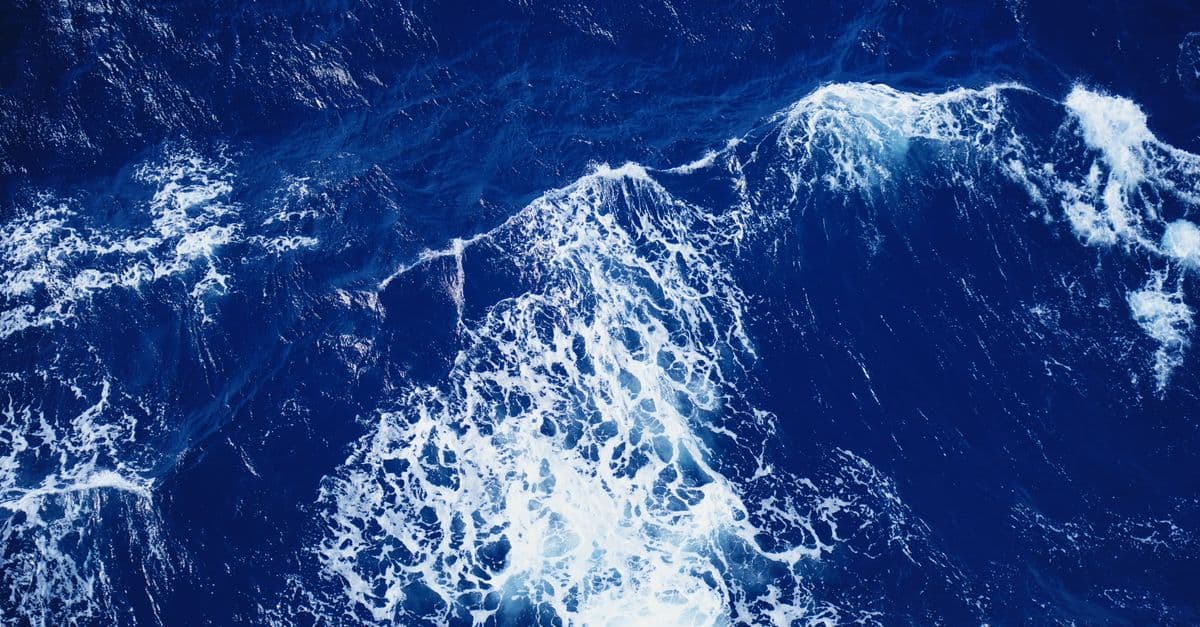
Why Is the Ocean Salty? The Science of Sea Salt
Ocean water is salty primarily because rain and rivers slowly weather rocks on land, dissolving ions like sodium and chloride and carrying them to the sea. When seawater evaporates, water leaves but salts remain and accumulate over geological time. Hydrothermal vents and volcanic activity add dissolved minerals. The ocean sits near steady state, with salt being removed about as fast as it arrives.
Space
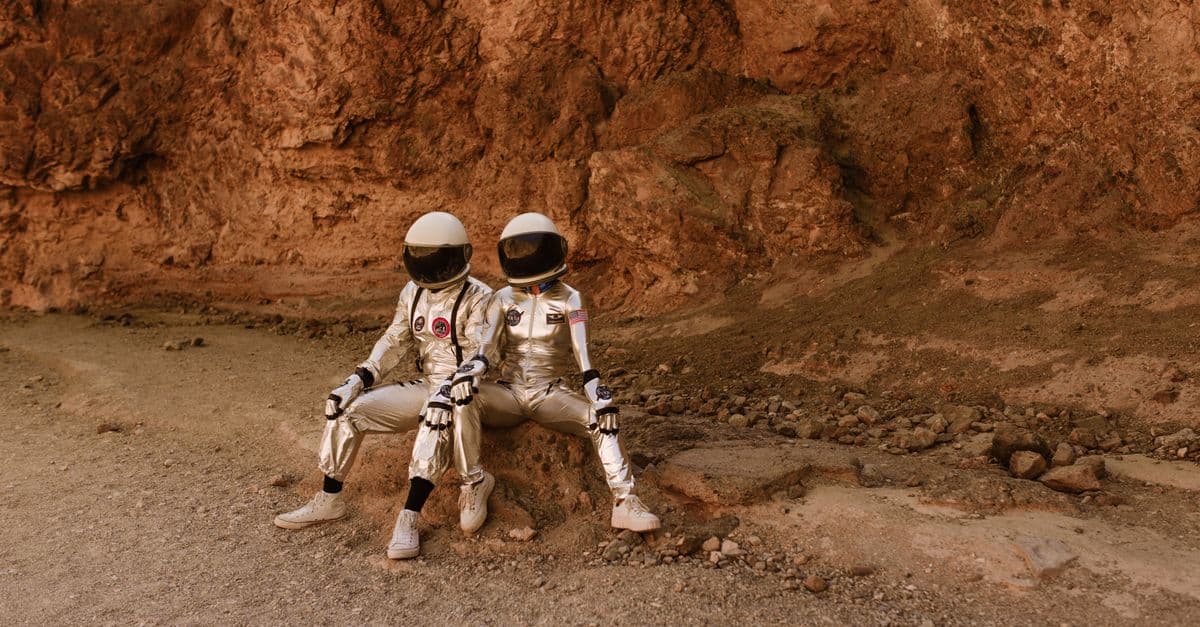
Why Is Mars Red? The Science of the Red Planet
Mars looks red because iron in its dust and surface rocks has oxidized into rust-colored minerals. A 2025 study argues the main pigment is ferrihydrite, a water-bearing iron mineral, and that planet-wide winds spread the fine powder that gives Mars its color.
Science
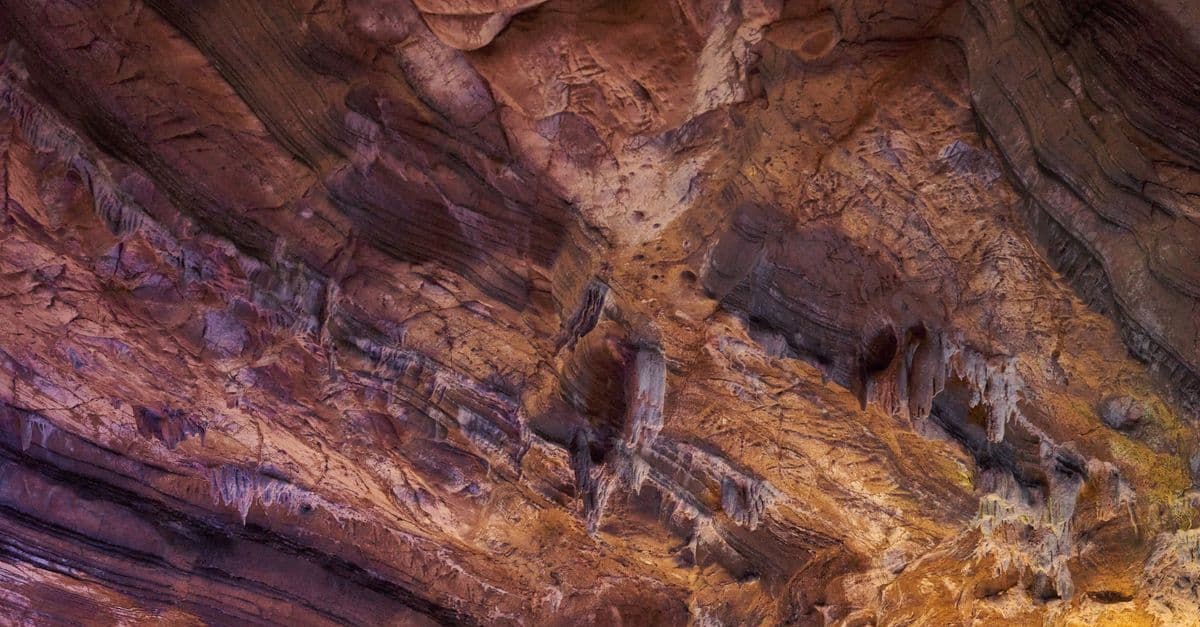
How Scientists Know What Is Inside Earth
No one has drilled to Earth's core. Scientists infer the interior from seismic waves, density, magnetism, meteorites, and high-pressure experiments.
Science
How Scientists Measure the Age of Earth
Earth's age is not guessed from one rock. This guide explains radiometric dating, meteorites, zircon crystals, half-lives, and why 4.54 billion years is robust.
Science
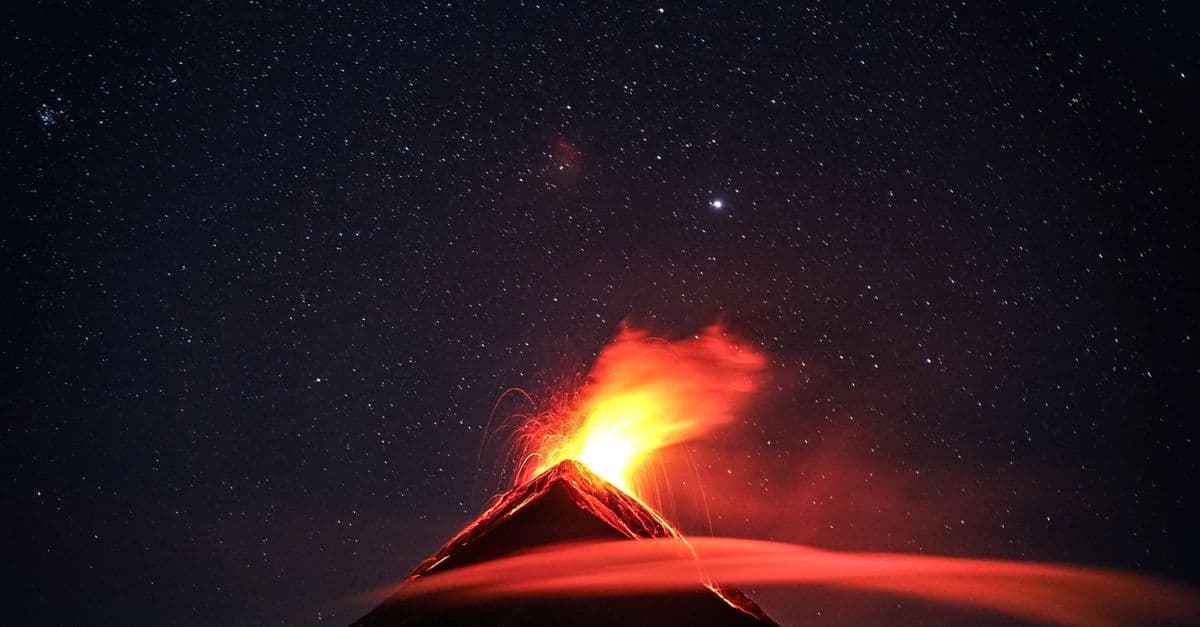
How Scientists Predict Volcanic Eruptions
Volcano prediction uses earthquakes, gas, ground deformation, heat, and history. This guide explains what scientists can forecast and what remains uncertain.
World Records
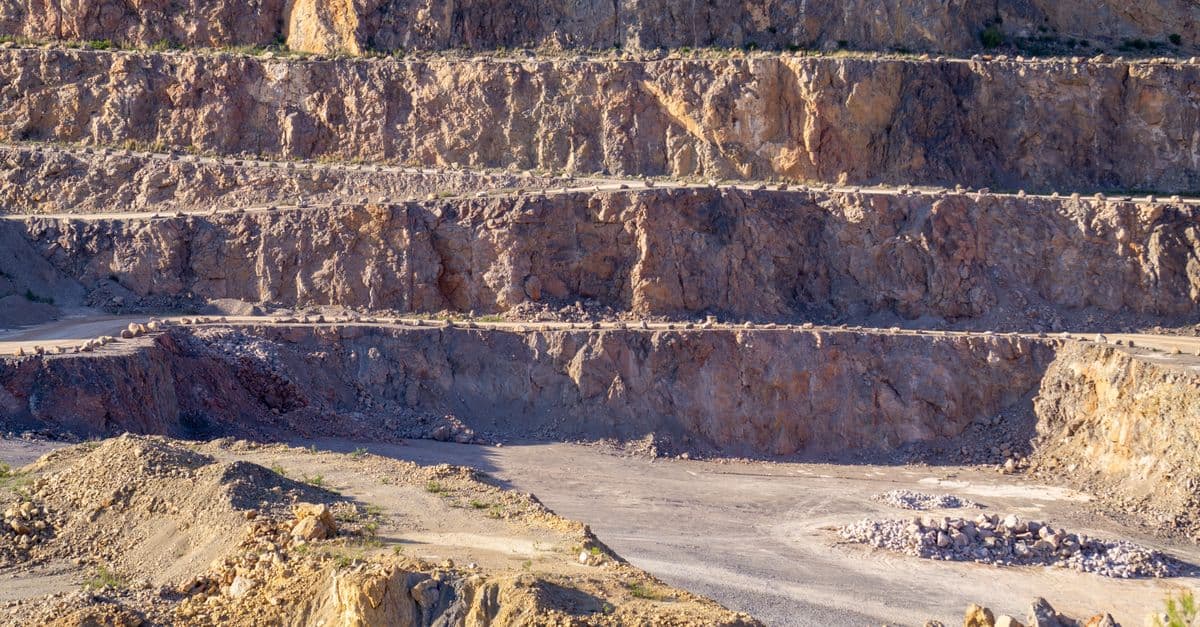
Biggest Mines in the World: The Giant Holes Powering Modern Life
The biggest mines on Earth expose how copper, iron, coal, gold, and diamonds reach the global economy, and why size can mean depth, output, or area.
World Records
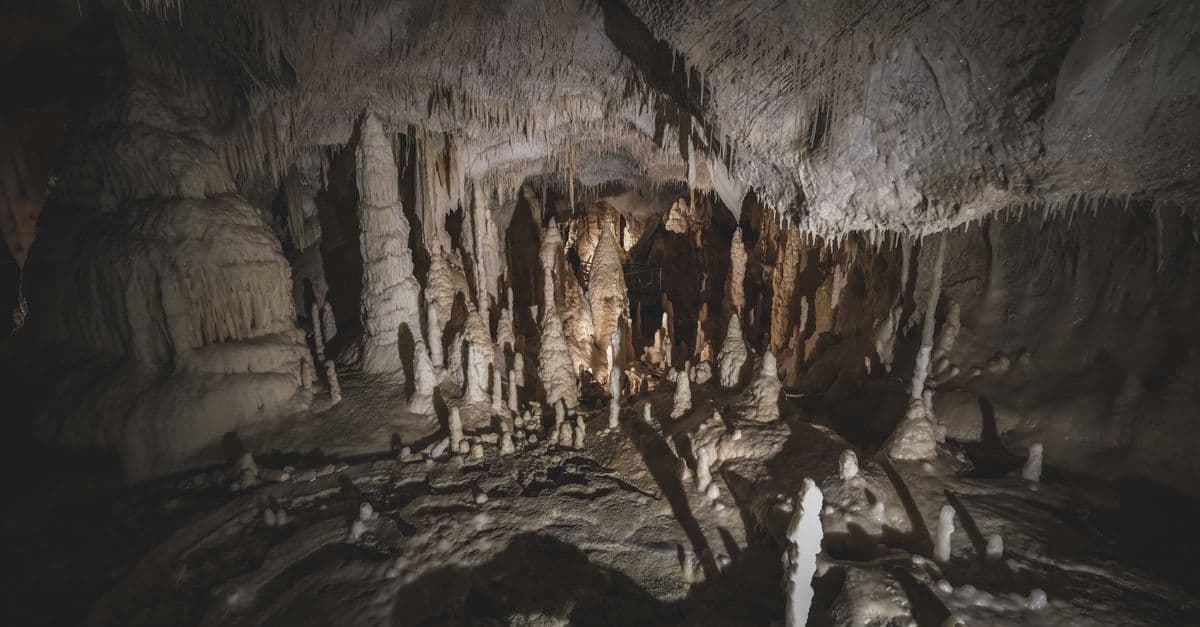
The Largest Caves in the World: A Cavern With Its Own Jungle and Clouds
Deep in the Vietnamese jungle is a cave so large it has its own weather. Hang Sơn Đoòng — the world's largest cave passage — contains a forest, a river, and a microclimate that forms clouds beneath its ceiling, which soars high enough to fit a 40-storey skyscraper. It was only fully explored in 2009. The largest caves on Earth are among the last great unmapped spaces on the planet, carved by nothing more than slightly acidic water and a great deal of time.
World Records
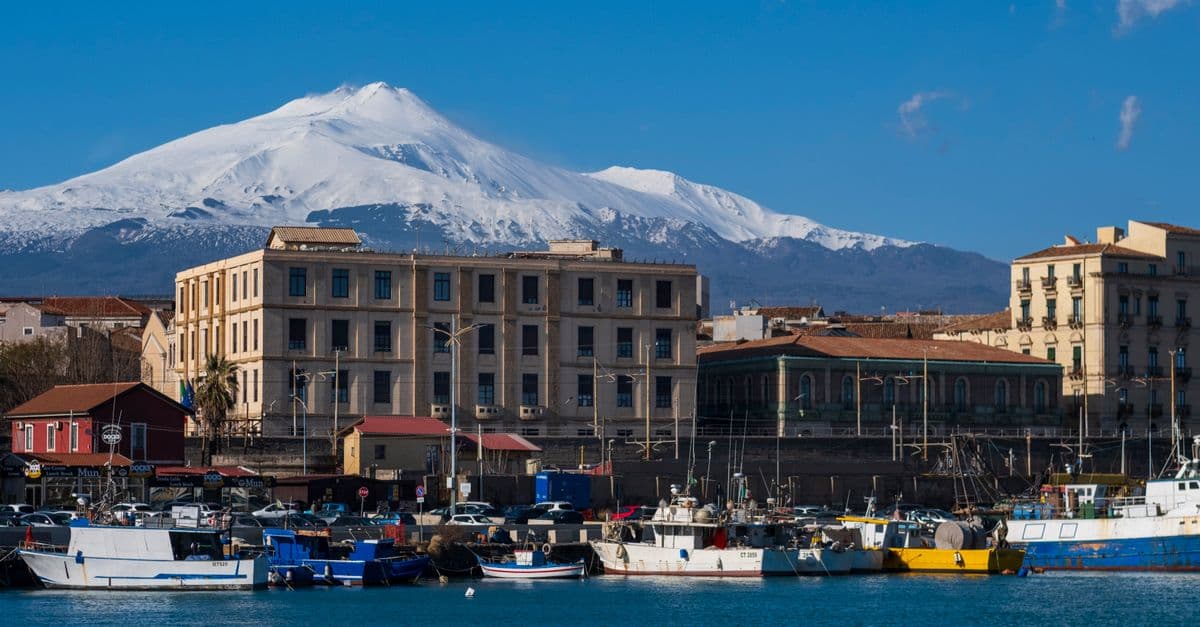
The Largest Volcanoes in the World: The Mountain That's Mostly Underwater
Mauna Loa in Hawaii rises 4,170 metres above the sea — but that's only the tip. Measured from its true base on the ocean floor, it stands roughly 17 kilometres tall, more than twice Everest's height above sea level, and is so heavy it has pushed the seabed downward beneath it. It may not even be the largest volcano on Earth by volume. And lurking beneath Yellowstone is something that isn't a mountain at all: a supervolcano whose eruptions are measured not in metres but in continents.
World Records
The Longest Mountain Ranges in the World: The 65,000-Kilometre Range You'll Never See
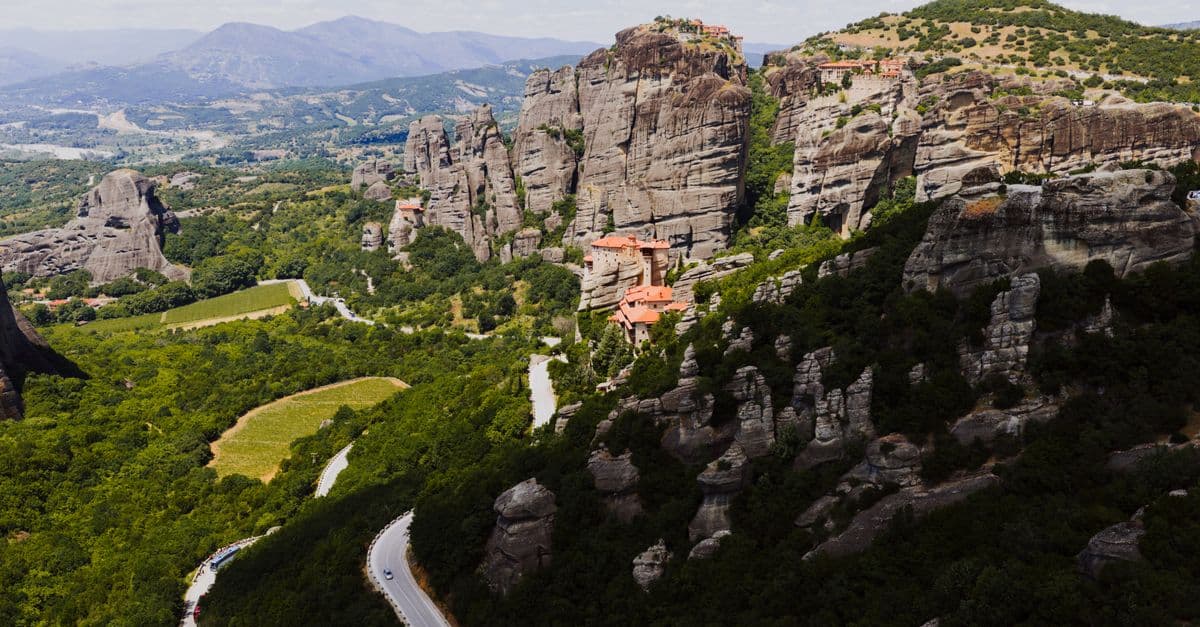
The Andes stretch 7,000 kilometres down the spine of South America — the longest mountain range on land, and a wall so high it creates deserts on one side and rainforests on the other. But it's not even close to the longest range on the planet. That title belongs to a mountain chain ten times longer, winding 65,000 kilometres around the globe entirely beneath the oceans, where most of Earth's volcanic activity quietly happens.
World Records
The Tallest Waterfalls in the World: Angel Falls and the Hidden Giants
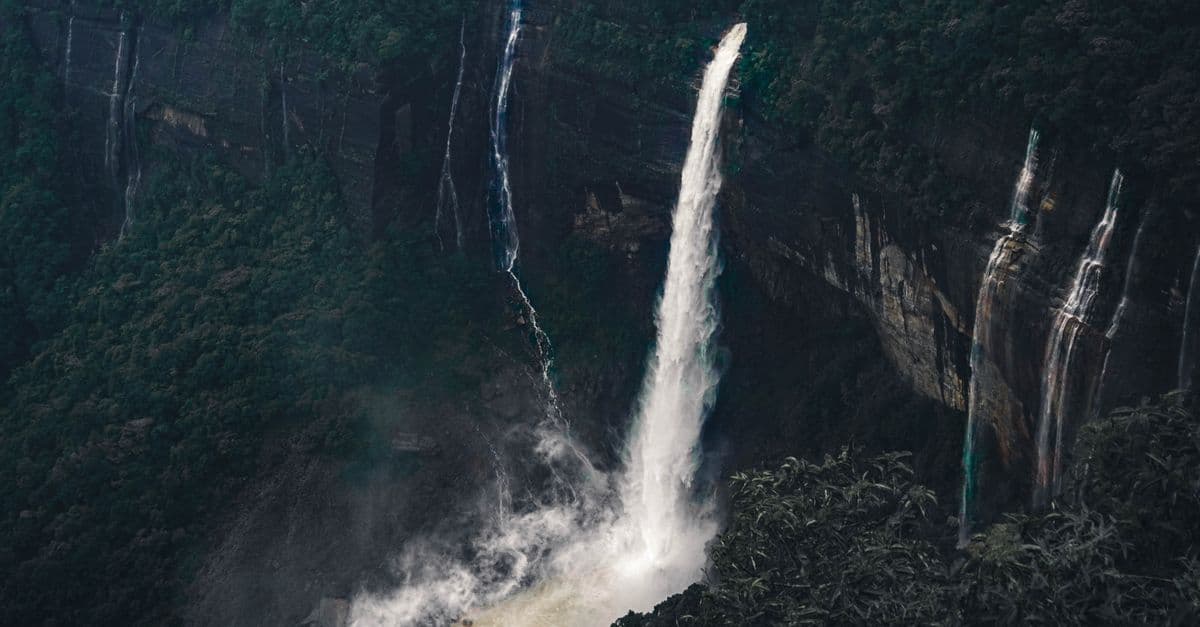
Venezuela's Angel Falls drops 979 meters — so far that much of the water turns to mist before it ever reaches the ground, especially in the dry season. It is the tallest waterfall on land, plunging off a flat-topped mountain built from some of the oldest rock on Earth. But the single tallest waterfall on the planet is not on land at all: it is underwater, a cataract beneath the ocean that dwarfs every waterfall you can see.
World Records
The Strongest Earthquakes Ever Recorded: The Day Chile Shortened the Day
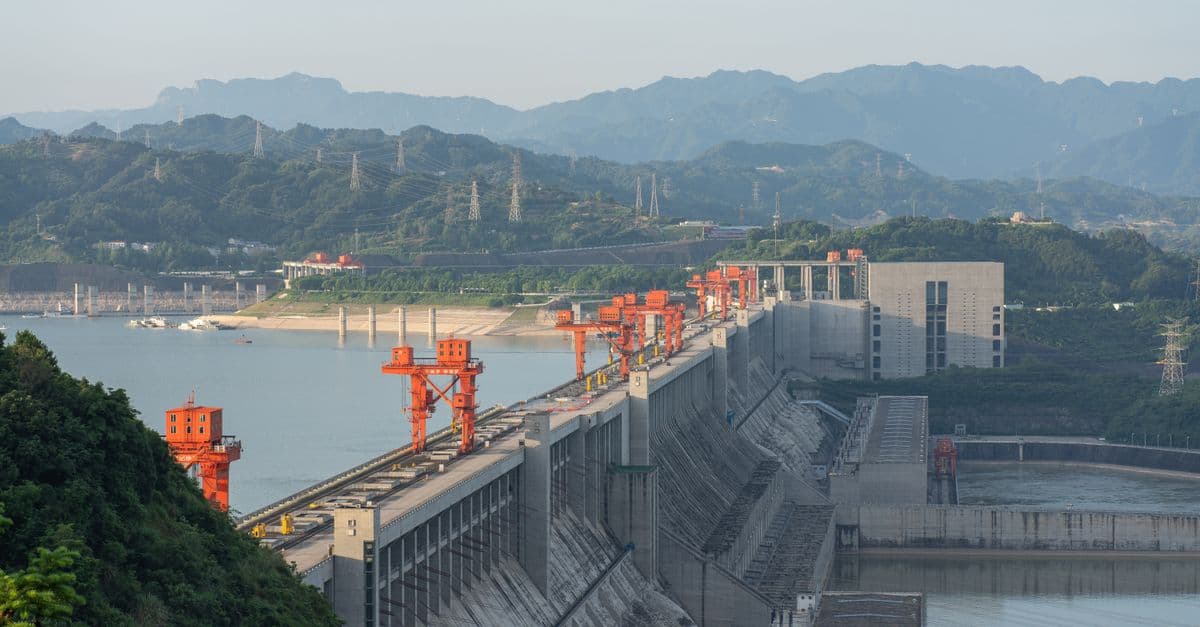
On 22 May 1960, the ground beneath southern Chile ruptured along a 1,000-kilometre fault, releasing a magnitude 9.5 earthquake — the most powerful ever recorded by instruments. It was so violent it shifted Earth's mass enough to measurably change the length of a day and set the entire planet ringing like a bell for weeks. Because the magnitude scale is logarithmic, this single quake released more energy than every other recorded earthquake of the 20th century combined.
Page 1 of 5Next →