Experiments
The Mars Viking Life Detection Experiments
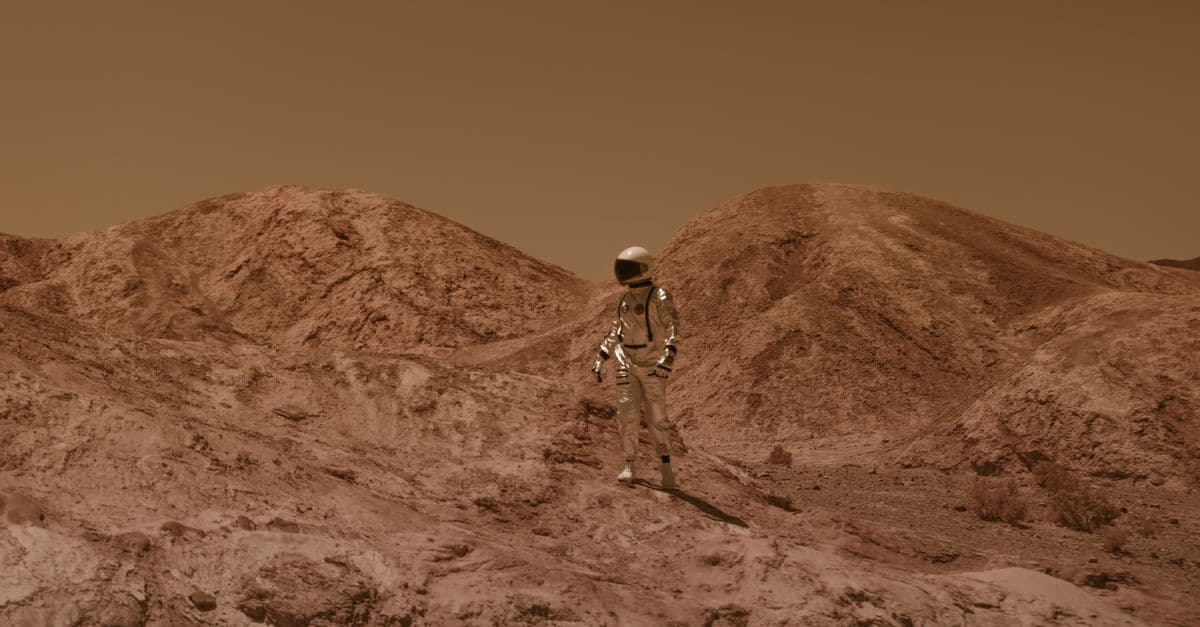
NASA's Viking landers ran the first direct biology tests on Mars. The results were provocative, disputed, and still important.
35 articles tagged with #NASA
NASA's Viking landers ran the first direct biology tests on Mars. The results were provocative, disputed, and still important.
Voyager used rare planetary alignment, gravity assists, and durable engineering to transform knowledge of the outer Solar System.
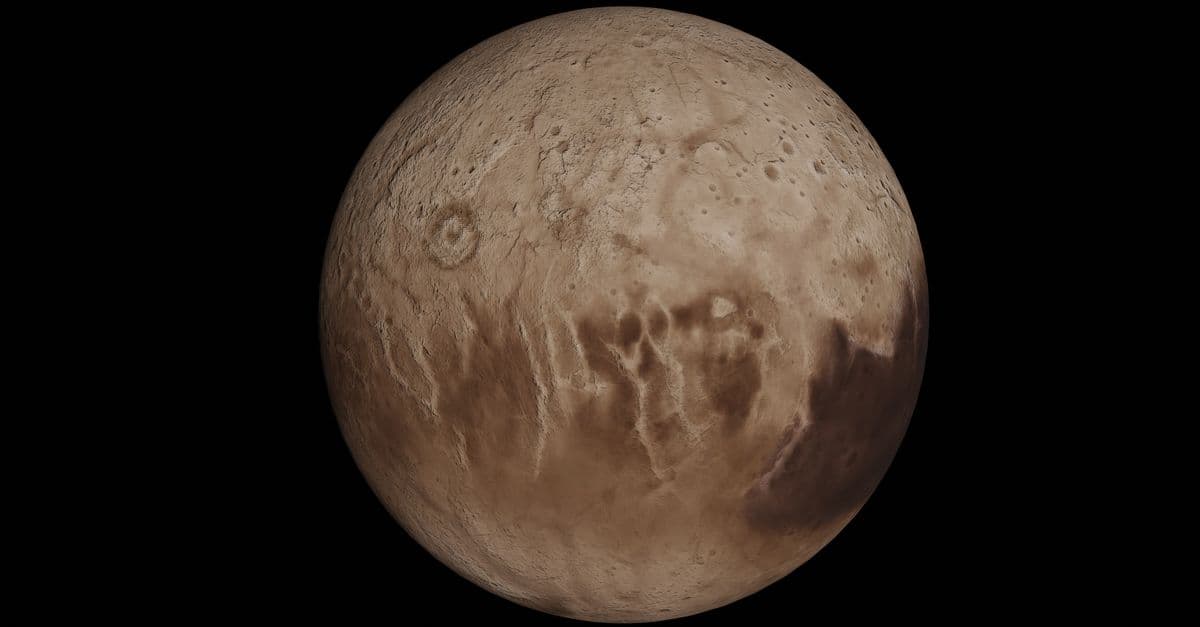
TRAPPIST-1e, Proxima b, LHS 1140 b, TOI-700 d and more: how the most Earth-like planets compare, and what each has and has not shown about air and water.
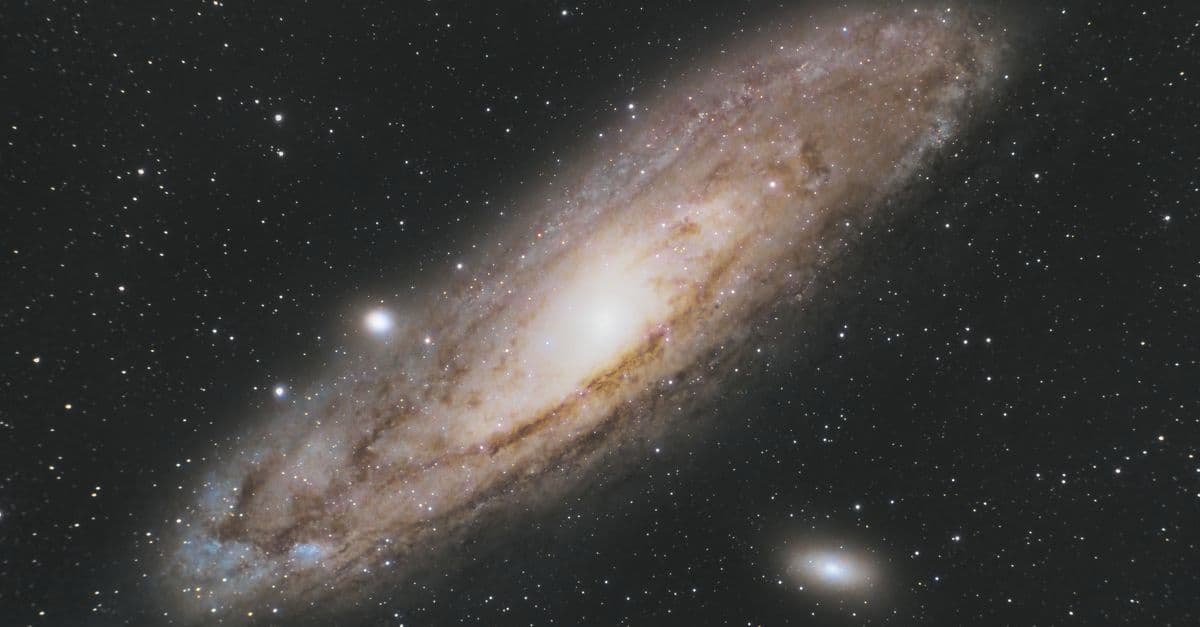
From JWST and Artemis to asteroid samples and planetary defense, these missions are changing what humanity knows and can do in space.
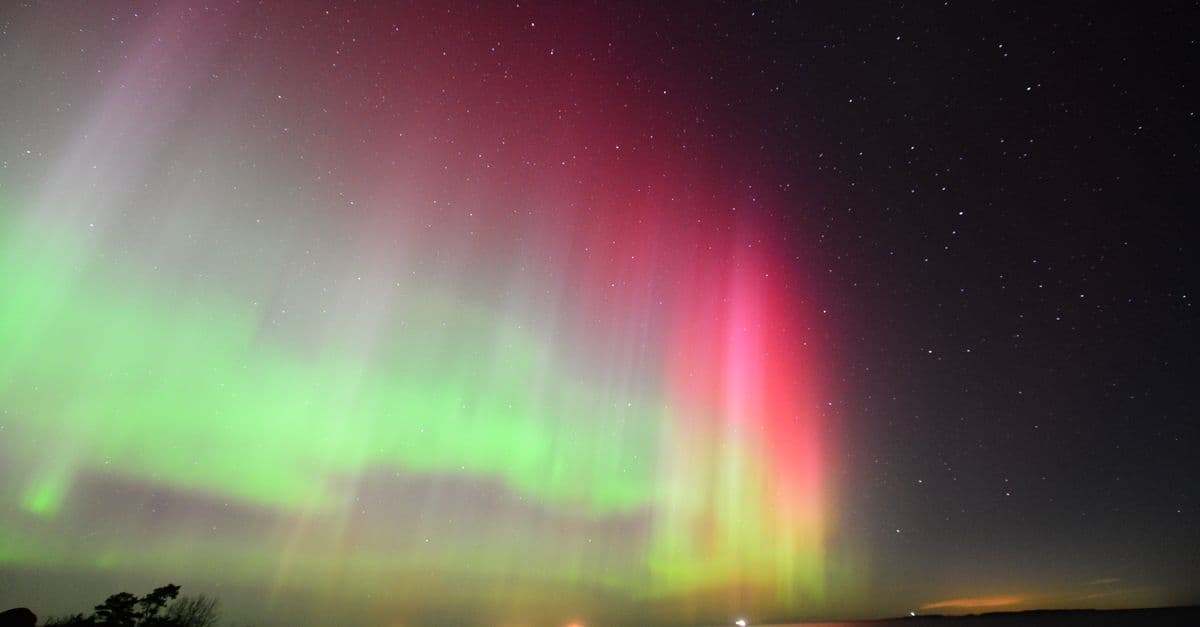
On September 1, 1859, British astronomer Richard Carrington watched a white-light flare erupt from the sun's surface — the first solar flare ever recorded by a human being. Within 17 hours, a coronal mass ejection carrying several billion tons of magnetized plasma slammed into Earth's magnetosphere at roughly 2,400 km/s (5.4 million mph), triggering the largest geomagnetic storm in recorded history. Telegraph operators received electric shocks from their equipment. Aurora lit the skies over Cuba, Hawaii, and Colombia. If the same event happened today, a 2008 National Academies report estimated the damage at nearly $2 trillion in the United States alone.
In 2017, NASA deliberately destroyed the Cassini spacecraft by plunging it into Saturn. Before it died, it made 22 passes through a region no spacecraft had ever entered — the 2,000-kilometer gap between Saturn and its innermost rings. The data it collected upended what scientists thought they knew about the rings' age, mass, and origin, and revealed a magnetic field so perfectly symmetrical it has no right to exist.
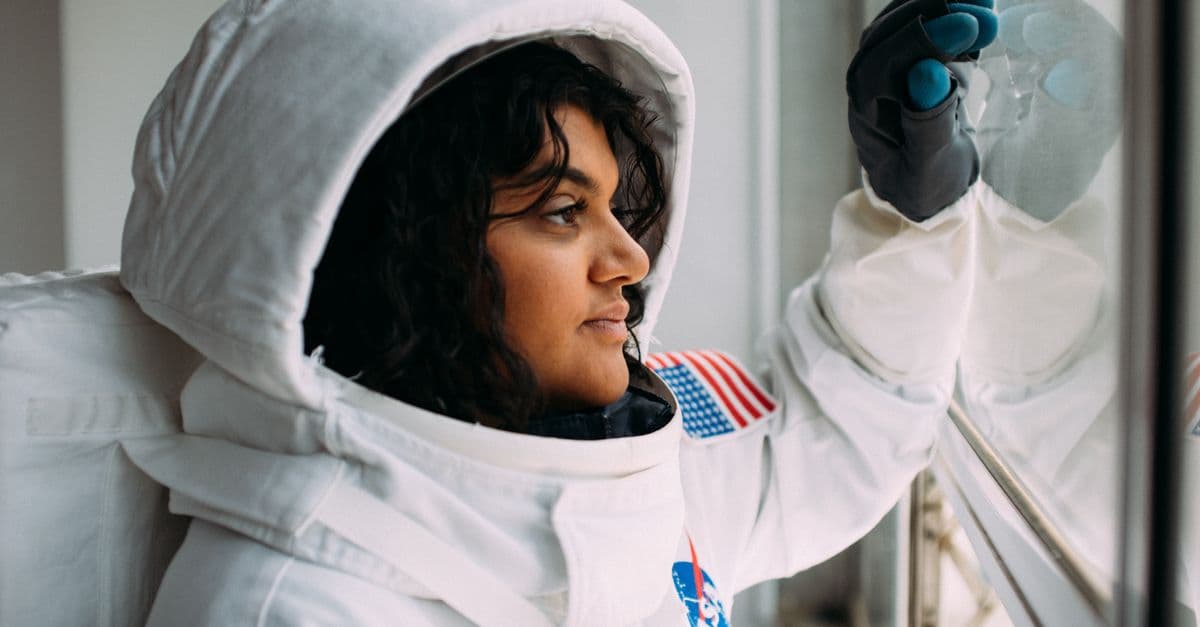
Katherine Johnson calculated John Glenn's orbital trajectory by hand. NASA trusted her numbers over the computers. She counted everything as a child and lived to 101.
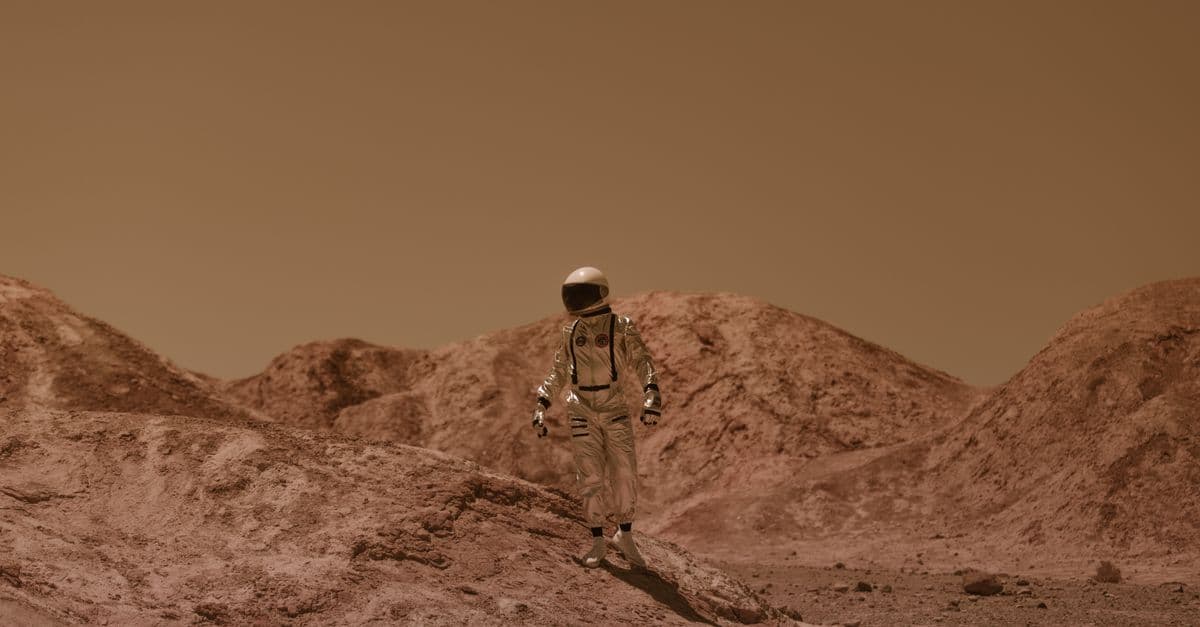
From Sojourner to Perseverance, every Mars rover explained — missions, discoveries, and the race to bring samples back to Earth.
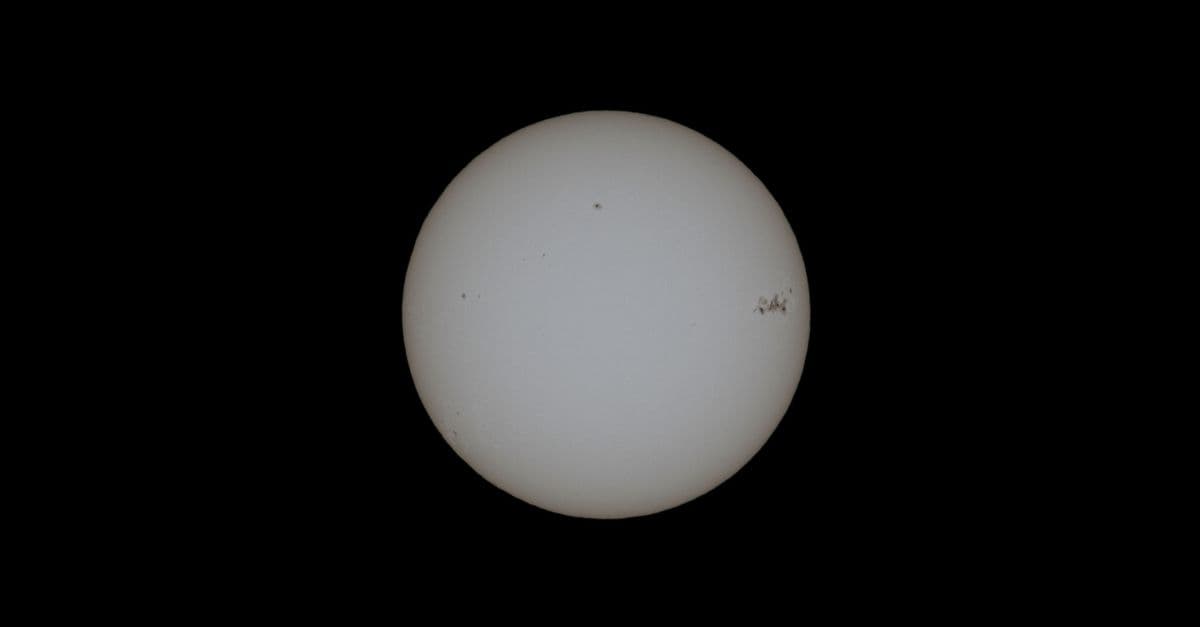
NASA's Parker Solar Probe is the first spacecraft to fly inside the Sun's corona — here's what it has found and why it matters.
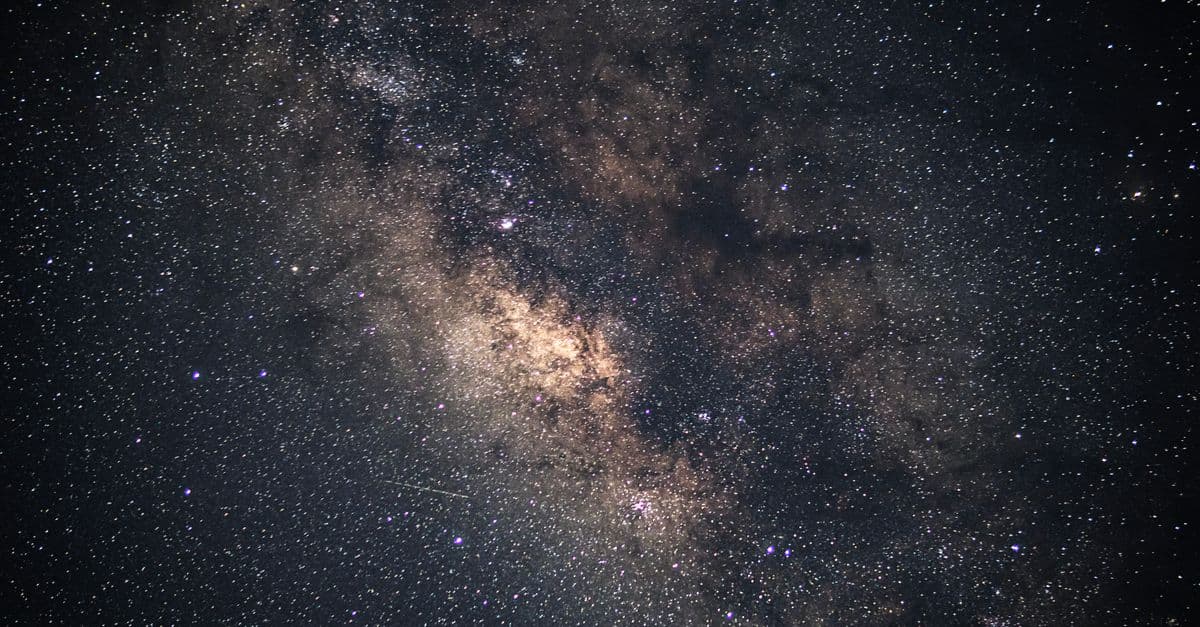
How the International Space Station works: orbit, modules, daily life, science, and the transition to commercial stations and China's Tiangong by 2030.
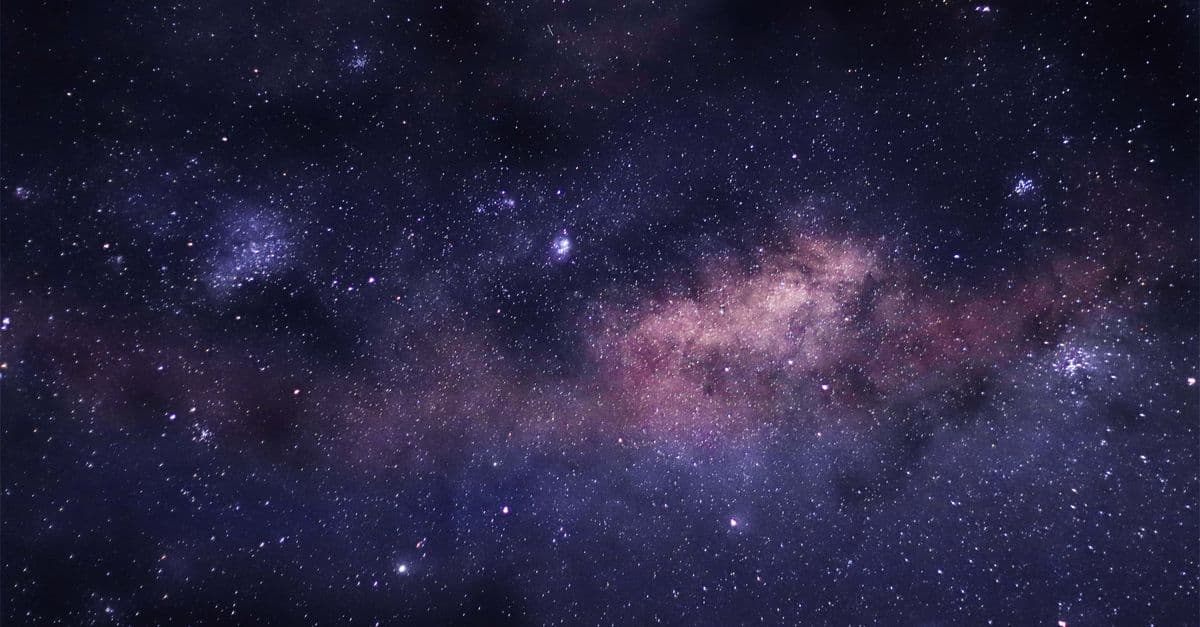
Astronomy and cosmology explained: the Solar System, stars, black holes, galaxies, the Big Bang, exoplanets and how we observe, with a deep dive for each topic.
The space race was a Cold War battle for supremacy, fought with rockets instead of bombs. It ended with humanity's greatest adventure.