
plate-tectonics
13 articles tagged with #plate-tectonics
Science
How Scientists Know What Is Inside Earth
No one has drilled to Earth's core. Scientists infer the interior from seismic waves, density, magnetism, meteorites, and high-pressure experiments.
World Records
The Longest Mountain Ranges in the World: The 65,000-Kilometre Range You'll Never See
The Andes stretch 7,000 kilometres down the spine of South America — the longest mountain range on land, and a wall so high it creates deserts on one side and rainforests on the other. But it's not even close to the longest range on the planet. That title belongs to a mountain chain ten times longer, winding 65,000 kilometres around the globe entirely beneath the oceans, where most of Earth's volcanic activity quietly happens.
World Records
The Largest Islands in the World: Why Greenland Wins and Australia Doesn't Count
Greenland is the largest island on Earth at about 2.16 million square kilometres — but Australia, which is more than three times bigger, isn't on the list at all. The reason isn't size; it's a definition. Australia is classified as a continent, and the moment a landmass becomes a continent, it stops being an island. That single rule explains the entire ranking, and a famous map projection explains why Greenland looks even bigger than it is.
Scientists
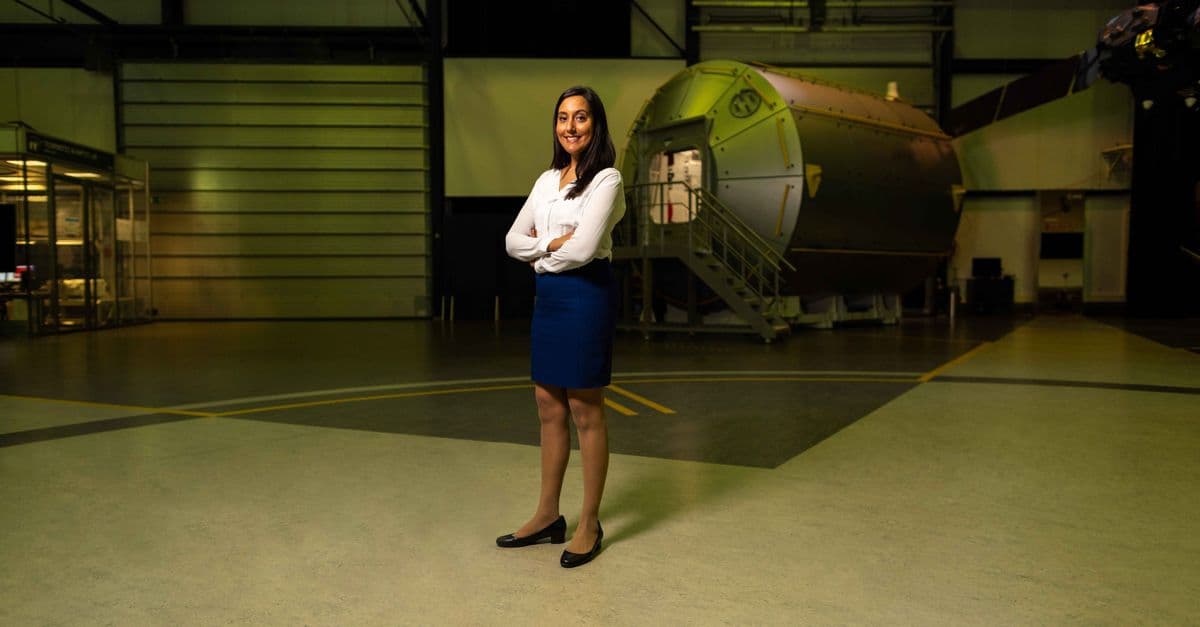
Alfred Wegener: The Man Who Said the Continents Move
Alfred Wegener proposed continental drift in 1912 and was rejected by his field. Plate tectonics vindicated him decades after his death on Greenland's ice.
Scientists
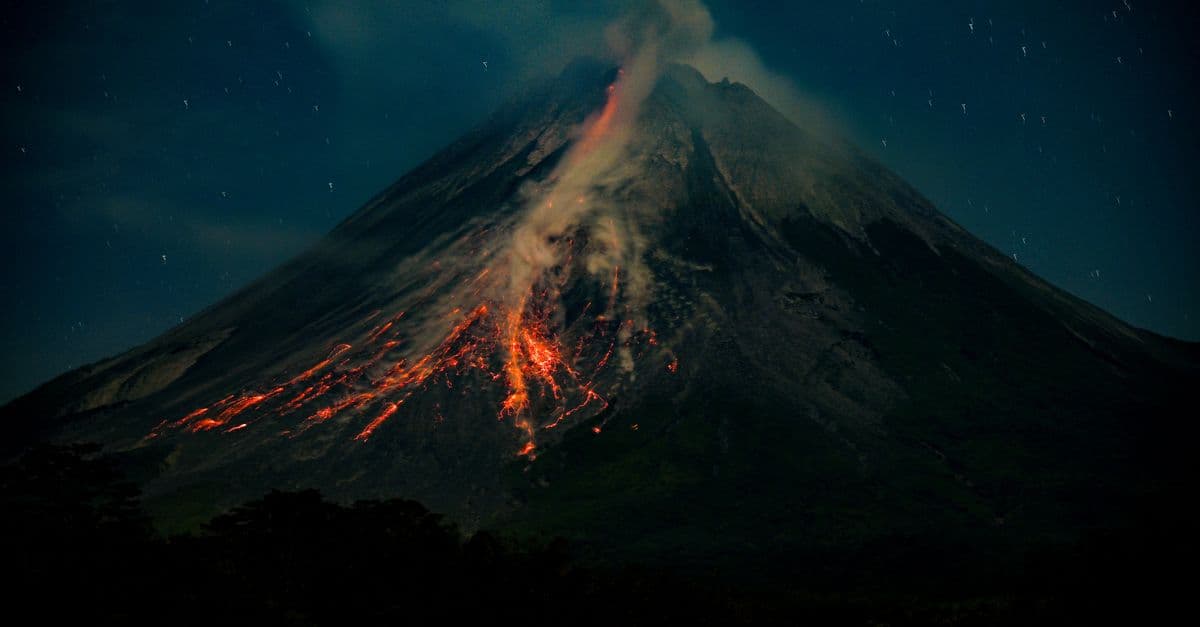
Marie Tharp: The Woman Who Mapped the Ocean Floor and Proved Plate Tectonics Was Real — SciHub101
Marie Tharp mapped the entire ocean floor from shore, banned from research ships. Her discovery of the Mid-Atlantic Ridge rift valley confirmed plate tectonics — called 'girl talk' by her own colleague.
Science
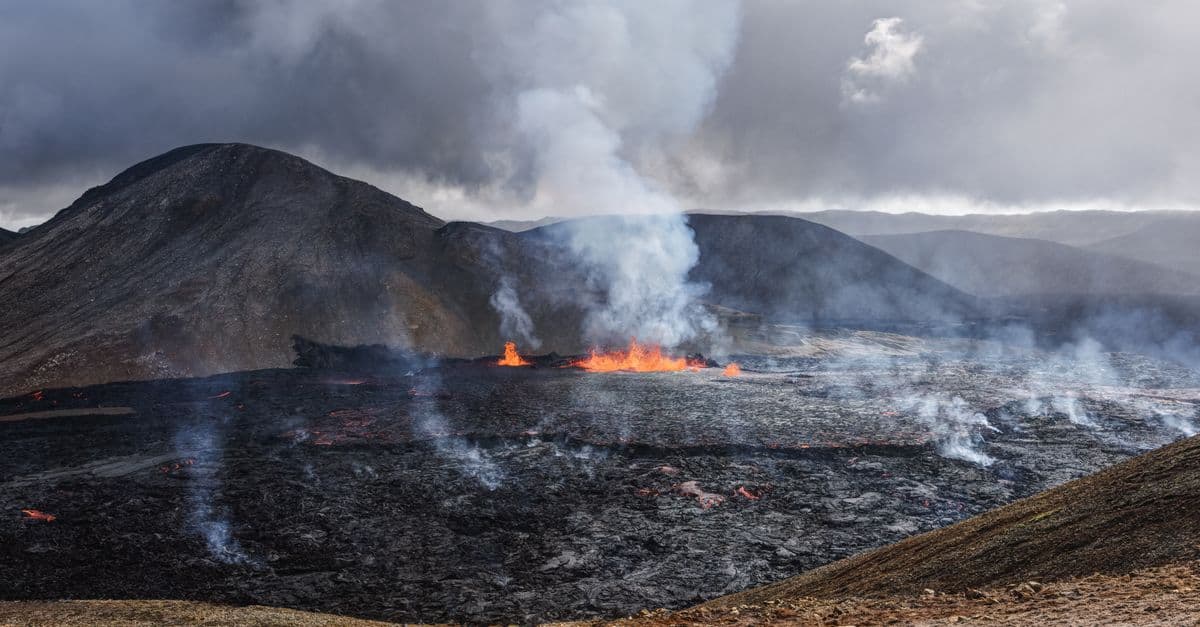
Plate Tectonics Explained — How and Why Earth's Crust Moves
Plate tectonics explained: how Earth's rigid plates move, what drives them, what happens at their boundaries, and the evidence that settled the debate.
Science
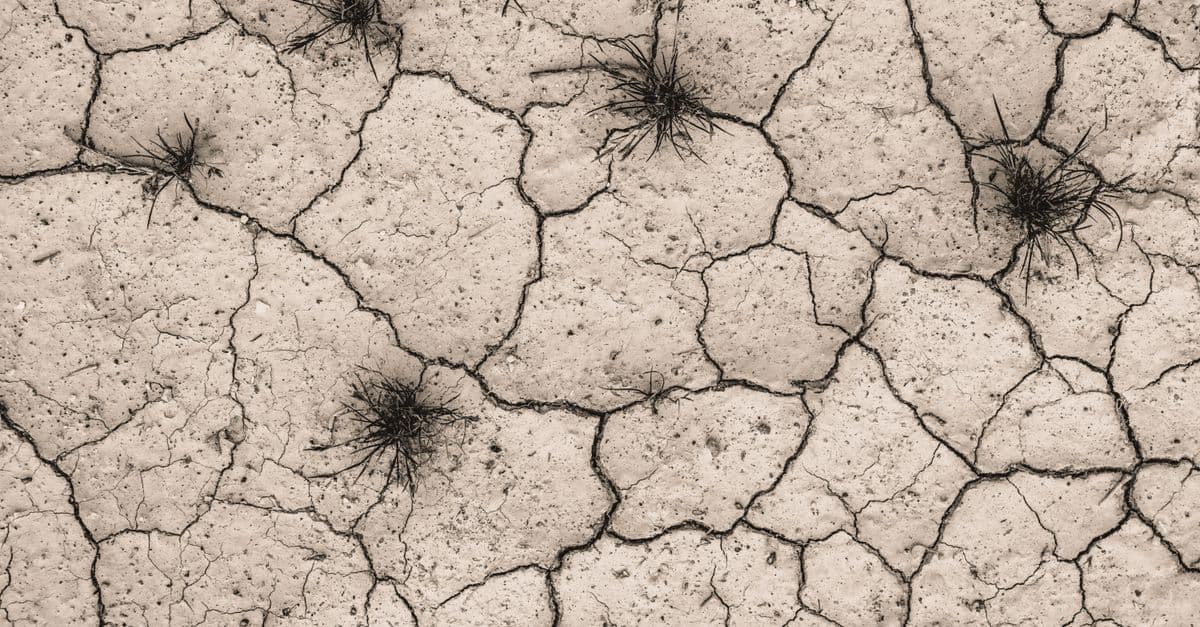
How Volcanoes Work — Magma to Eruption
Where magma comes from, why volcanoes form at plate boundaries and hotspots, eruption types, the VEI scale, and how scientists monitor them.
Science
How Earthquakes Work — Plate Tectonics Explained
How shifting tectonic plates cause earthquakes, why we measure them with moment magnitude, and why prediction is still impossible.
Sustainability
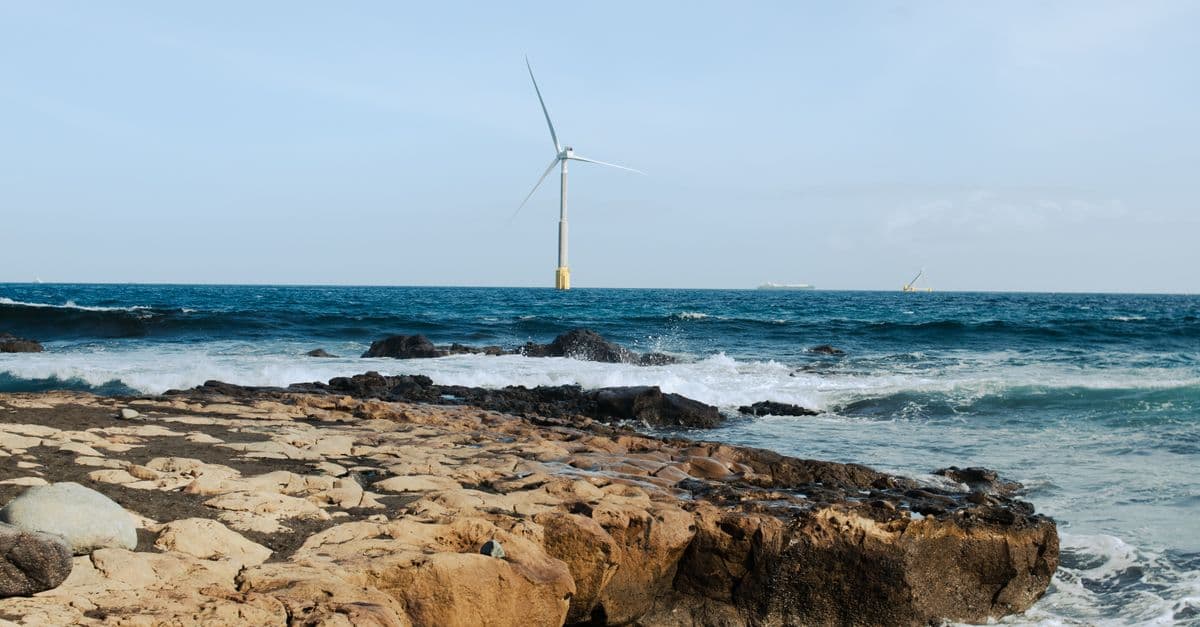
How Volcanoes Work: The Science of Earth's Most Powerful Force
A single eruption can cool the entire planet for years. Here's the science behind what makes volcanoes tick — from deep magma to explosive blasts.
What If
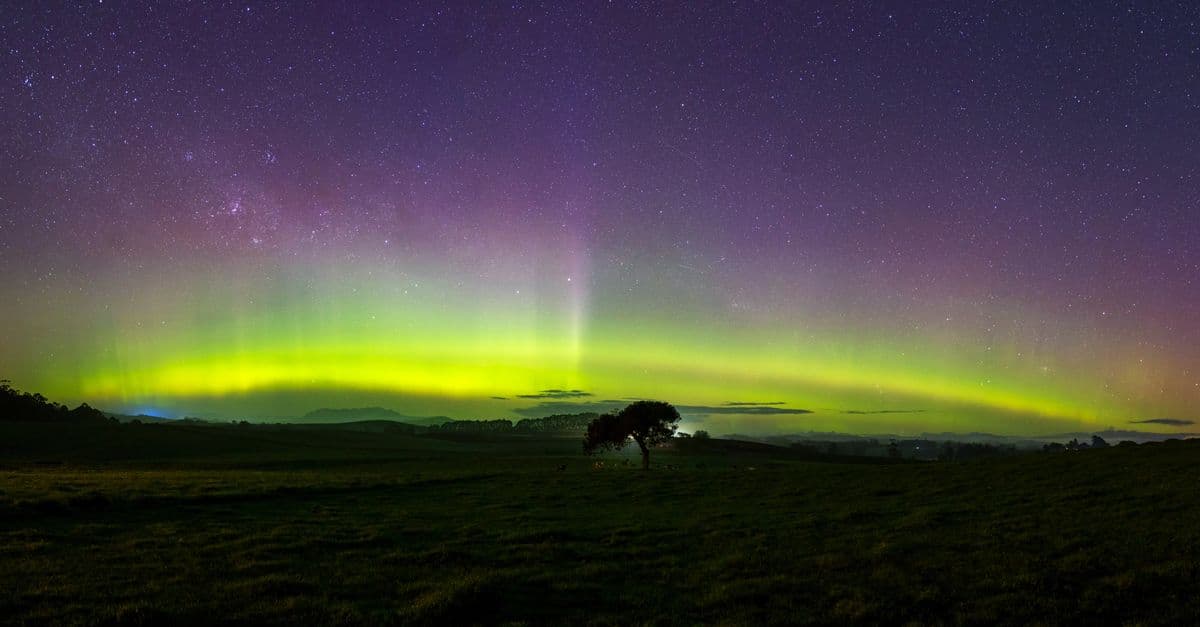
What If Radioactive Decay Stopped?
Radioactive decay provides Earth's internal heat, drives plate tectonics, and powers the magnetic field. If it stopped, Earth would cool, tectonics would cease, the magnetic field would die, and life would face increased radiation. Over billions of years, Earth would become a cold, geologically dead world.
What If
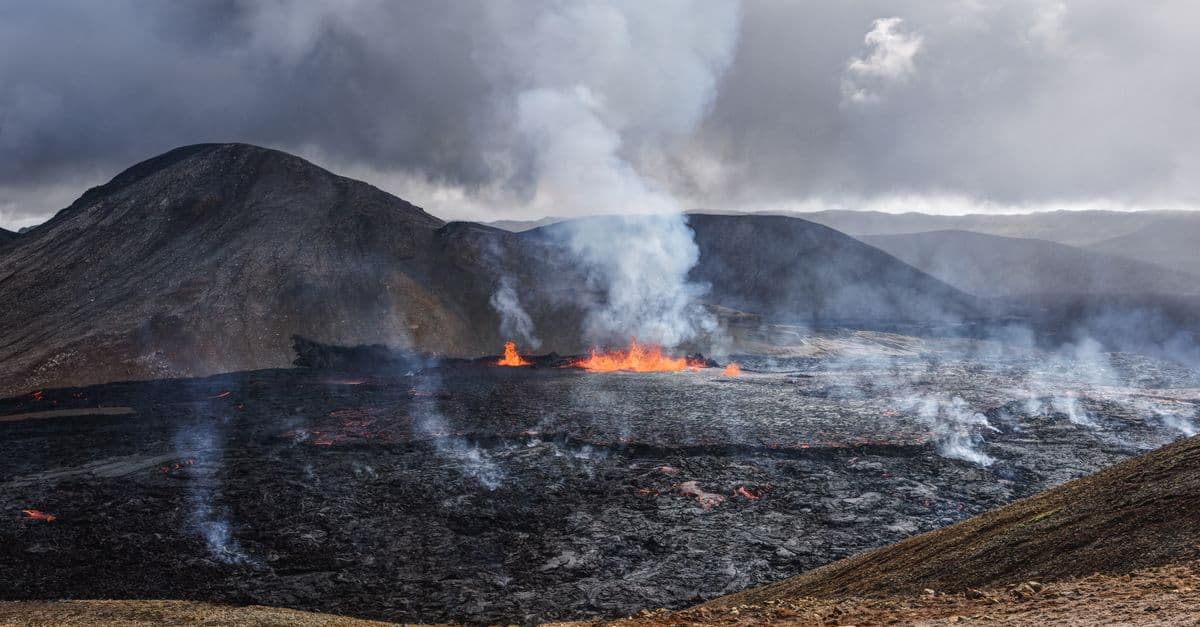
What If Continents Collided Differently?
Over geological time, continents have repeatedly collided, separated, and reformed in different configurations. If the continents had assembled differently — say, forming a supercontinent at the equator, or never breaking apart from Pangaea — the climate, life, and evolution would be radically different.
Page 1 of 2Next →