
Science
Immune System Changes in Space: ISS Immunology Research
ISS studies reveal how microgravity suppresses immune function, explaining increased infection risk in astronauts and informing immunology treatment strategies.
Latest science news: breakthrough research in physics, chemistry, and climate science — major scientific discoveries explained for everyone.
ISS studies reveal how microgravity suppresses immune function, explaining increased infection risk in astronauts and informing immunology treatment strategies.
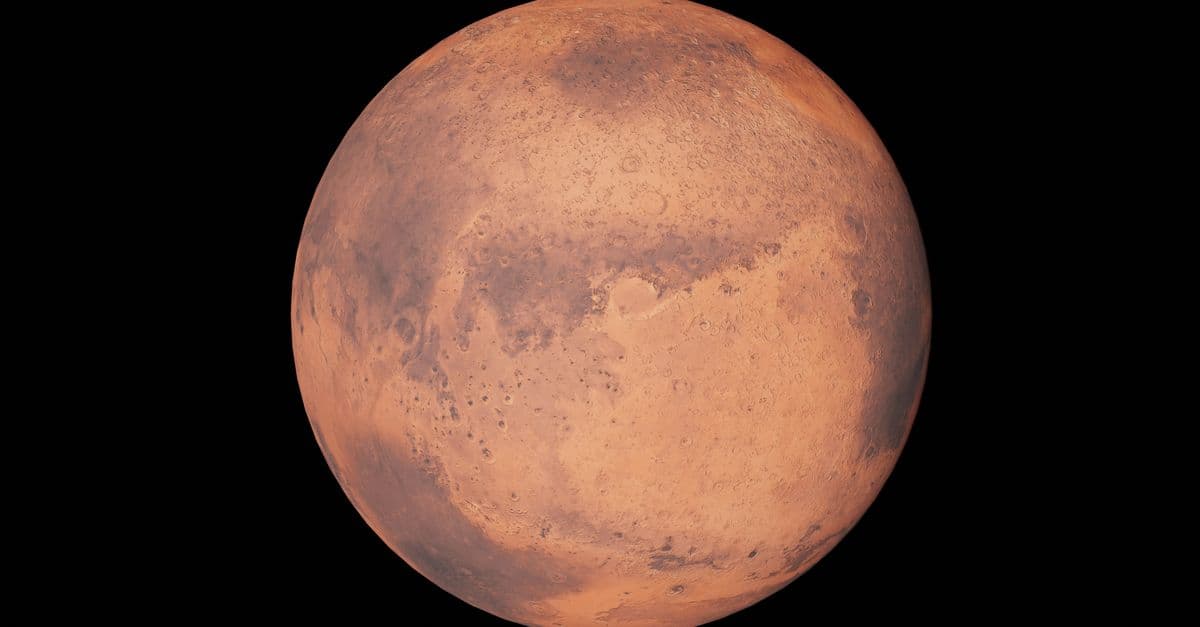
Ingenuity made the first powered, controlled flight on another planet, then flew 72 times instead of five. Here is how it worked, how it ended, and what it taught.
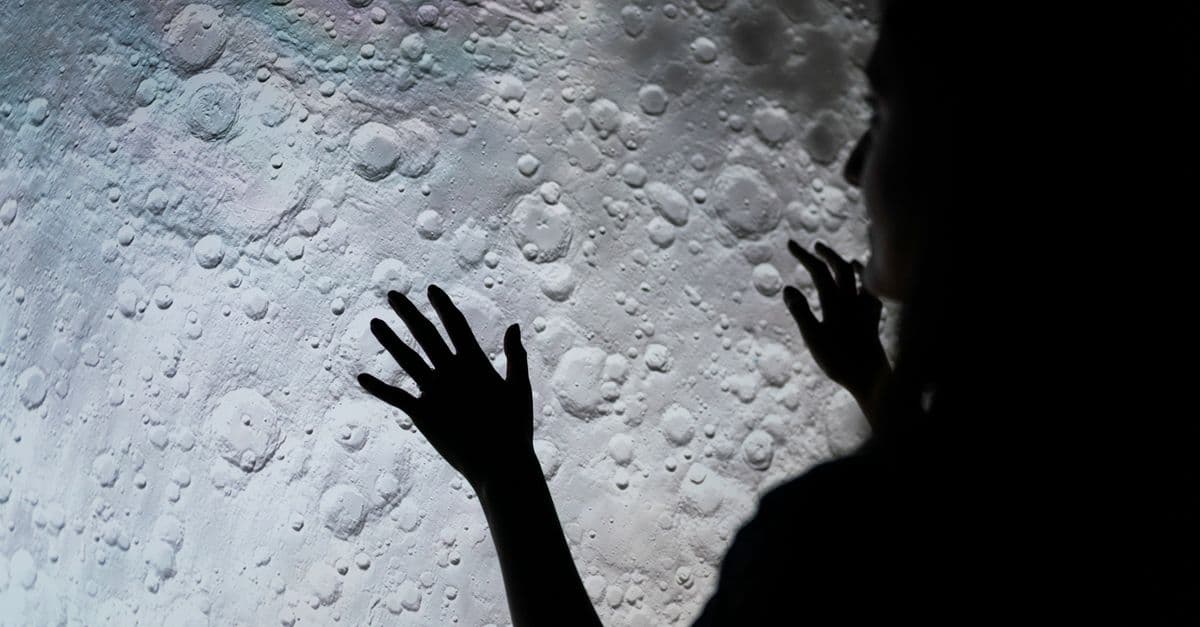
Remote sensing and direct exploration revealed water ice at the Moon's poles—a discovery changing lunar science and enabling future settlement through resource utilization.
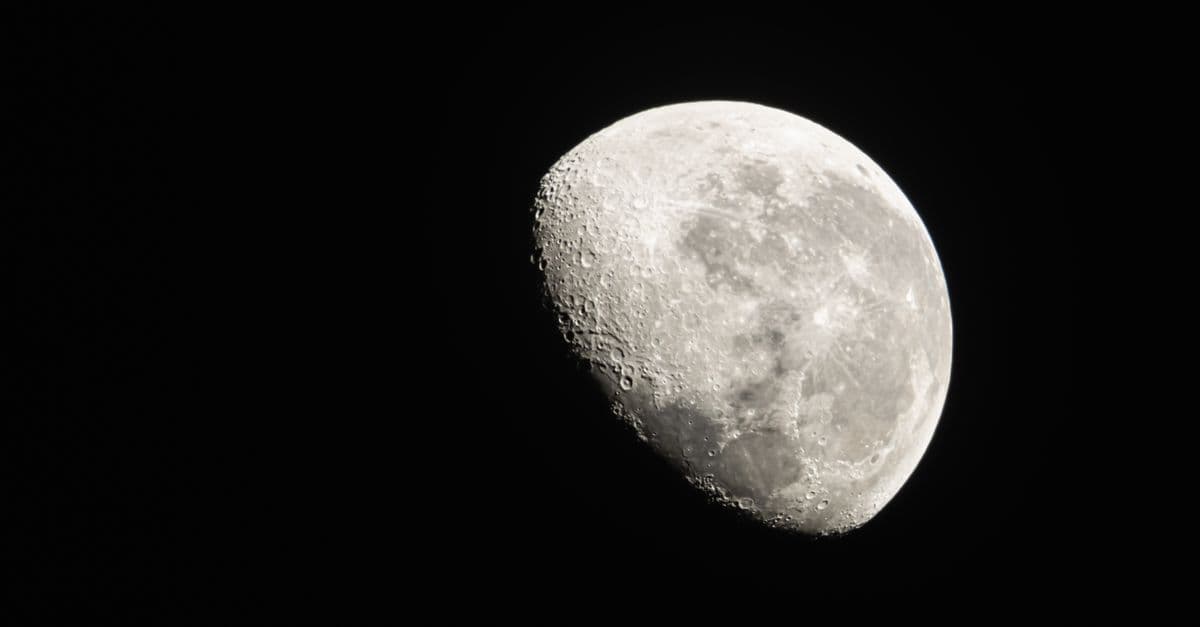
Apollo magnetometers revealed anomalous magnetic fields on the Moon surface, proving the Moon once possessed a magnetic field—a surprising discovery about our satellite's geological history.
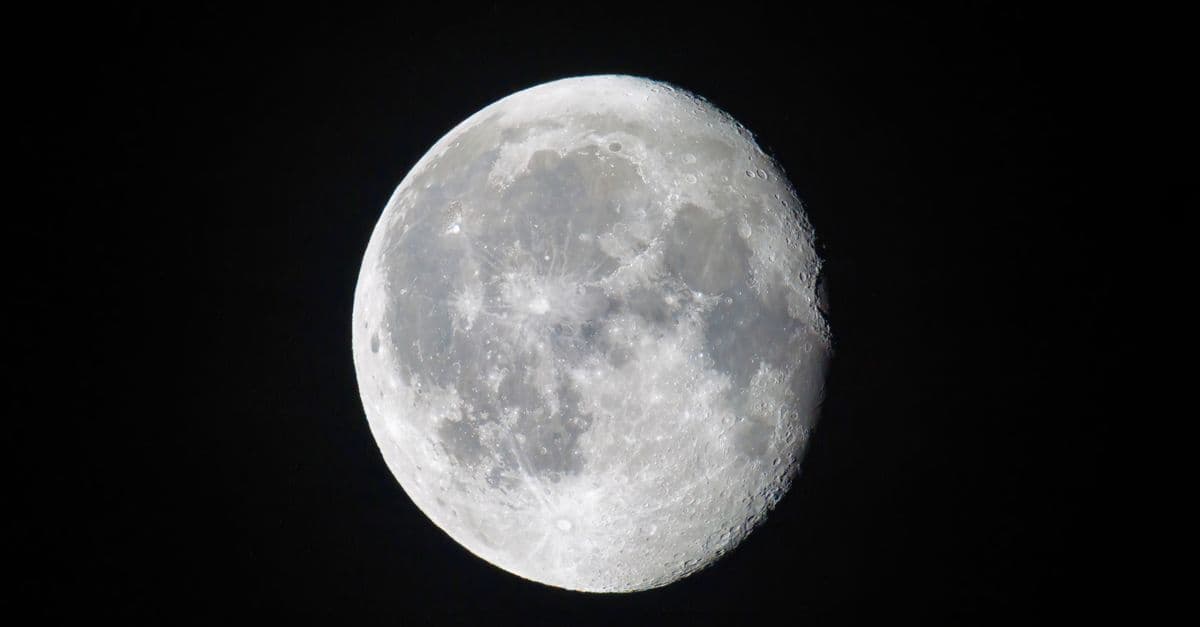
Apollo seismometers left on the Moon revealed extensive seismic activity, proving the Moon is geologically dynamic with thousands of moonquakes annually—surprising findings about our satellite.
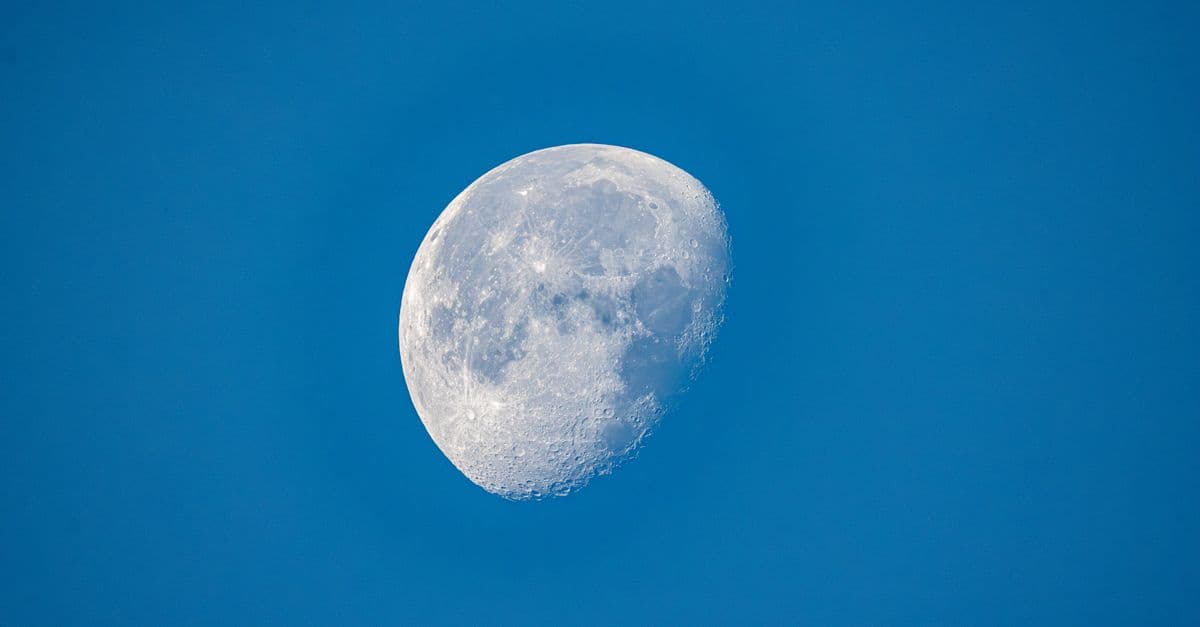
Apollo lunar soil samples revealed the Moon's weathering processes, mineral composition, and the effects of cosmic rays—knowledge essential for future lunar settlement.
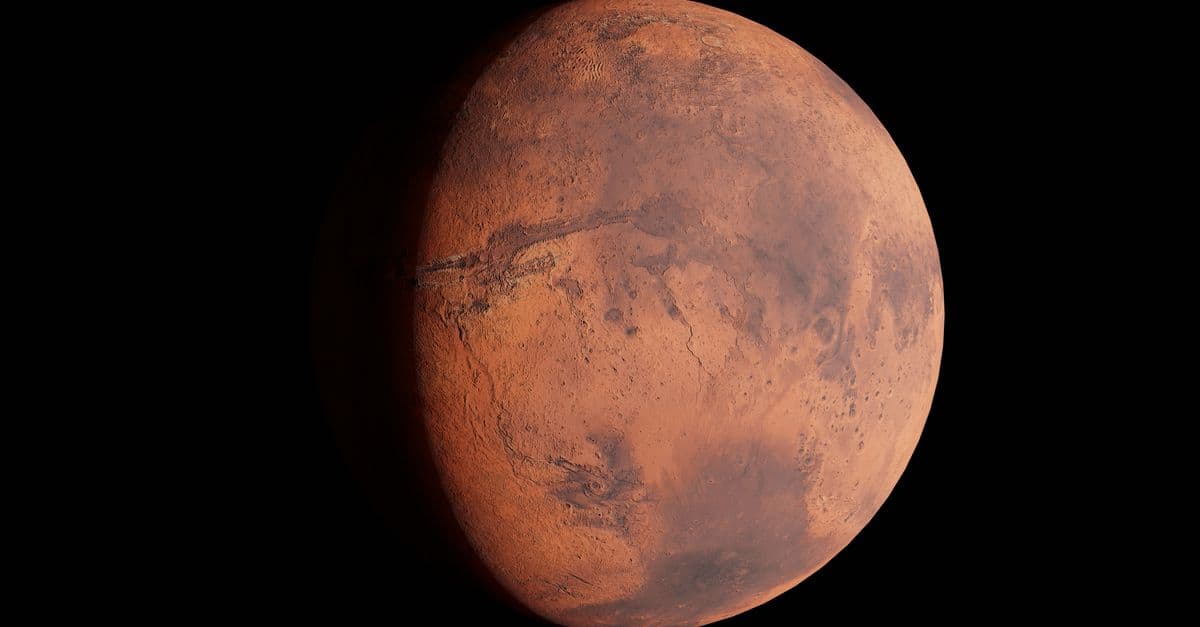
Mars' atmosphere is about 95% carbon dioxide at roughly 0.6% of Earth's surface pressure. Rover and orbiter measurements show what is in it, how it cycles with the seasons, and what its trace gases and isotopes say about the air Mars lost.
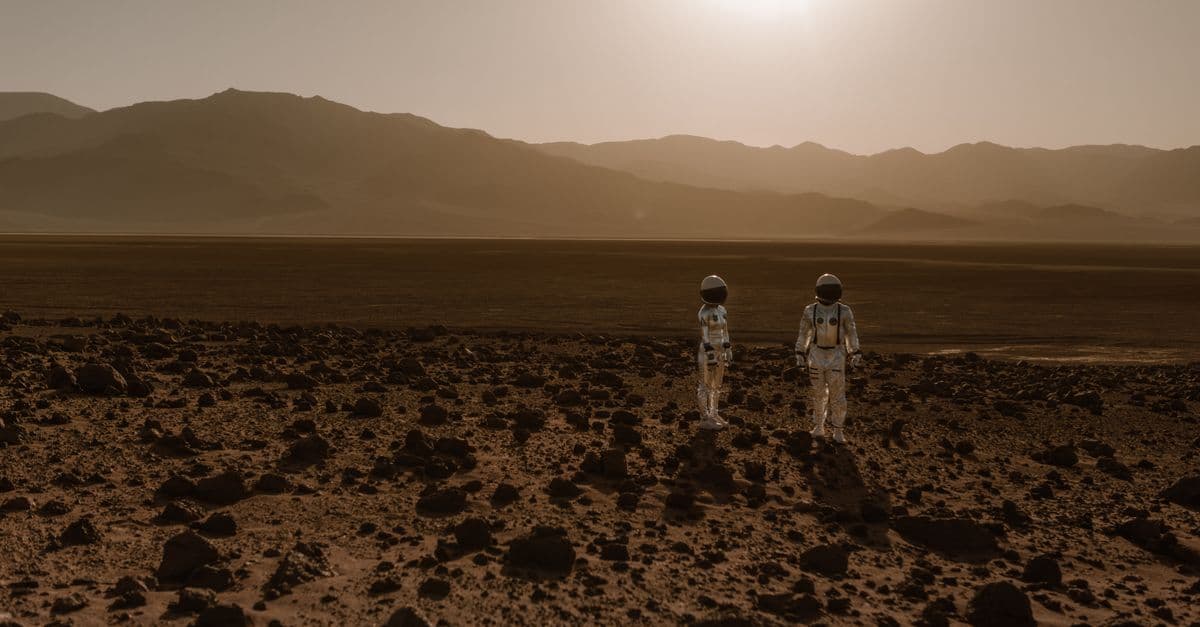
Mars dust storms can wrap the whole planet, as the 2018 storm did. Here is how they start, what they did to Opportunity and Curiosity, and what they mean for future bases.
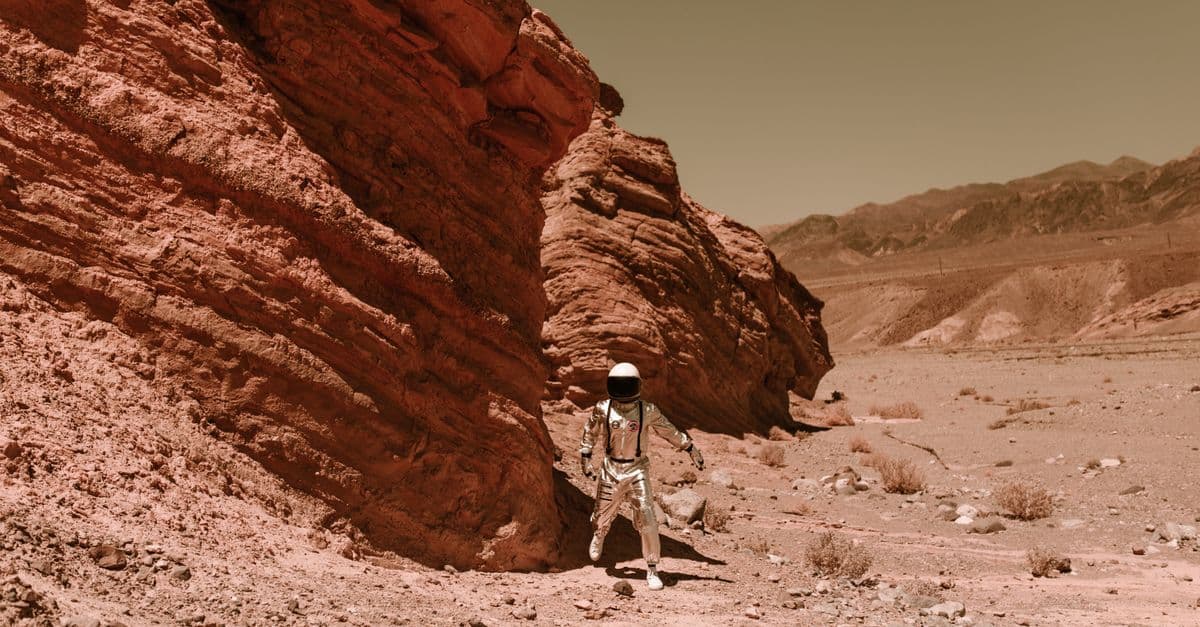
Curiosity's radiation detector has logged the Martian surface dose since August 2012. Here is what it measured, what that means for human health, and how much shielding settlers would need.
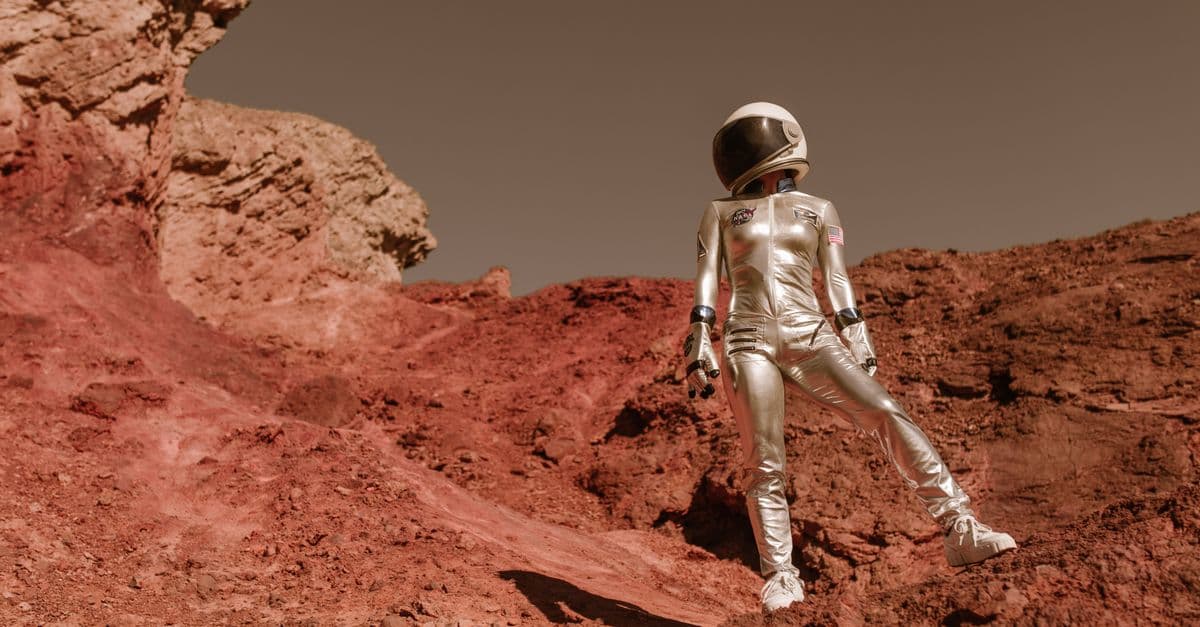
Mars air is roughly 160 times thinner than Earth's, and its temperature swings by more than 50 degrees in a day. Here is what rovers measure and why it matters.
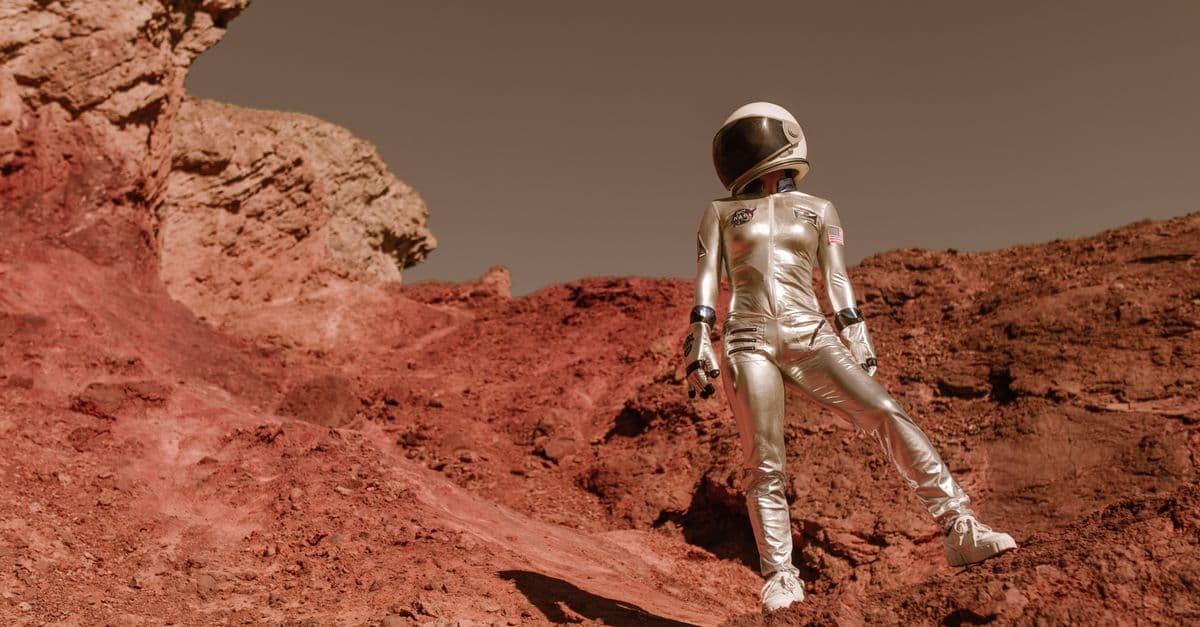
Orbiters and rovers have read Mars' wet history in clay minerals, sulfate salts, river deltas, and lake mudstones. Here is what each clue shows and where it stops.
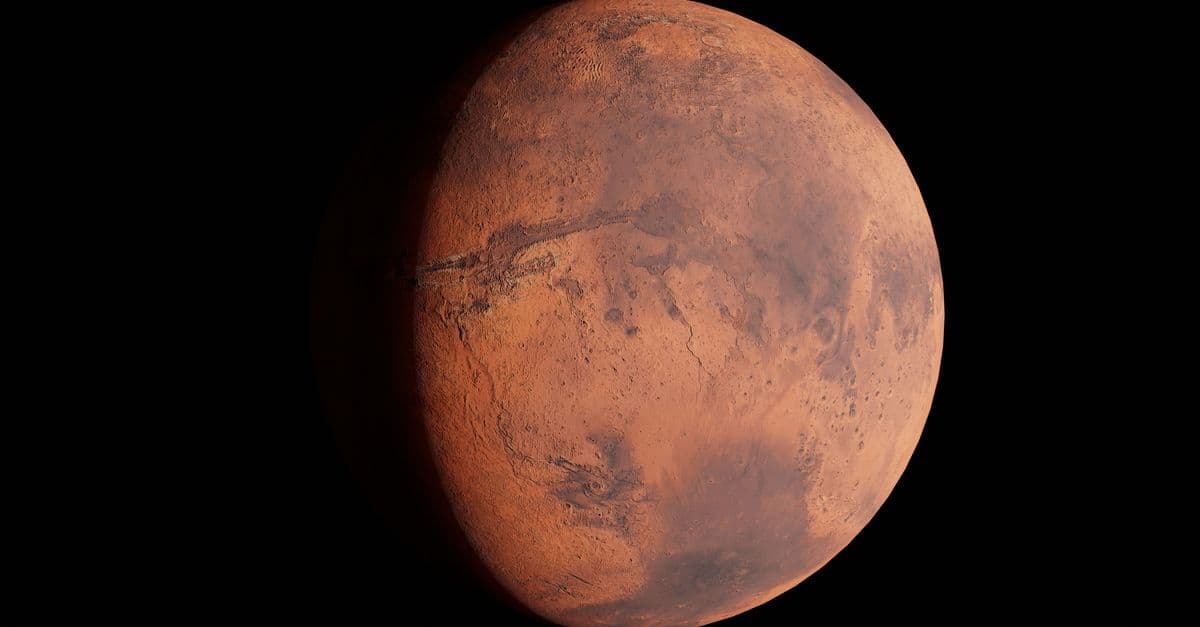
Rover soil analysis shows Mars' surface is crushed basalt, oxidized iron, water-bearing minerals, and perchlorate salt. Here is what each finding means.